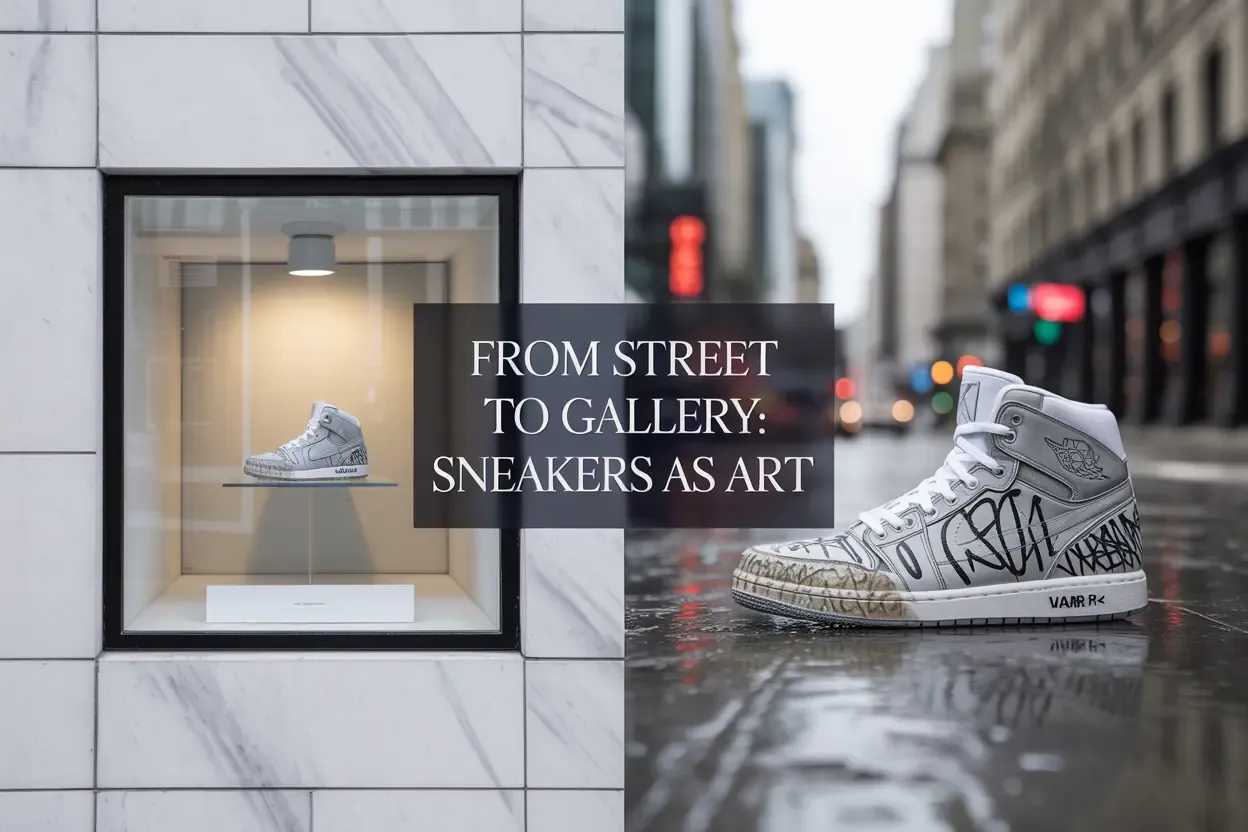
Remember when sneakers were just… sneakers? Shoes for gym class, weekend chores, maybe a pickup game. Fast forward and they're swapping scuff marks for glass cases, showing up in museums all over the world. It's a little surreal. And it isn't some passing fashion moment—it's a real cultural shift, one that's pushed sneakers from everyday footwear into objects museums treat like legitimate artifacts.
Over the last decade or so—roughly 2010 through 2024—museums have noticeably increased the number of exhibitions dedicated entirely to sneaker culture. That doesn't happen by accident. Museums have been opening their doors wider, taking popular culture seriously as history, and updating (finally) what “art” and “important design” can look like in the 21st century. Worth noting: these shows rarely treat sneakers as “just products.” They frame them as symbols tied to identity, innovation, and, yes, money.
If you're curious why certain pairs feel "mythical" enough for a museum case in the first place, the story usually starts in culture—not resale spreadsheets. Our deep dive on sneakers in cinema and cultural lore shows how films create lasting sneaker mythology, while sneakerhead slang explained decodes the language that turns those stories into "grails."
Kicks on Display: A World Tour of Sneaker Showcases
Museums everywhere have caught on, and each one tells the sneaker story a little differently. It's genuinely global at this point.
North America Led the Way with Big, Bold Shows
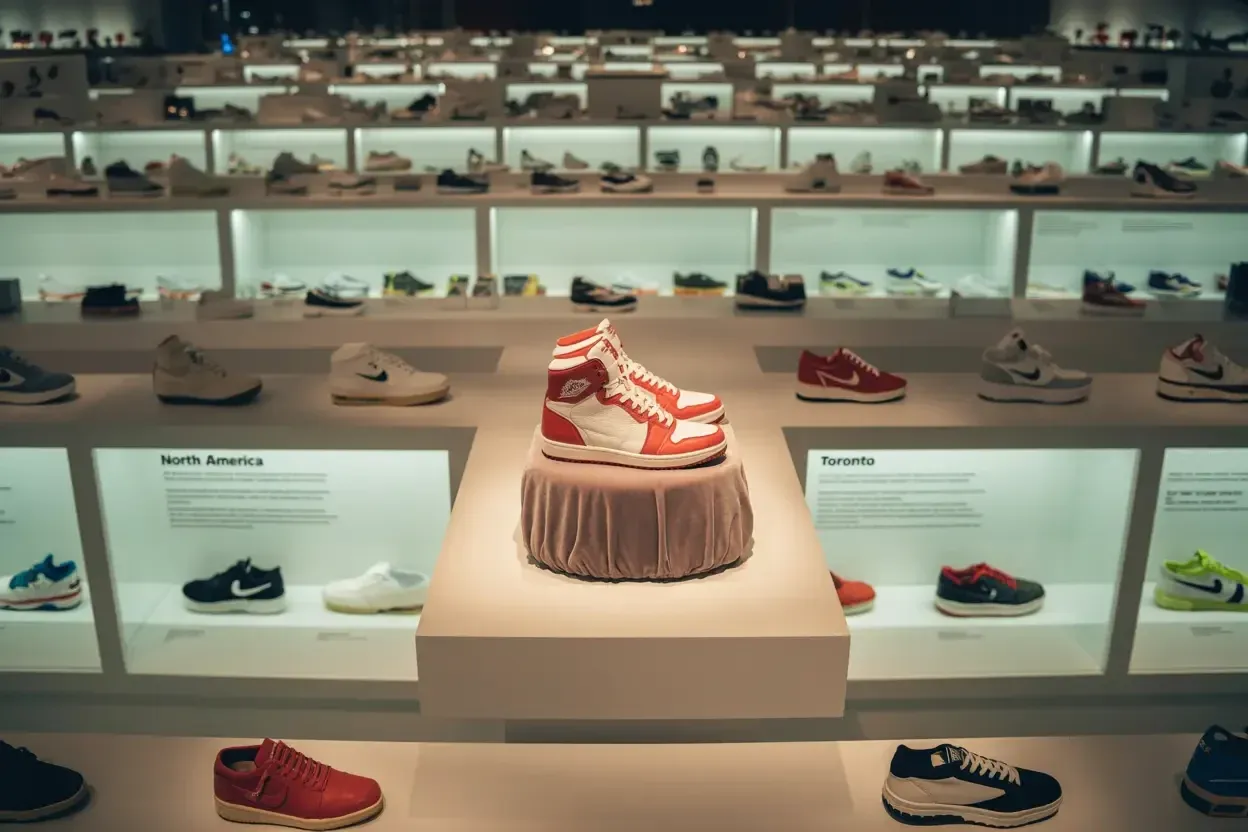
North America arguably set the pace for big sneaker exhibitions. The Bata Shoe Museum in Toronto has been a key player, especially with "Out of the Box: The Rise of Sneaker Culture," first shown in 2013. It wasn't a “look at all these cool shoes” display—it traced the sneaker's evolution over 150 years, from early canvas pairs to the cultural icons people chase today. Curated by Elizabeth Semmelhack, it included everything from classic Converse Chuck Taylors (a favorite of punk anti-sneakerheads) to the full Air Jordan series, plus sketches from legendary Nike designers like Tinker Hatfield. It also didn't stay put: the American Federation of Arts took it on the road, bringing it to major cities like Brooklyn, Atlanta, and Oakland. The turnout mattered, too—diverse crowds showed up, including plenty of families and women, which is exactly the kind of broad audience museums want.
Then came the Virgil Abloh moment. "Figures of Speech" was broader than sneakers, but his Nike collaborations—especially "The Ten"—were a major part of the story. Seeing Off-White x Nike prototypes presented in a museum context (including the "AN ARRAY OF AIR" installation) gave visitors a real look at his creative process. These exhibitions pulled huge numbers, sometimes even doubling a museum's usual attendance, and they clearly drew a younger, more diverse crowd. Real talk: cultural relevance brings people through museum doors.
More recently, Semmelhack and the Bata Shoe Museum (again with the AFA) launched "Future Now: Virtual Sneakers to Cutting-Edge Kicks." This exhibition looks forward: 3D-printed shoes, sustainable materials like mushroom leather, and sneakers made for the metaverse. It builds on the historical groundwork, then jumps straight into where footwear is going next. And coming up, "Art/Wear: Sneakers x Artists" is set to explore how artist collaborations keep blurring the line between kicks and canvases, asking the big question—what is art?—in a way you can literally wear.
The touring model is a big part of why this works. It lets specialized, high-quality exhibitions reach people who wouldn't otherwise see them, and it spreads sneaker history beyond the usual cultural hubs.
Europe Wrapped Sneakers in Design and Culture
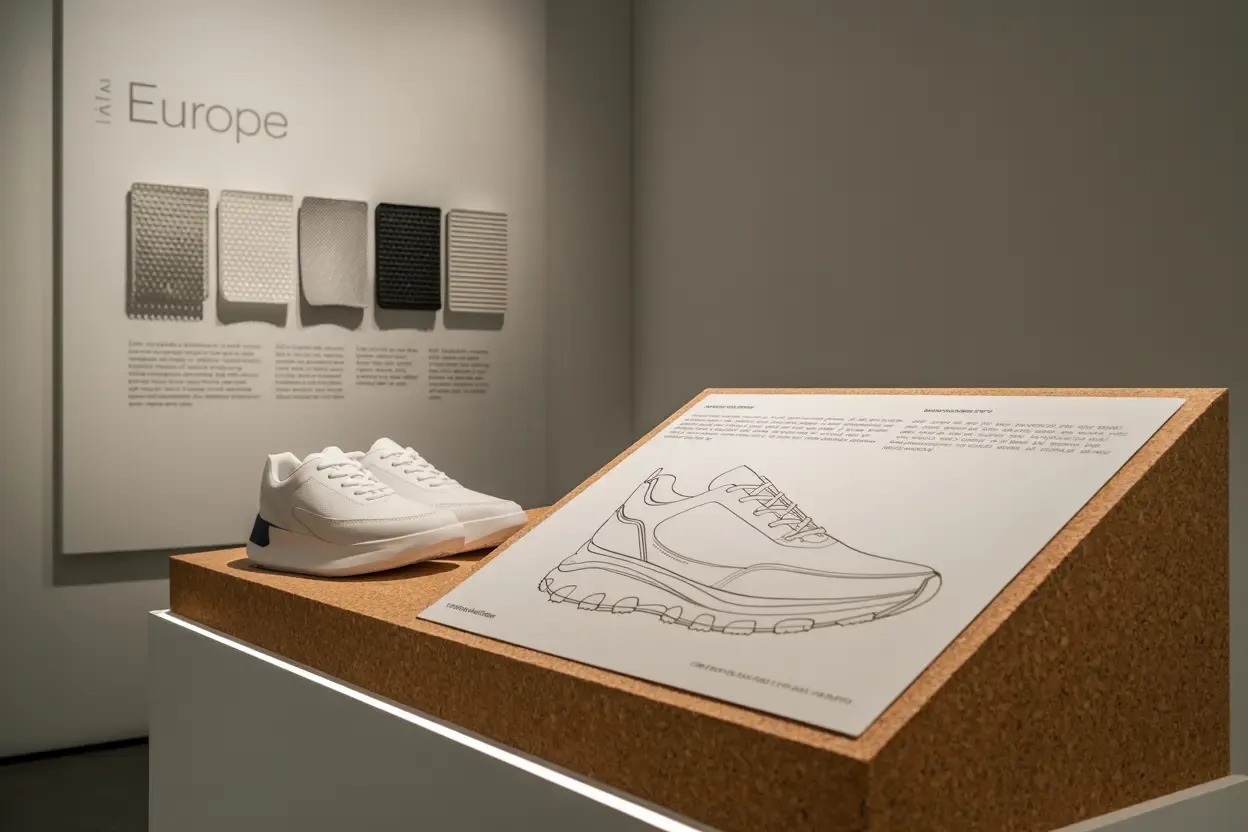
European museums have embraced sneakers too, often framing them inside bigger conversations about design, fashion, and social history. The Design Museum in London put on "Sneakers Unboxed: Studio to Street," curated by Ligaya Salazar. It dug into the design process, the role of subcultures, and the resale market. The mix ranged from classic performance shoes to high-fashion takes by brands like Balenciaga. It also confronted current issues, including sustainability in the industry. And it leaned into interactivity with an augmented reality experience that let visitors virtually try on a sneaker. Even with pandemic-era challenges, it became a major success and broke attendance records for its gallery space.
In Paris, the Musée de l'Homme exhibition "Sneakers, les baskets entrent au Musée" traced sneaker history from the start and highlighted innovations like rubber. It also looked at sneakers as counter-culture markers and fashion statements. European institutions often take this approach, treating sneakers as major objects of mass consumption with real roles in social change.
Even museums with deep shoe roots—like the Northampton Museum and Art Gallery in the UK, which has one of the world's largest shoe collections—have hosted exhibitions like "From Sport to Street." That show traced the training shoe from early examples all the way to modern icons, underlining how woven sneakers are into fashion and social history.
Asia-Pacific: A Growing Stage for Global and Local Flavor
Asia-Pacific has become a major stop for international sneaker tours, and the strongest shows also add local flavor. "Sneakertopia: Step Into Street Culture" at the ArtScience Museum in Singapore is a good example. As the Asian premiere, it showcased over 100 limited-edition sneakers alongside murals and installations by local artists. The exhibition celebrated the crossover into art, entertainment, and technology through immersive zones, and it even included pieces lent by Singaporean popstars (similar to the influence seen in K-Pop sneaker culture). Bringing local creatives and narratives into the mix makes a global phenomenon feel personal to the regional audience.
When "Out of the Box" toured to the Art Gallery of Western Australia, it ran a #mysneakerstory Instagram campaign that invited locals to share personal sneaker stories. That kind of community-first approach helps visitors connect their own lives to what's in the cases. In Australia, the touring "Sneakers Unboxed" exhibition at HOTA Gallery also included sneakers from the archives of the Australian publication Sneaker Freaker, highlighting local contributions to the culture. Even when the exhibition is international, the best versions make room for the local angle.
Building a truly global picture is tricky, since a lot of the documentation is in English and it's easy to mix up museum exhibitions with conventions or pop-ups. Still, the bigger pattern is clear: sneakers are firmly in the museum conversation.
More Than Just Looking: What Happens When Kicks Go on Display?
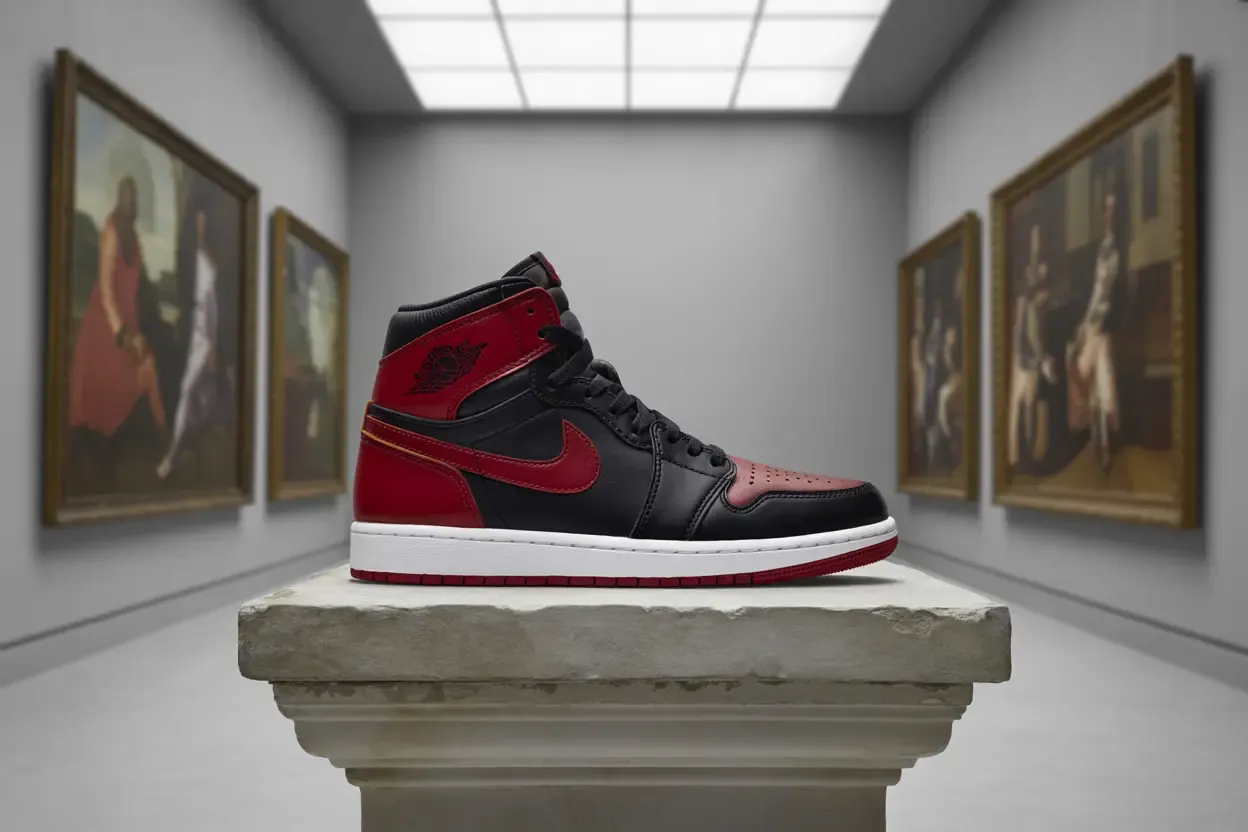
These exhibitions aren't static. They pull in new crowds, spark debate, and make a familiar object feel strangely new.
Counting the Footfall (Pun Intended!)
The most obvious impact shows up in visitor numbers and demographics. The "Virgil Abloh" exhibition at MCA Chicago brought in a wave of young visitors, including plenty of people who weren't regular museum-goers. "Sneakers Unboxed" in London broke attendance records, too. Pop-culture exhibitions—especially those tied to figures or movements with broad appeal—bring new audiences in. Getting consistent, comparable visitor data across every exhibition is difficult, but the examples we do have point to major engagement.
The Digital Echo: Hype Beyond the Hallways
An exhibition doesn't stop at the exit. Social media extends it, amplifies it, and keeps it circulating long after closing day. Museums create hashtags, run campaigns that invite personal stories, and build augmented reality experiences. The Design Museum's "Sneaker 0" AR filter shows how tech can carry an exhibition onto the platforms people already use daily. Curators have also pointed out how effective social media is for promotion. For a culture so tied to online communities and trends, the digital footprint is part of the exhibition's real-world impact.
Designing the Experience: Making Sneakers Shine
Display choices matter. A sneaker can't just sit on a pedestal and expect the room to do the rest. Exhibition designers have leaned into immersive, high-energy formats that match sneaker culture: multimedia elements, themed zones, and interactive moments. The "Virgil Abloh" show, designed by Rem Koolhaas's firm OMA*AMO, was built as a full environment. "Sneakertopia" created ten distinct immersive zones. Even a Bata Shoe Museum show about 1980s consumerism turned the gallery into an 80s-style shopping mall to set the mood. The goal isn't only to show objects; it's to build an experience that fits the subject.
The Big Question: Are Sneakers Art Now?
This is the conversation that always comes up, isn't it? When you see a sneaker in a museum, curated and presented with the same care as a painting or sculpture, it inevitably makes you wonder about its status.
What Do the Curators Think?
The curators behind these shows treat sneakers as far more than footwear. Elizabeth Semmelhack regularly points to their complex social histories and cultural significance. In her framing, sneakers are status symbols, design canvases, and objects that reflect innovation and our relationship with the future. Her upcoming "Art/Wear" exhibition directly questions what “art” means in the context of artist-sneaker collaborations. She argues these partnerships challenge traditional boundaries and feed an ongoing debate about what art is today. She has also noted that sneakers can act as a unique canvas for men to experiment with color and pattern, framing them as "investments" that make engaging with fashion feel more approachable for some men.
Ligaya Salazar, from the Design Museum, calls sneakers "one of the most ubiquitous designed objects" globally. She emphasizes their role in subcultures, their design evolution, and their "democratising" power as vehicles for identity, especially for young people from diverse backgrounds who've been pivotal in making certain sneakers iconic.
Other curators echo these ideas, viewing sneakers as expressions of personal identity, reflections of pop culture, and objects that carry memories and stories. There's a clear consensus within the museum world that sneakers are rich cultural texts, absolutely deserving of serious examination and public display.
How Did the Critics Respond?
Critics have largely been on board. Major publications review these exhibitions and call out the cultural weight and design ingenuity on display. "Sneakers Unboxed" earned strong reviews and was described as a "technicolour medley" that covered themes from identity to ecological impact. Coverage of exhibitions like "Virgil Abloh" from established art and culture outlets also signals that sneakers, in his context, are treated as a serious subject. Many reviews praise how these shows tell complex stories and push past the idea of sneakers as purely commercial products. They don't always stamp a sneaker as “art,” but reviewing them like this still gives them institutional validation.
Where Academics Come In
It's not only museums and critics. Scholars study sneakers through material culture and fashion theory, which gives a framework for why these objects belong in museums. Research explores how trainers can function as "body prosthetics," shaping how people express identity across gender, class, and age. It also points out that, despite how common shoes are, they've often been "materially invisible" in academic discussion. Museum exhibitions help fix that by making sneakers physically and conceptually visible. This link between exhibitions and scholarship reinforces the cultural and intellectual legitimacy of sneaker studies.
The Sneakerverse and the Museum Bump: What About the Market?
Okay, let's talk about the elephant in the room (or maybe the rare Air Jordan). These museum exhibitions are happening at the same time the sneaker resale market has absolutely exploded. We're talking a multi-billion dollar ecosystem where some shoes fetch insane prices.
The Resale Game
The secondary market is huge. It's fueled by limited releases, celebrity and artist collaborations (sometimes even anime-inspired), and nonstop social media buzz. StockX and GOAT are major players. Rarity, exclusivity, and release "hype" push prices far above retail. And unlike most clothing, sneakers can function as serious investments.
Does Being in a Museum Jack Up the Price?
This is hard to prove with a clean cause-and-effect chart. Museums tend to feature sneakers that are already rare, culturally significant (sometimes even iconic from cinema), and expensive on the resale market. So did the museum create the value, or did the value get them into the museum? It's probably both.
Still, a sneaker displayed in a major museum gains institutional validation. That stamps it as a cultural artifact, which can increase desirability and the sense of long-term collectibility. It doesn't automatically trigger an overnight price spike (too many factors move the market), but it adds cultural cachet. Seeing Louis Vuitton x Kanye West Jaspers or rare Off-White x Nike prototypes in a museum setting reinforces their iconic status. Auction houses like Sotheby's now treat sneakers as "a respected commodity, a piece of art," which wasn't always the norm. A museum context also implicitly supports authenticity and historical importance—both highly valued in a market where fakes are a real concern.
So while it's tough to put a number on the “museum effect,” cultural endorsement likely sustains or even strengthens a sneaker's value over time by putting it in front of new audiences, including art collectors. Framing sneakers as "investments" in these spaces also feeds the market narrative.
Stepping into the Future: What's Next for Sneakers in Museums?
Looking back over the last decade and a half, sneakers have firmly established a place in museum exhibitions and scholarly discussion worldwide. The range is wide: broad historical surveys, deep dives into design, technology, and the overlap with art. These shows attract diverse crowds and use digital tools to engage people in new ways. Curators increasingly frame sneakers not just as design objects or commercial products, but as complex cultural artifacts loaded with social history and artistic potential.
The relationship with the resale market is a complex layer to this story. While museums validate the cultural importance of sneakers, that validation inevitably intersects with a market driven by hype and scarcity. This "art versus commodity" discussion is likely to continue as museums navigate the commercial realities tied to these cultural objects.
The narrative isn't static. Future exhibitions are already looking at sustainability, virtual footwear, and deeper socio-economic implications. The conversation is moving beyond “cool shoes” and toward what sneakers mean in a rapidly changing world.
Museums aren't passive observers here. By choosing to exhibit sneakers, and by deciding how to frame and interpret them, they shape public perception and help define what these objects mean. The journey of sneakers into museums is one of the more interesting chapters in how we define art, culture, and value today.