Founder & Lead Editor
Federico D'anna
Federico D'anna has spent 9 years reviewing sneakers with a methodology built on hands-on wear notes, side-by-side comparisons, and verified buyer feedback.
Learn more about Federico D'annaHighlights
Positive
- Incredible grip from the PWRTRAC rubber outsole.
- Balanced cushioning that feels responsive and protective.
Negative
- Tapered toe box can feel snug for some runners.
Saucony Peregrine 14 Sizing & Fit Guide
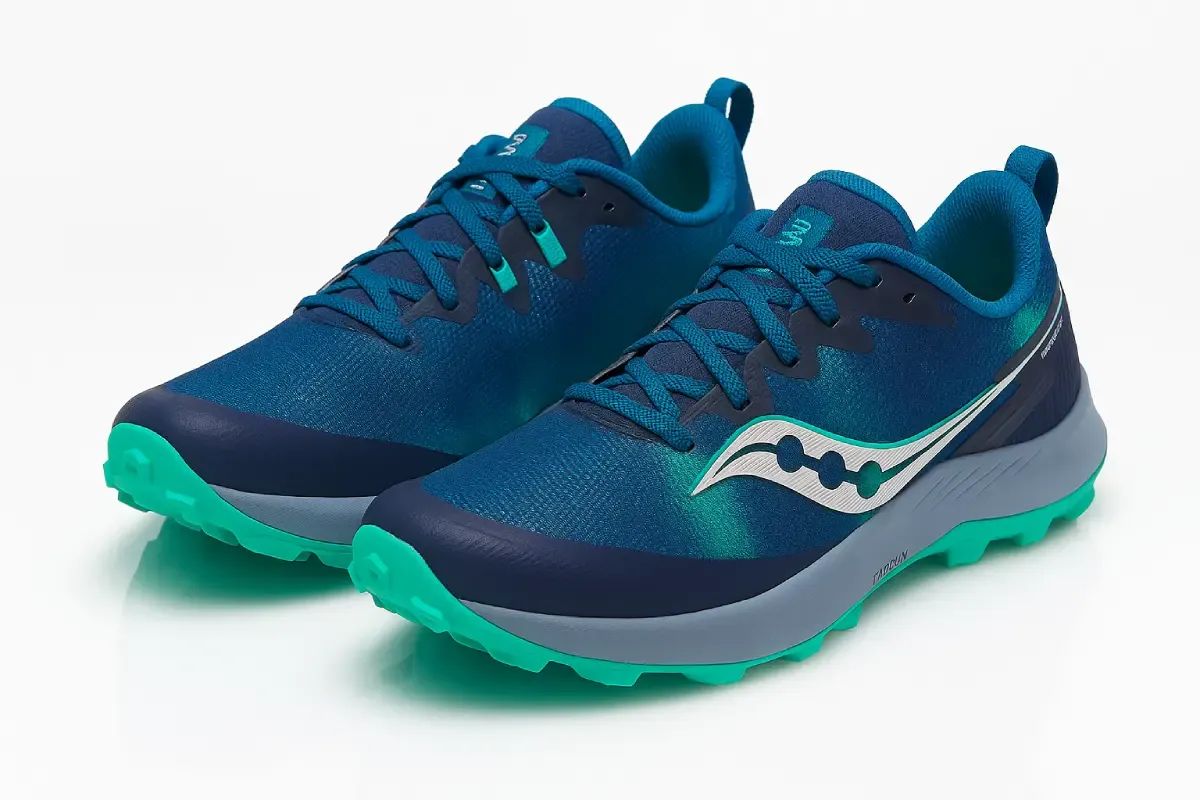
The Saucony Peregrine 14 establishes a highly competitive baseline in the trail footwear market, delivering a reliable true-to-size (TTS) profile in linear length combined with an exceptionally roomy toe box. Engineered to provide immediate lateral relief, its spacious forefoot architecture permits natural foot splay, preventing standard friction or compression injuries during long-distance trail sessions. Conversely, the upper secures the midfoot and heel with a snug performance wrap designed to eliminate heel slippage on technical terrain. Anchored by a firm, responsive midsole, the platform favors ground feedback and structural stability over plush cushioning, maintaining a highly consistent and predictable fit right out of the box with zero required break-in time.
Compare your current pair to find the best size match.
| Reference Shoe | Your Usual US | Buy in US | Your Usual EU | Buy in EU | Fit Notes |
|---|---|---|---|---|---|
| Altra Lone Peak | 10 | 10.5 | 44 | 44.5 | Sizing up a half-size is noted by users transitioning from Altra's signature foot-shaped toe box, which can make the Peregrine's standard last feel slightly more restrictive by comparison. However, remember the width compensation factor: if you only size up in other brands to acquire extra horizontal space, stick to your true length here, as the Peregrine 14 already provides a remarkably open-toed layout. |
| Salomon X Ultra 4 GTX | 10 | 9.5 | 44 | 43.5 | Users often drop a half-size down from this historically narrow reference shoe. Because Salomon employs a highly tapered, conventional fit, runners frequently size up in them just to get more width. Since the Peregrine 14 features a significantly wider and roomier midfoot and toe box, you must drop back down to your true biological length to avoid excessive longitudinal slipping. |
| Hoka Speedgoat 5 | 10 | 10 | 44 | 44 | Fits true to size (TTS) in direct comparison. The Peregrine 14 serves as a functional spatial upgrade over the Speedgoat's more tapered forefoot. The midfoot lock remains safely snug across both models, but the Saucony completely eliminates the lateral pinky-toe pinching common to standard-width Hoka models without requiring a change in length. |
| New Balance 880v13 | 10 | 10.5 | 44 | 44.5 | A half-size increase provides an optimal length transition from this road-oriented option, accommodating the Peregrine's protective, taller collar. Ensure you isolate length from width adjustments: do not clear a half-size up if your New Balance sizing was artificially inflated to cope with wide feet, as the Peregrine's standard forefoot is inherently generous. |
Does the Saucony Peregrine 14 run true to size?
Yes, the Saucony Peregrine 14 is widely considered true to size (TTS) regarding linear length. Reviewers across successive generations confirm that runners can safely purchase their standard US athletic shoe size. The primary consideration when buying is evaluating your personal width preferences and midsole density needs rather than correcting for a length discrepancy.
Is the Saucony Peregrine 14 good for wide feet?
Yes, the shoe features an exceptionally roomy toe box that naturally accommodates wider forefeet and allows for anatomical toe splay. However, the standard D-width last is engineered to comfortably lock down average to narrow foot profiles through the midfoot. Experienced testers explicitly recommend that individuals with structurally wide feet opt for the specialized 'wide fit' version to achieve an optimal experience.
How is the arch support on the Saucony Peregrine 14?
The Saucony Peregrine 14 utilizes a firm, responsive EVA midsole that creates a lower, flatter platform directly under the arch. Runners accustomed to high-drop, plush, or maximalist cushioning may initially perceive the platform as less supportive or flat. It is built to prioritize a grounded, stable trail feel rather than soft arch contouring. Because the dense foam resists compression, the fit will not stretch or mold significantly over time, ensuring the arch profile remains completely uniform from day one.
Ready to experience the Saucony Peregrine 14 Review?
Get yours today with fast shipping from Amazon
The Saucony Peregrine is a staple in the trail world, and the 14th version is all about keeping that “do-it-all” reputation alive. It's long been the versatile workhorse that can handle a wide mix of off-road conditions. The changes here are subtle, so the real question is simple: does it stay a top-tier all-rounder, or does it blend into the crowded trail market? We dug into specs, reviews, and real-world feedback to see if the Peregrine 14 still flies.
Quick Take
Overall Rating: 4.4/5
Best For: Daily training, runners seeking a balance of cushioning and ground feel, and tackling varied trail conditions..
Key Strengths: Exceptional grip from the PWRTRAC outsole, improved upper durability, and a comfortable, responsive ride suitable for moderate to long distances.
Notable Limitations: Tapered toe box can be restrictive for wide-footed runners, and some users report durability concerns with the exposed midsole foam.
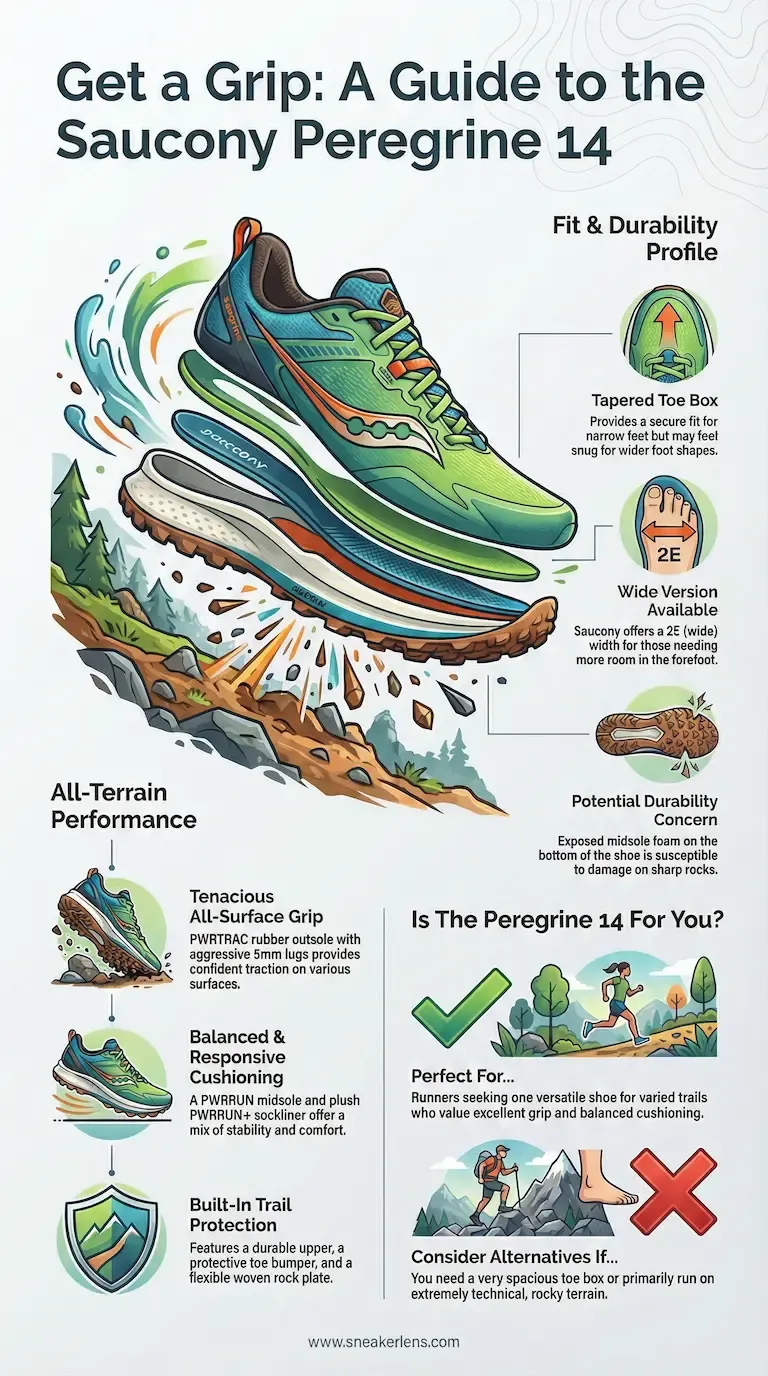
Visual Snapshot Summary
What Makes the Saucony Peregrine 14 Stand Out?
The Peregrine 14 doesn't try to reinvent the wheel, and it doesn't need to. The whole point is balance. It blends trail-ready features with a ride that doesn't feel punishing on road-to-trail sections, which is why it works as a daily trainer for runners who mix surfaces. The outsole is still the magic: PWRTRAC rubber with aggressive 5mm lugs that bite into wet rock, loose gravel, and mud. And unlike some trail shoes that feel like cleats on pavement, this one transitions surprisingly smoothly.
The real update is the upper. It feels more premium, more comfortable, and—most importantly—more durable than the previous version, which had some premature wear complaints. They also tweaked the cushioning with a PWRRUN+ sockliner on top of the PWRRUN midsole, adding a slightly softer, bouncier feel without giving up stability. As one runner put it, they offer "excellent grip in almost any trail condition" and a "great sense of confidence". That mix of grip, comfort, and versatility is why so many people keep coming back to the Peregrine line.
Real Customer Experiences
Overall, users seem really happy with the Peregrine 14, especially the grip and the improved comfort. A lot of returning Peregrine runners say the 14 feels more comfortable and a bit roomier than older versions.
- Exceptional Grip: The most consistently praised feature is the PWRTRAC outsole. Users confirm it provides "excellent grip" on a variety of surfaces, from wet rocks to muddy trails, giving them a secure and confident feeling.
- Improved Comfort & Fit: Many reviewers find the shoe comfortable right out of the box, with a "nice balance of cushion and responsiveness". The addition of the plush PWRRUN+ sockliner is a noticeable improvement. One user specifically mentioned, "These are the most comfortable shoes I've had in a while. I use them for... 12-hour shifts on concrete... and they are amazing."
- Durability Concerns: While the upper has been improved, a recurring complaint centers on the exposed foam on the outsole. A reviewer on REI noted, "There is a section of exposed foam on the bottom that is problematic... the foam on my pair is already starting to get chewed up after only ~50 miles." This seems to be a key area where the shoe could be improved.
Design and Build Quality
The Peregrine 14 is built like a versatile trail machine. The upper uses a durable, tight-weave engineered mesh that balances breathability with debris protection. You get a solid toe bumper for rocks and roots, and the lacing system (standard eyelets plus fabric loops) helps lock the midfoot down securely.
Underfoot, you have a dual-density cushioning setup. The main midsole is firm and responsive PWRRUN foam, which gives the shoe its stable and agile feel. On top of that, there's a cushy PWRRUN+ sockliner that adds a layer of immediate comfort and bounce right against your foot. Sandwiched in between is a flexible woven rock plate, which is great for deflecting sharp objects without making the shoe feel overly stiff.
The star of the show, however, remains that full-length PWRTRAC rubber outsole. It's sticky, durable, and features aggressive 5mm lugs in a chevron pattern that bite into almost any surface. The main reported weakness in the build is the exposed foam on the sole, particularly in the heel area, which some users have found to wear down or tear prematurely on technical terrain. At around 9.4oz (266g) for a men's size 9, it hits a sweet spot, feeling light and nimble without sacrificing protection.
Comfort and Fit
Fit really comes down to foot shape. Most users and reviewers agree it's true to size in length. The defining trait is the toebox. The midfoot feels secure and locked in, but the forefoot is polarizing because it tapers toward the toes. Runners with medium to narrow feet often like that precise fit. But plenty of runners, especially with wider feet, call it “super tight,” especially on longer runs when feet swell.
Love the comfort features?
See current availability and pricing
The good news? Saucony does offer the Peregrine 14 in a 2E (wide) width, which is a fantastic option if you like the shoe but need more room up front. In terms of break-in, the shoe feels pretty good straight out of the box thanks to the soft sockliner and flexible upper materials. One reviewer even noted, "I wore them straight out of the box for a 10K trail race with no issues... so I'd say the break-in period is minimal to none."
Style and Versatility
The Saucony Peregrine 14 has a look that screams "trail runner." It's rugged, with aggressive lugs and a protective build that clearly prioritizes function over fashion. However, thanks to some modern design cues and a range of colorways from bright and bold to more subdued, it doesn't look out of place on city streets.
This isn't your sleek, minimalist sneaker for a dinner date, but it's perfect for what it is: a highly capable outdoor shoe. It's an excellent choice for hiking, navigating messy park trails, or as a reliable travel shoe when you know you'll be on your feet all day, on varied surfaces, and might encounter some bad weather. Its "go-anywhere" vibe fits well with the "gorpcore" trend, pairing easily with hiking shorts, joggers, or technical pants.
Quality and Durability
Overall, the build quality of the Peregrine 14 feels solid, especially with the updated upper which has addressed the delamination and tearing issues of its predecessor. The PWRTRAC rubber outsole is also known for its excellent longevity, holding up well to many miles of mixed-terrain use.
The primary concern, however, lies in the midsole's exposure. Several users have reported that the areas of exposed EVA foam on the bottom of the shoe, particularly a slot in the heel, are susceptible to damage from sharp rocks [16]. One user mentioned, "The biggest weakness... is the exposed foam on the outsole... I've already got a small tear in that area after just 30 miles of pretty tame trails." This design choice seems to be a trade-off for weight saving and flexibility, but it's a potential weak point for those tackling very technical or rocky terrain.
Decision Matrix
| Scenario | Comfort | Breathability | Rain/Grip | Style |
|---|---|---|---|---|
| Casual Wear/Errands | ✓ | ✓ | ✓ | ○ |
| Light Hiking | ✓ | ✓ | ✓ | ✓ |
| Trail Running (Mixed Terrain) | ✓ | ✓ | ✓ | ✓ |
Legend: ✓ = Good | ○ = Average | ✕ = Poor
Further Reading
Who Should Buy
Perfect For
- Runners looking for one shoe that can handle a variety of trails, from smooth singletrack to muddy paths and rocky ascents.
- Those who appreciate a balance of cushioning and responsiveness, without feeling disconnected from the trail.
- Runners who need a reliable, durable daily trainer for building mileage.
- Anyone who values excellent grip above all else; the PWRTRAC outsole is a top performer.
Consider Alternatives If
- Runners with wide feet who need a very spacious toe box (though the 2E width might be an option).
- Those who primarily run on very rocky, sharp, or technical terrain, as the exposed midsole foam could be a durability concern.
- Runners seeking a max-cushioned shoe for ultramarathon distances.
Final Verdict
The Saucony Peregrine 14 continues its legacy as the "do-it-all" workhorse of the trail world. It's not a radical departure from its predecessor, but it refines the formula with a more comfortable and durable upper while retaining the stellar grip and balanced ride that fans love. It's responsive, protective, and versatile. While the tapered toe box won't suit everyone and the exposed midsole foam is a slight concern, its overall performance-to-price ratio is outstanding. If you're looking for one reliable shoe that can confidently tackle nearly any trail you throw at it, the Peregrine 14 is an excellent choice. Browse our full Saucony collection to find your perfect pair.
As an Amazon Associate we earn from qualifying purchases. This helps support our site so we can keep bringing you the best content!
Frequently Asked Questions
Is the Saucony Peregrine 14 good for hiking?
What is the difference between the Saucony Peregrine 13 and 14?
Is the Saucony Peregrine 14 durable on rocky, technical trails?
Related Reviews
Saucony Endorphin Speed 5 Review
Saucony Endorphin Speed 5 Review: A versatile, durable performance trainer with a carbon plate. Discover why it's the top choice for daily speed.
Saucony Triumph 22 Review
Read our in-depth Saucony Triumph 22 review. We analyze the new PWRRUN PB midsole, durability, and fit. Is this max-cushion trainer right for you?
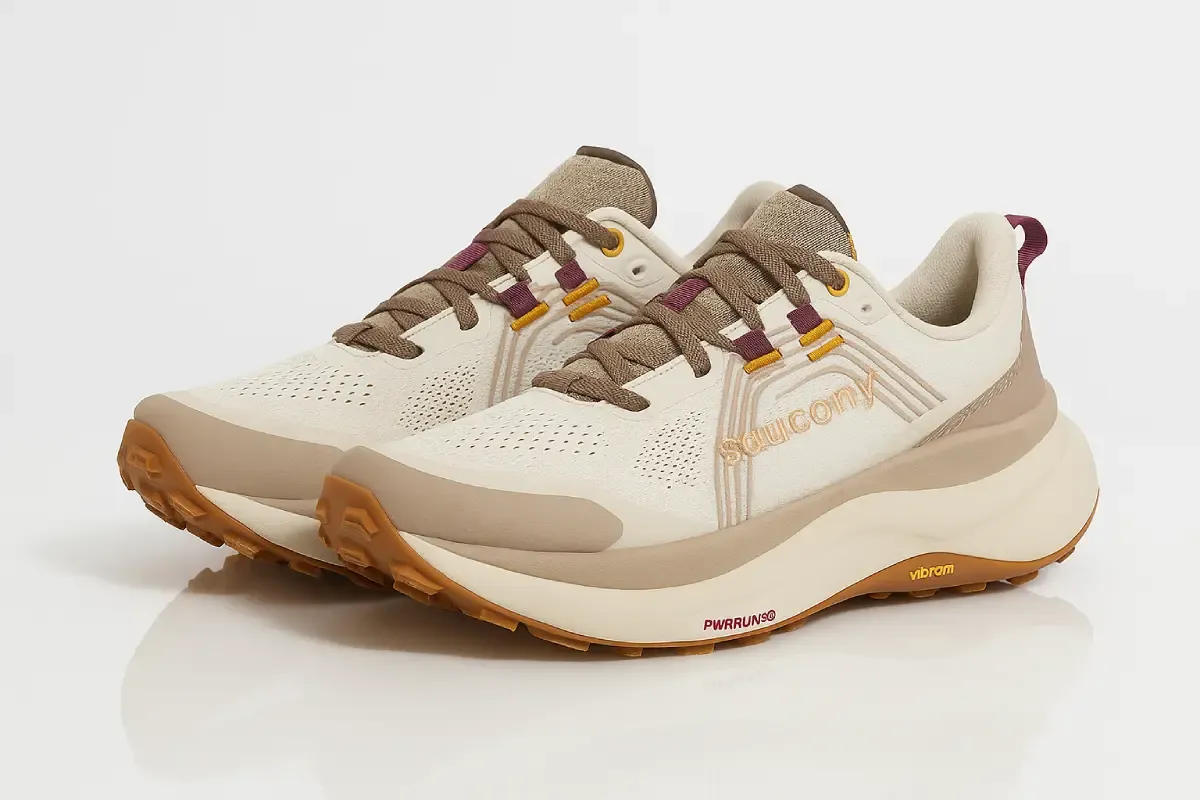
Saucony Xodus Ultra 4 Review
A detailed review of the Saucony Xodus Ultra 4. Is this the ultimate long-distance trail shoe? We test the grip, cushioning, and durability.
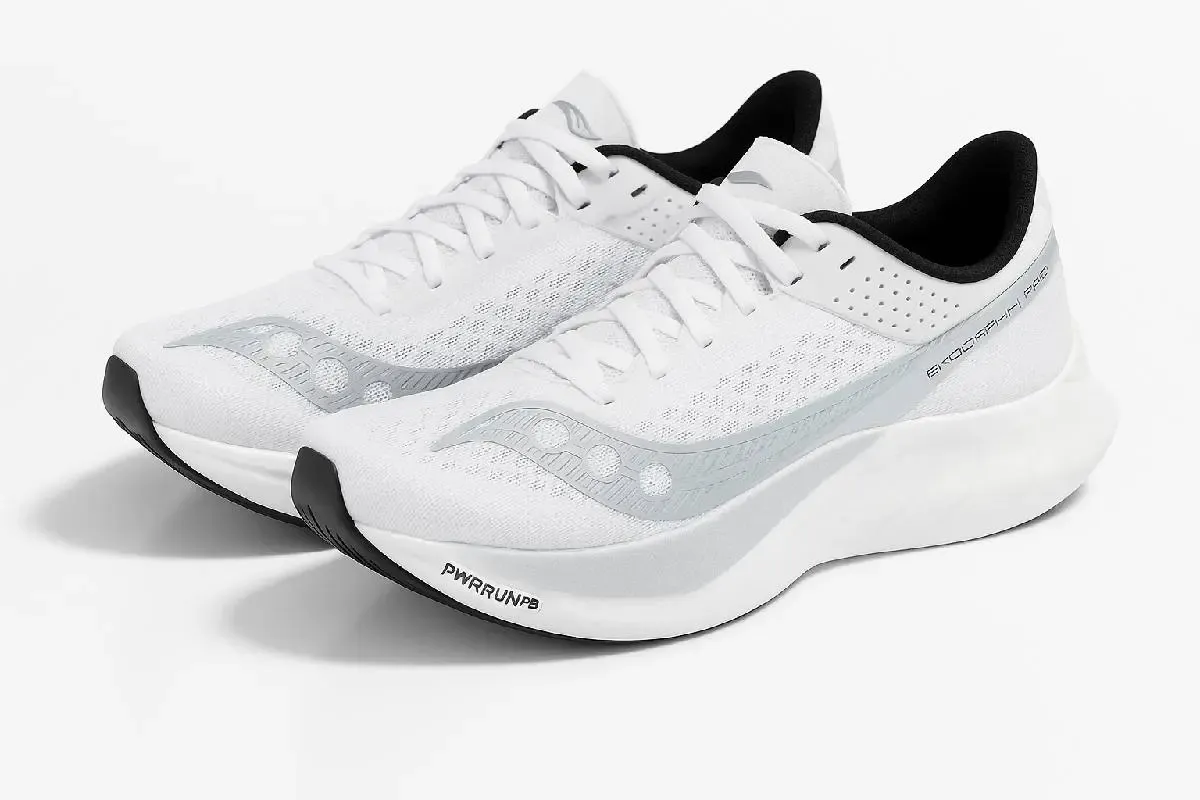
Saucony Endorphin Pro 4 Review
Get an in-depth review of the Saucony Endorphin Pro 4. Is this durable, comfortable, and versatile carbon-plated racer the right supershoe for you?
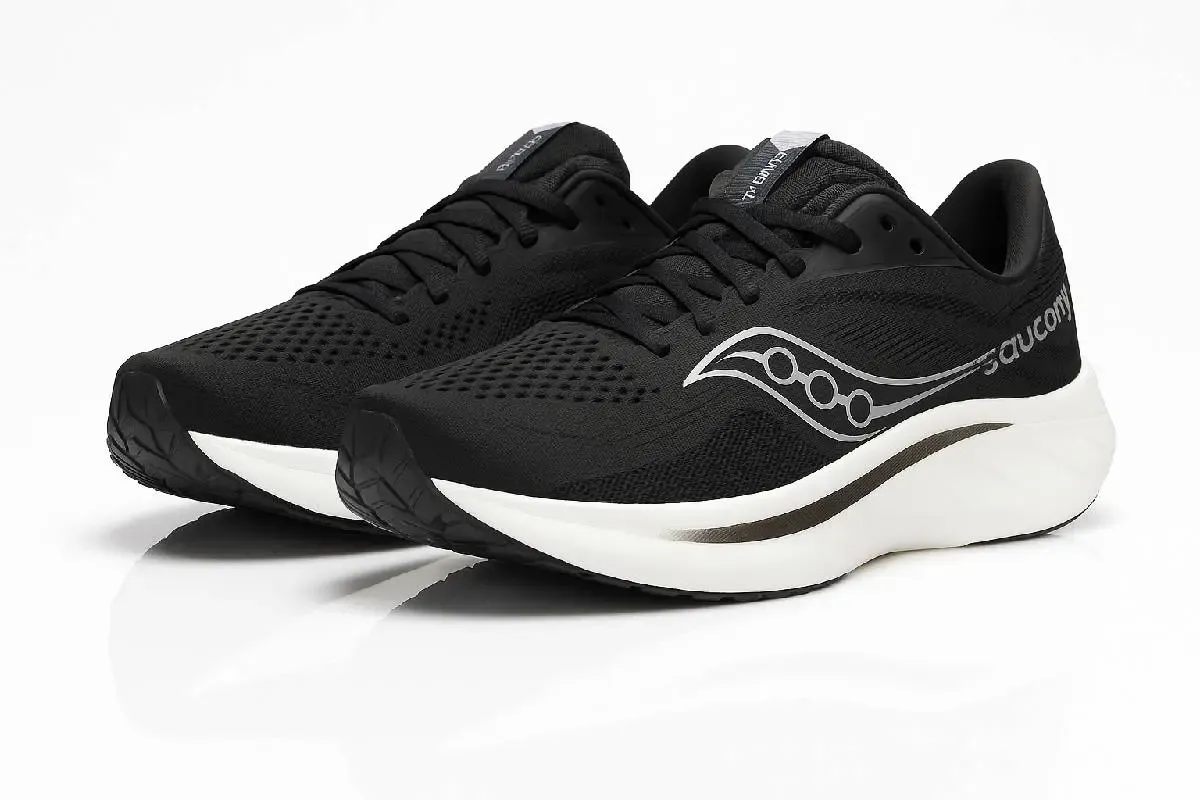
Saucony Ride 18 Review
An in-depth review of the Saucony Ride 18 running shoe. Learn about its new PWRRUN+ midsole, upgraded upper, performance, and who it's best for.
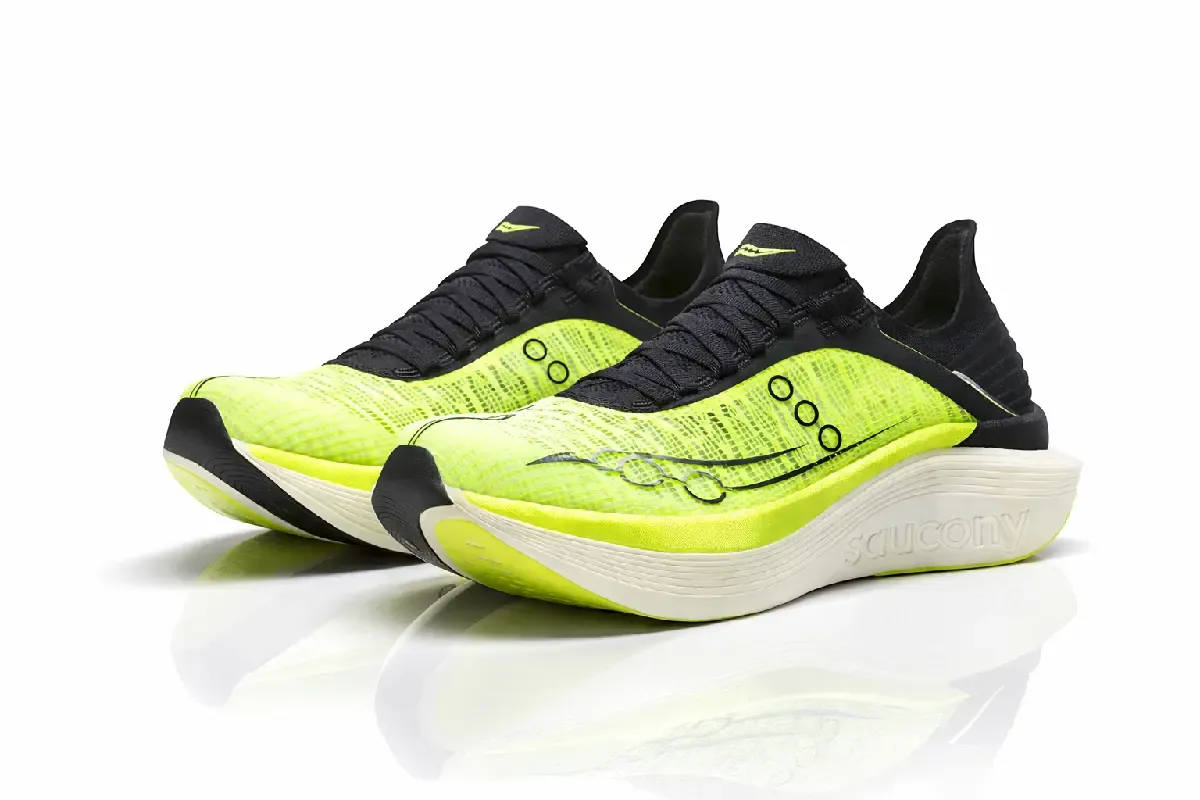
Saucony Endorphin Elite 2 Review
Saucony Endorphin Elite 2. A detailed look at the plush, carbon-plated racer. See how it stacks up against Nike & Adidas for marathon speed.