Short answer
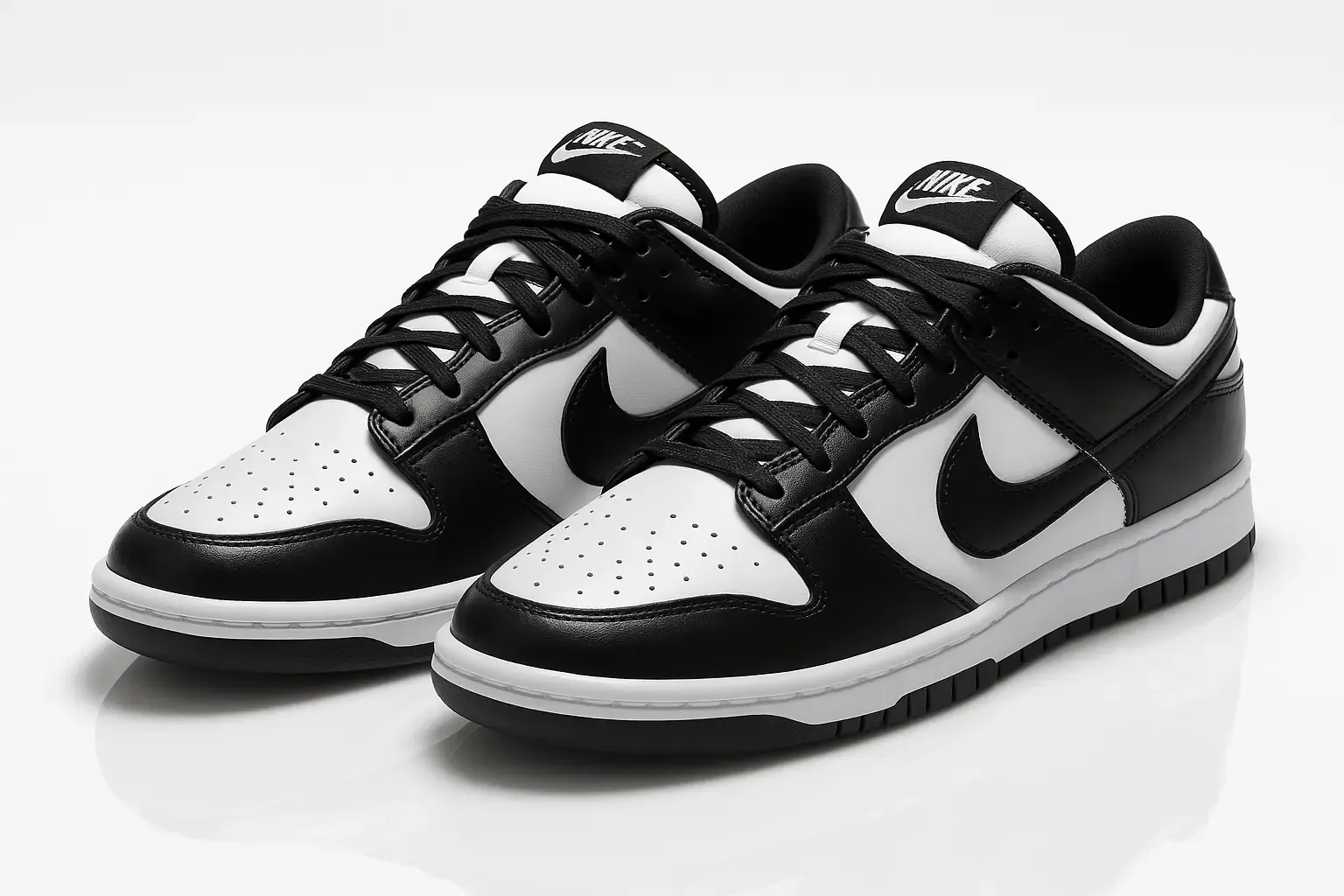
The Nike Dunk Low is a heritage-driven silhouette that adheres to a True to Size (TTS) standard, utilizing a 1980s last that prioritizes lateral stability through its rigid rubber cupsole. Navigating its fit requires specific attention to internal volume disparities, especially when transitioning from the oversized Air Force 1 or the heavily padded SB Dunk variant.
Runs true to size
Cross-sizing: what size to buy
Find a shoe you already own and read across to the Nike Dunk Low size to buy.
| Reference Shoe | US | EU | ||
|---|---|---|---|---|
| Your usual | Buy | Your usual | Buy | |
| Nike Air Force 1 | 10 | 10.5 | 44 | 44.5 |
| Adidas Samba | 10 | 9.5 | 44 | 43 |
| Nike SB Dunk Low | 10 | 9.5 | 44 | 43 |
| Air Jordan 1 Low | 10 | 10 | 44 | 44 |
-
Nike Air Force 1
Your usual Buy US 10 10.5 EU 44 44.5 -
Adidas Samba
Your usual Buy US 10 9.5 EU 44 43 -
Nike SB Dunk Low
Your usual Buy US 10 9.5 EU 44 43 -
Air Jordan 1 Low
Your usual Buy US 10 10 EU 44 44
Fit Notes
- Nike Air Force 1
- The Air Force 1 features a significantly larger internal volume and a thicker midsole, often running a half-size large. To achieve a proper fit in the Nike Dunk Low, you must increase by 0.5 from your AF1 size to match your actual measured foot length and ensure proper toe-box clearance.
- Adidas Samba
- The Samba utilizes an extremely narrow, tapered last that often forces wearers to size up just to accommodate foot width. Because the Dunk Low features a more accommodating rounded toe box, you should return to your true length—which is typically 0.5 size down from the size you wear in narrow European silhouettes like the Samba.
- Nike SB Dunk Low
- The SB version is engineered with a 'fat' padded tongue and internal elastic gussets that significantly compress the foot. The standard 'Retro' Dunk Low lacks this internal padding and the thick Zoom Air insole, creating more internal room; therefore, a half-size smaller than your SB size will provide a comparable fit.
- Air Jordan 1 Low
- Both models utilize nearly identical 1985-era tooling and a similar low-profile last. While the Dunk Low offers a slightly wider feel in the toe box compared to the AJ1's more tapered profile, they both function as consistent True to Size models and should be purchased in the same size.
Sizing FAQ
Does the Nike Dunk Low run true to size?
Yes, the vast majority of users should purchase their standard Nike size. The shoe provides a secure fit that is consistent with global athletic standards. If you wear a US 10 in most Nike runners or the Air Jordan 1, a US 10 in the Dunk Low will be the correct choice.
Is the Nike Dunk Low good for wide feet?
The Nike Dunk Low is moderately good for wide feet due to its rounded toe box, but it is not a 'wide-fit' shoe. Those with significantly wide feet (E width or higher) are strongly advised to go up a half size (0.5) to avoid pressure on the metatarsals and the pinky toe, which can be restricted by the non-stretch rubber cupsole.
How is the arch support on the Nike Dunk Low?
The Nike Dunk Low provides very basic, flat arch support typical of 1980s basketball footwear. It is excellent for stability and flat-footed users, but may cause fatigue for those with high arches. Fortunately, the insoles are removable, making the shoe highly compatible with supportive aftermarket orthotics.
Specs & Sizing
| Weight | 420 g |
|---|---|
| Retail price | $120 |
| Price on Amazon | 80-150 |
| Release year | 1985 |
| Upper | Leather |
| Midsole | Foam |
| Outsole | Rubber |
| Fit & sizing | True to size |