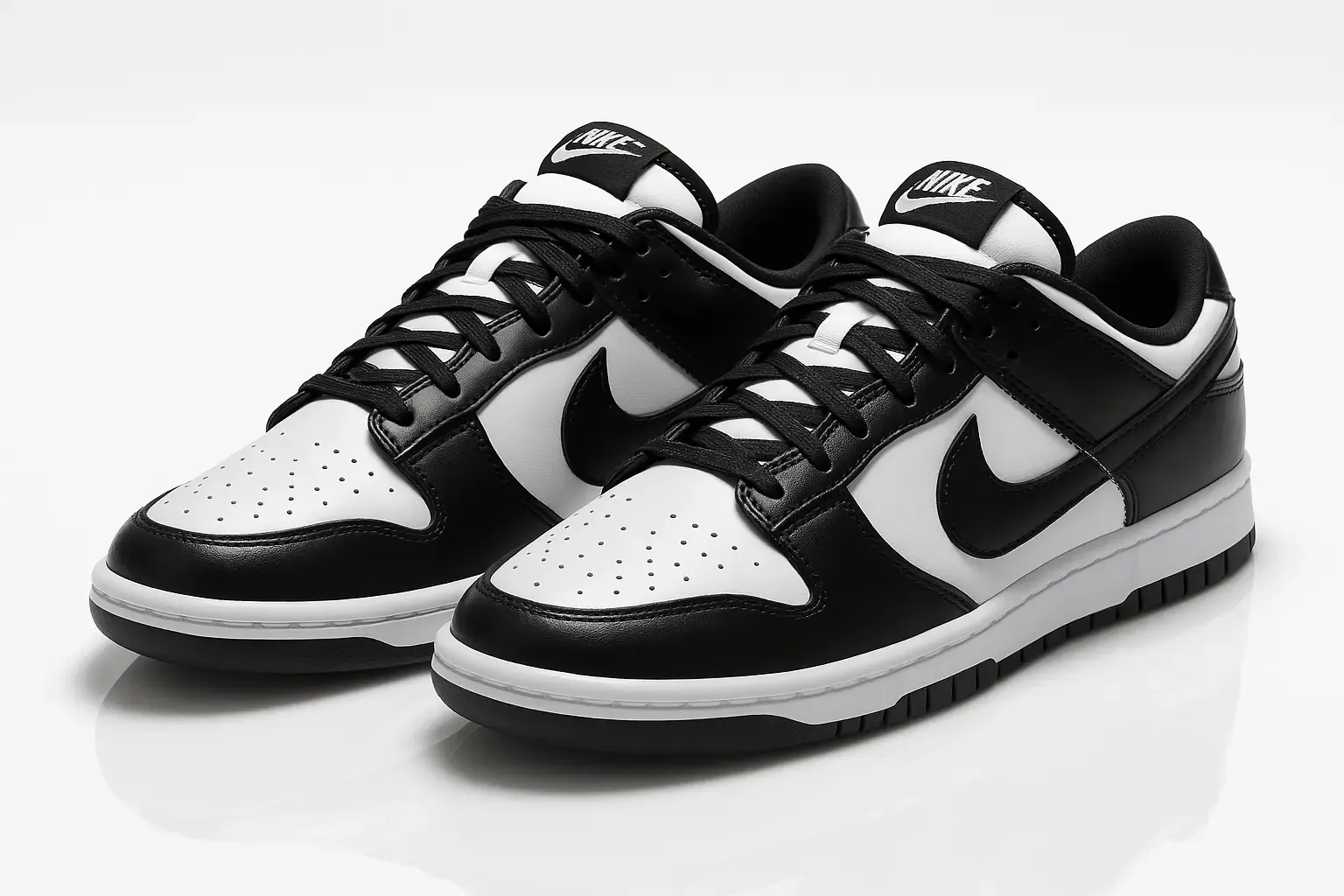
Founder & Lead Editor
Federico D'anna
Federico D'anna has spent 9 years reviewing sneakers with a methodology built on hands-on wear notes, side-by-side comparisons, and verified buyer feedback.
Learn more about Federico D'annaHighlights
Positive
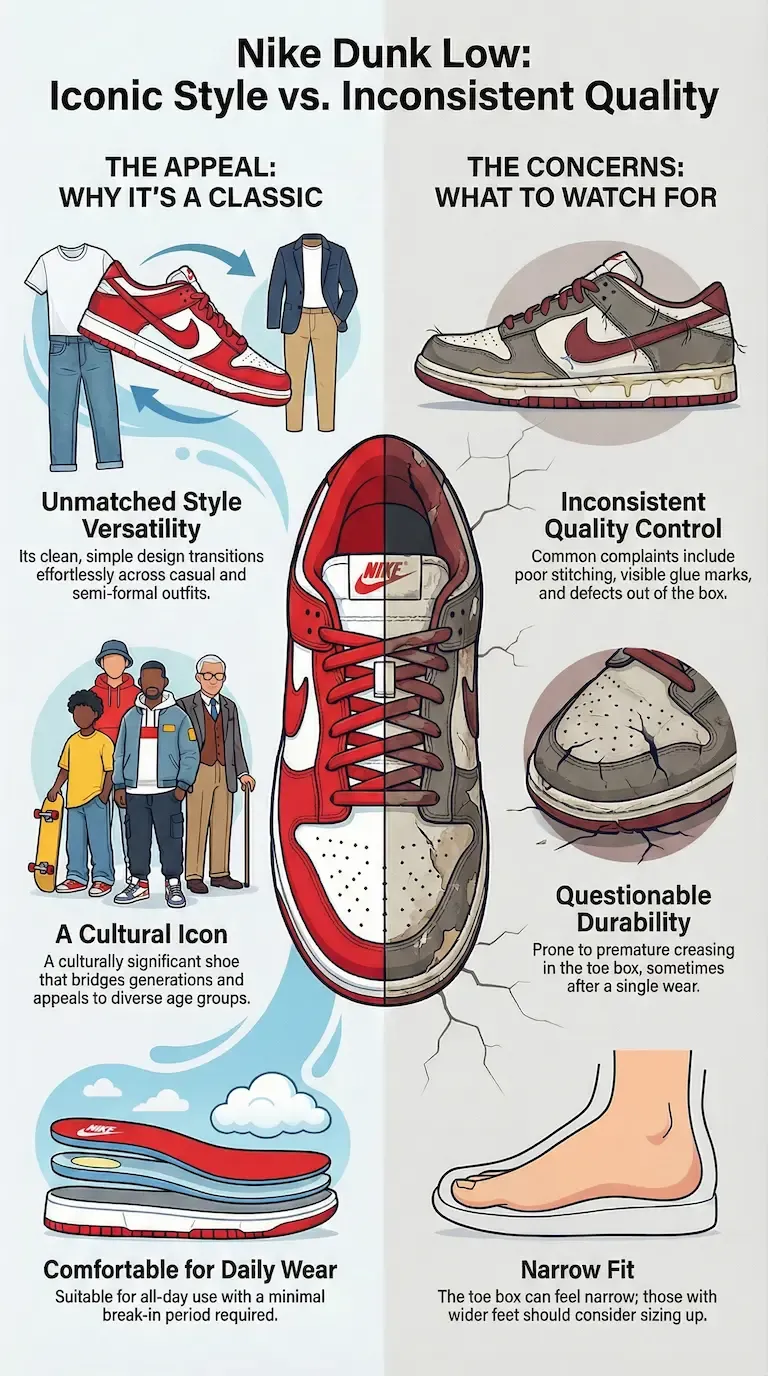
- The simple, clean design transitions effortlessly across various settings and outfits, from casual to semi-formal occasions.
- Multiple reviewers specifically mention the Dunk Low Retro's ability to bridge generations and appeal to different age groups.
Negative
- Premature creasing, particularly in the toe box, stands as the most frequently mentioned durability concern.
Nike Dunk Low Sizing & Fit Guide
The Nike Dunk Low is a heritage-driven silhouette that adheres to a True to Size (TTS) standard, utilizing a 1980s last that prioritizes lateral stability through its rigid rubber cupsole. While the rounded toe box offers moderate room and a snug midfoot lockdown, the leather construction lacks significant elasticity, necessitating a precise fit to avoid the common 'pinky toe pinch'—particularly for wide-footed users seeking lateral relief. Navigating its fit requires specific attention to internal volume disparities, especially when transitioning from the oversized Air Force 1 or the heavily padded SB Dunk variant.
Compare your current pair to find the best size match.
| Reference Shoe | Your Usual US | Buy in US | Your Usual EU | Buy in EU | Fit Notes |
|---|---|---|---|---|---|
| Nike Air Force 1 | 10 | 10.5 | 44 | 44.5 | The Air Force 1 features a significantly larger internal volume and a thicker midsole, often running a half-size large. To achieve a proper fit in the Nike Dunk Low, you must increase by 0.5 from your AF1 size to match your actual measured foot length and ensure proper toe-box clearance. |
| Adidas Samba | 10 | 9.5 | 44 | 43 | The Samba utilizes an extremely narrow, tapered last that often forces wearers to size up just to accommodate foot width. Because the Dunk Low features a more accommodating rounded toe box, you should return to your true length—which is typically 0.5 size down from the size you wear in narrow European silhouettes like the Samba. |
| Nike SB Dunk Low | 10 | 9.5 | 44 | 43 | The SB version is engineered with a 'fat' padded tongue and internal elastic gussets that significantly compress the foot. The standard 'Retro' Dunk Low lacks this internal padding and the thick Zoom Air insole, creating more internal room; therefore, a half-size smaller than your SB size will provide a comparable fit. |
| Air Jordan 1 Low | 10 | 10 | 44 | 44 | Both models utilize nearly identical 1985-era tooling and a similar low-profile last. While the Dunk Low offers a slightly wider feel in the toe box compared to the AJ1's more tapered profile, they both function as consistent True to Size models and should be purchased in the same size. |
Does the Nike Dunk Low run true to size?
Yes, the vast majority of users should purchase their standard Nike size. The shoe provides a secure fit that is consistent with global athletic standards. If you wear a US 10 in most Nike runners or the Air Jordan 1, a US 10 in the Dunk Low will be the correct choice.
Is the Nike Dunk Low good for wide feet?
The Nike Dunk Low is moderately good for wide feet due to its rounded toe box, but it is not a 'wide-fit' shoe. Those with significantly wide feet (E width or higher) are strongly advised to go up a half size (0.5) to avoid pressure on the metatarsals and the pinky toe, which can be restricted by the non-stretch rubber cupsole.
How is the arch support on the Nike Dunk Low?
The Nike Dunk Low provides very basic, flat arch support typical of 1980s basketball footwear. It is excellent for stability and flat-footed users, but may cause fatigue for those with high arches. Fortunately, the insoles are removable, making the shoe highly compatible with supportive aftermarket orthotics.
Ready to experience the Nike Dunk Low Review?
Get yours today with fast shipping from Amazon
Few sneakers have stayed this relevant through as many ups and downs as the Nike Dunk Low. It started in 1985 as team gear for college basketball players as part of the legendary "Be True to Your School" campaign. Since then, it has grown into one of the defining shoes of the 2020s. What began on the court is now a full-on lifestyle heavyweight.
But once a shoe gets this popular, the hype can drown out the obvious question: is it actually good? Having worn and handled hundreds of pairs over the years, I've watched the Dunk move from outlet shelves to luxury resell sites and back again. So let's strip away the marketing and look at the standard Nike Dunk Low for what it really is. Is it a timeless classic that deserves a place in your rotation, or an uncomfortable throwback riding on nostalgia? Let's get into it.
Quick Take
Overall Rating: 4.6/5
Best For: Casual daily wear, Streetwear styling, Office casual environments
Key Strengths: Iconic and versatile aesthetic, vast colorway options, solid durability for the price, excellent traction
Notable Limitations: Subpar cushioning for long walks, prone to creasing, inconsistent quality control on general releases
Visual Snapshot Summary
What Makes Nike Dunk Low Stand Out?
The real appeal of the Nike Dunk Low is not some breakthrough tech or futuristic material setup. It is almost the opposite. This shoe works because the design is simple and the paneling is just right. The upper layout makes color blocking incredibly flexible, which is why the Dunk can look just as good in a clean "Panda" black and white as it does in louder, texture-heavy collaborations.
What also sets it apart is how easily it moves between different scenes. It has real basketball history behind it, which gives it credibility. But because skaters adopted it in the late 90s before Nike even launched the SB line, it also picked up that scrappier, counter-culture energy. Not many shoes look equally at home on a college campus and in a front-row seat at fashion week, but the Dunk pulls that off.
One customer summed it up perfectly when discussing why they keep coming back to this silhouette:
"The shoe's versatile styling and timeless aesthetic make it easily adaptable to a wide range of outfits and fashion trends."
Real Customer Experiences
Once you get past the influencer hype and read what actual buyers are saying, a few patterns show up fast.
- The Style Factor: Most people love the way the shoe looks. They see it as a "reliable staple" that makes getting dressed easier.
- The Comfort Reality Check: There is a lot of feedback around the ride, and not all of it is flattering. Many users are caught off guard by how flat the shoe feels compared to modern runners, describing the midsole as "quite firm and unforgiving".
- The Crease Police: Almost every long-term owner brings up the toe box. The construction makes it crease easily, which some people hate and others just accept as part of owning Dunks.
Here is what users are saying verbatim:
"It easily matches with almost any outfit, making it a versatile choice for daily wear."
"They are famously uncomfortable... lacking sufficient cushioning and arch support for all-day wear."
Design and Build Quality
The construction explains a lot about how the shoe feels on foot. The standard Nike Dunk Low is basically a snapshot of 1980s manufacturing.
The Upper The upper is usually made from leather, though Nike also mixes in suede and, more recently, synthetic leather or mesh on certain "Retro" models. Quality can swing a bit depending on the release. Premium pairs tend to come with "crisp shined leather" that softens nicely over time. Big general releases, on the other hand, can feel stiff and a little plasticky right out of the box. The toe box has those signature perforations, but real talk, they do not add much in terms of airflow.
Midsole and Outsole This is where the old-school setup really shows. The midsole uses a standard EVA (Ethylene Vinyl Acetate) foam wedge. It keeps weight down, but it is firm, with a durometer of around 32.0 HA. Unlike the Air Force 1, which hides an Air unit in the heel, the standard Dunk relies on foam and rubber only. The outsole uses a durable rubber compound with the classic pivot circle, originally meant for basketball movement and now just genuinely useful on slick city sidewalks.
Weight and Durability Issues At approximately 14.8 oz (420g) for a US men's size 9, it sits in the middle weight-wise. It is heavier than a streamlined runner but lighter than an Air Force 1. The overall build is sturdy thanks to the stitched cupsole, yet quality control has become a recurring issue. Excess glue, messy stitching, and other small finishing problems show up more often than they should.
Comfort and Fit
If you are coming from a pair of Yeezys or New Balance 990s, this can be a rude awakening.
Sizing Advice For most people, the Nike Dunk Low fits true to size. There is a little nuance, though. The standard Dunk (non-SB) can feel slightly roomier than expected, especially after the padding starts to compress. If you have narrow feet, going down half a size can work for a closer fit. For most people, though, your regular Nike size is the move. If you have wide feet, the toe box runs narrow enough that going up half a size is the safer call.
The Break-in Period Think of it like a new pair of rigid jeans. The Dunk usually needs a few wears before it starts feeling right. Out of the box, it can feel stiff. A short break-in period helps the leather upper soften and lets the sole flex more naturally with your foot.
Comfort Profile Expect very little arch support here. The flat, stable base works well for lifting weights or standing in place, but it is not the shoe I would pick for walking 10,000 steps at Disney World. As one reviewer candidly noted:
"The midsole is notably firm and lacks substantial cushioning or arch support, making it famously uncomfortable for all-day wear."
Style and Versatility
Honestly, this is where the Dunk Low really earns its keep. It is one of the easiest casual sneakers to wear. The look is clean enough to dress up a bit, but still rugged enough to wear hard.
Aesthetic Notes The silhouette has some chunk to it, but not so much that it starts looking cartoonish. It avoids the oversized "clown shoe" vibe some 90s skate models have, while still carrying more visual weight than a slim tennis sneaker like the Stan Smith. The low-cut collar also helps. It gives the shoe a sleek shape that works especially well with shorts, which is not always true for high-tops.
Ideal Scenarios
- Streetwear: It's the bread and butter. Baggy jeans, cargo pants, oversized hoodies—the Dunk anchors these fits perfectly.
- Office Casual: If you work in a creative or relaxed corporate environment, a clean pair of two-tone Dunks (like the 'Grey Fog' or 'Valerian Blue') paired with chinos or cropped trousers is a total go-to move.
- The "Errand Run": Throwing them on with grey joggers to grab coffee? It elevates a lazy outfit into something that looks intentional.
Quality and Durability
The Nike Dunk Low is a bit of a contradiction when it comes to durability. Structurally, it is tough. The cupsole is stitched to the upper, so sole separation is uncommon on newer pairs unless they are getting seriously abused. Vintage pairs are a different story. The outsole rubber is also hard-wearing and takes a long time to burn through.
But the perception of quality takes a hit because of cosmetic wear and inconsistent finishing. The toe box starts creasing almost right away because of how the leather is cut and how little flexibility there is in the finish. On top of that, large-scale production has led to more inconsistency. Reports of "pleather" or plastic-like materials on some general releases suggest Nike sometimes prioritizes volume over premium feel.
So no, they are not likely to fall apart. But they are also not going to stay looking fresh for long. In practice, that beat-up look ends up being part of the appeal for a lot of Dunk owners.
Decision Matrix
To help you visualize where this shoe fits into your life, I've broken down its performance across different scenarios.
| Scenario ↓ / Criterion → | Comfort | Breathability | Rain/Grip | Style |
|---|---|---|---|---|
| Daily Urban | ○ | ○ | ✓ | ✓ |
| Office Casual | ✓ | ○ | ✓ | ✓ |
| Skateboarding | ✕ | ○ | ○ | ✓ |
Legend: ✓ = Good ○ = Average ✕ = Poor
Who Should Buy
Perfect For
- The Style-Conscious: If you want a sneaker that is culturally recognized and anchors almost any casual outfit, this is it.
- The "One Shoe" Person: If you need one pair of sneakers that can handle a bar night, a casual Friday at work, and a grocery run, the Dunk Low is versatile enough to do it all.
- The Collector: With new colorways dropping weekly, it's a fun silhouette to collect, hunting for specific color blockings that match your favorite sports teams or personal style.
Consider Alternatives If
- The Comfort Seeker: If you have flat feet, plantar fasciitis, or just value walking on clouds, skip this. Go for a New Balance 990 or a Nike Zoom Vomero 5 instead.
- The All-Day Walker: If your job involves standing for 8 hours or walking miles on concrete, the firm EVA midsole will punish your feet.
- The Hype-Averse: If you hate seeing your shoes on every third person in the street (especially the Panda colorway), you might find the Dunk Low too ubiquitous right now.
Final Verdict
The standard Nike Dunk Low is a shoe defined by its contradictions. It is wildly popular yet famously firm underfoot. It is built like a tank but creases if you look at it wrong. Ultimately, you aren't buying the Dunk Low for innovation; you are buying it for identity.
It remains one of the easiest sneakers to wear and style in history. Its silhouette is flawless, and its ability to carry color is unmatched. If you can snag a pair at retail and you view them strictly as a fashion staple rather than a performance walker, you will be happy. Just maybe invest in some aftermarket insoles if you plan on wearing them from sunrise to sunset.
Browse our full Nike collection to find your perfect pair.
As an Amazon Associate we earn from qualifying purchases. This helps support our site so we can keep bringing you the best content!
Frequently Asked Questions
What are the most common quality control issues with the Nike Dunk Low?
How durable is the Nike Dunk Low for daily wear?
Is the Nike Dunk Low comfortable for all-day wear?
Related Reviews
Nike Air Max 270 Review
Get an in-depth review of the Nike Air Max 270. We cover comfort, sizing, durability, style, and value to see if it's the right fit for you.
Nike P-6000 Review
Get an expert review of the Nike P-6000. We analyze its Y2K style, all-day comfort, value, and sizing to see if it's right for you.
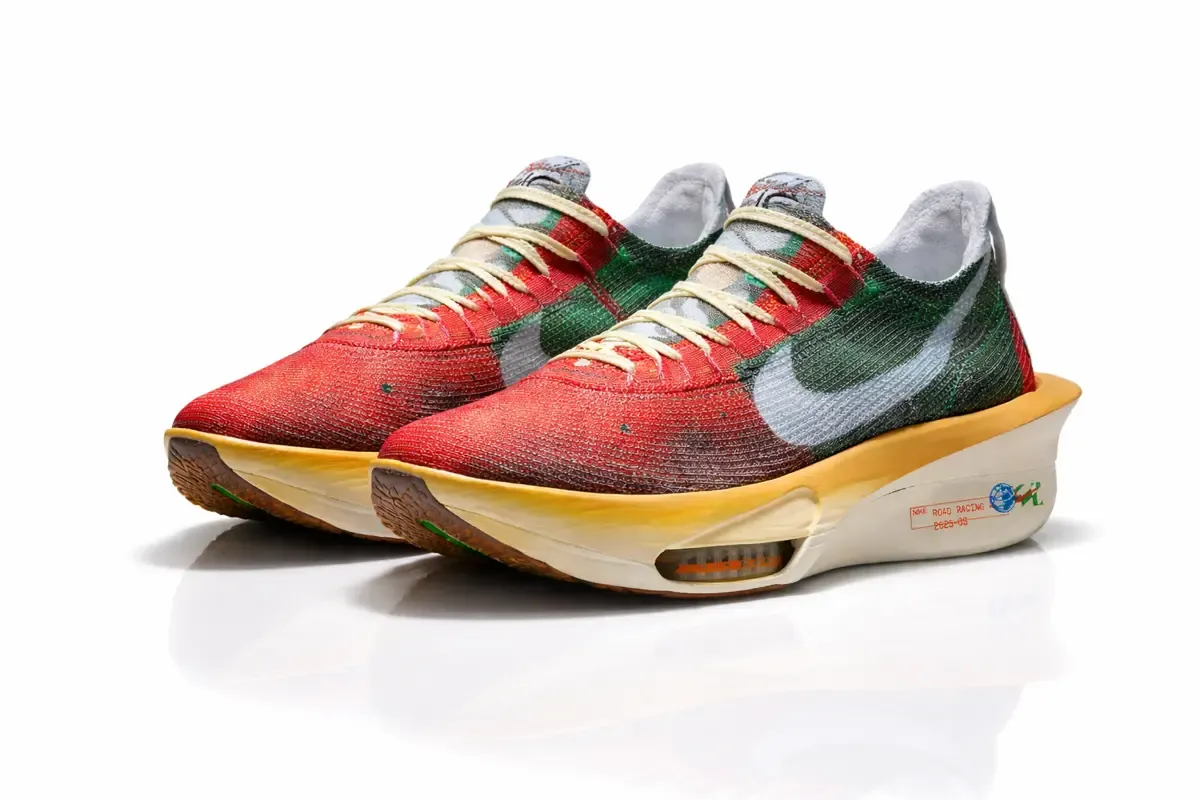
Nike Alphafly 3 Review
Nike Alphafly 3 Review: The ultimate marathon racing shoe tested. Discover pros, cons, sizing advice, and why it reigns supreme for elite runners.
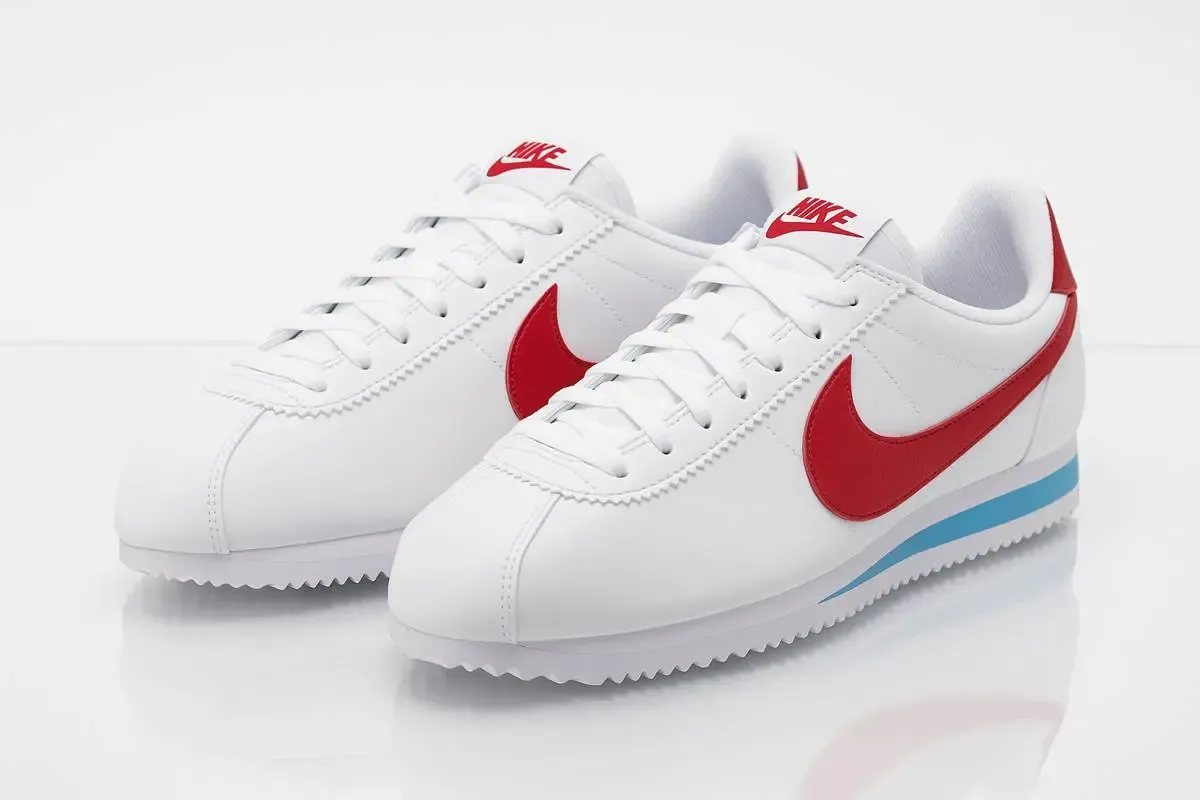
Nike Cortez 23 Review
Get an expert review of the Nike Cortez '23. We cover its iconic style, comfort, sizing issues, durability, and value for money. Is it right for you?
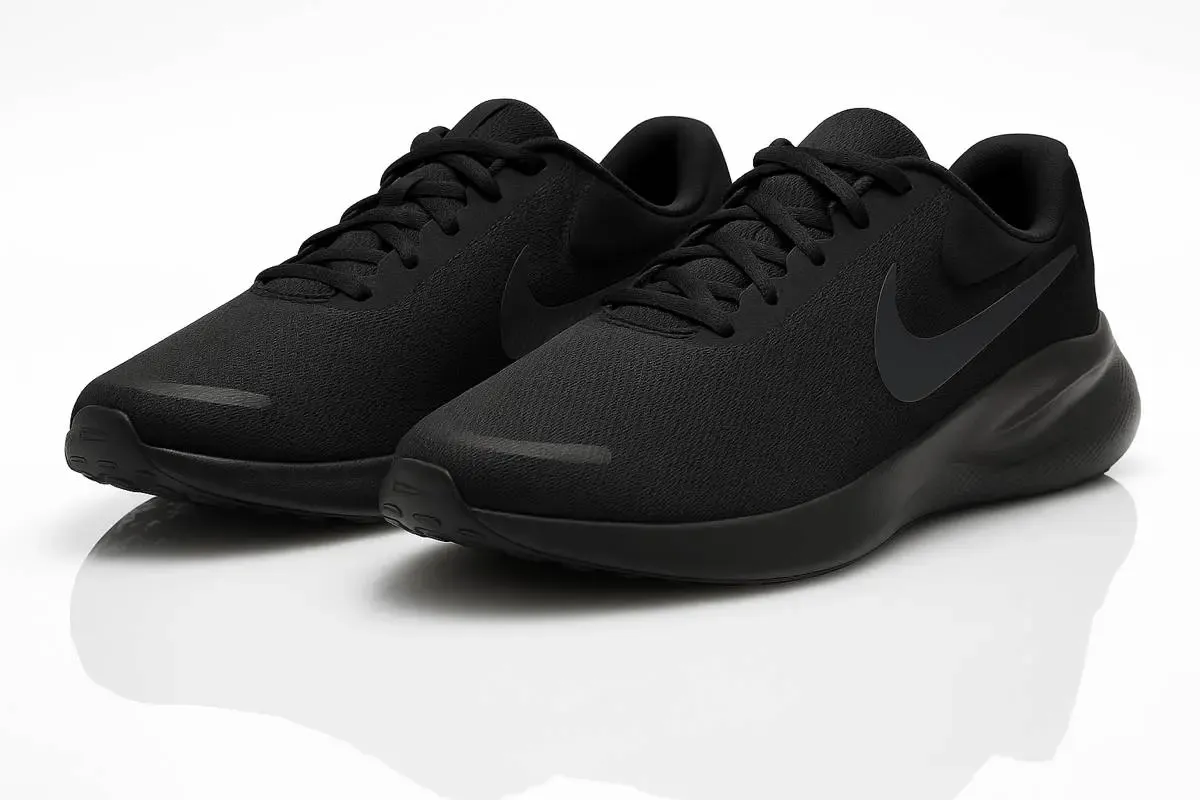
Nike Revolution 7 Review
Get an honest look at the Nike Revolution 7. This in-depth review covers its value, comfort, and style for running, gym, and daily wear. Is it for you?
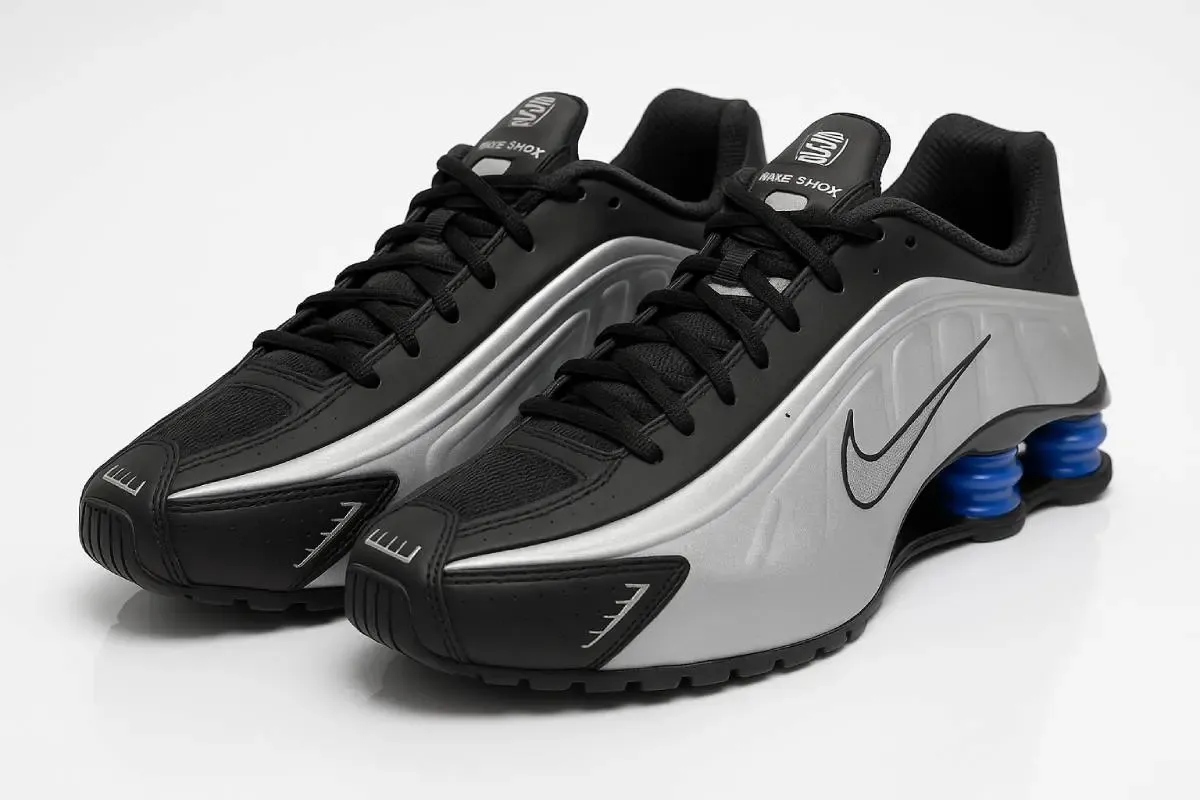
Nike Shox R4 Review
An in-depth review of the Nike Shox R4, a classic Y2K sneaker. We cover comfort, style, durability, and who should (and shouldn't) buy them.