Founder & Lead Editor
Federico D'anna
Federico D'anna has spent 9 years reviewing sneakers with a methodology built on hands-on wear notes, side-by-side comparisons, and verified buyer feedback.
Learn more about Federico D'annaHighlights
Positive
- Offers incredibly smooth and non-intrusive stability with its Center Path Technology.
- The roomy toe box and breathable upper provide exceptional, out-of-the-box comfort.
Negative
- Exposed midsole foam on the outsole raises concerns about long-term durability and grip in wet conditions.
Saucony Guide 18 Sizing & Fit Guide
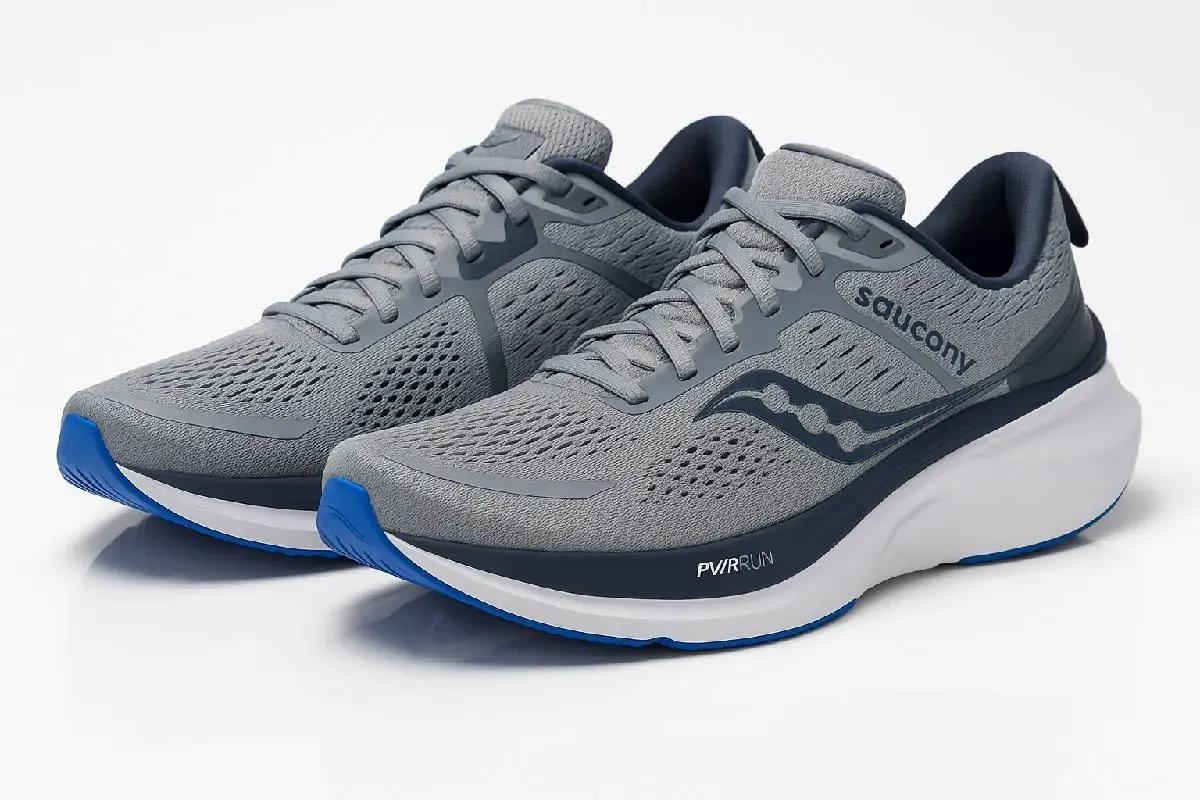
The Saucony Guide 18 marks a significant architectural evolution in performance stability footwear, blending a reliable true-to-size (TTS) length profile with highly refined internal volume updates. Engineered to deliver crucial lateral relief across the first and fifth metatarsal heads by eliminating the front lacing loop, the redesigned toe box offers an accommodating environment that permits natural toe splay. While the forefoot is noticeably more spacious, the midfoot maintains a secure, snug performance wrap to prevent heel slippage and shifting. Supported by Saucony's innovative geometric CenterPath technology, this model balances a highly breathable, adaptable mesh upper with advanced structural guidance for an optimized running experience.
Compare your current pair to find the best size match.
| Reference Shoe | Your Usual US | Buy in US | Your Usual EU | Buy in EU | Fit Notes |
|---|---|---|---|---|---|
| ASICS GT-2000 13 / 14 | 10 | 10 | 44 | 44 | Lengthwise, both models align perfectly with standard athletic sizing. However, ASICS models traditionally fit narrower and tighter through the midfoot and toe box. Transitioning to the Guide 18 provides immediate lateral relief and an inherently roomier forefoot while maintaining the same length. Runners who routinely size up in ASICS models solely to compensate for width restrictions should return to their true length size (TTS) when purchasing the Guide 18 due to its wider-than-average standard last. |
| HOKA Arahi 7 / 8 | 10 | 10 | 44 | 44 | Both shoes conform to standard TTS metrics in length. While HOKA models utilize a wide structural base, they can frequently feel restrictive in overall vertical volume. The Guide 18 matches the spacious nature of the HOKA toe box while offering superior ventilation, but introduces a noticeably tighter, more secure lock through the midfoot arch. |
| Brooks Adrenaline GTS 24 / 25 | 10 | 10 | 44 | 44 | Lengthwise, Brooks and Saucony remain completely equivalent. The primary differentiation is found in the midfoot architecture: Brooks typically features a more relaxed, roomier midfoot volume, whereas the Guide 18 delivers a performance-oriented, snug midfoot wrap designed to aggressively prevent heel slippage while still leaving ample room in the toe box. |
| New Balance Fresh Foam X 860v15 | 10 | 10 | 44 | 44 | Both models translate identically in terms of pure linear length. However, New Balance shoes are notoriously spacious and wide across all standard D-width lasts. Moving to the Guide 18 preserves your length, but the midfoot and heel counter will feel significantly more secure, wrapped, and structurally locked-down. |
Does the Saucony Guide 18 run true to size?
Yes, the Saucony Guide 18 runs true to size (TTS) in length. Data indicates that over 80% of wearers find it conforms perfectly to standard athletic sizing, making it safe to order your usual running shoe size. Although a minor segment of runners may initially perceive a slightly short fit due to the highly snug, locked-in midfoot wrap, the physical length matches industry standards.
Is the Saucony Guide 18 good for wide feet?
Yes, the Saucony Guide 18 is highly accommodating for wide feet due to its intentionally expanded forefoot chamber. By removing the traditional front lacing loop, Saucony eliminated lateral compression across the metatarsal heads, allowing the engineered mesh to stretch naturally for comfortable toe splay. The standard last is wider than average, but dedicated Wide (2E men / D women) and Extra-Wide (4E men / 2E women) options remain available for structurally wide feet.
How is the arch support on the Saucony Guide 18?
The arch support is highly effective but departs from traditional stability methods by replacing rigid medial posts with geometric CenterPath technology. It features an asymmetric profile with denser medial foam, raised midsole sidewalls that cradle the foot, and a broad base platform. On initial wear, the support feels highly pronounced and positioned slightly further back toward the rear of the arch. This requires a brief 5 to 10-mile break-in period for the materials to compress and adapt to your foot shape.
Ready to experience the Saucony Guide 18 Review?
Get yours today with fast shipping from Amazon
The Saucony Guide 18 is here, and it's not trying to reinvent the wheel. It's more of a careful refinement of the already popular Guide 17. The goal is simple: be the reliable workhorse for most of your miles, especially if you want a little support but hate the stiff, controlling feel of old-school stability shoes.
Quick Take
Overall Rating: 4.1/5
Best For: Runners seeking mild to moderate stability, daily training and easy runs, long runs, and those with mild pronation.
Key Strengths: Non-intrusive and gentle stability from its Center Path Technology, a very comfortable and balanced cushioned ride, an exceptionally breathable engineered mesh upper, and an accommodating fit with a roomy toe box and multiple width options.
Notable Limitations: The PWRRUN foam midsole can feel a bit uninspiring or "bland" for faster efforts, the outsole's exposed foam raises concerns about long-term durability and wet-weather grip, and it's definitely not a shoe built for speed work.
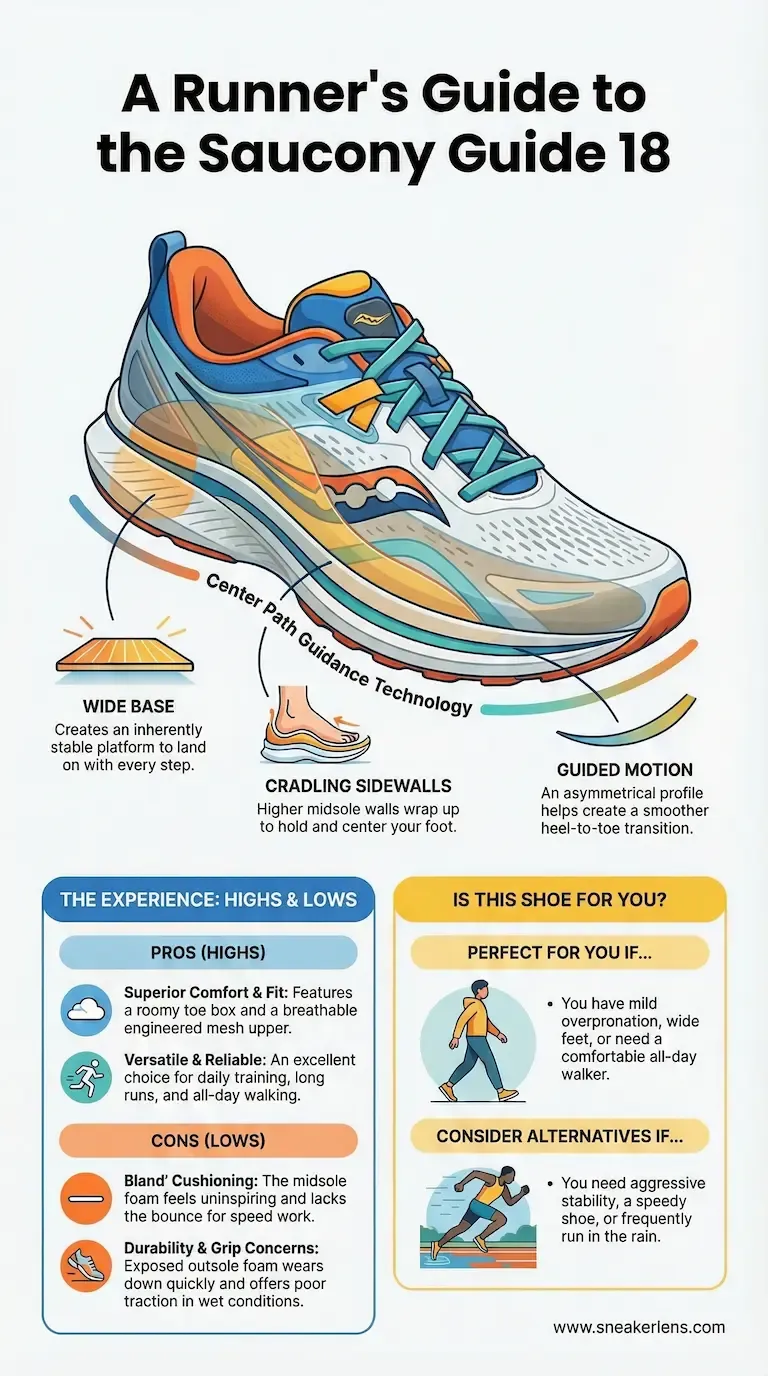
Visual Snapshot Summary
What Makes Saucony Guide 18 Stand Out?
So what's the big deal with the Guide 18? It's the stability, but not the old-school kind. For years, stability meant a hard “medial post,” basically dense foam under the arch that tried to force your foot straight. It worked, but it could feel clunky. Saucony moved away from that with “Center Path Technology.”
Here's how it works. Instead of posting, the Guide 18 gives you a wider base to land on, plus higher sidewalls that “cradle” the foot and keep you centered. Add an asymmetrical profile to smooth out heel-to-toe transitions, and the support ends up feeling more like guidance than correction. That's why even some neutral runners like it. They also top the midsole with a plush PWRRUN+ sockliner, which adds a great step-in feel and takes the edge off the firmer foam underneath. As one reviewer put it: "The Saucony Guide 18 is everything we loved about last year's edition and more...it feels the way I imagine the Hoka Clifton is meant to feel — wide, stable, cushioned, and has a smooth rocker."
Real Customer Experiences
The general feeling online is that the Guide 18 is a solid, reliable choice, though it's not without its critics.
- Positive: A significant number of runners absolutely love the combination of balanced cushioning and support. It's frequently praised as a "workhorse" shoe that's perfect for logging daily miles, tackling long runs, or even just for walking all day.
- Positive: The fit, especially the roomy toe box, is a huge win for many users . People with average to slightly wider feet feel right at home, and the availability of wide and extra-wide sizes is a major selling point.
- Negative: The most common complaint is directed at the midsole foam. While the PWRRUN foam is dependable, many find it "uninspiring," "bland," or "flat," especially compared to the new, energetic super-foams on the market. It's just not a "fun" or "bouncy" ride.
- Negative: The other major gripe is outsole durability and grip. The large patches of exposed midsole foam, designed to save weight, are prone to scuffing and wearing down prematurely. This also leads to less-than-ideal traction on wet or slippery surfaces.
Here are a couple of quotes that capture the sentiment well:
"Great for lung runs as they are super comfy and theres a lot of room in the toe area for my wide-ish feet. They are everything BUT a speed shoe. Which is expected as they are meant to be for zone 2 / recovery and long runs!"
"I sort of felt hard to distinguish the stability underfoot in this year's testing of the Guide 18. It felt stable enough on the run, but compared to the prominence of medial support in the Brooks Beast GTS 24, New Balance 860 v14, or Saucony Hurricane 24, I definitely felt like I was missing some medial stability underfoot here."
Design and Build Quality
Let's break down the shoe, piece by piece.
- Upper: The upper is a real high point here. It's built from an engineered mesh that is exceptionally breathable and lightweight. This new mesh feels a bit more forgiving and stretchy than the previous version. Inside, you've got a well-padded gusseted tongue that stays locked in place, and a comfortable, secure heel collar that cups the back of your foot nicely. This combination provides a great lockdown without any pinching or hot spots.
- Midsole: This is the engine of the shoe. It features a full-length midsole of PWRRUN foam. This is Saucony's reliable EVA-based compound that provides good shock absorption and a stable platform. It's intentionally on the firmer side of cushioned to maintain that stable base. The magic, as mentioned, is the Center Path Technology, which uses those high sidewalls to cradle your foot. The shoe has a 35mm stack in the heel and 29mm in the forefoot, for a total 6mm drop. To offset the firm PWRRUN, there's a lovely PWRRUN+ sockliner right under your foot, which adds a noticeable layer of softness and step-in comfort.
- Outsole: The outsole is a strategic mix of rubber and foam. You get XT-900 carbon rubber placed in high-wear zones like the lateral heel and under the forefoot. This rubber is durable, with a measured hardness of 87.5 HC. However, to cut weight, there are large sections of exposed PWRRUN midsole foam. This is the shoe's main weakness, as these areas are prone to premature wear and can be quite slippery on wet pavement.
- Weight: It weighs in at 272 grams (9.6 oz) for a men's US size 9. This is a very respectable weight for a stability trainer with this level of cushioning.
Comfort and Fit
For just putting the shoe on and living in it, the Guide 18 scores very high marks.
- Sizing Advice: The consensus is clear: the Saucony Guide 18 fits true to size. Saucony is known for its consistency, so sticking with your usual running shoe size is the way to go.
- Width Profile: This is a standout feature. The standard width model is already quite generous, with a roomy toe box that allows for natural toe splay. This is a huge plus for comfort on long runs. But the best part is the inclusivity—the Guide 18 is widely available in wide (2E) and extra-wide (4E) options for men, and wide (D) and extra-wide (2E) for women in several colorways. This makes it a fantastic choice for runners with broader feet who often struggle to find a good fit.
- Break-In: You can forget about a break-in period. The Guide 18 is comfortable right out of the box. The soft upper materials, padded heel, and secure lacing system work together to give you an immediate sense of comfort and security.
Love the comfort features?
See current availability and pricing
As one runner mentioned, it's a "fantastically comfortable shoe... there's plenty of space in the fore foot. around the sides of the forefoot. the midfoot is very comfortable as well. and there's plenty of padding. around the ankle collar."
Style and Versatility
The days of stability shoes looking like medical devices are long gone, and the Guide 18 is proof. It has a clean, modern aesthetic that looks fast and purposeful. The engineered mesh upper and the sculpted midsole give it a sleek profile. It's available in a good range of colorways, from subtle, work-appropriate blacks and greys to brighter, gradient designs. There are also reflective highlights for those early morning or late evening runs.
This is an incredibly versatile shoe. Its primary job is as a daily trainer for easy, recovery, and long-distance runs. But because it's so comfortable and the stability is so subtle, it's also an outstanding walking shoe. Many people, especially those in professions that require a lot of standing like nursing, will find this shoe to be a lifesaver. It's also stylish enough to wear casually with jeans or joggers without a second thought.
Quality and Durability
This is where things get a bit complicated. Overall build quality feels high. The upper is robust, stitching is clean, and PWRRUN is a workhorse midsole material that usually holds up well. The XT-900 carbon rubber that is on the outsole is tough and should last. About 75% of the feedback is positive or neutral on general toughness.
However, the major, glaring issue is the exposed PWRRUN midsole foam on the outsole. This is a cost and weight-saving measure, but it comes at the expense of durability and grip. This softer foam gets chewed up much faster than rubber, especially if you scuff your feet or run on anything other than smooth pavement. This exposed foam is also the reason for the poor wet-weather traction. As one user bluntly put it, they observed "terrible durability of the exposed foam" after just a short time.
Decision Matrix
| Scenario ↓ / Criterion → | Comfort | Breathability | Rain/Grip | Style |
|---|---|---|---|---|
| Daily Urban | ✓ | ✓ | ○ | ✓ |
| Office Casual | ✓ | ✓ | ○ | ✓ |
| Light Sport/Gym | ✓ | ✓ | ○ | ○ |
Legend: ✓ = Good ○ = Average ✕ = Poor
Further Reading
Who Should Buy
Perfect For
- Runners with mild to moderate overpronation who want a modern, non-intrusive support system.
- Neutral runners who just want an inherently stable and reliable shoe for long miles or recovery days.
- Anyone looking for a cushioned and comfortable daily trainer to handle the bulk of their weekly mileage.
- Runners with average to wide feet who need a roomy toe box or access to dedicated wide (2E) and extra-wide (4E) sizes.
- Walkers and professionals (like nurses or teachers) who are on their feet all day and need a blend of cushioning and support.
Consider Alternatives If
- Runners with severe overpronation who need the aggressive correction of a traditional, firm medial post.
- Athletes looking for a fast, bouncy, and responsive shoe for speed work, tempo runs, or race day. The PWRRUN foam is just not built for that.
- Anyone who does most of their running in wet, rainy conditions and places a high priority on excellent outsole grip.
- Runners who want a maximalist, "sink-in" plush cushioning experience. The Guide 18 is comfortable, but it's more of a balanced and stable feel.
Final Verdict
The Saucony Guide 18 is a refreshingly modern take on a classic stability formula. It proves that support doesn't have to feel like a punishment. By ditching the rigid post in favor of a clever, adaptive Center Path Technology, Saucony has created a shoe that's both stable and smooth. It's a fantastic daily trainer for the mild to moderate overpronator who wants a soft, reliable ride. While it's not the fastest or most exciting shoe on the market, its comfort and innovative approach to stability make it a compelling choice for the right runner.
Browse our full Saucony collection to find your perfect pair.
As an Amazon Associate we earn from qualifying purchases. This helps support our site so we can keep bringing you the best content!
Frequently Asked Questions
Is the Saucony Guide 18 a good stability shoe?
Is the Saucony Guide 18 outsole durable, and how is grip in wet weather?
What is the difference between the Saucony Guide 18 and the Guide 17?
Related Reviews
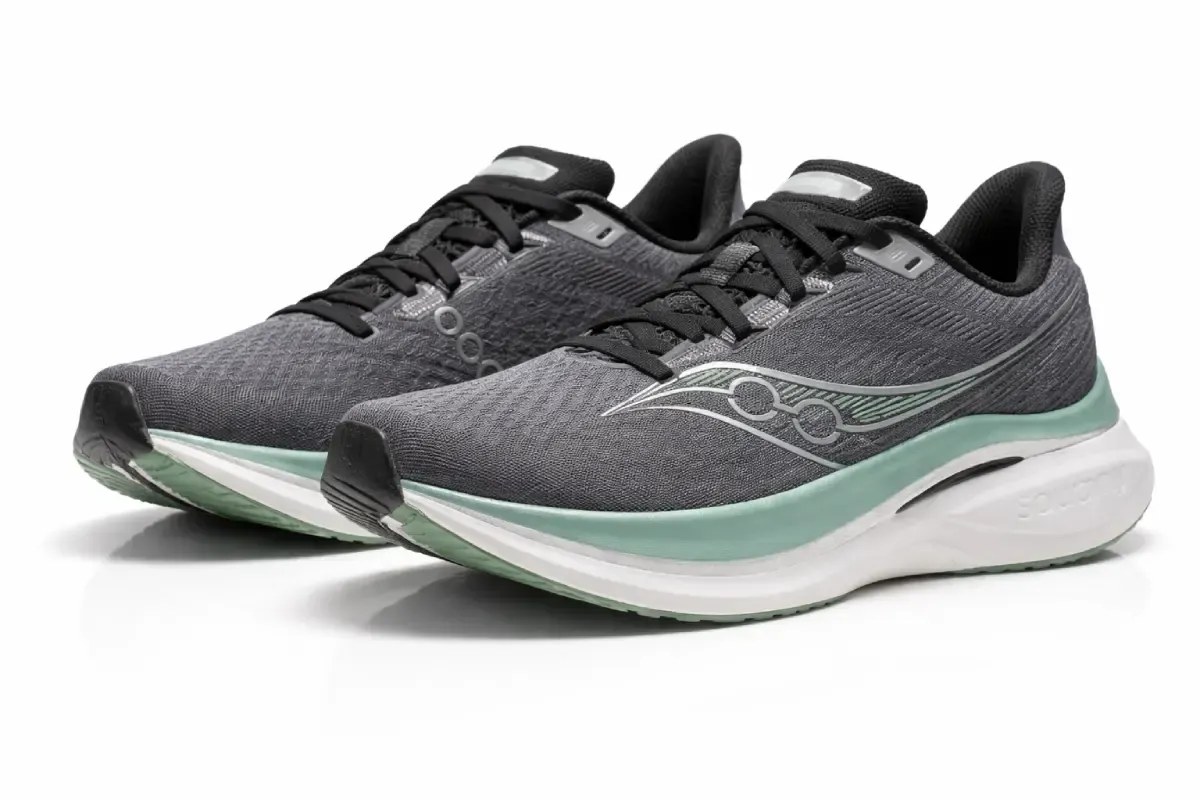
Saucony Endorphin Speed 5 Review
Saucony Endorphin Speed 5 Review: A versatile, durable performance trainer with a carbon plate. Discover why it's the top choice for daily speed.
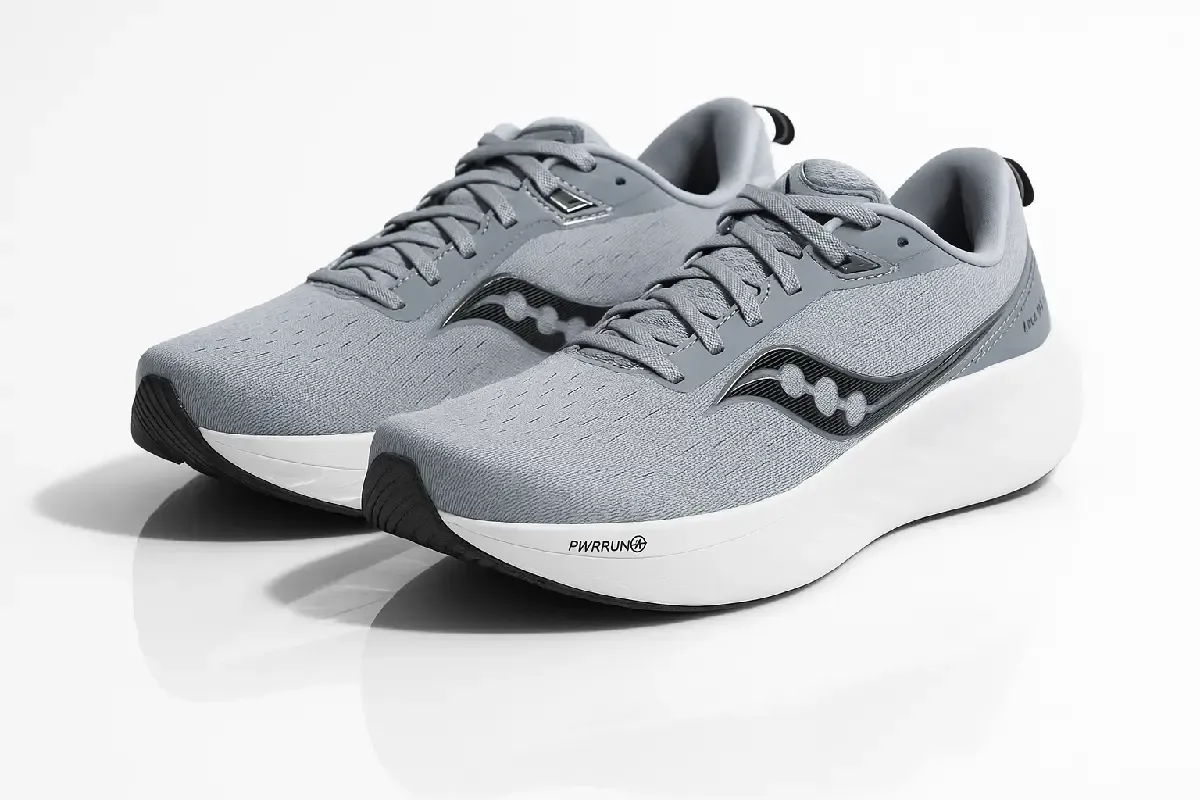
Saucony Triumph 22 Review
Read our in-depth Saucony Triumph 22 review. We analyze the new PWRRUN PB midsole, durability, and fit. Is this max-cushion trainer right for you?
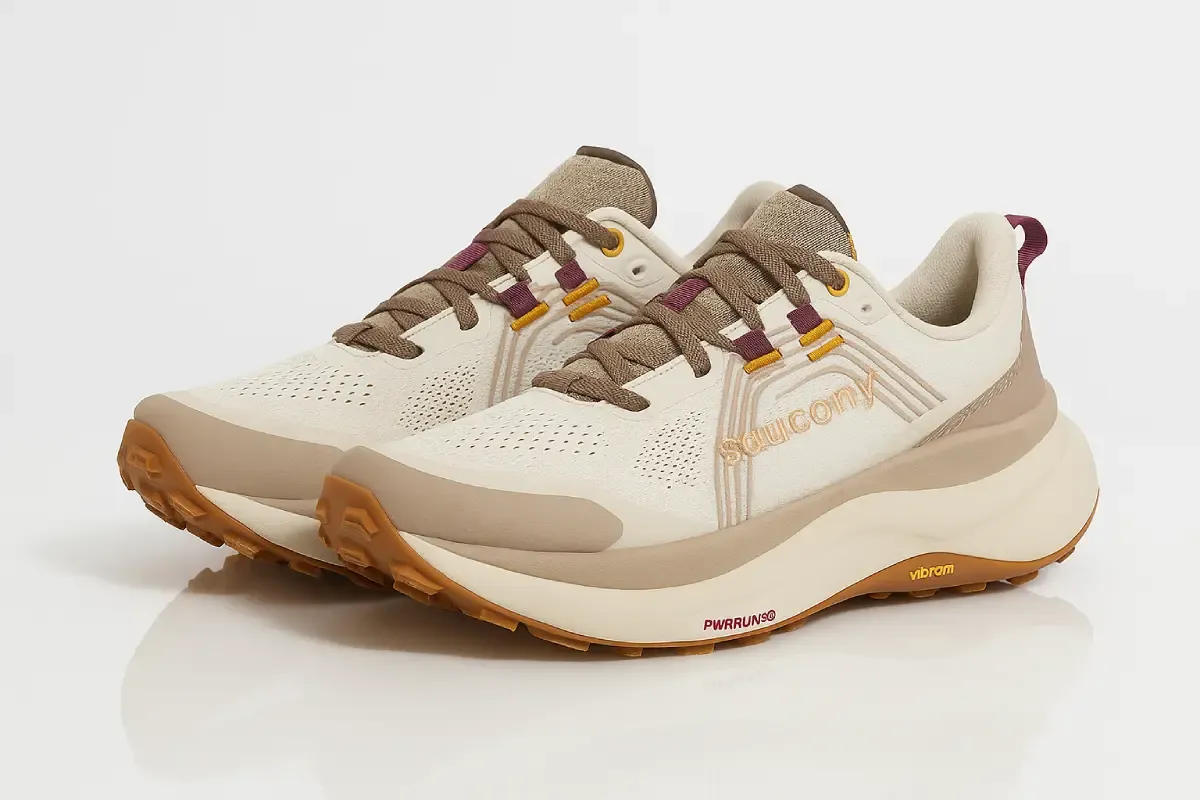
Saucony Xodus Ultra 4 Review
A detailed review of the Saucony Xodus Ultra 4. Is this the ultimate long-distance trail shoe? We test the grip, cushioning, and durability.
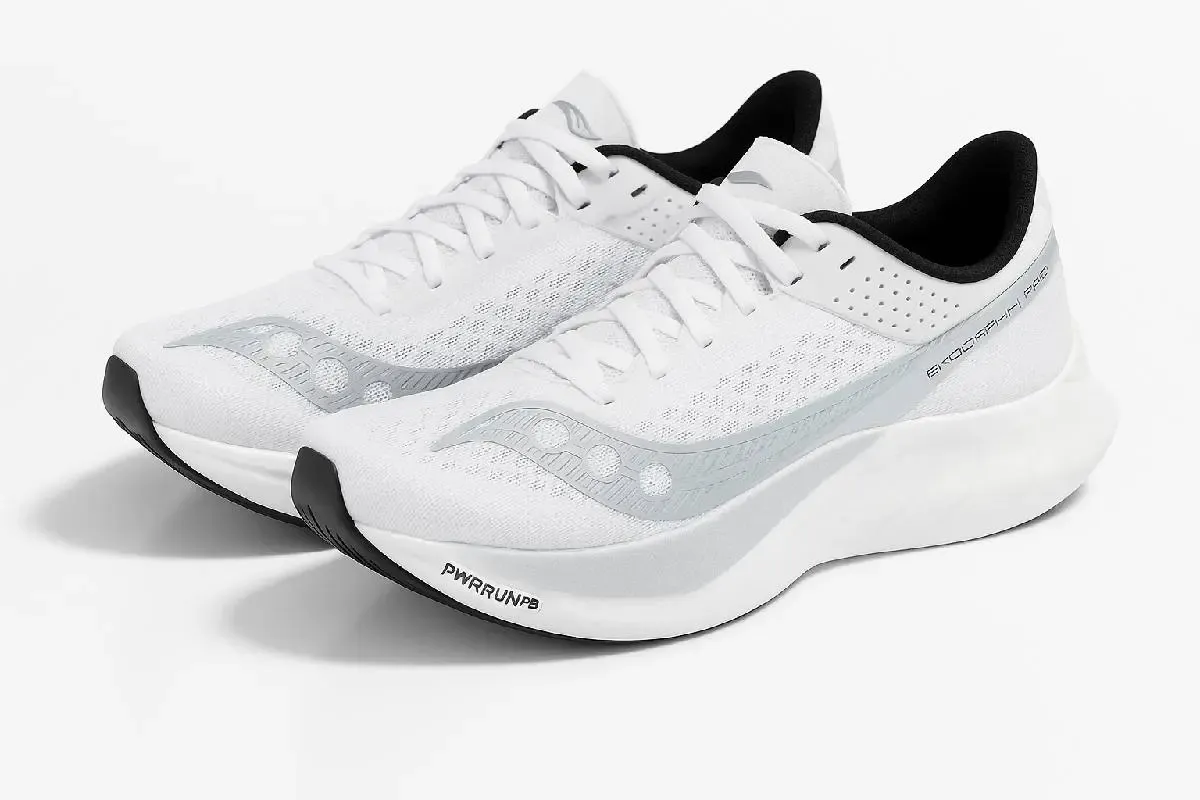
Saucony Endorphin Pro 4 Review
Get an in-depth review of the Saucony Endorphin Pro 4. Is this durable, comfortable, and versatile carbon-plated racer the right supershoe for you?
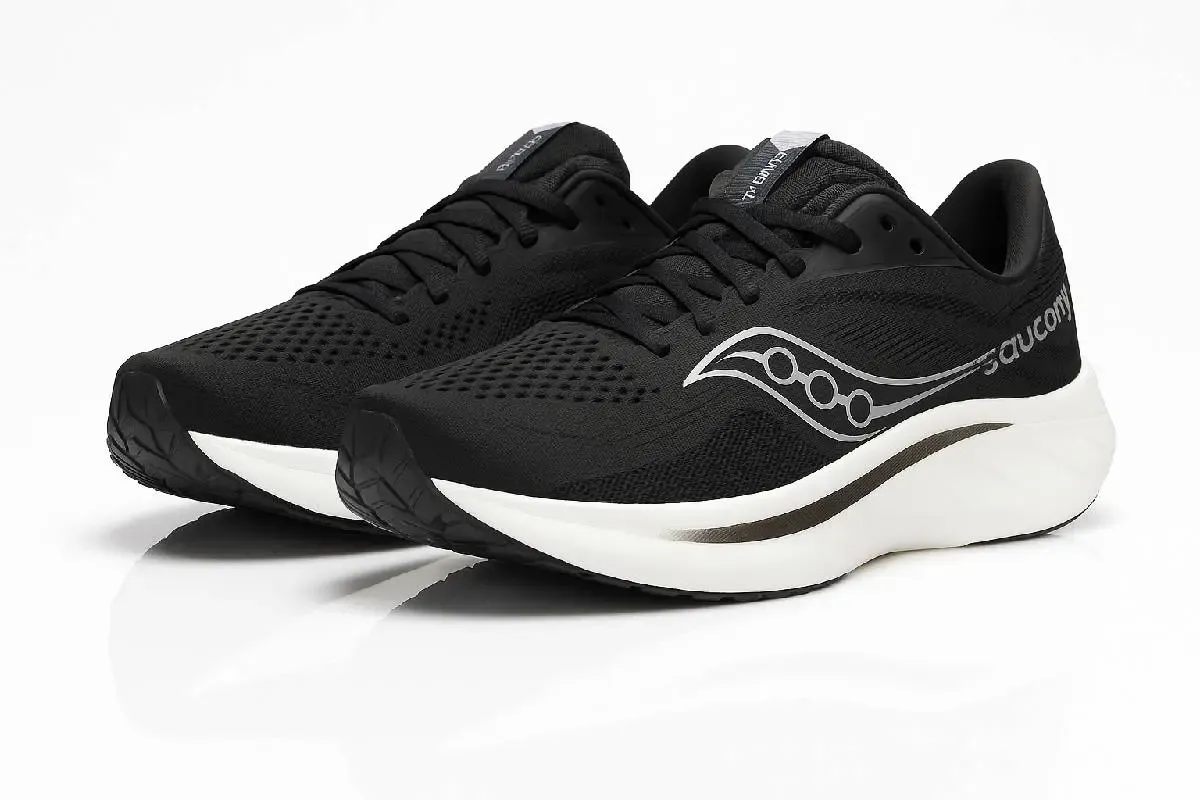
Saucony Ride 18 Review
An in-depth review of the Saucony Ride 18 running shoe. Learn about its new PWRRUN+ midsole, upgraded upper, performance, and who it's best for.
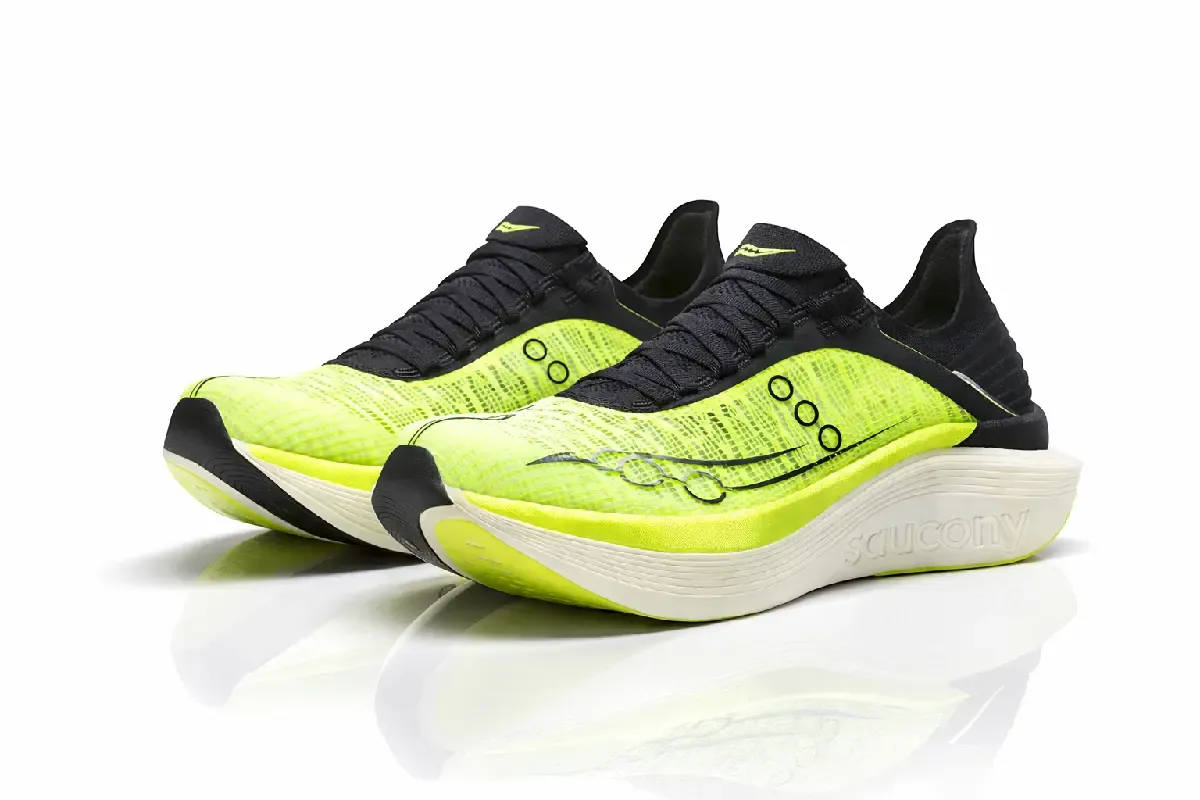
Saucony Endorphin Elite 2 Review
Saucony Endorphin Elite 2. A detailed look at the plush, carbon-plated racer. See how it stacks up against Nike & Adidas for marathon speed.