Founder & Lead Editor
Federico D'anna
Federico D'anna has spent 9 years reviewing sneakers with a methodology built on hands-on wear notes, side-by-side comparisons, and verified buyer feedback.
Learn more about Federico D'annaHighlights
Positive
- The responsive Energy Surge midsole provides a fun and lively ride.
- Its sleek, modern design makes it versatile enough for casual wear.
Negative
- The outsole offers dangerously poor grip on wet or muddy terrain.
Salomon Pulsar Trail Sizing & Fit Guide
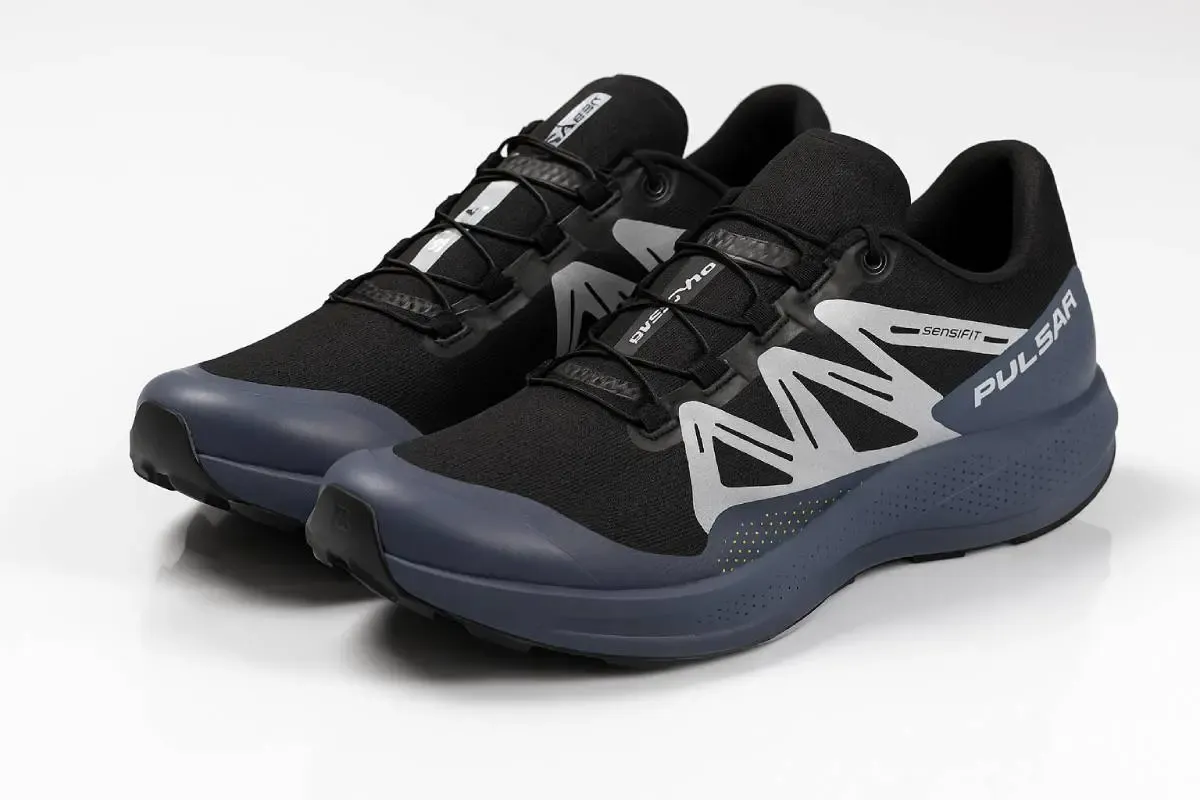
The Salomon Pulsar Trail is engineered as a highly secure, responsive, and nimble daily trail trainer designed for variable off-road terrain. While its longitudinal measurement fits true to size (TTS) for standard runners, its highly tapered toe box and low vertical clearance create a characteristically snug, performance-oriented environment. By integrating Salomon's proprietary SensiFit overlays with an elastic internal EndoFit sleeve, the upper maximizes midfoot containment and mitigates lateral foot movement on technical descents. However, this comprehensive lock down requires a precise understanding of its unique spatial volume and length dynamics to secure optimal lateral relief and avoid focal pressure points over long distances.
Compare your current pair to find the best size match.
| Reference Shoe | Your Usual US | Buy in US | Your Usual EU | Buy in EU | Fit Notes |
|---|---|---|---|---|---|
| Nike Pegasus Trail (4 / 5) | 10.0 | 9.5 | 44 | 43.5 | The Pegasus Trail series acts as a spacious road-to-trail hybrid featuring a wide, high-volume toe box and a traditional true-to-size length profile. In contrast, the Pulsar Trail features a slightly longer overall cut but pairs it with an aggressively tapered forefoot. Sizing down a half-size in the Pulsar Trail compensates for the extra length and establishes a comparable, highly secure performance fit without sacrificing essential midfoot alignment. |
| Hoka Speedgoat (5 / 6 / 7) | 10.0 | 10.0 | 44 | 44 | Recent iterations of the Hoka Speedgoat run narrow and short, often forcing standard-width runners to size up or seek wide alternatives to prevent crowding. While the Pulsar Trail shares a similarly narrow and restrictive toe box taper, it features a slightly longer physical cut. This creates an important compensation factor: if you normally size up in the Speedgoat purely to gain forefoot width, you should return to your true baseline length (US 10.0) in the Pulsar Trail. Sizing up further in the Pulsar Trail to solve a width issue will result in a misplaced arch profile and a loose heel pocket that exacerbates heel slippage on steep ascents. |
| Salomon Sense Ride 5 | 10.0 | 9.5 | 44 | 43.5 | The Sense Ride 5 is defined by a highly restricted, short, and shallow internal chamber that frequently obligates trail runners to size up a half or full size just to avoid painful toe compression. The Pulsar Trail offers relief by providing more vertical instep volume and a noticeably longer physical cut. As a result, runners can safely size down a half-size relative to their up-sized Sense Ride 5 size to capture a locked-in, slip-free interface. |
| Salomon Pulsar Trail Pro / Pro 2 | 10.0 | 10.5 | 44 | 44.5 | The Pulsar Trail Pro series utilizes an ultra-thin, highly elastic, sock-like Matryx upper that lacks a traditional padded tongue, causing it to feel spacious and run exceptionally long in the toe box. Conversely, the standard Pulsar Trail is constructed with a classic, thickly padded ankle collar, a semi-gusseted tongue, and firmer, unyielding containment overlays. To accommodate this traditional interior padding and robust structure without crushing your toes, you must size up a half-size from your Pulsar Trail Pro baseline. |
Does the Salomon Pulsar Trail run true to size?
Lengthwise, the general consensus is that the Salomon Pulsar Trail runs true to size, though its overall fit environment is exceptionally snug and performance-oriented. Because Salomon's European-to-US sizing translations can lean slightly long compared to brands like Nike, runners with exceptionally narrow feet often prefer to size down a half-size to guarantee an absolute heel lock on technical descents. For most runners with normal-to-narrow feet, purchasing their standard running shoe size is recommended, as the extra physical length is naturally offset by the highly secure midfoot wrap and tapered toe box.
Is the Salomon Pulsar Trail good for wide feet?
No, the Salomon Pulsar Trail is poorly suited for wide foot profiles. Although the midfoot width adheres to industry standards, the toe box tapers aggressively down to a narrow 71.8 mm near the big toe, which sits well below the average for modern trail running shoes. Combined with a shallow vertical clearance of 23.9 mm and the total absence of a dedicated wide (EE) option, wide-footed runners will experience severe friction, lateral digit compression, hot spots, and potential upper mesh bulging or tearing.
How is the arch support on the Salomon Pulsar Trail?
The Salomon Pulsar Trail delivers moderate, highly dependable arch support that is well-suited for flat to neutral foot shapes. This structure is built into the dual-density optiFOAM² midsole compound and is mechanically stabilized by an embedded, three-quarter-length TPU Energy Blade plate. This configuration provides excellent lateral stability and prevents foot fatigue over long distances. Because the underfoot platform is relatively rigid, it requires a brief break-in period of 10 to 20 miles to allow the plate and dense foam to adapt comfortably to the natural contour of the runner's foot.
Ready to experience the Salomon Pulsar Trail Review?
Get yours today with fast shipping from Amazon
The Salomon Pulsar Trail comes in with a clear promise: bring some of Salomon’s race-day tech into a more accessible trail trainer. It’s built as a lively, energetic ‘door-to-trail’ option, and real-world performance is a tale of two extremes. It feels fantastic in the right conditions and genuinely sketchy in the wrong ones. This review breaks down the construction, fit, and on-trail performance to make it clear who should buy it—and who should steer clear.
Quick Take
Overall Rating: 4.2/5 (based on aggregated reviews)
Best For: Faster paces on moderate trails, Versatile 'door-to-trail' use, Runners who prefer a responsive, connected ride
Key Strengths: Responsive and lively Energy Surge midsole, Propulsive feel from the Energy Blade, Secure and precise fit from SensiFit and Quicklace system, Lightweight for a trail shoe
Notable Limitations: Poor grip on wet, damp, or muddy terrain, Potential stability issues on highly technical trails, Snug fit may be too narrow for some foot types, Durability concerns with outsole and upper wear in some cases
Visual Snapshot Summary
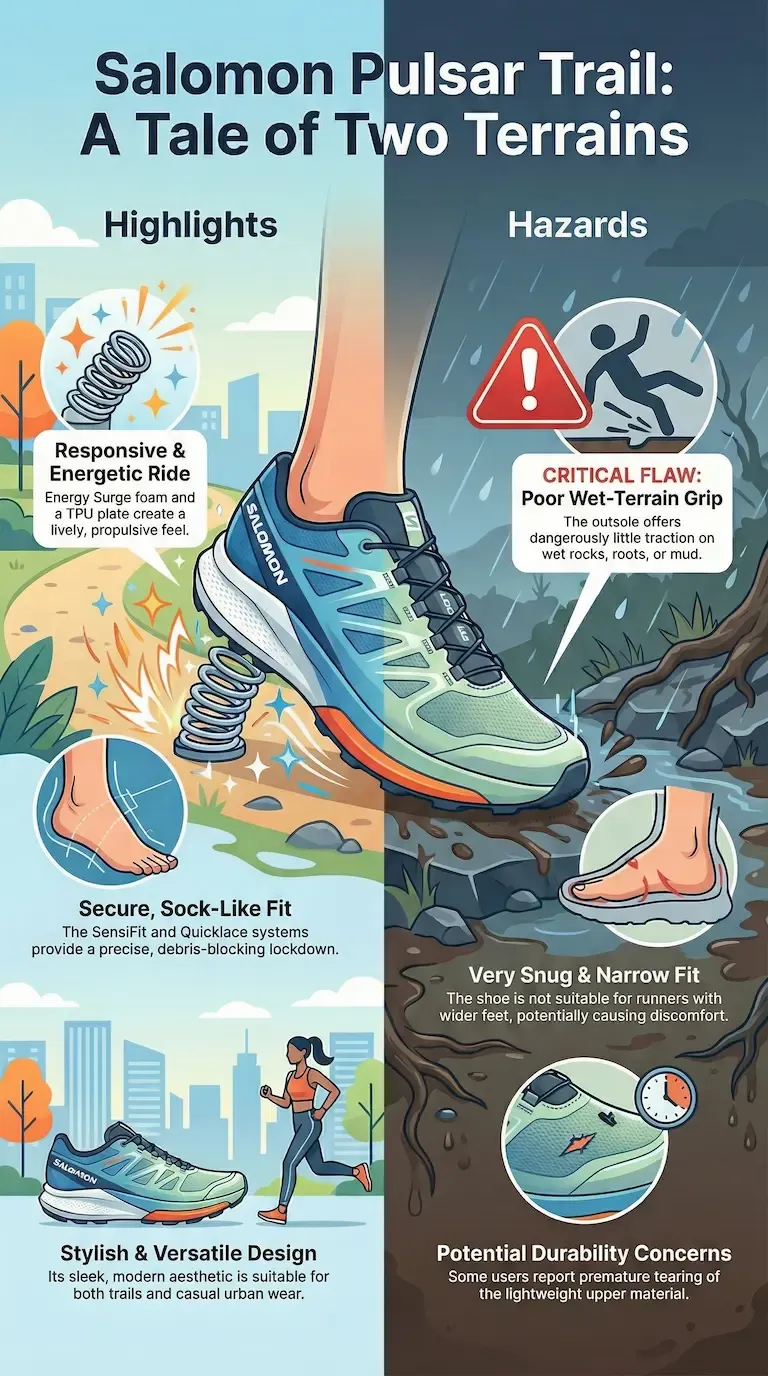
What Makes Salomon Pulsar Trail Stand Out?
The Pulsar Trail stands out because it borrows high-end ideas from Salomon’s S-Lab line and drops them into a more everyday price bracket. The key combo is the Energy Surge midsole plus the TPU Energy Blade.
Energy Surge foam (a mix of EVA and Olefin) gives you that lively, springy feel underfoot. The Energy Blade is a flexible plate that adds snap at toe-off and helps the shoe feel quicker and more efficient. It’s not a carbon plate, so it stays more forgiving for daily use. Pair that with Salomon’s rocker geometry and you get a ride that’s cushioned but still propulsive.
As one runner put it, the experience is one of "A lively response and fluid, smooth transitions." It strikes a unique balance, making it a standout for those who want speed without sacrificing too much comfort on less gnarly terrain.
Real Customer Experiences
When you dig into what people are actually saying about the Pulsar Trail, a few clear themes emerge. It's a bit of a love-it-or-hate-it shoe, depending on your feet and where you run.
- Sentiment: Runners consistently praise comfort and responsiveness on dry, moderate trails. The Energy Surge foam gets a lot of love for making runs feel fun and energetic.
- Sentiment: The biggest complaint is wet grip. Across the board, users report a serious lack of confidence on damp rock, roots, or muddy paths.
- Sentiment: Fit is another major talking point. Many love the secure, sock-like wrap from SensiFit and Quicklace, but wide-footed runners often find it too narrow, sometimes leading to arch pain or blisters.
"Cushioning is amazing and super comfortable, making long range days a breeze."
"A frequently cited limitation is its performance on 'damp surfaces,' 'wet terrain,' or 'extremely muddy terrain,' where the lugs 'may fall short.'"
Design and Build Quality
Salomon knows how to build a shoe, and the Pulsar Trail shows it, even if there are a few caveats.
The upper is a single layer of thin, pliable mesh that feels almost like a second skin. SensiFit is integrated into the mesh and works with the lacing to wrap and hold the foot securely. Add the EndoFit internal sleeve and you get a snug, precise fit that also helps keep debris out. If your foot matches the shape, it can feel almost custom.
In the midsole, you get Energy Surge foam (EVA + Olefin Block Copolymer), which keeps the shoe lightweight and responsive. It has a springy feel that encourages you to pick up the pace. Embedded inside is the TPU Energy Blade. It’s not as rigid as carbon, which works better for a daily trail shoe, and it adds a noticeable propulsive kick plus some underfoot protection without feeling overly harsh. The whole setup uses "R-Camber" rocker geometry for smoother transitions.
On the outsole, you get All Terrain Contagrip MA rubber with a multi-directional 3.5mm lug pattern. On paper it’s versatile. In practice, it’s mixed. On dry, hard-packed trails, gravel, and short road sections, it performs well. Add significant moisture and performance drops off fast.
At just around 281 grams, it's impressively light for a trail shoe packed with this much technology. This lightness contributes to its nimble and fast feel on the trail. However, this lightweight design might come at the cost of long-term durability, with some users noting premature wear on the upper and the outsole lugs.
Comfort and Fit
Getting fit right on the Pulsar Trail is crucial, and it can be tricky. Salomon has a reputation for a specific fit profile, and this shoe follows that tradition.
The sizing advice is pretty consistent: the fit is often described as "sock-like" and "very snug." It hugs the foot for a secure lockdown, which helps precision on smoother trails. But it gets complicated quickly. Some runners feel there’s enough room up front, while many others say it runs narrow overall. Foot shape ends up being the deciding factor.
On width, it leans narrow. Think more traditional racing last than roomy trail cruiser. If you have even slightly wide feet, you may feel discomfort, especially around the arch, as some users report. It’s a performance fit, not an all-day, all-foot-shapes fit.
As for break-in, there isn’t much in the traditional sense. The midsole feels good right away. The main adjustment is the collar. As one review notes, "The initial feel of the 'sock cuff' can be 'super tight' but often becomes unnoticeable during runs." The Quicklace system can also take a little getting used to if you’re new to it, but that’s more preference than break-in.
Love the comfort features?
See current availability and pricing
Style and Versatility
A lot of trail shoes look like they belong only in the dirt. The Pulsar Trail doesn’t. It has a sleek, modern aesthetic with clean lines and sharp colorways, and it doesn’t look out of place around town. You can finish a morning trail run, wipe them down, and wear them for errands or casual outings. They also work for urban walking and light gym cardio, where the responsive feel is a plus.
Quality and Durability
The Pulsar Trail feels premium in hand. Materials and assembly are what you’d expect from Salomon. Durability is where things get more complicated. The lightweight, responsive design seems to trade off some long-term resilience for some runners.
The most consistent drawback isn’t about wear and tear. It’s a performance failure: grip on wet or muddy terrain. That’s a design limitation that can make the shoe a non-starter depending on where you run. Beyond that, there are physical durability concerns. Some users report the upper tearing after a "disappointing amount of kms." And for a minority of runners, the Quicklace system can create rubbing or blisters. One runner mentioned, "The Quicklace system caused rubbing or blisters on the inside edge along the ball of the foot after about 130 miles."
Decision Matrix
Let's get down to the nitty-gritty. Here's how the Pulsar Trail stacks up in a few common scenarios.
| Scenario ↓ / Criterion → | Comfort | Breathability | Rain/Grip | Style |
|---|---|---|---|---|
| Urban Walking (Pavement) | ✓ | ✓ | ○ | ✓ |
| Gym (Cardio) | ✓ | ✓ | N/A | ✓ |
| Casual/Office Wear | ✓ | ✓ | ○ | ✓ |
Legend: ✓ = Good ○ = Average ✕ = Poor
Who Should Buy
Perfect For
- Versatile Trail Runners: If you need a 'do-it-all' option for varied paces on light to moderate trails, this is a strong contender.
- Plated Shoe Beginners: For those curious about plated trail shoes, this offers a responsive ride and key technology at a great price point.
- Faster-Paced Athletes: If you're looking to pick up the speed on your trail runs or even light races, the responsive nature of this shoe will appeal to you.
- Midfoot and Forefoot Strikers: The shoe's geometry and responsive feel are best suited for runners who don't land heavily on their heels.
Consider Alternatives If
- Wet-Weather Runners: If you frequently run on muddy, wet, or highly technical terrain, the poor grip is a deal-breaker. Period.
- Max-Cushioning Fans: If you're looking for a plush, highly cushioned ride to absorb every impact, this shoe will feel too firm and connected.
- Technical Terrain Specialists: Runners who need high levels of stability and protection for very rocky and uneven trails should look for a more robust option.
- Heel Strikers: Especially in the S/Lab versions, the design may not provide the stability and cushioning that heavy heel strikers prefer.
Final Verdict
The Salomon Pulsar Trail is a tale of two shoes. On dry, rolling trails, it's an absolute joy—a lightweight, responsive, and energetic partner that makes you feel fast and connected to the ground. The combination of the Energy Surge foam and Energy Blade at this price point is a huge win. It's a fantastic 'door-to-trail' option with a modern style that looks great anywhere. However, its fatal flaw is the abysmal grip on wet surfaces, which severely limits its versatility and makes it a non-starter for many UK or Pacific Northwest runners. If your trails are mostly dry, it's a brilliant shoe that offers incredible value. If not, you should, unfortunately, look elsewhere.
Browse our full Salomon collection to find your perfect pair.
As an Amazon Associate we earn from qualifying purchases. This helps support our site so we can keep bringing you the best content!
Frequently Asked Questions
Is the Salomon Pulsar Trail good for wet or muddy conditions?
What does the Energy Blade do in the Salomon Pulsar Trail?
What type of runner is the Salomon Pulsar Trail best for?
Related Reviews
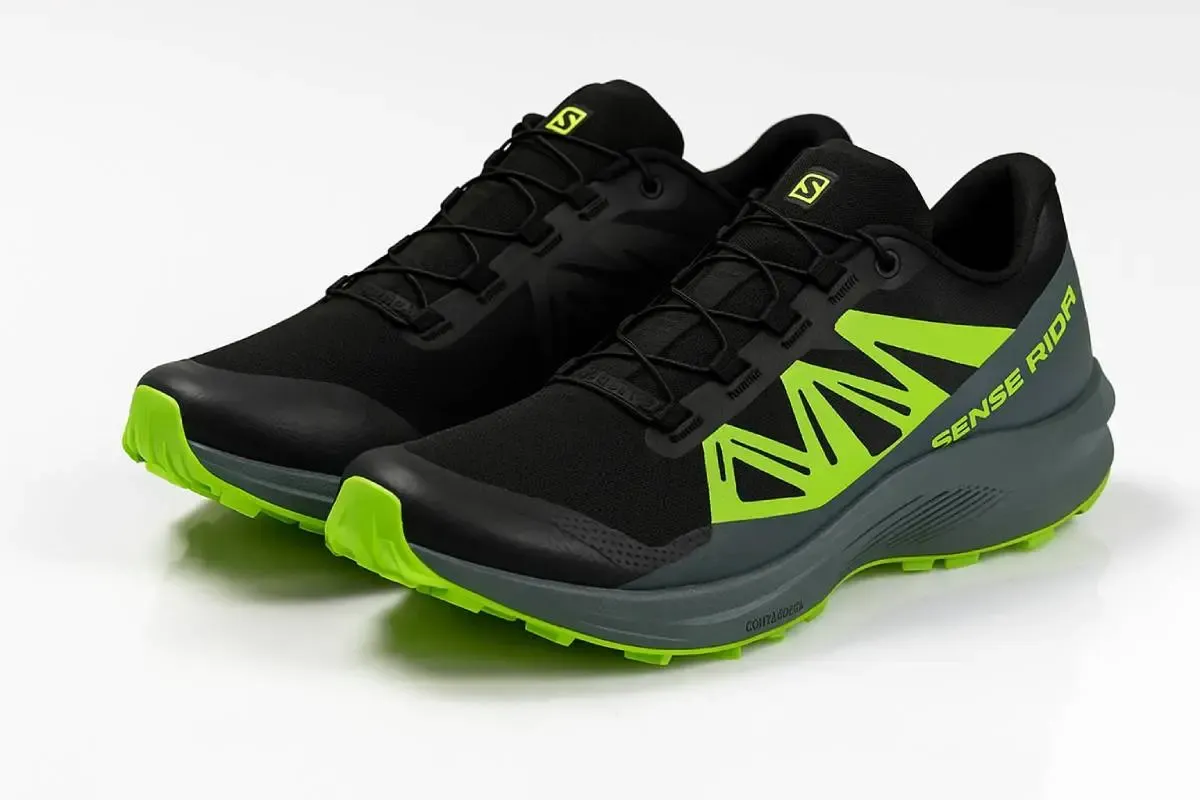
Salomon Sense Ride 5 Review
Discover why the Salomon Sense Ride 5 is hailed as the ultimate all-rounder trail shoe. Our in-depth review covers its comfort, grip, and value.
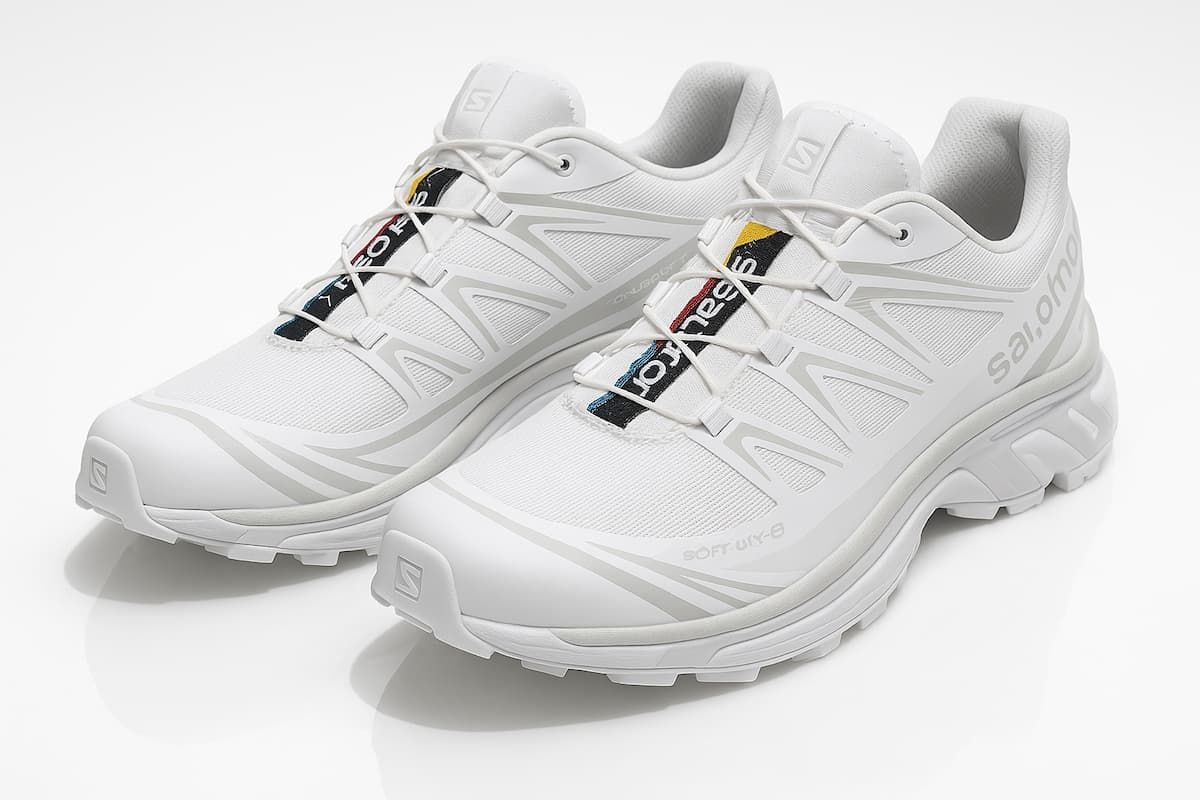
Salomon XT-6 Review
Salomon XT-6 Review: Tech, Sizing & Durability Analysis Description: Is the Salomon XT-6 still worth the hype? We analyze the fit, durability, and comfort of this gorpcore icon in our detailed review.
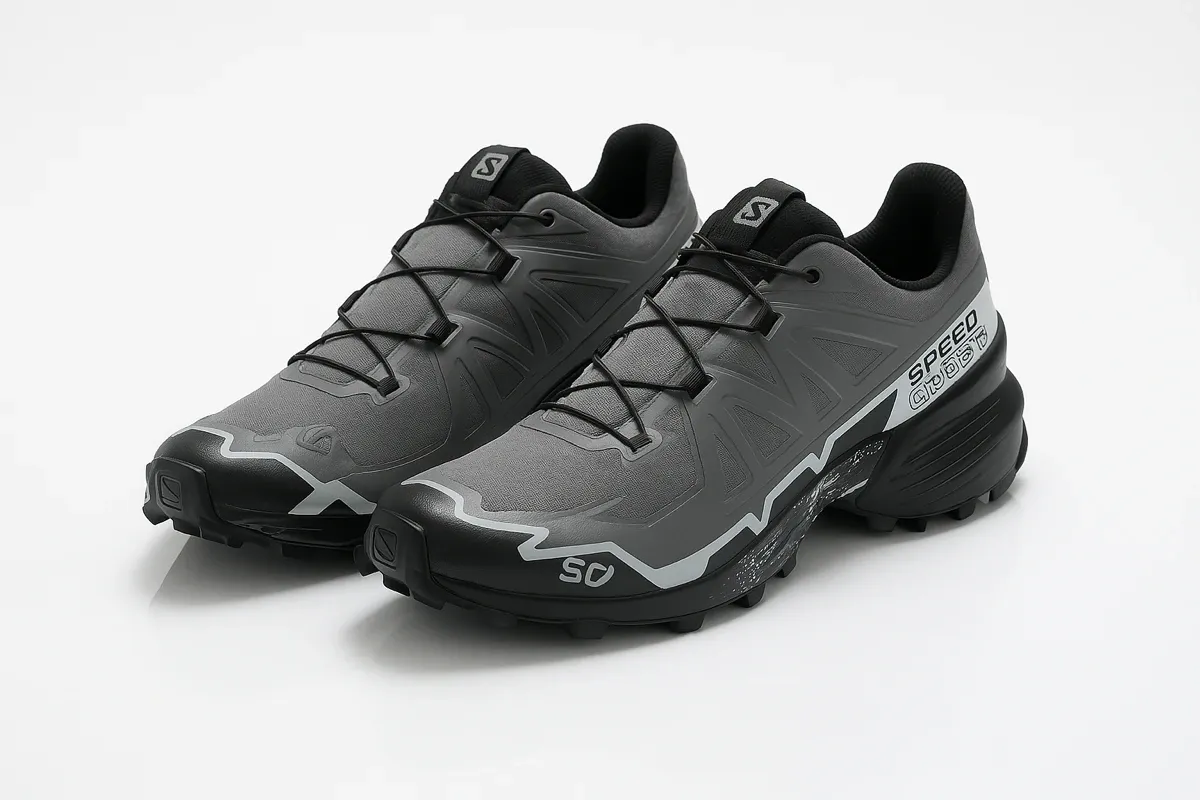
Salomon Speedcross 6 Review
Comprehensive review of the Salomon Speedcross 6 Forces Trail shoe highlighting its 4.6/5 rating, aggressive grip, quick-lace system, and ideal uses for trail enthusiasts.
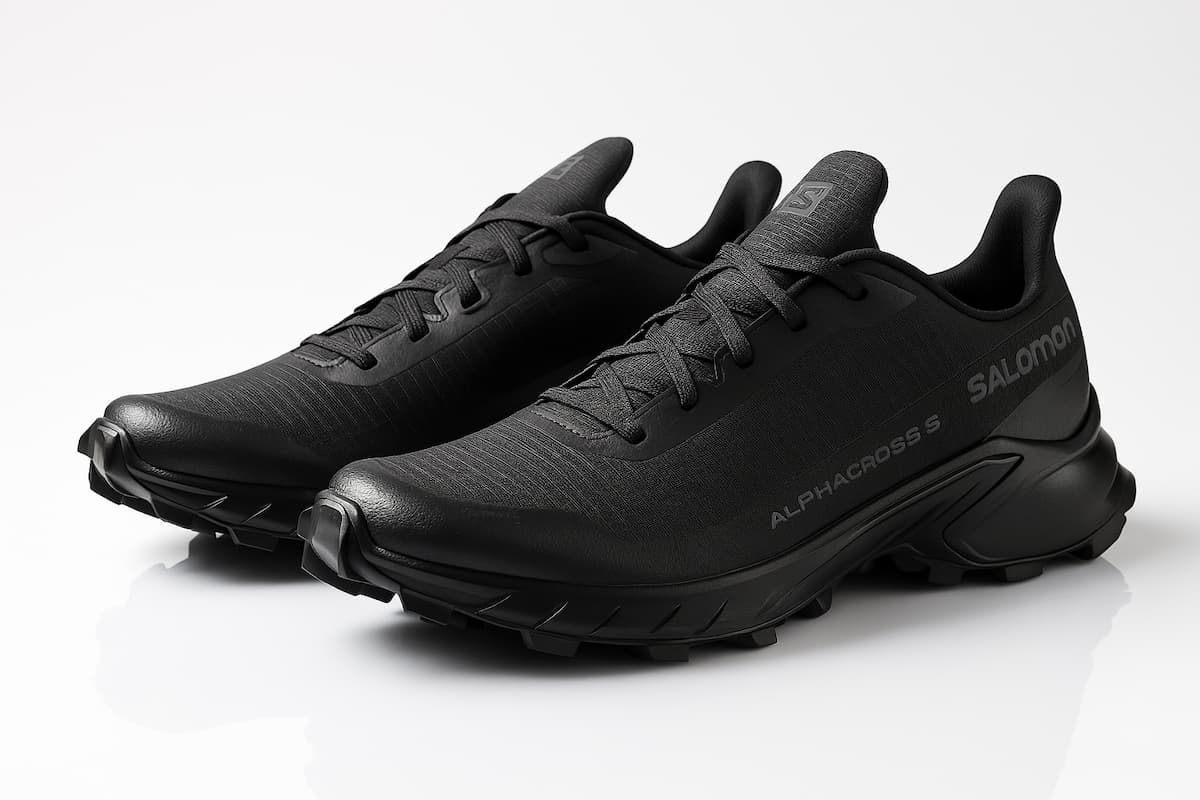
Salomon Alphacross 5 Trail Running Shoe Review
Detailed review of the Salomon Alphacross 5. We test its mud grip, wide fit, and durability to see if this budget trail runner is worth the hype.
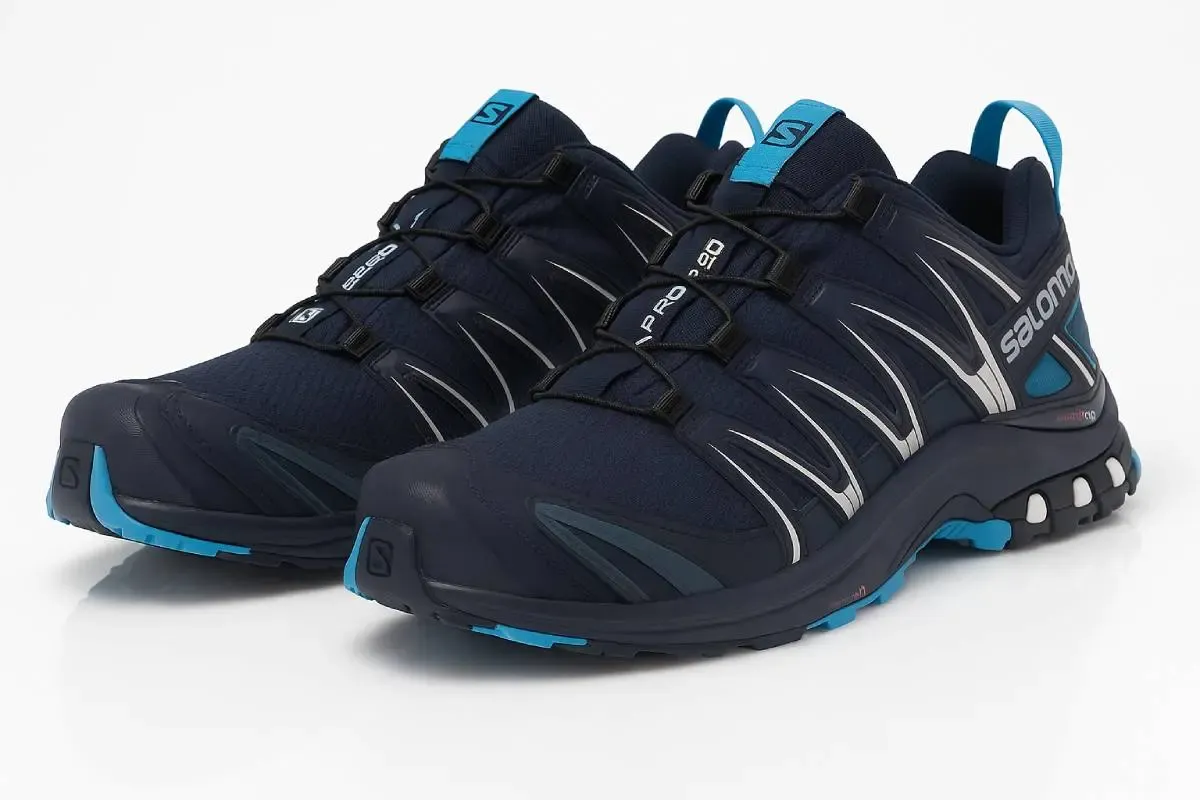
Salomon XA PRO 3D Gore-Tex Review
Looking for a versatile and durable trail shoe? Our comprehensive review of the Salomon XA PRO 3D Gore-Tex covers its performance, comfort, and more. Find out if this iconic shoe is the right fit for your adventures.
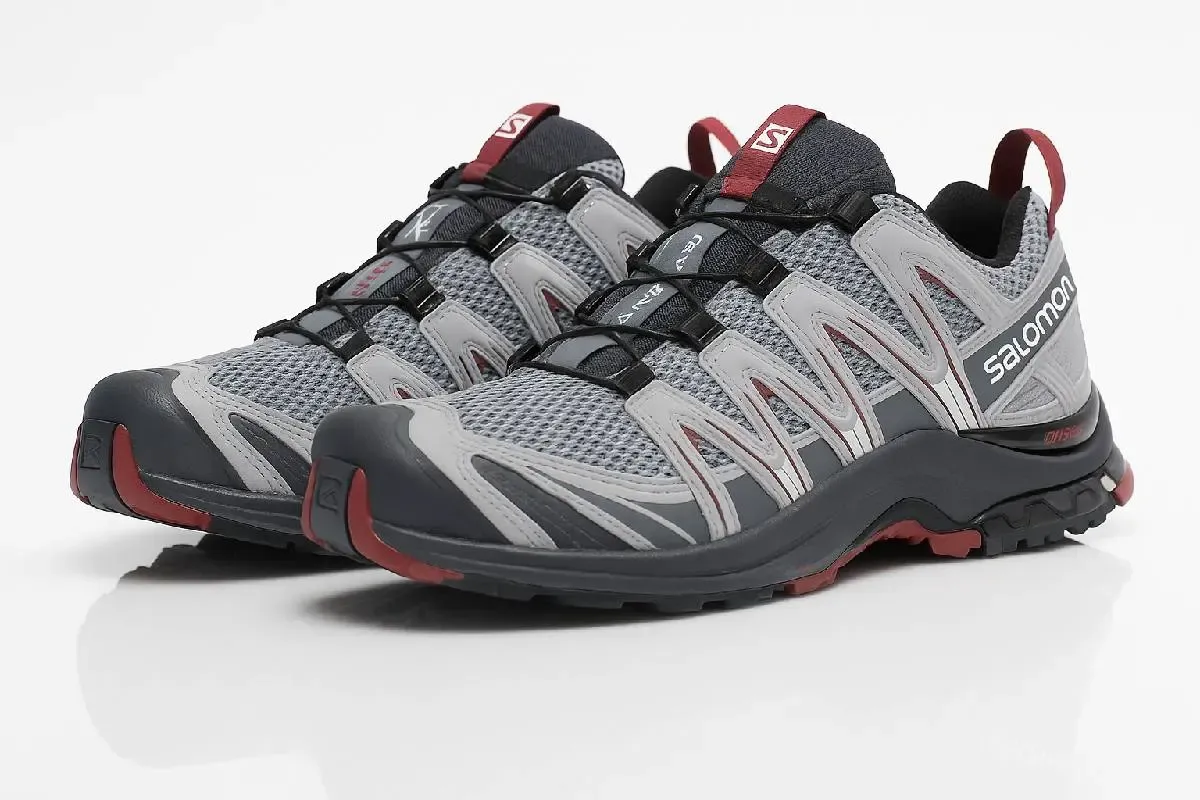
Salomon XA PRO 3D Review
An in-depth review of the Salomon XA PRO 3D, a durable and stable trail running shoe perfect for hiking and technical trails. Is it right for you?