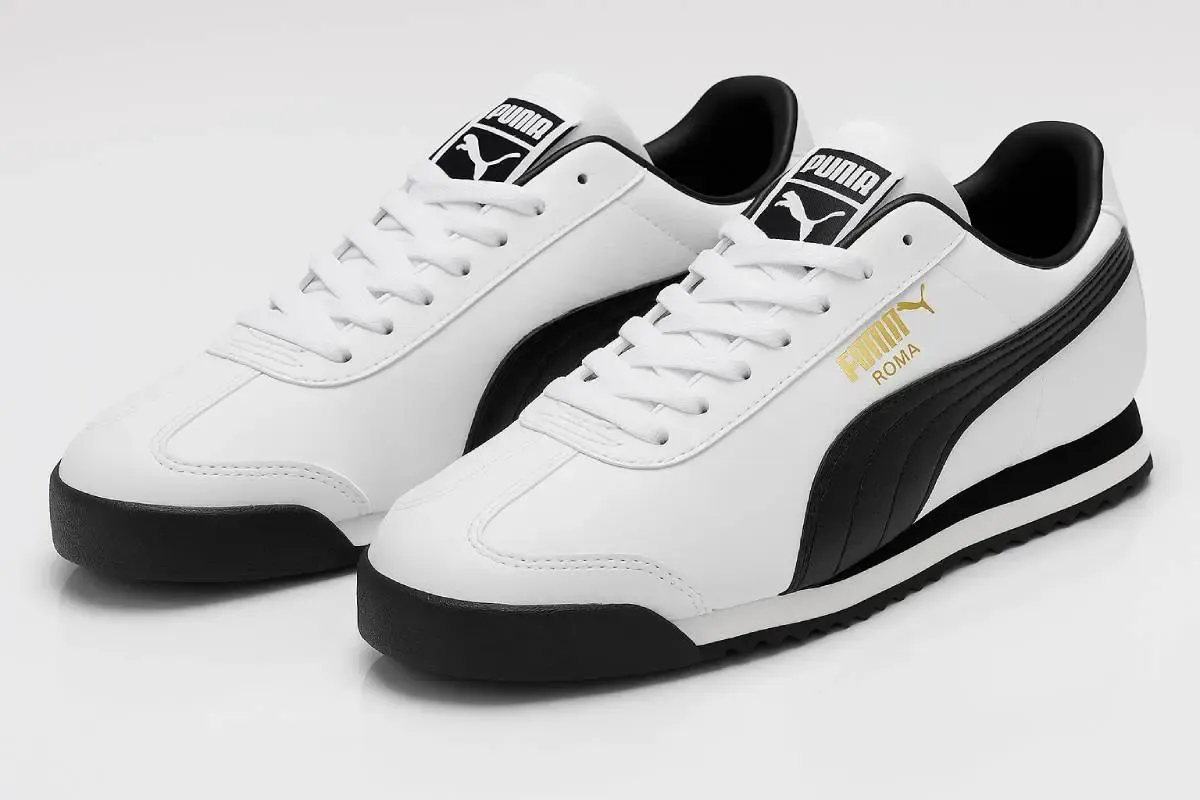
Short answer
The Puma Roma Classic is a legendary sneaker that has rightfully earned its place in the footwear hall of fame. Its timeless design, rooted in a rich sporting heritage, offers a unique blend of style and comfort that works beautifully for everyday life. While the narrow fit and potential durability issues are notable drawbacks, its exceptional value for money makes…
Who should buy
Retro Style Enthusiasts: If you love the look of classic, vintage-inspired sneakers, the Roma is a must-have.
Who should skip
People with Wide Feet: The consistently narrow fit can be a deal-breaker for those needing more room in the toe box.
Founder & Lead Editor
Federico D'anna
Federico D'anna has spent 9 years reviewing sneakers with a methodology built on hands-on wear notes, side-by-side comparisons, and verified buyer feedback.
Learn more about Federico D'annaHighlights
Positive
- Boasts a timeless, retro aesthetic that has been popular for decades.
- Generally comfortable for all-day casual wear and walking.
Negative
- Some models suffer from durability issues, particularly with the outsole and synthetic upper.
Puma Roma Classic Sizing summary
The Puma Roma Classic transitions seamlessly from its 1968 athletic track archives into contemporary street fashion, delivering a low-profile silhouette with a distinctly snug, performance-inspired fit. While its length generally runs true to size (TTS) for individuals with narrow or standard-width feet, the heavily tapered toe box exerts significant lateral pressure on the metatarsal region.
Fit note: Generally runs true to size, but it is highly recommended to go up a half or full size for wider feet due to its narrow design.
Full sizing guide →Ready to experience the Puma Roma Classic Review?
Get yours today with fast shipping from Amazon
The Puma Roma is one of those retro sneakers that made the jump from the track to the streets and never really left. First released in 1968, it's become a casual staple thanks to that sleek shape and easy everyday feel. This review breaks down the history, build, comfort, durability, and value so you can figure out if it fits your feet and your style.
Quick Take
Overall Rating: 4.1/5
Best For: Casual, everyday wear, Urban walking, travel
Key Strengths: Timeless retro style, Comfort for casual wear, Value for money, Moderate arch support
Notable Limitations: Narrow fit (often requires sizing up), Potential durability issues (faux-leather creasing/cracking, outsole peeling), Limited breathability, Not suitable for high-impact sports
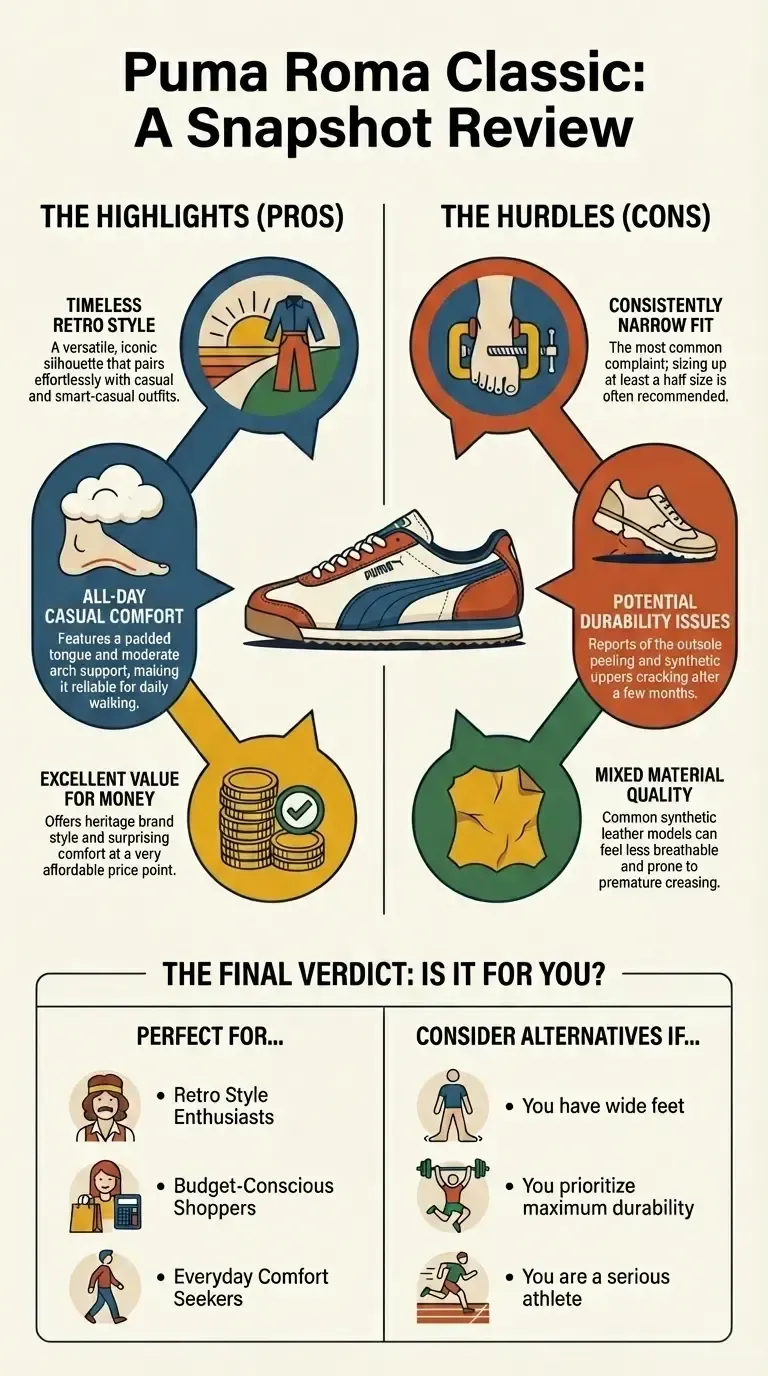
Visual Snapshot Summary
Specs & Sizing
| Retail price | $70 |
|---|---|
| Release year | 1968 |
| Upper | Varies by model; typically synthetic leather, with some versions in genuine leather or suede. Features a signature T-toe overlay and the Puma Formstrip. Some models have perforations for breathability. |
| Midsole | Constructed with Ethylene-vinyl acetate (EVA) foam for lightweight cushioning and shock absorption. Includes built-in arch support. |
| Outsole | Predominantly made of rubber, often gum rubber, with a serrated or herringbone tread pattern for good traction on urban surfaces. |
| Fit & sizing | Generally runs true to size, but it is highly recommended to go up a half or full size for wider feet due to its narrow design. |
What Makes Puma Roma Classic Stand Out?
The Roma's appeal comes down to a few simple things, starting with heritage. It's a 1968 track-and-field shoe at heart, and that authenticity is baked into the design. The sleek silhouette, the signature T-toe overlay, and the PUMA Formstrip all look unmistakably classic.
It's not just looks, either. People consistently praise it for everyday use—walking around the city, travel, and casual wear. As one fan puts it, "These are comfortable for all-day wear and light activity, perfect for walking around the city or traveling". Pair that with the friendly price, and it's easy to see why the Roma still stands out in a crowded market. It's the kind of shoe that doesn't try too hard, but still looks put-together with almost anything.
Real Customer Experiences
After you read enough reviews, a few clear patterns show up. The Puma Roma Classic is a bit of a “love it or leave it” shoe, and when people like it, they really like it.
- Style & Versatility: The retro design is a huge win. People love that it can be dressed up for a smart-casual look or down for a relaxed weekend vibe. The clean lines and classic silhouette make it easy to pair with almost anything, from jeans to chinos.
- Comfort for Daily Use: For walking around town or casual outings, many users find the Roma surprisingly easy on the foot. The padded tongue and collar plus the decent arch support make it a reliable all-day option. A common sentiment is that they are "surprisingly comfortable right out of the box".
- Excellent Value: The price is a major selling point. It's hard to find another shoe with this level of heritage and style at such an affordable price. Reviewers frequently mention that it "exceeds what you'd expect at this price point".
However, not everything is perfect. There are some consistent complaints that potential buyers should be aware of.
- Narrow Fit: This is the most common issue. Many people, especially those with wider feet, find the shoe too tight, particularly in the toe box. The advice to "size up by at least a half size" is echoed in numerous reviews. One user even said, "My toes were crushed; the sizing feels inconsistent".
- Material Quality: While some versions come in genuine leather, many of the more common models use a synthetic or "faux-leather" upper. Some find it feels "thin and plasticky" and prone to creasing and cracking over time.
- Durability Concerns: A significant number of users have reported issues with the sole, specifically the outsole peeling away from the rest of the shoe after just a few months of wear. This is a definite letdown for a shoe with such a robust history.
Design & Build Quality
The Puma Roma's design is a beautiful throwback to the golden age of athletic footwear. Its silhouette is sleek and low-profile, characterized by the iconic T-toe overlay and the classic Puma Formstrip running down the sides. The gold foil branding adds a touch of retro flair that fans adore.
The upper is where things get a bit tricky. It can be made from genuine leather, suede, or synthetic leather, depending on the specific model. The synthetic versions are the source of most durability complaints, with users noting that they can crease, crack, and feel less breathable than their genuine leather counterparts. Inside, a synthetic lining and a padded tongue and collar provide decent comfort for everyday use.
Underfoot, the Roma features a full-length EVA midsole that offers lightweight cushioning and shock absorption. It's not advanced tech, but it gets the job done for casual wear. The outsole is typically made of rubber, often a gum sole, with a serrated or herringbone pattern for good grip on urban surfaces. While the grip is reliable, some users have reported issues with the outsole separating from the midsole prematurely.
Comfort & Fit
Comfort and fit are where the Roma gets polarizing. If you have narrower feet, it can feel like a perfect match—snug in a good way, right out of the box. Many people find it true to size and cushioned enough for errands and light activity. The built-in arch support is a nice bonus, offering a moderate level of support that plenty of wearers appreciate. As one wearer noted, "Offers moderate arch support, which is great for my everyday needs".
Love the comfort features?
See current availability and pricing
The sticking point is the narrow width, especially through the toe box. That comes up constantly in reviews. If you have wider feet, going up at least half a size (sometimes a full size) is common advice. Even then, it can still feel snug.
The break-in period also varies. Some find them comfortable from day one, while others mention a period of stiffness, particularly with the leather models, that requires a week or two of wear to soften up.
Style & Versatility
This is where the Puma Roma truly shines. Its timeless, retro aesthetic makes it one of the most versatile sneakers you can own. The clean, minimalist design means it pairs effortlessly with a huge range of outfits.
For a casual, everyday look, they're perfect with jeans, chinos, or shorts. The silhouette is sleek enough to be dressed up with a blazer and smart trousers for a more polished, smart-casual vibe. The variety of colorways, from classic white and black to bolder options, means there's a Roma for every personal style. The white colorways, in particular, are a popular choice for spring and summer looks. The Roma's rich history also gives it a cultural cool factor that has been embraced by various subcultures over the decades, from football "casuals" to Britpop fans.
Quality and Durability
The quality and durability of the Puma Roma Classic can be a bit of a mixed bag. On one hand, you have a shoe with a sturdy design legacy, featuring a protective T-toe overlay and a solid rubber outsole. Some versions are praised for their "impeccable stitching" and well-made feel, suggesting good craftsmanship.
On the other hand, durability is a common complaint, appearing in about 25% of negative reviews. The main culprits are the synthetic leather uppers used in many modern versions, which are prone to premature creasing and cracking, and the outsole, which has a tendency to peel away from the midsole. One reviewer expressed this frustration clearly: "The outsole started peeling off prematurely after only a few months of light wear". While the shoe is not intended for rigorous athletic activity, these issues can arise even with casual use. Proper care, like avoiding machine washing and rotating your shoes, can help extend their lifespan.
Decision Matrix
| Scenario | Comfort | Breathability | Rain/Grip | Style |
|---|---|---|---|---|
| Daily Casual Wear | ✓ | ○ | ○ | ✓ |
| Light Gym Use | ○ | ○ | ✓ | ○ |
| Long-Distance Walking | ○ | ✕ | ✓ | ✓ |
Legend: ✓ = Good ○ = Average ✕ = Poor
Who Should Buy
Perfect For
- Retro Style Enthusiasts: If you love the look of classic, vintage-inspired sneakers, the Roma is a must-have.
- Budget-Conscious Shoppers: It offers a great balance of style, brand recognition, and comfort at an affordable price point.
- Everyday Comfort Seekers: For those needing a reliable and comfortable shoe for daily errands, walks, and casual outings, the Roma is a solid choice.
- Fashion-Forward Individuals: Its versatility allows it to be dressed up or down, making it a great addition to any stylish wardrobe.
- Sneaker Collectors: The historical significance and various special editions make it a worthy addition to any collection.
Consider Alternatives If
- People with Wide Feet: The consistently narrow fit can be a deal-breaker for those needing more room in the toe box.
- Serious Athletes: It lacks the support and advanced cushioning required for running or intense workouts.
- Those Needing High Breathability: The synthetic leather versions can get warm, making them less ideal for hot climates or those with sweaty feet.
- Durability-Focused Buyers: If you're looking for a shoe to withstand heavy, daily wear and tear, the reports of sole separation and material cracking are a concern.
- Fans of Modern Sneaker Tech: If you prefer the latest in cushioning and material innovation, the Roma's old-school construction might feel outdated.
Where to buy
| Store | Details | Link |
|---|---|---|
| Amazon | Free returns on most sizes |
Final Verdict
The Puma Roma Classic is a legendary sneaker that has rightfully earned its place in the footwear hall of fame. Its timeless design, rooted in a rich sporting heritage, offers a unique blend of style and comfort that works beautifully for everyday life. While the narrow fit and potential durability issues are notable drawbacks, its exceptional value for money makes it a highly attractive option. If you're looking for a versatile, stylish, and affordable retro sneaker for casual wear, the Puma Roma is an excellent choice.
Browse our full Puma collection to find your perfect pair.
As an Amazon Associate we earn from qualifying purchases. This helps support our site so we can keep bringing you the best content!
Frequently Asked Questions
Do Puma Roma Classics have durability issues?
Are Puma Romas good for walking?
What is the difference between Puma Roma and Puma Suede?
Related Reviews
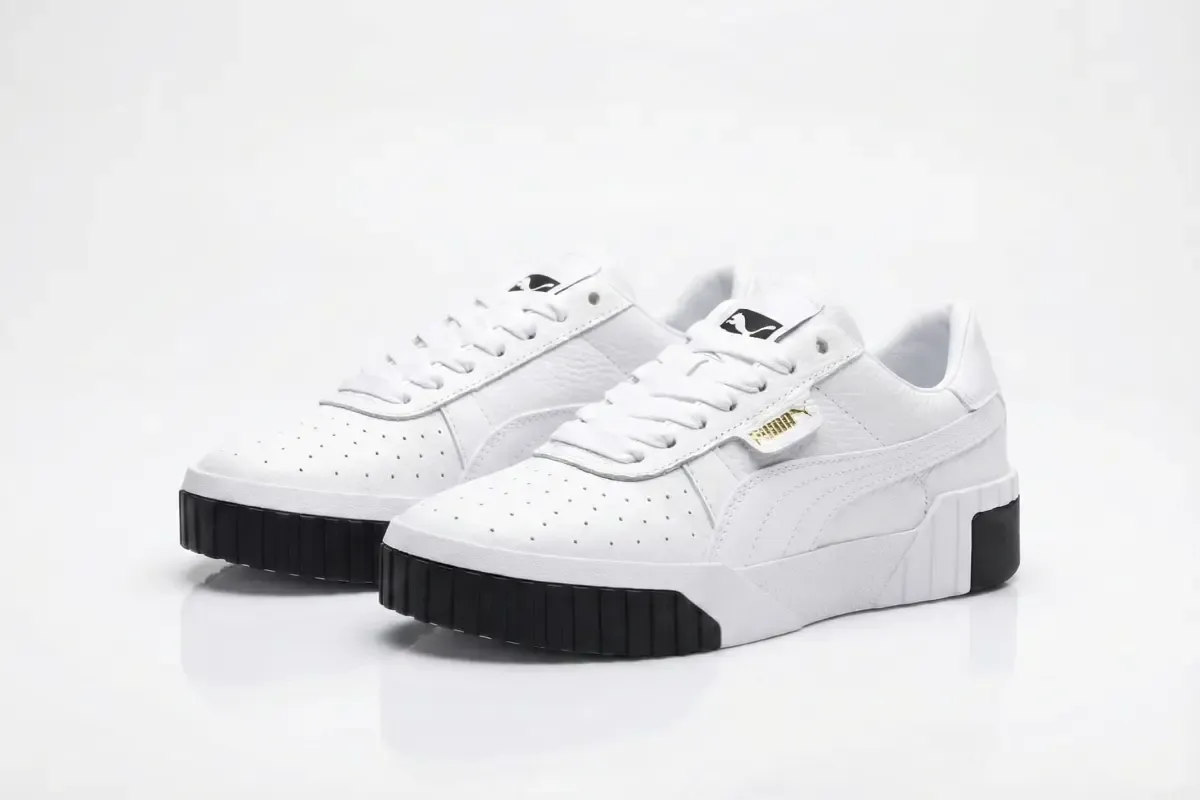
Puma Cali Review
Is the Puma Cali worth the hype? We analyze the fit, comfort, durability, and styling of this retro 80s reissue. Read our deep dive.
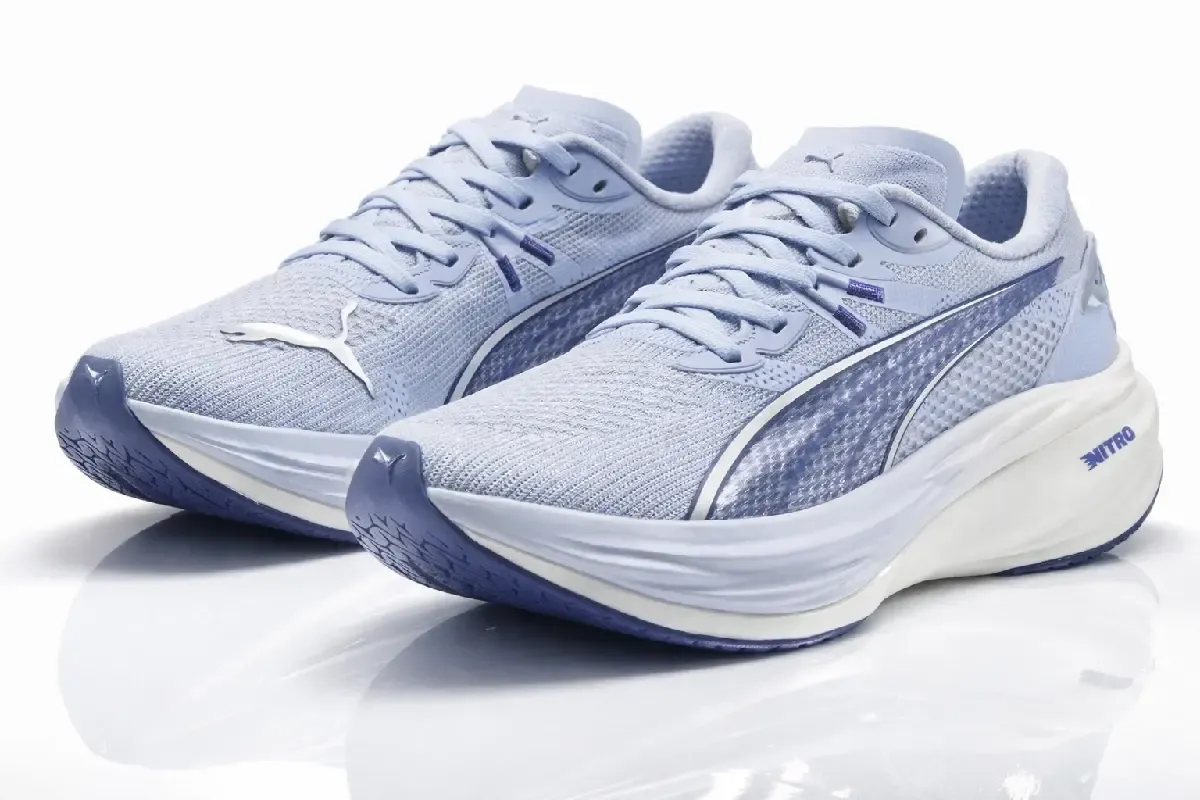
Puma Deviate Nitro 3 Review
Puma Deviate Nitro 3 Review: A versatile carbon-plated running shoe perfect for speed training and gym workouts. Read our in-depth analysis.
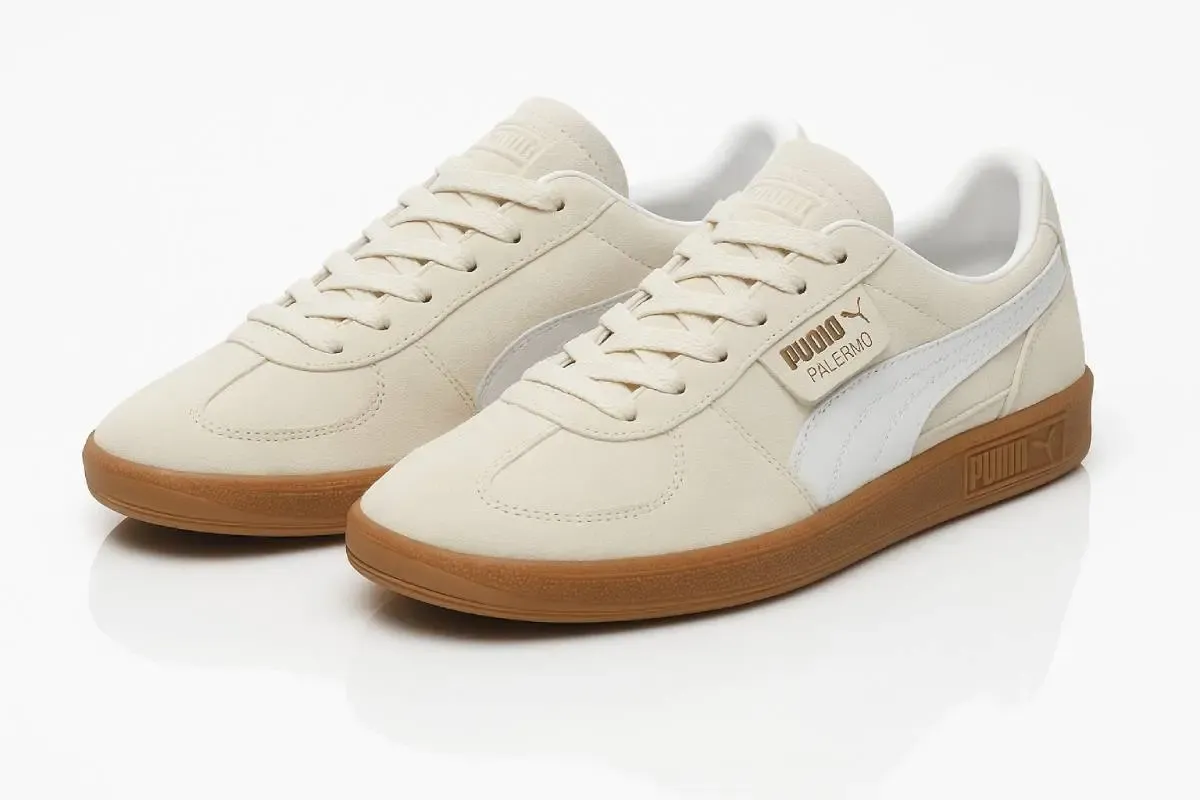
Puma Palermo Review
An in-depth review of the Puma Palermo. We cover comfort, sizing, style, and durability to see if this trendy retro sneaker is worth your money.
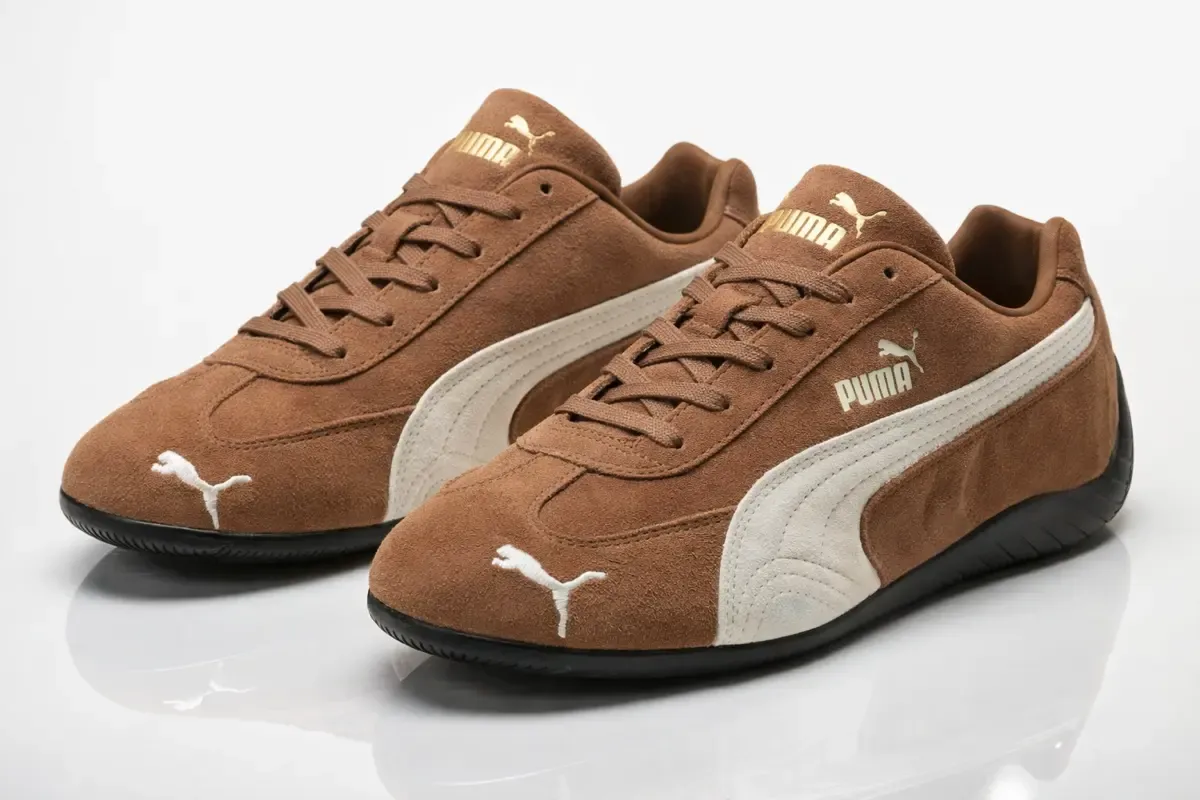
Puma Speedcat OG Review
Is the Puma Speedcat OG worth the hype? We analyze the fit, comfort, and F1 history of this trending ballet-style sneaker. Read the full verdict.
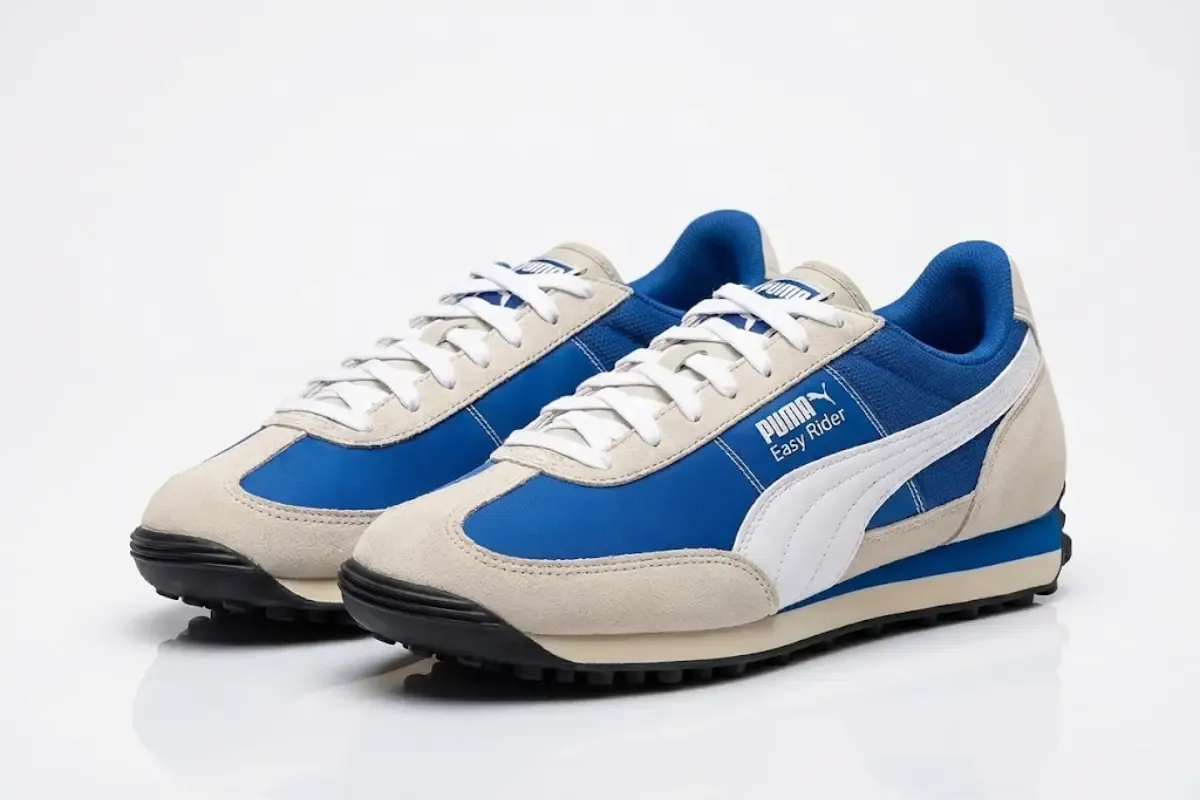
Puma Easy Rider Review
Puma Easy Rider review (Vintage and standard): 1978 retro runner, $90 retail, often discounted. True to size, wide feet go half up. Sizing and verdict.
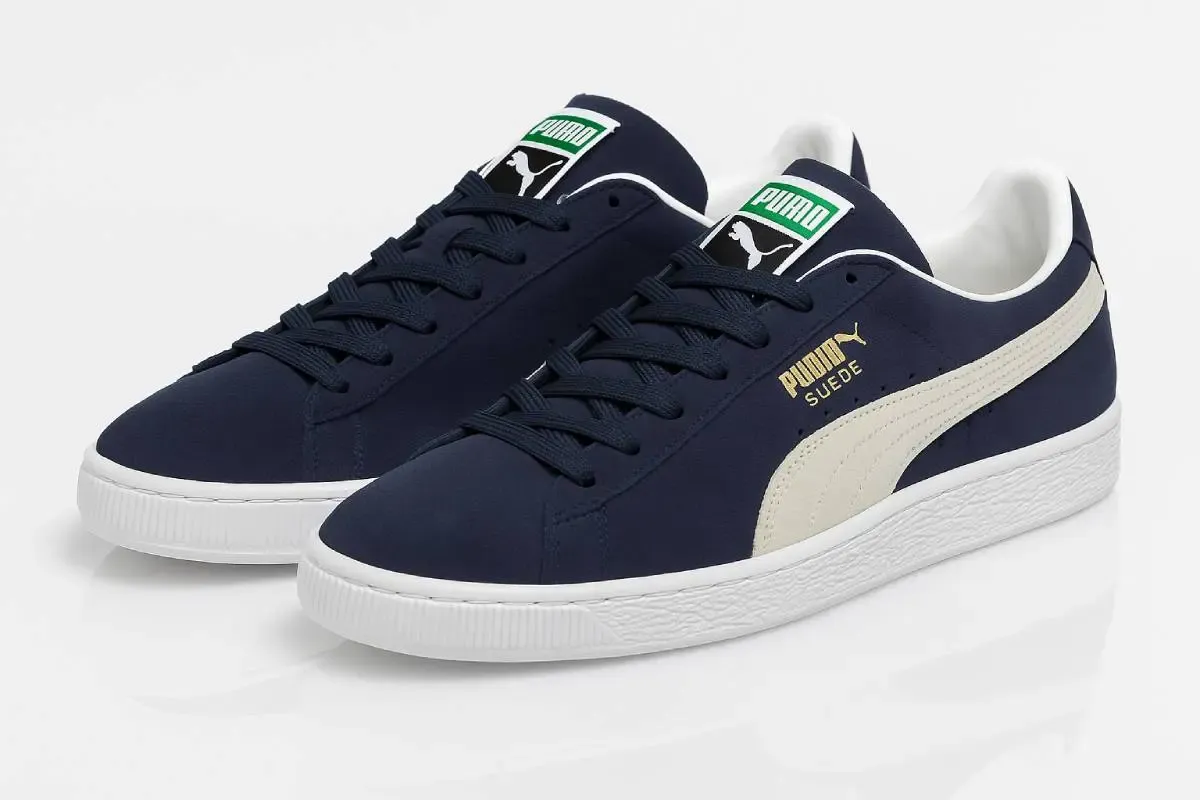
Puma Suede Classic Review
Puma Suede Classic review: the 1968 icon in full suede, $70 retail. True to size in length but narrow, wide feet go half up. Comfort, break-in, verdict.