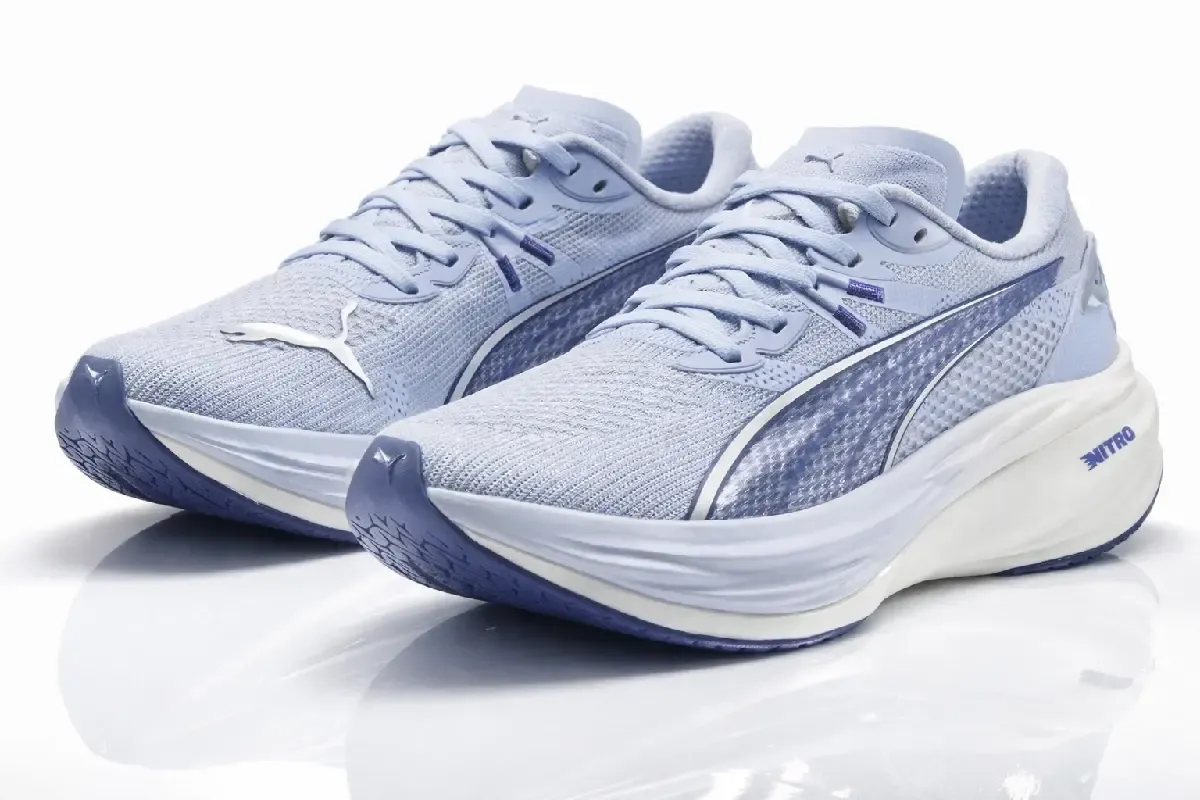
Short answer
The Puma Deviate Nitro 3 is a triumph of modern footwear engineering. It successfully straddles the line between a high-performance speed shoe and a comfortable daily trainer. It's got the "pop" to make you feel fast and the cushion to keep you feeling fresh. Sure, the outsole durability is a slight concern for the heavy-footed among us, and the price…
Who should buy
The Hybrid Athlete: If your week involves a 10K run on Tuesday, track intervals on Thursday, and a HIIT class on Saturday, this shoe covers all those bases brilliantly.
Who should skip
The Heavy-Duty Lifter: If you spend your gym time doing heavy squats and deadlifts, the high stack height and compressible foam are too unstable. Stick to flat-soled shoes.
Founder & Lead Editor
Federico D'anna
Federico D'anna has spent 9 years reviewing sneakers with a methodology built on hands-on wear notes, side-by-side comparisons, and verified buyer feedback.
Learn more about Federico D'annaHighlights
Positive
- The NITROFOAM midsole creates a genuinely 'cloud-like' sensation that doesn't sacrifice speed.
- Its versatile design handles everything from marathon training to high-intensity gym intervals with ease.
Negative
- The outsole rubber tends to wear down faster than competitors on rough surfaces.
Convinced by the pros? Check today's price.
Puma Deviate Nitro 3 Sizing summary
The Puma Deviate Nitro 3 solidifies its position within the competitive plated daily trainer market, offering a performance-oriented ride with a highly snug fit profile. True to size for standard and wide feet; half-size up recommended for narrow feet seeking room.
Fit note: True to size for standard and wide feet; half-size up recommended for narrow feet seeking room
Full sizing guide →Know your size? Buy it in your width.
User Insights
278 verified reviews
Rating Distribution
Feature Feedback
% positiveExperience Level
278 user reports can't all be wrong.
The Puma Deviate Nitro 3 is built for runners who want that plated “pop” without committing to a stripped-down race flat. It's positioned as a versatile option that can handle speed sessions and longer training runs, while still feeling cushioned enough for everyday miles. The big idea is simple: pair a carbon plate with nitrogen-infused foam, then keep the package lightweight and usable for more than just race day.
Quick Take
Overall Rating: 4.6/5
Best For: Speed training, HIIT workouts, Neutral runners, 5K to Marathon distances
Key Strengths: "Cloud-like" NITROFOAM cushioning, Explosive carbon plate propulsion, Extremely lightweight (250g)
Notable Limitations: Outsole durability on rough surfaces, Premium price point
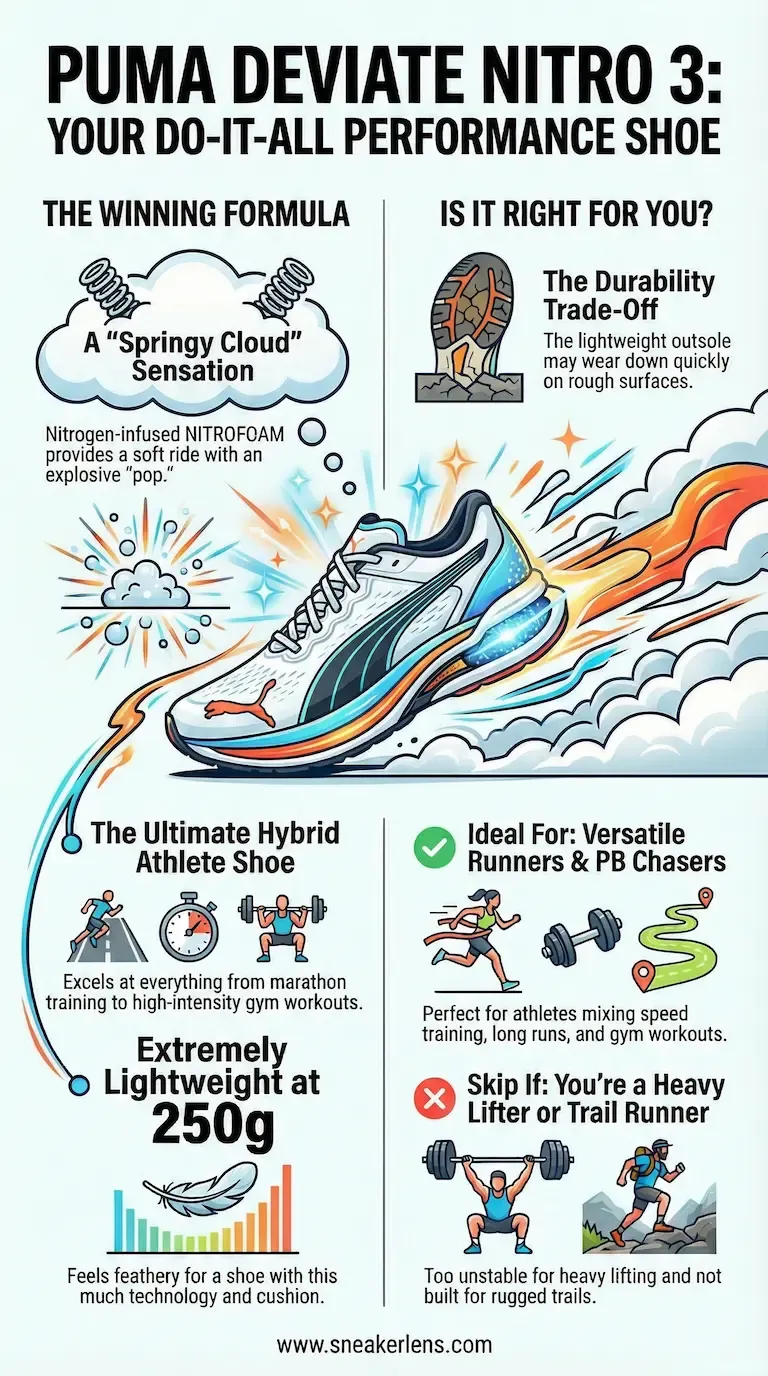
Visual Snapshot Summary
Specs & Sizing
| Weight | 250 g |
|---|---|
| Retail price | $160 |
| Price on Amazon | $99–$140 |
| Release year | 2024 |
| Upper | Engineered mesh with synthetic overlays for structure and breathability |
| Midsole | Full-length NITROFOAM with embedded carbon fiber Pwrplate |
| Outsole | PUMAGRIP rubber with moderate lug pattern for road and gym floors |
| Technologies | NITRO Advanced Foam, Pwrplate carbon fiber, PUMAGRIP outsole, Reflective branding |
| Fit & sizing | True to size for standard and wide feet; half-size up recommended for narrow feet seeking room |
What Makes The Puma Deviate Nitro 3 Stand Out?
In a market saturated with "super shoes," it takes a lot to turn heads, but the Deviate Nitro 3 manages it by simply being fun to run in. The secret sauce is the combo. It's not just about having a carbon plate; it's about how that "Pwrplate" interacts with the nitrogen-infused foam.
Most carbon-plated shoes feel aggressive and stiff, almost punishing if you aren't running at an elite pace. The Deviate Nitro 3 feels different. It uses Puma's proprietary NITROFOAM, a nitrogen-infused polyurethane that creates a matrix of gas pockets for a ride that's resilient yet shockingly light. It bridges the gap between a rigid racer and a softer trainer.
Users consistently describe the sensation as "running on clouds," but clouds that have a hidden spring inside them. This isn't just marketing fluff; it's a tangible "pop" off the pavement that makes fast paces feel easier. It's that rare "performance hybrid" that actually delivers on the "performance" part without sacrificing the comfort you need for daily miles. One customer summed it up perfectly:
"The shoe's cloud-like cushioning and race-ready feel make every stride feel effortless."
Real Customer Experiences
When you dig into the feedback from over 200 verified buyers, the picture becomes pretty clear. People generally adore this shoe, with a few caveats you need to know about.
- The "Pop" is Real: The overwhelming sentiment revolves around the energy return. Runners feel faster and report less leg fatigue after hard sessions, attributing it to the carbon plate/foam combo.
- Versatility King: Many users appreciate that they can wear this for a track workout and then transition immediately into box jumps or plyometrics without changing shoes.
- Wear and Tear Worries: A recurring theme in the negative feedback column is the outsole longevity. Some users noticed premature wear on the rubber when using the shoe heavily on grit or rough gym floors.
As one user bluntly put it regarding the durability trade-off:
"The outsole wears down quickly in high-abrasion areas... especially on the lateral edge."
Design and Build Quality
The architecture here is genuinely interesting. The upper is a breathable engineered mesh designed to be airy, wicking away moisture during sweaty summer runs or intense indoor intervals. It's reinforced in key areas, but remains flexible enough to accommodate foot swelling.
Moving down to the engine room—the midsole—we have the NITROFOAM. This isn't standard EVA foam; the nitrogen infusion process makes it significantly lighter and more responsive. Sandwiched in there is the "Pwrplate," a carbon fiber plate that acts as a lever. It adds torsional stiffness—meaning the shoe doesn't twist easily—which is great for energy transfer but might feel stiff if you're used to super flexible minimal shoes.
The outsole uses "PUMAGRIP" rubber. On paper and in practice, the grip is excellent on dry surfaces and decent on wet ones. But to keep the weight down to that feathery 250g (for a men's UK8), rubber coverage is strategic rather than total. That exposes some foam and ties directly into the durability concerns mentioned earlier. Stack height is generous—39mm at the heel and 29mm at the forefoot—giving you a 10mm drop. It's a classic road-running geometry that favors forward momentum.
Comfort and Fit
Fit-wise, the consensus on the Deviate Nitro 3 is strong. The fit is generally true to size, so you don't have to play the guessing game of going up or down a half size. The lacing system also gives a very secure lockdown, which matters if you are doing lateral movements in a gym setting.
The "step-in" feel is plush. You don't need a long break-in period; most runners find them ready to go right out of the box. This is a neutral shoe. If you have severe overpronation, the soft foam and high stack might feel a bit unstable since there's no medial post to prop you up. But for the average neutral runner, it's an easy ride to enjoy.
One review highlighted this immediate comfort:
"The shoe's superior cushioning and responsive feel provide a propulsive effect during each stride... contributing significantly to high marks for comfort."
Style and Versatility
Let's be real: we all want our running shoes to look good. The Deviate Nitro 3 avoids that "orthopedic" look that plagues some high-cushion trainers. It has a sleek, streamlined silhouette with some really sharp colorways.
Because it's not overly bulky, it transitions surprisingly well to casual wear. You could easily wear these with a pair of joggers or even jeans for a coffee run without looking like you just sprinted off the track. The reflective elements are a nice touch for safety, but they also add a bit of tech-wear flair. Ideally, this is your "do-it-all" travel shoe: gym in the morning, walking tour in the afternoon, and maybe even a casual dinner if you push it.
Quality and Durability
Here is where we have to balance the praise with a dose of reality. The build quality, in terms of assembly and materials (the mesh, the foam), is top-notch. It feels premium. But the durability of the outsole is the Achilles' heel for some.
While many users report getting hundreds of miles out of them without issue, those who abuse them on rough asphalt or intense cross-training floors report the rubber smoothing out faster than expected. It's a trade-off. You get lighter weight and better grip, but you might lose some longevity compared to a heavy-duty trainer. It's like buying a sports car; you don't expect the tires to last as long as a sedan's, right?
"Notable limitations emerge from concerns about durability, specifically regarding the outsole's resistance to wear in high-abrasion zones."
Decision Matrix
| Scenario ↓ / Criterion → | Comfort | Breathability | Rain/Grip | Style |
|---|---|---|---|---|
| Daily Urban | ✓ | ✓ | ○ | ✓ |
| Office Casual | ✓ | ✓ | ○ | ✓ |
| Light Sport / Gym | ✓ | ✓ | ○ | ✓ |
Legend: ✓ = Good ○ = Average ✕ = Poor
Who Should Buy
Perfect For
- The Hybrid Athlete: If your week involves a 10K run on Tuesday, track intervals on Thursday, and a HIIT class on Saturday, this shoe covers all those bases brilliantly.
- The PB Chaser: Runners looking to shave seconds off their 5K or half-marathon time will love the propulsive kick of the carbon plate without the harshness of a pure racing flat.
- The Comfort Seeker: Even if you aren't racing, if you want a daily walking shoe that feels soft, springy, and premium, and you have the budget, you won't regret the comfort level.
Consider Alternatives If
- The Heavy-Duty Lifter: If you spend your gym time doing heavy squats and deadlifts, the high stack height and compressible foam are too unstable. Stick to flat-soled shoes.
- The Trail Blazer: While the grip is good, the exposed foam and road-specific rubber won't survive long on technical, rocky trails.
- The Budget Conscious: If $160 makes your eyes water and you just need a basic gym shoe, there are plenty of capable options like the Nike Initiator or basic Pumas for half the price.
Where to buy
| Store | Details | Link |
|---|---|---|
| Amazon | Free returns on most sizes |
Final Verdict
The Puma Deviate Nitro 3 is a triumph of modern footwear engineering. It successfully straddles the line between a high-performance speed shoe and a comfortable daily trainer. It's got the "pop" to make you feel fast and the cushion to keep you feeling fresh. Sure, the outsole durability is a slight concern for the heavy-footed among us, and the price is premium, but for the versatility and the sheer joy of the ride, it's a winner. It's a shoe that begs you to run just a little bit faster.
Browse our full Puma collection to find your perfect pair.
As an Amazon Associate we earn from qualifying purchases. This helps support our site so we can keep bringing you the best content!
Frequently Asked Questions
Is the Puma Deviate Nitro 3 carbon plated?
Is the Puma Deviate Nitro 3 good for running and gym workouts?
What is the difference between Puma Deviate Nitro 3 and Velocity Nitro 3?
Related Reviews
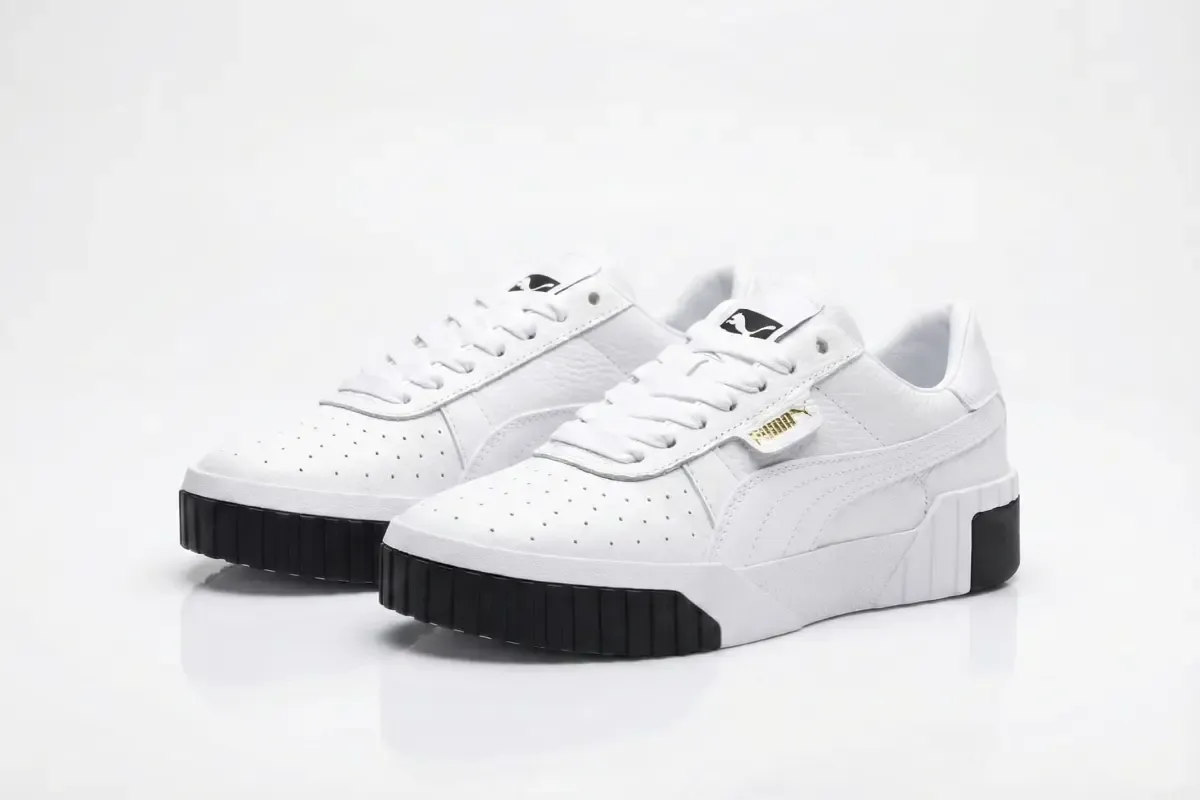
Puma Cali Review
Is the Puma Cali worth the hype? We analyze the fit, comfort, durability, and styling of this retro 80s reissue. Read our deep dive.
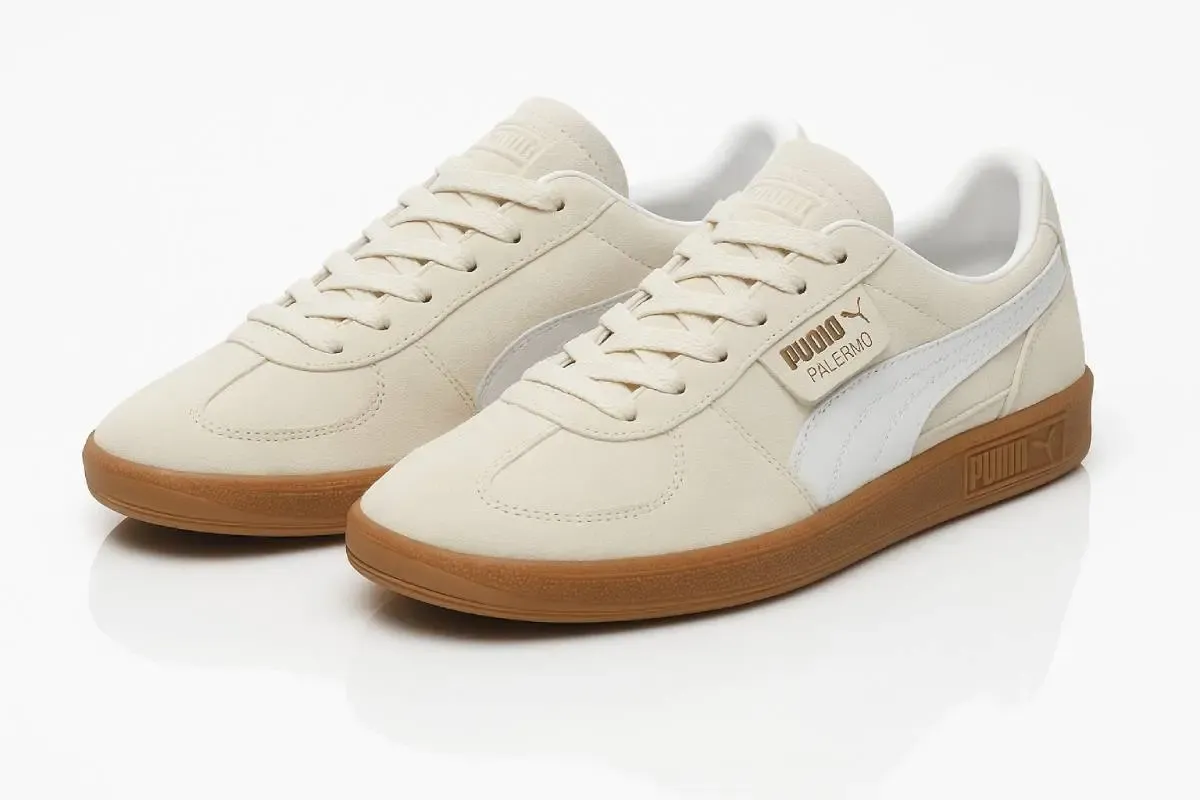
Puma Palermo Review
An in-depth review of the Puma Palermo. We cover comfort, sizing, style, and durability to see if this trendy retro sneaker is worth your money.
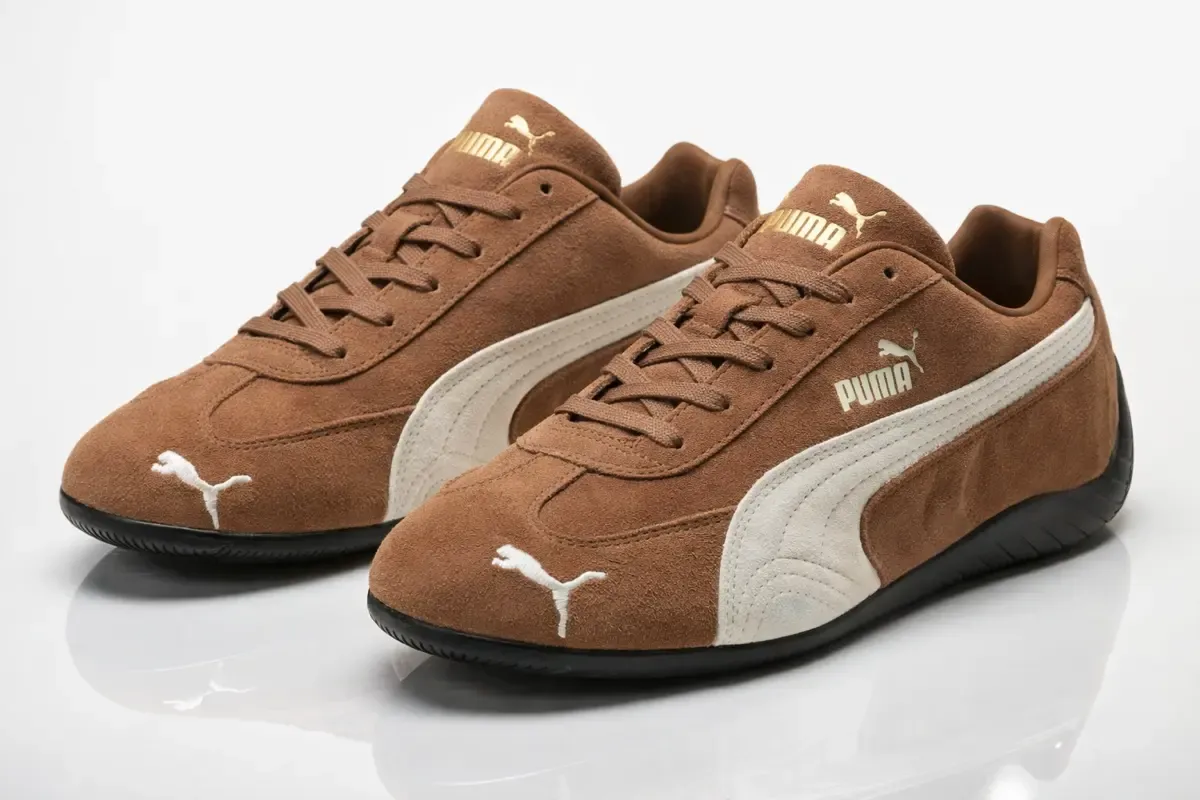
Puma Speedcat OG Review
Is the Puma Speedcat OG worth the hype? We analyze the fit, comfort, and F1 history of this trending ballet-style sneaker. Read the full verdict.
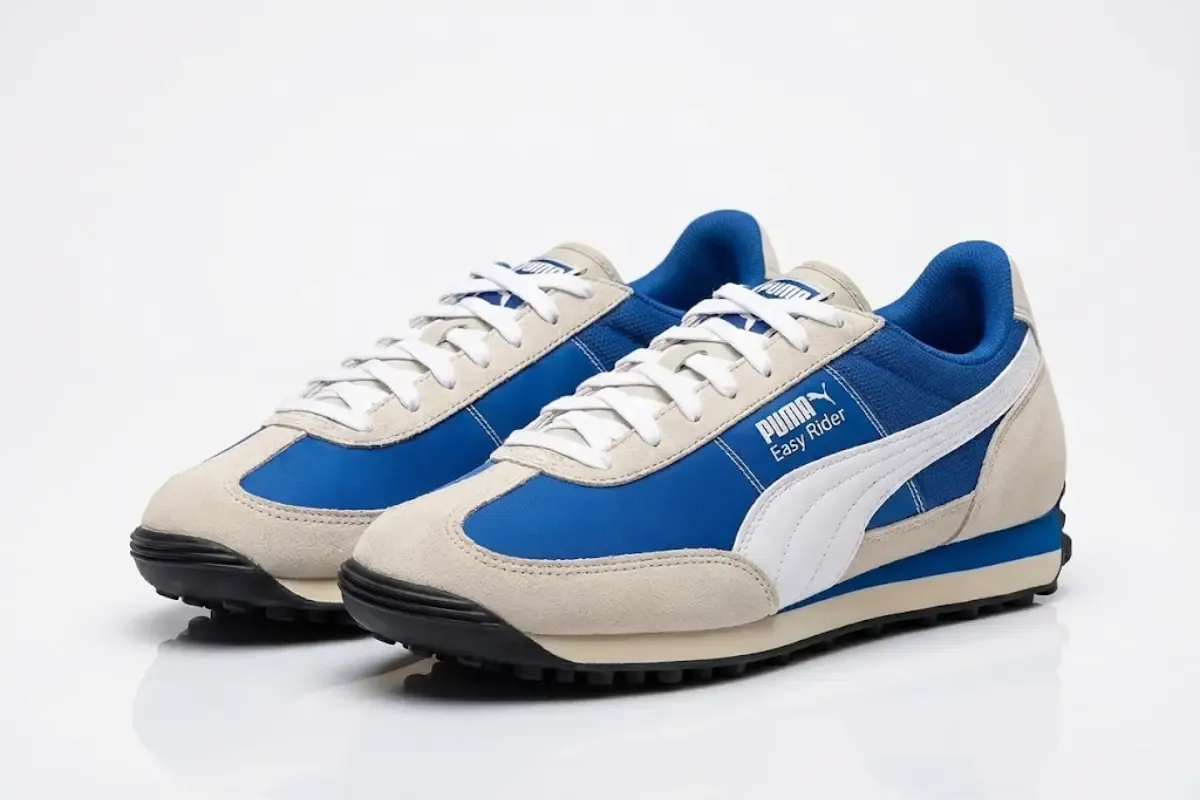
Puma Easy Rider Review
Puma Easy Rider review (Vintage and standard): 1978 retro runner, $90 retail, often discounted. True to size, wide feet go half up. Sizing and verdict.
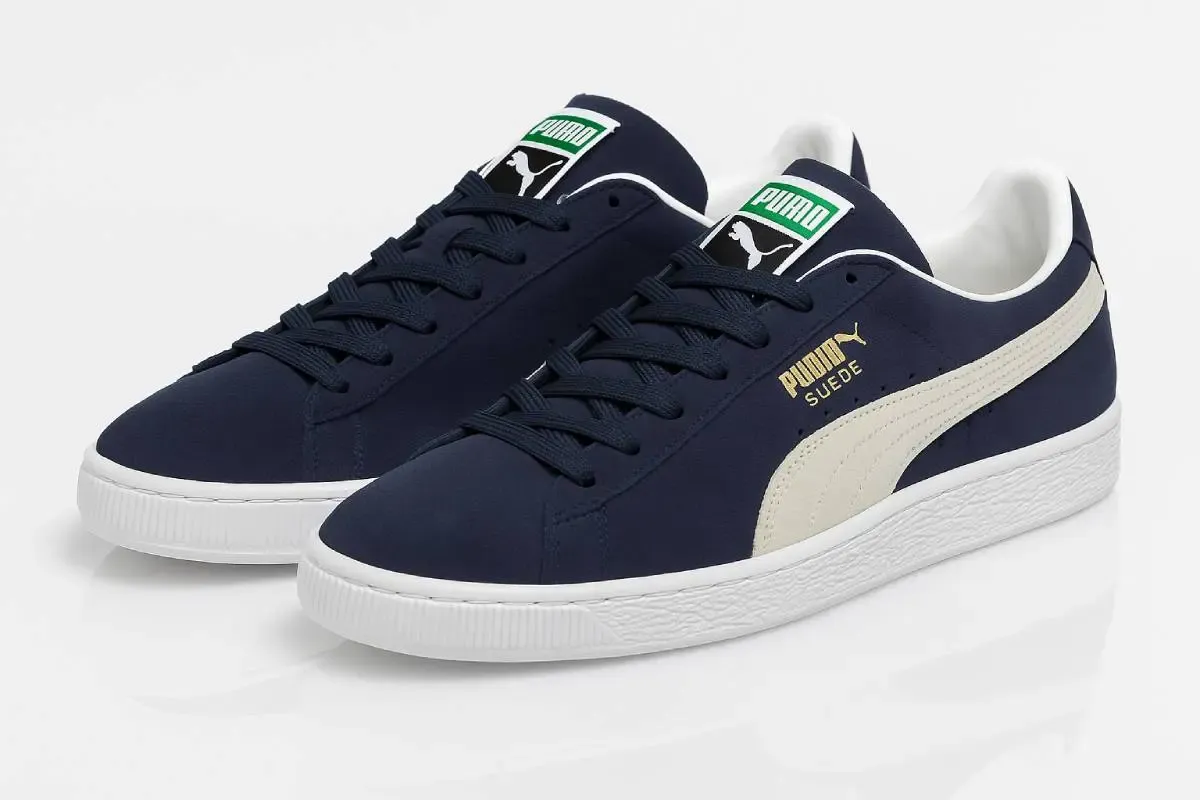
Puma Suede Classic Review
Puma Suede Classic review: the 1968 icon in full suede, $70 retail. True to size in length but narrow, wide feet go half up. Comfort, break-in, verdict.
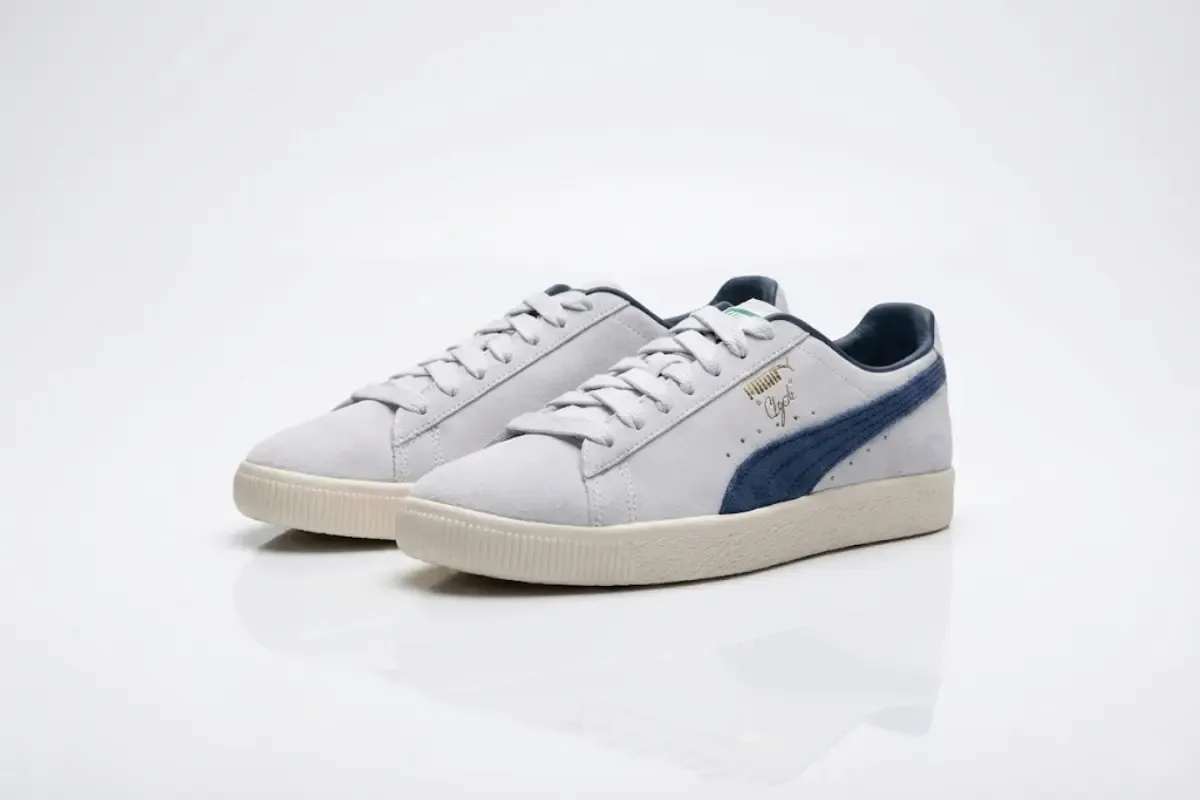
Puma Clyde Review
Puma Clyde Review: A detailed breakdown of the All-Pro Nitro and Premium Lifestyle models. Discover sizing, pros, cons, and performance stats.