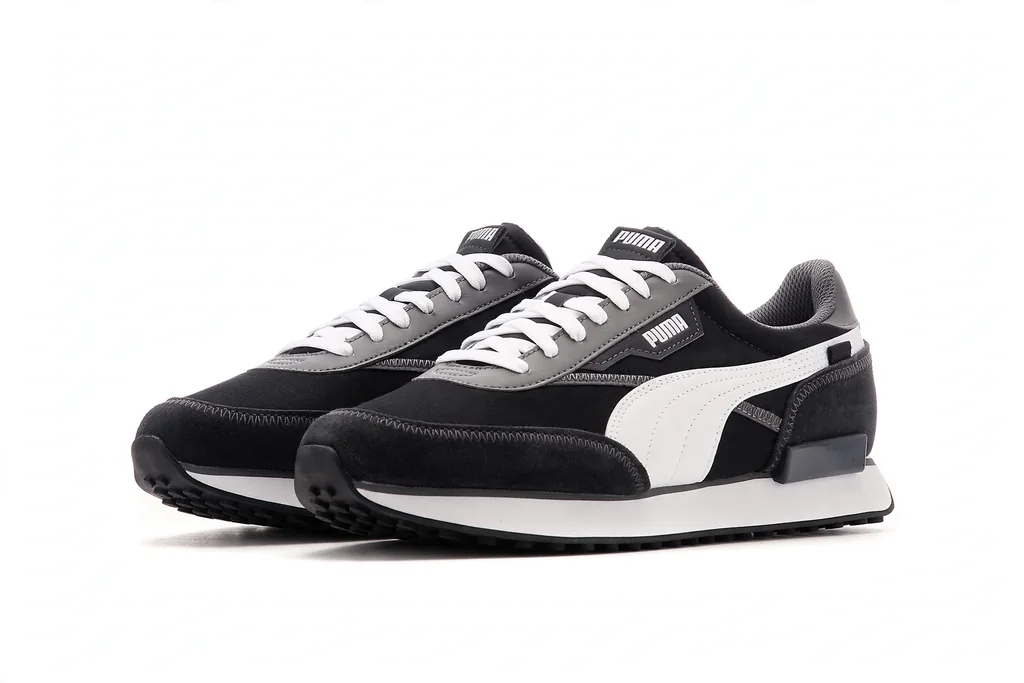
Short answer
The Puma Future Rider is a slim retro runner with history: Puma traces the line to the 1980 Fast Rider, reissued this version in October 2019 with nylon, suede, and a Federbein-inspired sole. It feels light and simple, and buyer feedback loves the comfort and the color blocking. The snag is the narrow toe box, so many size up half.…
Who should buy
Retro Running Fans: If you know the Fast Rider story and love seventies track style, this is the modern descendant done right. Puma's own copy traces the line to 1980, and the Federbein-inspired sole plus vintage color blocking make the heritage visible from across the street.
Who should skip
Wide-Footed Buyers: The toe box runs snug and narrow, and Puma makes no wide version of the Future Rider. If your forefoot spills over standard widths, the pinch at the toes will show up fast.
Founder & Lead Editor
Federico D'anna
Federico D'anna has spent 9 years reviewing sneakers with a methodology built on hands-on wear notes, side-by-side comparisons, and verified buyer feedback.
Learn more about Federico D'annaHighlights
Positive
- Authentic 1980 Fast Rider lineage with a Federbein-inspired rubber outsole and vintage nylon-and-suede color blocking.
- Light, simple build that buyers praise for easy all-day comfort at an eighty-dollar price.
Negative
- The narrow toe box pinches average and wide feet, and Puma makes no wide version to escape into.
Convinced by the pros? Check today's price.
Puma Future Rider Sizing summary
The Puma Future Rider runs a little small through the toes, so many buyers end up going up a half size. Length runs just short of true, and width is the tighter dimension: the vintage last is cut slim through the midfoot and toes with little lateral room.
Fit note: Runs snug in the toes; average feet often size up half
Full sizing guide →Know your size? Buy it in your width.
There is a specific joy in lacing up a shoe that looks exactly like the posters on a seventies track club wall. The Future Rider delivers that feeling without the vintage-store gamble: real heritage, clean materials, and a price that leaves room for a second colorway. This Puma Future Rider review covers the slim retro runner Puma brought back in October 2019 as the heir to its 1980 Fast Rider. It is light, simple, and honest about what it is: an eighty-dollar lifestyle shoe with vintage color blocking and easy all-day comfort. It will not coddle wide feet or thrill foam nerds. But if your feet run narrow to average and your wardrobe leans retro, few shoes deliver this much character for the money.
Quick Take
Overall Rating: 4.3/5
Best For: Retro running style, casual city days, warm-weather outfits, and narrow to average feet that like a snug vintage cut.
Key Strengths: Genuine 1980 Fast Rider heritage, light and simple build, standout vintage color blocking, and an eighty-dollar price.
Notable Limitations: Narrow toe box with no wide version, basic EVA cushioning, and no published weight or stack figures.
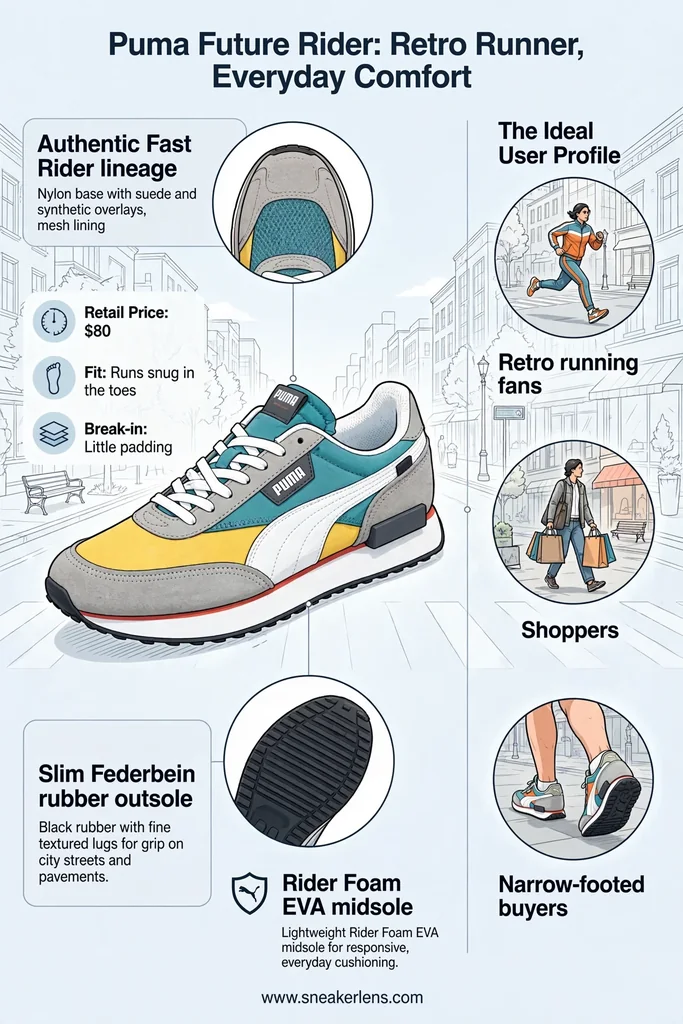
Visual Snapshot Summary
Specs & Sizing
| Retail price | $80 |
|---|---|
| Release year | 2019 |
| Upper | Nylon base with suede and synthetic overlays, mesh lining, TPU heel stabilizer |
| Midsole | Rider Foam, Puma's marketing name for an EVA midsole |
| Outsole | Slim Federbein rubber outsole inspired by the original Fast Rider |
| Technologies | Rider Foam EVA midsole, Federbein outsole, TPU heel stabilizer |
| Fit & sizing | Runs snug in the toes; average feet often size up half |
What Makes Puma Future Rider Stand Out?
Start with the bloodline, because Puma puts it front and center. The brand's own product copy says it plainly: born in 1980, the Fast Rider launched when running moved from the track to the street, and Puma revamped it into the Future Rider with a slim Federbein outsole and a comfortable Rider Foam midsole. That lineage is official, not marketing fluff added later. The original Fast Rider was built around the Federbein sole unit, and the Future Rider keeps the nod with a corrugated rubber outsole inspired by that design.
The launch story is well documented. Launch coverage dates the first retail release to October 26, 2019, when the Fast Rider OG, the Future Rider, and the Style Rider all dropped together. The Play On general release that most shoppers know followed in February 2020. Knowing the date matters because sneaker blogs sometimes compress the timeline; the shoe is a 2019 release with a 2020 general rollout, not a 2020 debut.
The Rider family tree deserves a paragraph, since shoppers constantly mix up the siblings. The Puma Easy Rider is the late-seventies original: a leather upper with suede overlays, an EVA midsole with ProFoam, a rubber outsole, and a ninety-five-dollar list price. Our Puma Easy Rider review covers it in full. The Future Rider is the revival of the 1980 Fast Rider instead: a lighter nylon-based build with Rider Foam and the Federbein-inspired sole at eighty dollars. Think of the Easy Rider as the leather classic and the Future Rider as the nylon revival. Same family, different decade, different materials.
One honest note on the foam name. Puma markets the midsole as Rider Foam, but the materials panel lists plain EVA on the standard Play On and IMEVA on other variants. Treat Rider Foam as the marketing name for a basic EVA midsole, not as a distinct compound. There is nothing wrong with EVA at this price, but foam fans should calibrate their expectations: this is old-school soft, not modern bounce.
Real Customer Experiences
Buyer feedback on the Future Rider splits along foot shape more than anything else. Narrow-footed owners adore it; wide-footed shoppers bounce off it. That divide explains nearly every review.
- Comfort gets the most praise: buyers call out the cushioned, comfortable feel and the easy wearability from the first day. The light build disappears on the foot once the size is right.
- The retro look wins converts: the vintage color blocking and slim profile earn compliments, and several owners describe these as their most comfortable casual shoes.
- The snug, narrow toe box is the top complaint: tightness at the toes comes up again and again, with some owners saying the shoe runs small and a few finding it a full size off. Average-width feet most often solve it with a half size up.
- The midfoot feels tight to a smaller group: buyers with higher-volume feet report pressure through the middle of the shoe, where the slim last offers little give.
- A few question the sole: the flat, simple foam midsole feels unsupportive to owners expecting modern cushioning. Durability complaints, on the other hand, barely register.
The pattern is clean. This shoe wins over narrow to average feet that size correctly, and it sends back wide feet and shoppers expecting plush modern foam.
Design and Build Quality
The upper mixes eras nicely. Puma specs a nylon base with suede and synthetic overlays, a breathable mesh lining, and nylon webbing on the formstrip. A TPU heel stabilizer borrows credibility from performance running, and the materials panel shows a mostly textile-and-leather build. The women's PEB version swaps in a leather-dominant upper for a slightly dressier take. The weak spot is padding: contemporary coverage describes a light, stripped-down upper with little cushioning around the collar, which keeps the shoe sleek but leaves no margin for sizing errors.
The midsole is straightforward EVA, marketed as Rider Foam. It delivers soft, easy comfort for casual miles without any guidance or energy story. Puma's press materials pair it with a fully molded sockliner in some variants. There is no plate, no rocker geometry, and no dual-density setup. For a heritage shoe at this price, that simplicity is the point, but performance buyers should look elsewhere.
The outsole is the heritage flex: a slim Federbein rubber outsole with nubbed, corrugated lugs inspired by the original Fast Rider. It grips dry pavement well and keeps the profile low. Like the rest of the shoe, it is built for the street rather than the trail, and nobody should expect trail traction from it.
Specs shoppers should know what is missing. Puma publishes no weight, no stack height, and no drop figure for the Play On, and no lab has published measurements either. The 5 mm drop figure floating around online belongs to the Twofold variant sold in other regions, so do not apply it here. Buy the shoe for the fit and the look, not for numbers Puma never released.
Comfort and Fit
Comfort is the Future Rider's quiet strength. The EVA midsole feels soft and forgiving underfoot, and owners consistently praise the cushioned ride for errands, travel, and campus miles. The shoe is genuinely light on the foot, a trait several reviewers single out. The catch is that the comfort only unlocks at the right size: too small and the narrow toe box presses; right-sized and the shoe disappears.
Fit runs snug. The vintage last is slim through the midfoot with a tapered toe box, and Puma offers no wide version. Narrow feet generally fit true to size and enjoy the secure lockdown. Average feet most often need the half size up, especially in length. The shoe comes in a regular fit only, so wide feet have no option here at all.
Puma Future Rider Fit Profile
| Heel | Midfoot | Toe box |
|---|---|---|
| Low-Cut Collar, TPU Heel Hold | Slim Midfoot, Regular Fit Only | Narrow, Tapered Toe Box |
Heel hold is good for such a minimal shoe. The TPU stabilizer and the low-cut collar keep the back of the foot planted once the length is correct. Break-in is short: the nylon base and mesh lining give quickly, though the suede overlays hold their shape. If your normal size leaves a thumb's width of toe room, stay. If your toes graze the front, take the half size without a second thought.
Style and Versatility
The Future Rider is a stylist's shortcut to seventies credibility. The slim profile and bold two-tone color blocking do the heavy lifting: pair them with straight-leg denim or cargos, a plain tee or a track top, and the shoes carry the outfit. Launch colorways leaned into bright contrasts, and the shoe looks sharpest when the rest of the fit stays simple enough to let the blocking show.
It shares shelf space with two obvious rivals. The Easy Rider comparison lives in the Stand Out section above; the short version is leather classic versus nylon revival at ninety-five versus eighty dollars. Against the Puma Suede Classic, the Future Rider reads sportier and runner-like where the Suede reads court-casual, with a similarly slim cut in both. And for shoppers cross-checking the biggest white-leather icon of all, our Nike Air Force 1 review sets the baseline the Future Rider happily undercuts on price while matching it on presence.
Limits are few but real. The slim sole and retro shape look out of place with tailoring or formal wear, and the light build is not a rain shoe. The nylon-and-suede mix handles dry days beautifully and dries faster than full leather, but suede still deserves protector spray. For casual weekends, travel, concerts, and warm-weather fits, it is right at home.
Quality and Durability
Expectations should match the eighty-dollar price and the lifestyle brief. The nylon base resists scuffs better than full suede, the suede overlays add structure where the shoe needs it, and the rubber outsole handles pavement without drama. Buyer feedback rarely raises durability at all, which for a casual shoe is a quiet vote of confidence.
The honest wear story is about the foam, not the upper. Basic EVA compresses with heavy daily use, so owners who live in one pair will feel the ride flatten over months. The flat sole profile gives little protection against that feeling. Rotating with a second pair stretches the comfort window considerably, and at this price a rotation is realistic.
Future Rider Durability Breakdown
| Component | What we found | Lifespan |
|---|---|---|
| Nylon + Suede Upper | Scuff-resistant base, structured overlays | Moderate Lifespan |
| Federbein Rubber Outsole | Street-tough nubbed rubber | Moderate Lifespan |
| Basic EVA Midsole | Compresses with heavy daily miles | Watch the Mileage |
Is the Future Rider worth it? For narrow to average feet that love retro runners, absolutely. Compare it with our Puma Speedcat OG review for Puma's other slim icon, browse the best Puma sneakers to see where the Rider family sits, and check our Puma Easy Rider review one more time if you are torn between the leather classic and this nylon revival.
Decision Matrix
| Scenario ↓ / Criterion → | Comfort | Breathability | Rain/Grip | Style |
|---|---|---|---|---|
| Daily Urban | ✓ | ✓ | ○ | ✓ |
| Office Casual | ✓ | ✓ | ○ | ○ |
| Light Sport / Gym | ○ | ✓ | ○ | ○ |
✓ = Good ○ = Average ✕ = Poor
Who Should Buy
Perfect For
- Retro Running Fans: If you know the Fast Rider story and love seventies track style, this is the modern descendant done right. Puma's own copy traces the line to 1980, and the Federbein-inspired sole plus vintage color blocking make the heritage visible from across the street.
- Budget Heritage Shoppers: At eighty dollars, the Future Rider is one of the cheapest ways into an authentic retro runner. The Alternate Route variant lists at ninety, but the standard Play On pairs keep the entry price low.
- Slim-Footed Casual Wearers: The narrow vintage cut that bothers wide feet feels custom-made for narrow to average feet. If low-profile retro shoes usually swim on you, this snug last finally locks your foot down.
- Color-Blocking Lovers: The nylon base with suede overlays comes in loud two-tone combos that pop with plain outfits. If your rotation needs one pair that does the talking, this is it.
Consider Alternatives If
- Wide-Footed Buyers: The toe box runs snug and narrow, and Puma makes no wide version of the Future Rider. If your forefoot spills over standard widths, the pinch at the toes will show up fast.
- Cushioning Seekers: Rider Foam is Puma's marketing name for a basic EVA midsole, not a modern responsive compound. If you want bounce or plush landings, a current daily trainer will feel like a different planet.
- Runners and Gym-Goers: This is a lifestyle reissue of a 1980 jogging shoe, not a training tool. The slim sole and light build give little support for real mileage or lateral work.
- Fans of Padded Modern Comfort: The upper is a light, stripped-down build with little padding. If you like thick collars and pillowy tongues, the vintage minimalism here will feel sparse.
Where to buy
| Store | Details | Link |
|---|---|---|
| Amazon | Free returns on most sizes |
Final Verdict
The Puma Future Rider is a slim retro runner with history: Puma traces the line to the 1980 Fast Rider, reissued this version in October 2019 with nylon, suede, and a Federbein-inspired sole. It feels light and simple, and buyer feedback loves the comfort and the color blocking. The snag is the narrow toe box, so many size up half.
At eighty dollars, it undercuts nearly every heritage runner on the wall while looking more authentic than most. The trade is cushioning: plain EVA gives easy all-day comfort but no bounce, and wide feet should shop elsewhere. Narrow to average feet get a vintage cut that fits like it was made for them.
Browse our full Puma collection to compare it with the rest of the cat family.
As an Amazon Associate we earn from qualifying purchases. This helps support our site so we can keep bringing you the best content!
Frequently Asked Questions
Are Puma Future Rider good for walking all day?
What is the difference between the Future Rider and the Easy Rider?
Is the Puma Future Rider a running shoe?
When did the Puma Future Rider come out?
Related Reviews
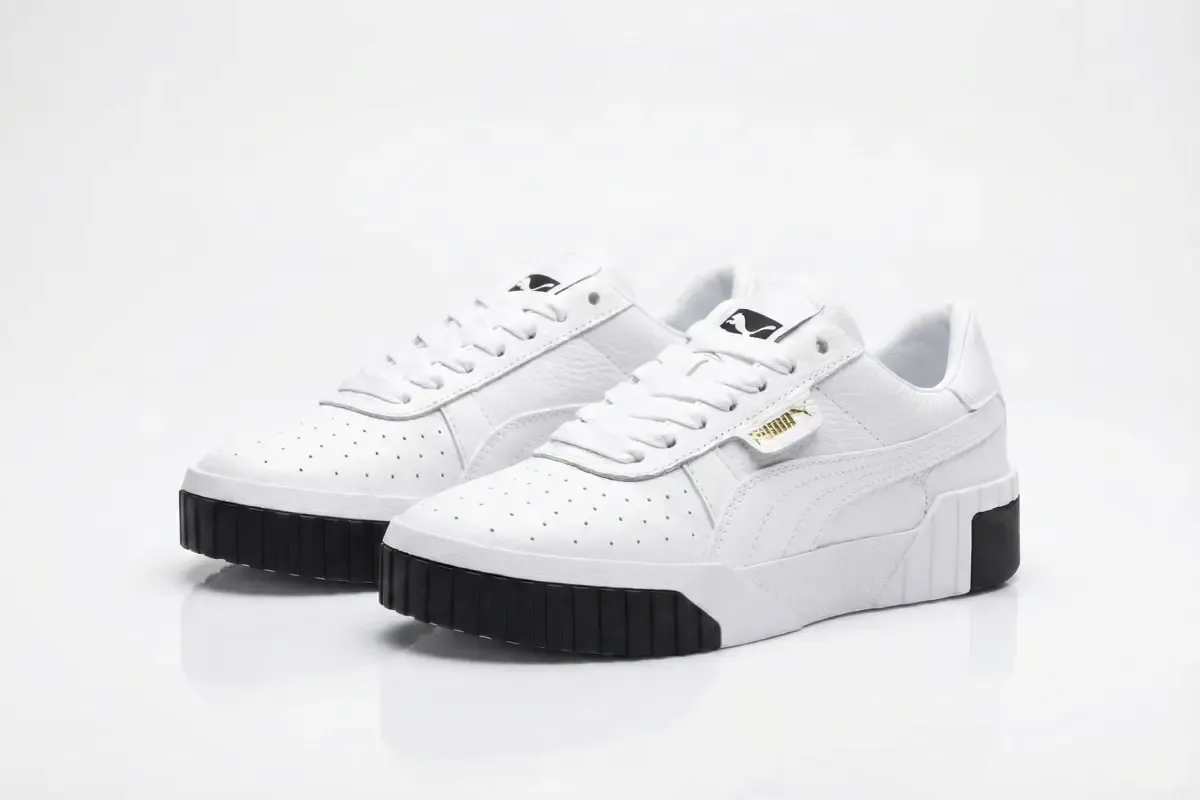
Puma Cali Review
Is the Puma Cali worth the hype? We analyze the fit, comfort, durability, and styling of this retro 80s reissue. Read our deep dive.
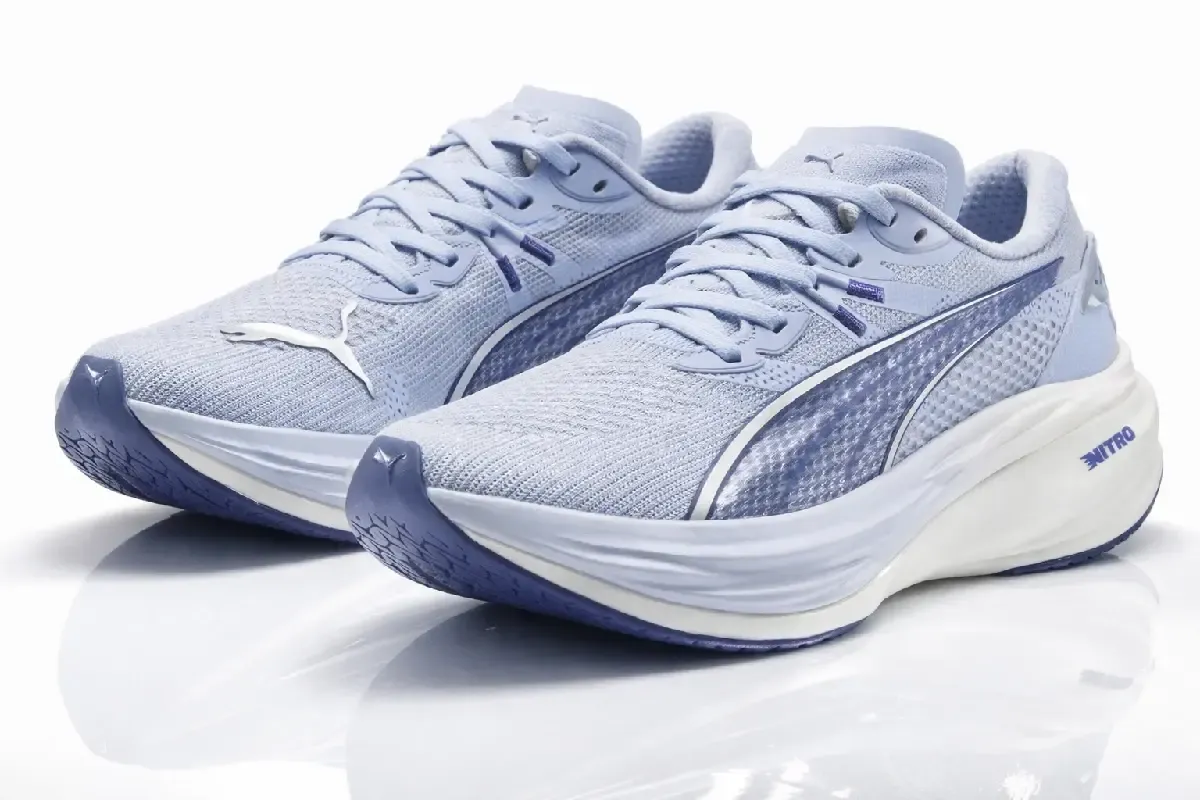
Puma Deviate Nitro 3 Review
Puma Deviate Nitro 3 Review: A versatile carbon-plated running shoe perfect for speed training and gym workouts. Read our in-depth analysis.
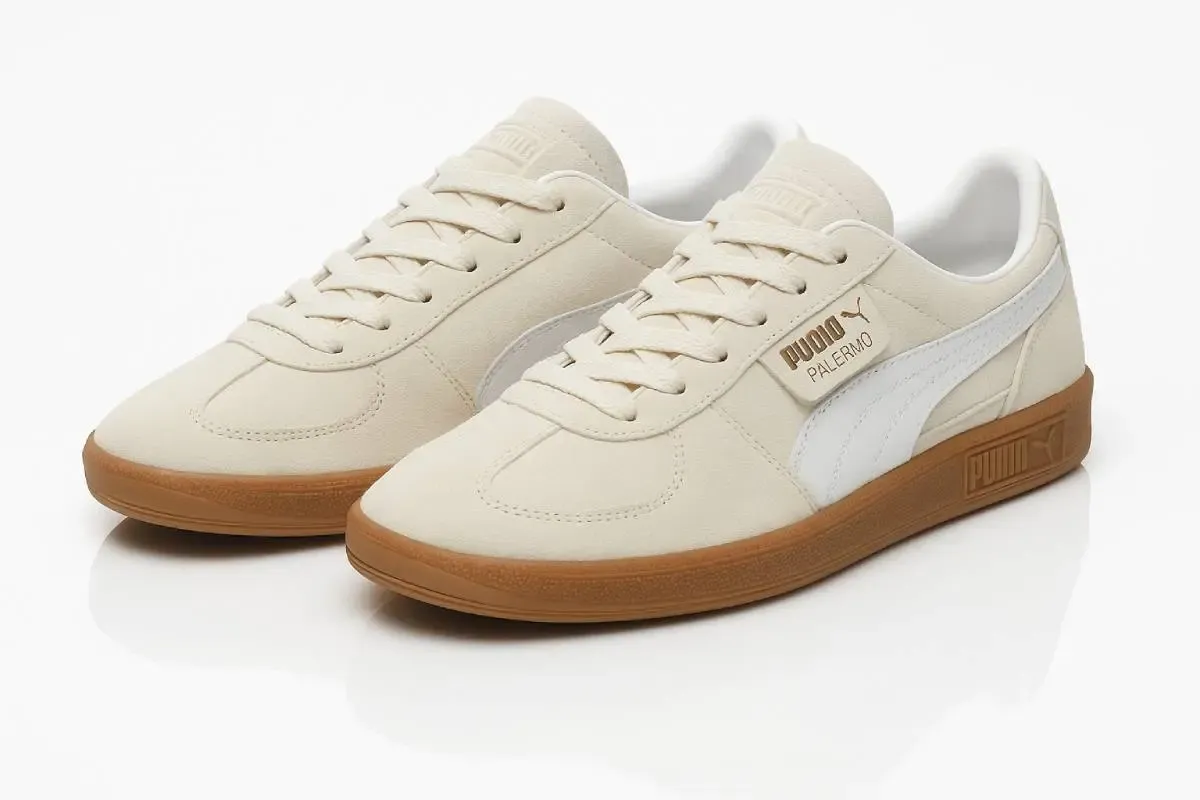
Puma Palermo Review
An in-depth review of the Puma Palermo. We cover comfort, sizing, style, and durability to see if this trendy retro sneaker is worth your money.
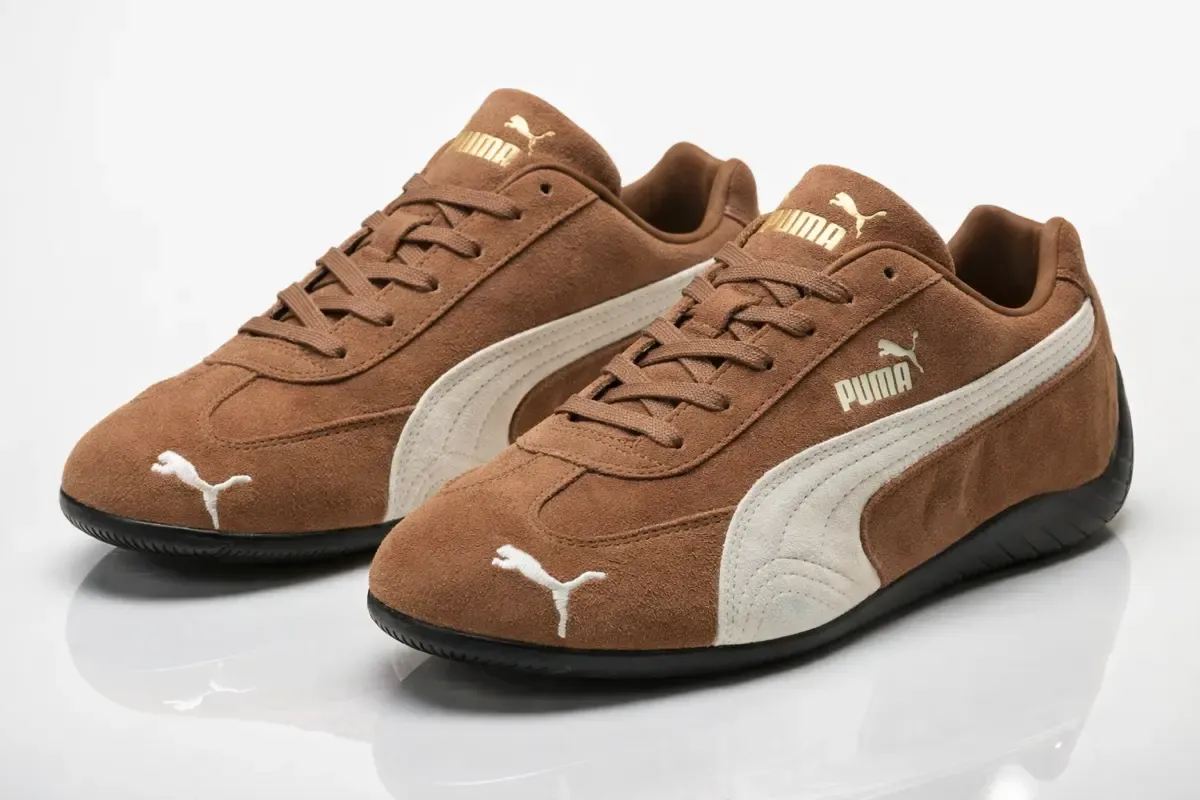
Puma Speedcat OG Review
Is the Puma Speedcat OG worth the hype? We analyze the fit, comfort, and F1 history of this trending ballet-style sneaker. Read the full verdict.
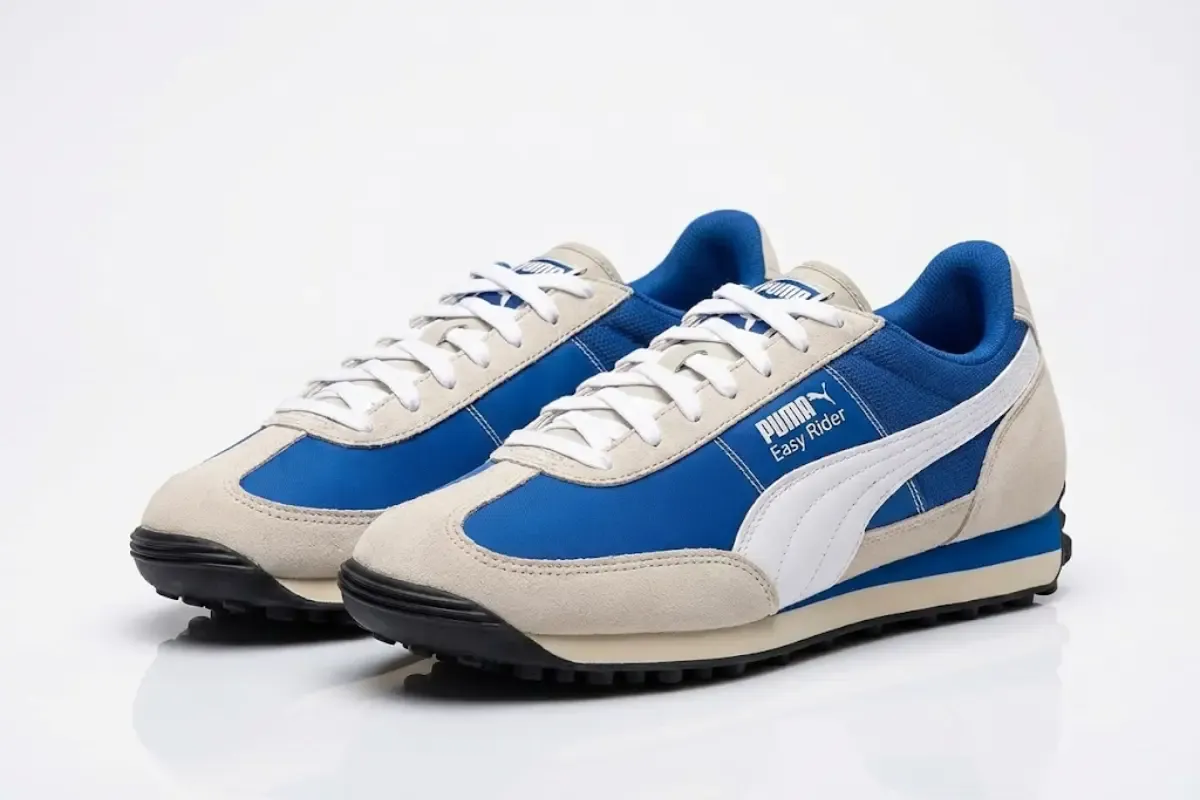
Puma Easy Rider Review
Puma Easy Rider review (Vintage and standard): 1978 retro runner, $90 retail, often discounted. True to size, wide feet go half up. Sizing and verdict.
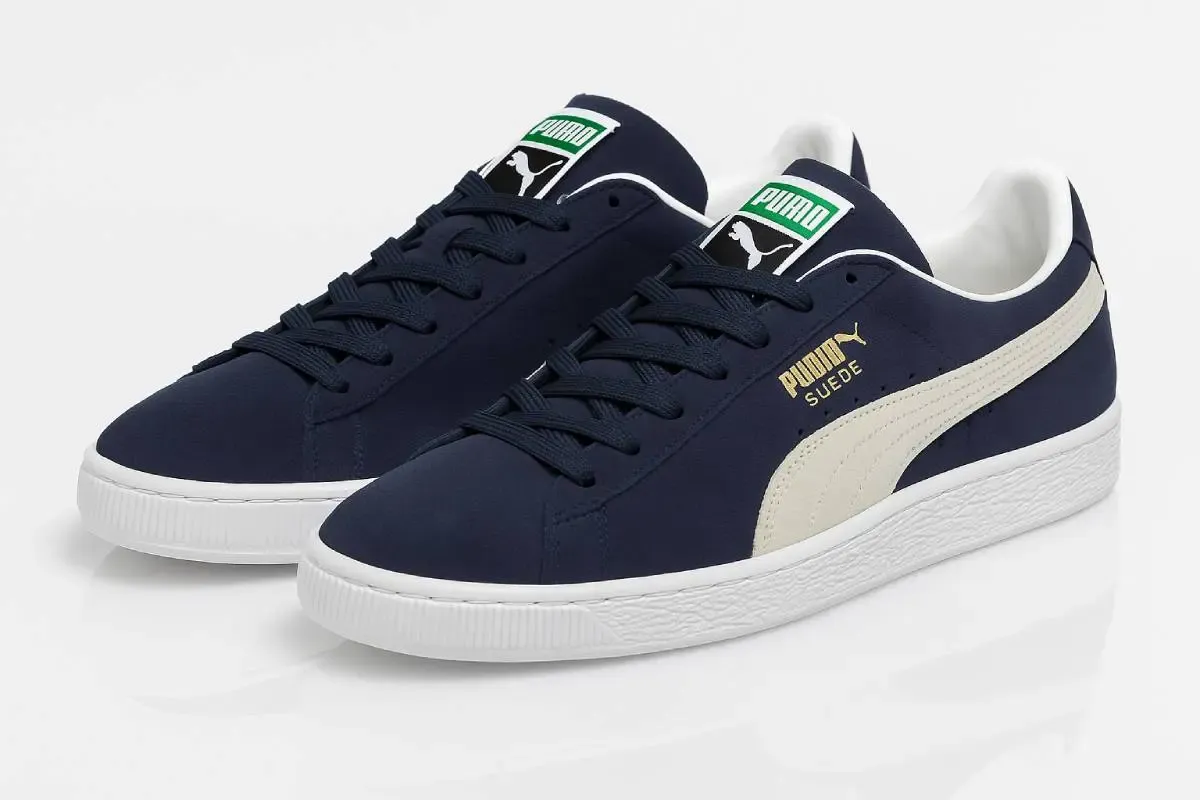
Puma Suede Classic Review
Puma Suede Classic review: the 1968 icon in full suede, $70 retail. True to size in length but narrow, wide feet go half up. Comfort, break-in, verdict.