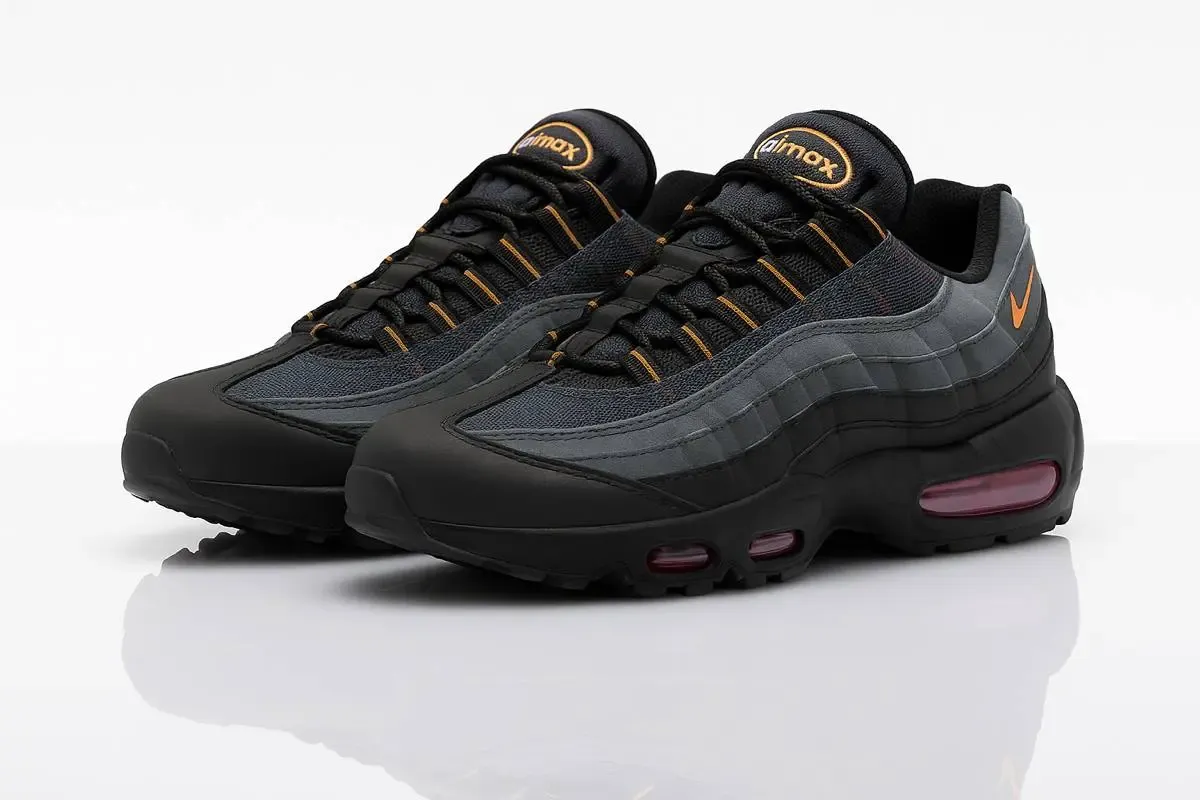
Founder & Lead Editor
Federico D'anna
Federico D'anna has spent 9 years reviewing sneakers with a methodology built on hands-on wear notes, side-by-side comparisons, and verified buyer feedback.
Learn more about Federico D'annaHighlights
Positive
- The iconic, anatomy-inspired design remains a timeless style statement.
- IAfter a break-in period, the shoe offers fantastic all-day comfort and support.
Negative
- Its heavy, bulky build can feel stiff and may lead to foot fatigue.
Nike Air Max 95 Sizing & Fit Guide
The Nike Air Max 95 balances a performance-running heritage with a highly structured lifestyle aesthetic, requiring careful consideration regarding its snug interior architecture. Characterized by a narrow silhouette and rigid layered upper panels, the design restricts lateral relief and limits natural material stretch. While standard or narrow-footed individuals can comfortably achieve a true-to-size (TTS) fit in the re-engineered 'Big Bubble' versions, those with wider feet face distinct toe box and midfoot compression. Navigating this model requires evaluating specific material configurations and understanding how underfoot mechanics affect forefoot clearance.
Compare your current pair to find the best size match.
| Reference Shoe | Your Usual US | Buy in US | Your Usual EU | Buy in EU | Fit Notes |
|---|---|---|---|---|---|
| Nike Air Force 1 Low | 10 | 10.5 (Standard) / 11 (Wide Feet) | 44 | 44.5 (Standard) / 45 (Wide Feet) | The Air Force 1 is widely recognized for its roomy, boxy silhouette, which frequently prompts buyers to size down a half-size. In contrast, the Air Max 95 employs a much narrower, performance-inspired wrap. To account for this dramatic decrease in interior volume and lateral clearance when transitioning from a loose lifestyle build to a tight performance fit, buyers should select a half-size to a full size larger than their typical Air Force 1 size. |
| Nike Air Max 90 | 10 | 10 (Standard) / 10.5 (Wide Feet) | 44 | 44 (Standard) / 44.5 (Wide Feet) | The Air Max 90 provides a reliable, true-to-size baseline. While standard-footed individuals can seamlessly transition to the exact same size in the Air Max 95, wide-footed wearers must account for structural width constraints. Due to the Air Max 95's rigid midfoot paneling and tapered profile, wide feet require a half-size increase to prevent painful pressure points. |
| Adidas Samba | 10 | 10.5 | 44 | 44.5 | The Adidas Samba is a notoriously low-profile and narrow sneaker. Under the compensation factor, if a buyer typically sizes up in a narrow reference shoe like the Samba purely to gain extra width, they must recalibrate for the target shoe's unique length dimensions. Sizing up a half-size in the Air Max 95 compensates for Adidas running slightly shorter than standard Nikes, providing the necessary forward toe clearance against the Air Max 95's thick internal padding and tapered toe box. |
| Nike SB Dunk Low | 10 | 10 (Standard) / 10.5 (Wide Feet) | 44 | 44 (Standard) / 44.5 (Wide Feet) | Nike SB Dunk Lows present a tight interior environment due to their heavily padded skate tongues and collars. Standard-footed buyers can expect an equivalent level of secure lockdown at true to size in both models. However, because the Air Max 95 utilizes rigid, layered upper panels that offer zero lateral stretch, wide-footed wearers will need an additional half-size increase to alleviate forefoot compression. |
Does the Nike Air Max 95 run true to size?
Yes, for standard or narrow foot shapes, modern 'Big Bubble' versions of the Nike Air Max 95 run true to size due to a re-engineered, more rounded toe box. However, because the silhouette delivers a snug, performance-style wrap that closely hugs the foot, anyone with wider feet or a preference for a loose interior volume should size up a half-size. Additionally, older retro releases manufactured prior to the 'Big Bubble' updates feature a highly tapered toe box, necessitating a half-size increase for the majority of wearers.
Is the Nike Air Max 95 good for wide feet?
The standard Nike Air Max 95 is not naturally accommodating for wide feet due to its restrictive midfoot width, low-profile toe box volume, and non-stretching layered upper panels. Wide-footed individuals must typically size up by a minimum of a half-size, and often a full size when intermediate half-sizes are unavailable, to prevent lateral bulging and painful squeezing. Alternatively, wide-footed consumers can look to the Nike SB Air Max 95 configuration, which is built on a wider skate last with roomier dimensions, allowing a comfortable true-to-size fit without requiring a larger size.
How is the arch support on the Nike Air Max 95?
The Nike Air Max 95 provides firm, robust underfoot arch support and excellent stability. Utilizing a dense polyurethane midsole platform coupled with pressurized, dual-chambered Air units in both the forefoot and heel, it prevents the foot from rolling inward. This rigid construction is highly beneficial for neutral to high arches, but individuals with flat feet or low arches may experience localized pressure and discomfort until the stiff midsole completes a mandatory 5 to 10-mile break-in period.
Ready to experience the Nike Air Max 95 Review?
Get yours today with fast shipping from Amazon
Since its debut in 1995, the Nike Air Max 95 has become a titan of sneaker culture, instantly recognizable for its audacious, anatomy-inspired design. It makes a serious style statement and can feel great for daily wear once it’s broken in. The trade-offs are real, though: it’s heavy, and it starts out stiff. This review breaks down whether the legacy still justifies the premium price for today’s buyer.
Quick Take
Overall Rating: 4.3/5
Best For: Casual, everyday lifestyle wear, Urban exploration and general outings, Street Style Heritage and trendy '00s looks
Key Strengths: Iconic and distinctive design, Comfortable for all-day casual wear after break-in, Strong structural integrity and durability, Provides an approximate 1.4-inch height increase, Highly versatile for styling, Secure 'lock-in' feel, Excellent arch support for many users, Good breathability in most versions
Notable Limitations: Heavy and bulky, can lead to foot fatigue, Requires a break-in period, Not recommended for intense or long-distance running, Midfoot area can be snug or narrow for wider feet, Considered pricey by some, Potential for soles peeling off over time, Exhibits significant rigidity
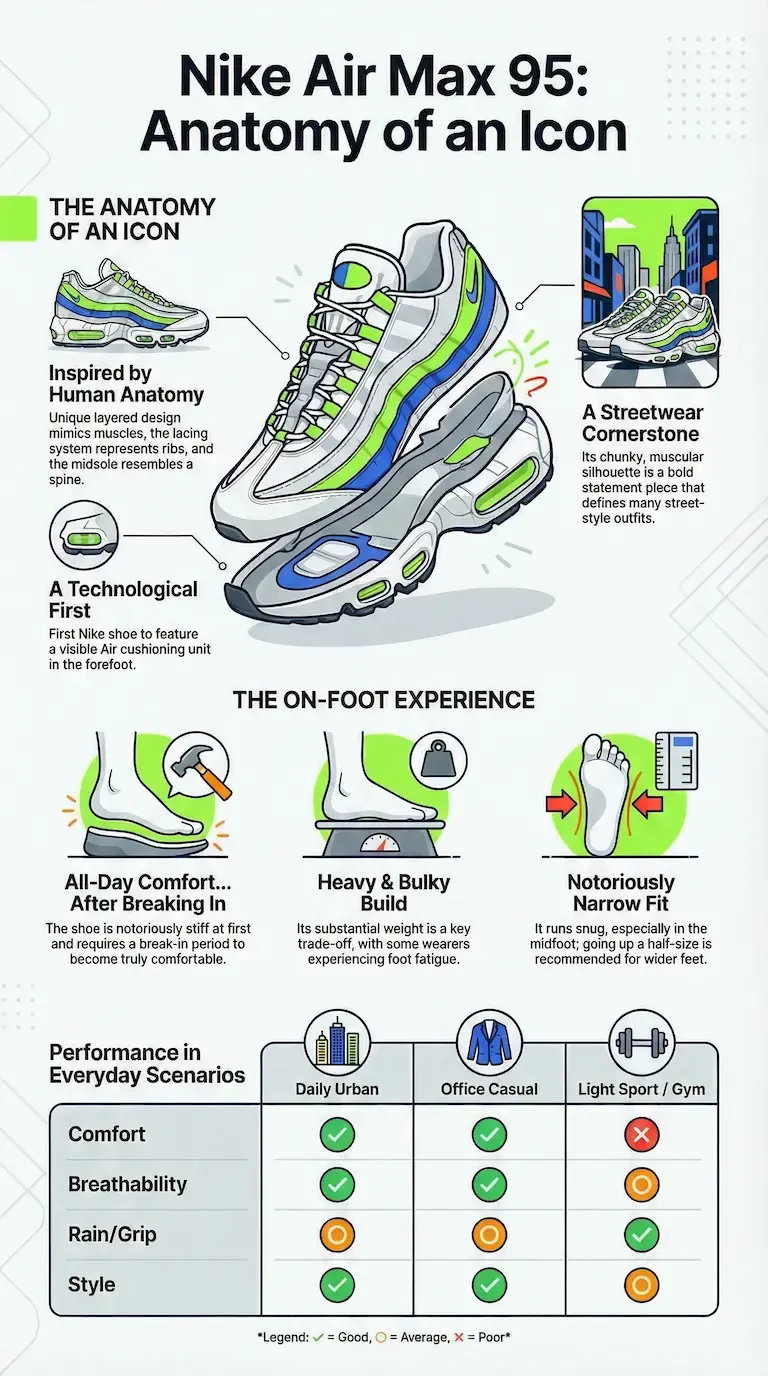
Visual Snapshot Summary
What Makes Nike Air Max 95 Stand Out?
Even with constant new drops, the Nike Air Max 95 still stands out as a silhouette you recognize instantly. Its designer, Sergio Lozano, famously pulled inspiration from human anatomy. The layered side panels mimic muscle fibers, the lacing system nods to ribs, and the midsole and outsole represent the spine. It’s a shoe that wears its story on its sleeve.
It wasn’t only a design revolution; it was a tech moment too. The Air Max 95 was the first Nike sneaker to feature a visible Air unit in the forefoot, bringing that cushioned-on-air feel to more of the foot. And the black midsole was a radical move at the time, breaking away from the traditional white midsoles of the era. That combination of high-concept design and boundary-pushing tech is what cemented its legacy. As one wearer puts it, "The unique, anatomy-inspired look is what makes this shoe a timeless classic. It's more than just a sneaker; it's a piece of design history that always gets noticed."
Real Customer Experiences
When you dive into what actual owners are saying, a pretty clear picture emerges. There's a lot of love for the shoe's iconic look and eventual comfort, but it's often paired with a few notable caveats about its initial feel and fit.
- Praise for All-Day Comfort (Post Break-In): A recurring theme is that once you get past the initial stiffness, the Air Max 95 transforms into a wonderfully comfortable shoe for daily activities. The combination of ample cushioning and strong arch support gets high marks from users who spend a lot of time on their feet in urban environments.
- Frustration with Narrow Fit: On the flip side, a significant number of wearers, particularly those with wider feet, report a snug, sometimes uncomfortably narrow fit, especially in the midfoot area. The advice to go up half a size is a common refrain in reviews.
- Divided Opinion on Weight: The shoe's heft is a point of contention. While some appreciate the solid, substantial feel that contributes to a sense of durability, others find the bulkiness leads to foot fatigue over a long day of walking.
Here are a couple of quotes that capture these sentiments perfectly:
"The design is truly iconic and versatile. I can wear them with joggers or jeans, and they always elevate the outfit as a statement piece."
"Be ready for a stiff feel right out of the box. It took me a couple of weeks of consistent wear for them to finally break in and feel comfortable."
Design and Build Quality
The construction of the Air Max 95 is a masterclass in layered, purposeful design. It’s built like a tank, and that’s both a strength and, for some, a downside.
The upper is where the anatomical story really comes to life. It’s a complex mix of materials—typically synthetic leather, suede, and mesh—laid out in a gradient, wave-like pattern. That pattern isn’t only visual; it creates a structured, supportive wrap around the foot. The base mesh keeps breathability in the mix, while the leather and suede overlays add durability and a more premium feel. The "Speed-Lacing" system with nylon eyelets supports a secure, locked-in fit, echoing that ribcage inspiration. You also get rope-style laces and, often, a 3M reflective strip on the tongue and heel for a flash of visibility.
In the midsole, you get the heart of the 95’s comfort and its most defining feature. This isn’t a simple slab of foam. It’s thick polyurethane (PU) foam that houses the Air units: two distinct, visible Air-Sole units in the forefoot and a larger, multi-chambered unit in the heel. In 1995, that was groundbreaking, delivering targeted cushioning across the footbed. There’s also a TPU shank plate in the midfoot for torsional rigidity and stability, basically keeping the shoe from twisting unnaturally.
Underneath, the outsole is pure Nike heritage. It uses the classic waffle pattern in the forefoot for reliable traction on pavement and other urban surfaces. Deep flex grooves are carved into the sole so the otherwise rigid shoe can bend more naturally with your stride. The carbon rubber is tough and offers extensive coverage, so it’s built for the long haul.
Of course, no shoe is perfect. The bulk is immediately noticeable. With a single shoe weighing in at approximately 458 grams, this is a heavyweight contender. The multi-unit Air system and Speed-Lacing are standout tech, but the layered construction can lead to common issues over time, like the potential for sole separation or heavy creasing in the leather panels.
Comfort and Fit
The Air Max 95 on-foot experience is a bit of a journey. How it feels out of the box is very different from how it feels a few weeks later.
On sizing: for most people with average-width feet, true to size is the right move. But the reputation exists for a reason. The width profile runs on the narrow side of standard, especially through the midfoot, and the toebox tapers more than you might expect. If you have even slightly wide feet, going up half a size is the smarter call. Trying to force a wide foot into your true size usually means pressure points and a longer, more painful break-in.
Love the comfort features?
See current availability and pricing
And the break-in is non-negotiable with the Air Max 95. It’s notoriously stiff at first. The robust upper materials and firm PU midsole need time to soften and mold to your foot. This can take anywhere from a few full days of wear to a couple of weeks. It’s a commitment, but the consensus is clear: once you get past the initial rigidity, the shoe feels much better. The arch support becomes more apparent, the cushioning feels more responsive, and the fit becomes more personalized.
As one reviewer aptly states, "After a short break-in period, these become incredibly comfortable for all-day wear. The cushioning and arch support are fantastic for walking around the city." It’s a good summary of the experience: the payoff comes after you put the time in.
Style and Versatility
The aesthetic of the Air Max 95 is unapologetically bold. It's a statement piece, defined by that chunky, muscular silhouette that was so ahead of its time. The anatomy-inspired design, with its layered upper, spine-like outsole, and ribcage lacing system, gives it an aggressive, almost futuristic look that has aged incredibly well. The gradient colors, the mini Swoosh, and the prominent visible Air bubbles all contribute to a design that is complex, textured, and instantly recognizable.
This isn't a shoe that blends in. Its natural habitat is on the streets. It's a cornerstone of streetwear, pairing effortlessly with joggers, cargo pants, and relaxed-fit denim. It's also perfect for general casual wear and even fits into modern athleisure aesthetics. It's a versatile sneaker, but its versatility lies within the realm of casual, style-forward outfits rather than formal or athletic settings.
Quality and Durability
When you’re paying a premium, you expect the shoe to last, and for the most part, the Air Max 95 delivers on structural integrity. The thick leather, suede, and robust foam give it a solid, well-built feel. It can take a beating from daily urban wear, from pavement miles to crowded subway stations. That chunky outsole is a workhorse and tends to last.
But it’s not without its Achilles' heel. Over the years, some common issues have surfaced that buyers should know about. The most notorious is sole separation, where the midsole can begin to peel away from the upper. This is more common in older pairs where the glue has aged, but it’s still something to watch for. Another risk, inherent to any Air Max, is Air units deflating or "popping" if punctured. It’s rare, but it’s a catastrophic failure for cushioning. More common are cosmetic issues like heavy creasing on the leather panels and potential tearing of the mesh sections with heavy use. And like any mass-produced sneaker, occasional manufacturing issues like glue stains or loose threads can happen.
One wearer expressed their frustration this way: "I love the style, but the retail price feels a bit steep. For what it costs, I was expecting more, especially when compared to newer, more advanced sneakers." That sentiment tends to show up when the price tag runs into those durability concerns.
Decision Matrix
To simplify things, here's a breakdown of how the Air Max 95 performs in a few common scenarios.
| Scenario ↓ / Criterion → | Comfort | Breathability | Rain/Grip | Style |
|---|---|---|---|---|
| Daily Urban | ✓ | ✓ | ○ | ✓ |
| Office Casual | ✓ | ✓ | ○ | ✓ |
| Light Sport / Gym | ✕ | ○ | ✓ | ○ |
Legend: ✓ = Good ○ = Average ✕ = Poor
Who Should Buy
Perfect For
- Streetwear and urban fashion enthusiasts: If your wardrobe is built around statement pieces, the 95 is a foundational sneaker.
- Nostalgia seekers and sneaker collectors: For those who appreciate sneaker history and the '90s aesthetic, this is a must-own classic.
- Individuals prioritizing all-day comfort for casual wear: If you're willing to get through the break-in period, the reward is excellent support and cushioning for city life.
- Trend-aware consumers seeking self-expression: The bold design and endless colorways make it a great tool for personal style.
- People who want a height boost: The substantial sole provides a noticeable lift of about 1.4 inches.
Consider Alternatives If
- You are a budget-conscious consumer: There are many more affordable, comfortable lifestyle sneakers on the market.
- You prefer a minimalist or understated sneaker aesthetic: This shoe is loud and proud; it is the opposite of minimalist.
- You need a modern performance running shoe: The Air Max 95 is far too heavy, bulky, and rigid for serious athletic activity.
- You are averse to its cultural associations: In some regions, like the UK, it has strong ties to grime and "roadman" culture, which might not be for everyone.
Final Verdict
The Nike Air Max 95 is not just a shoe; it's a cultural artifact. It's a testament to a time when design was audacious and technology was something you could see. Its heavy, bulky frame and mandatory break-in period are valid criticisms, making it a poor choice for athletic pursuits. However, for its intended purpose as a lifestyle and fashion sneaker, it remains a champion. Once broken in, it offers a secure, comfortable ride for daily wear, and its iconic, anatomy-inspired design is a conversation starter that has never gone out of style. It's a premium purchase, but you're buying an icon.
Browse our full Nike collection to find your perfect pair.
As an Amazon Associate we earn from qualifying purchases. This helps support our site so we can keep bringing you the best content!
Frequently Asked Questions
Does the Nike Air Max 95 have Air in the forefoot as well as the heel?
Are Nike Air Max 95s good for running or working out?
Are Air Max 95s comfortable?
Related Reviews
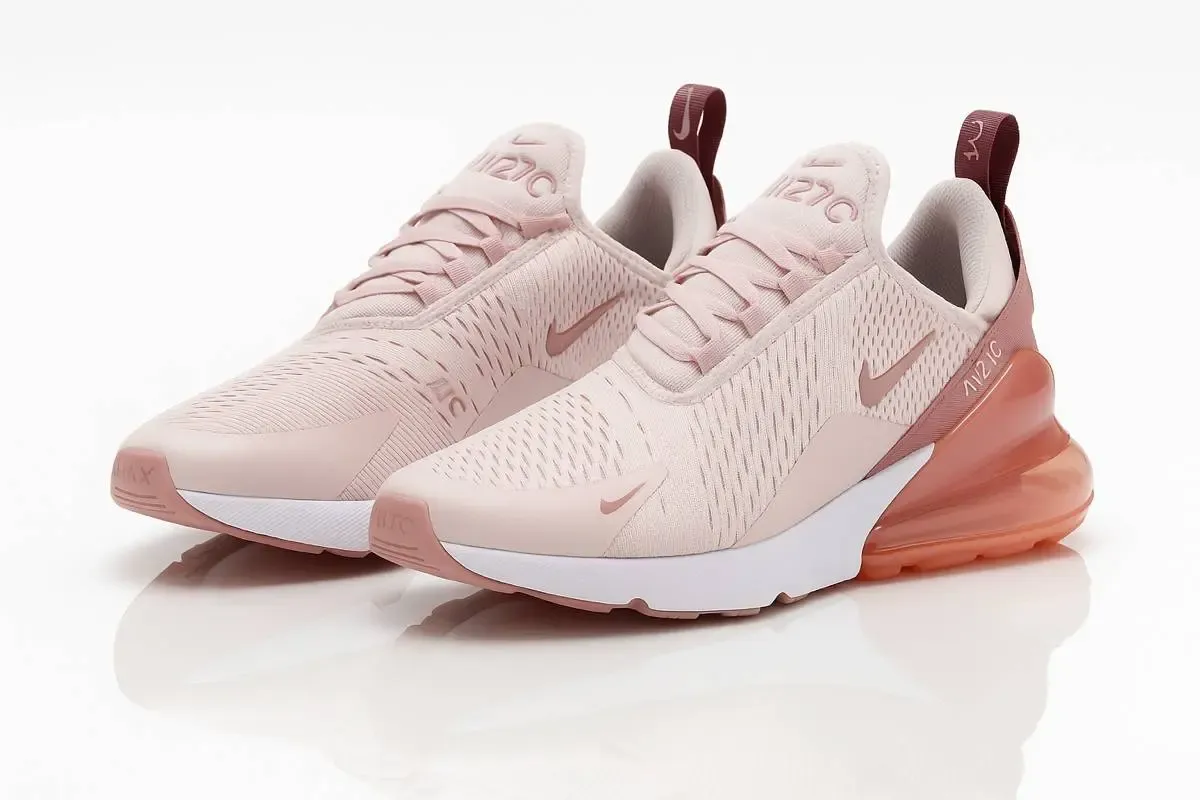
Nike Air Max 270 Review
Get an in-depth review of the Nike Air Max 270. We cover comfort, sizing, durability, style, and value to see if it's the right fit for you.
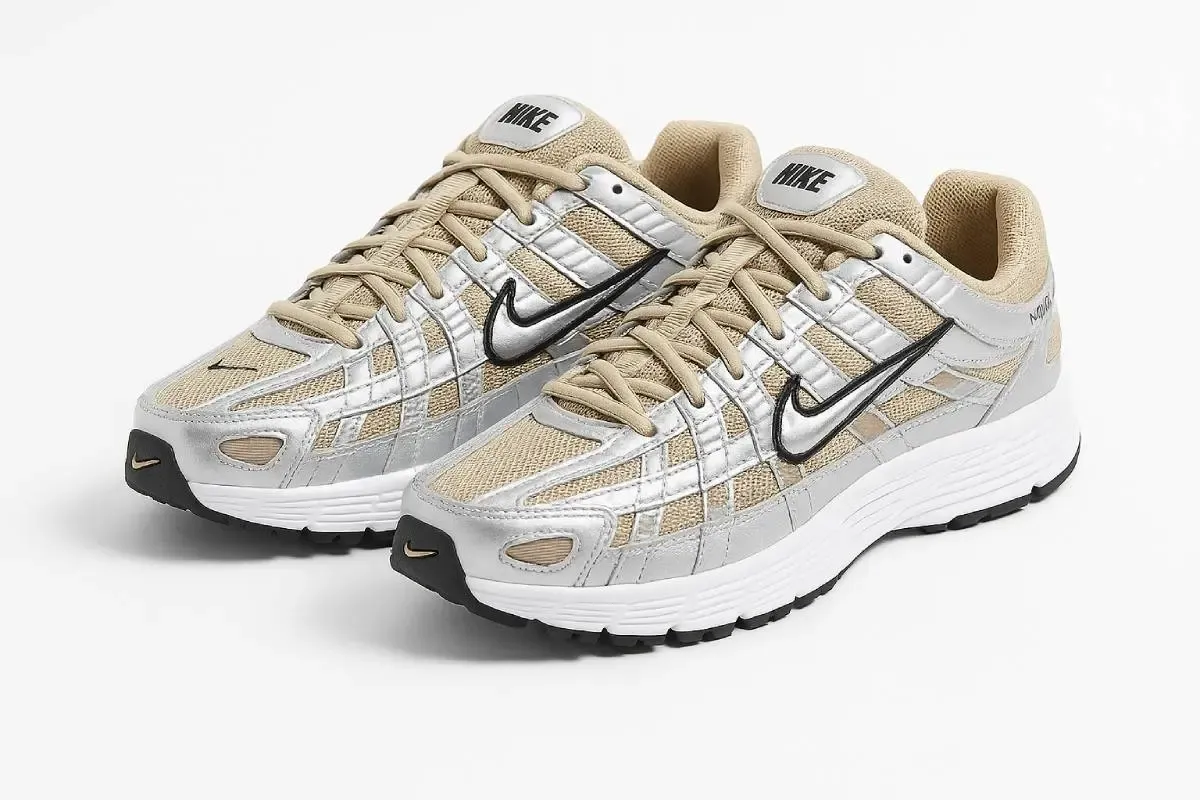
Nike P-6000 Review
Get an expert review of the Nike P-6000. We analyze its Y2K style, all-day comfort, value, and sizing to see if it's right for you.
Nike Alphafly 3 Review
Nike Alphafly 3 Review: The ultimate marathon racing shoe tested. Discover pros, cons, sizing advice, and why it reigns supreme for elite runners.
Nike Cortez 23 Review
Get an expert review of the Nike Cortez '23. We cover its iconic style, comfort, sizing issues, durability, and value for money. Is it right for you?
Nike Dunk Low Review
Discover the truth about the Nike Dunk Low in our review. We analyze comfort, sizing, durability, and why this icon remains a streetwear staple.
Nike Revolution 7 Review
Get an honest look at the Nike Revolution 7. This in-depth review covers its value, comfort, and style for running, gym, and daily wear. Is it for you?