Founder & Lead Editor
Federico D'anna
Federico D'anna has spent 9 years reviewing sneakers with a methodology built on hands-on wear notes, side-by-side comparisons, and verified buyer feedback.
Learn more about Federico D'annaHighlights
Positive
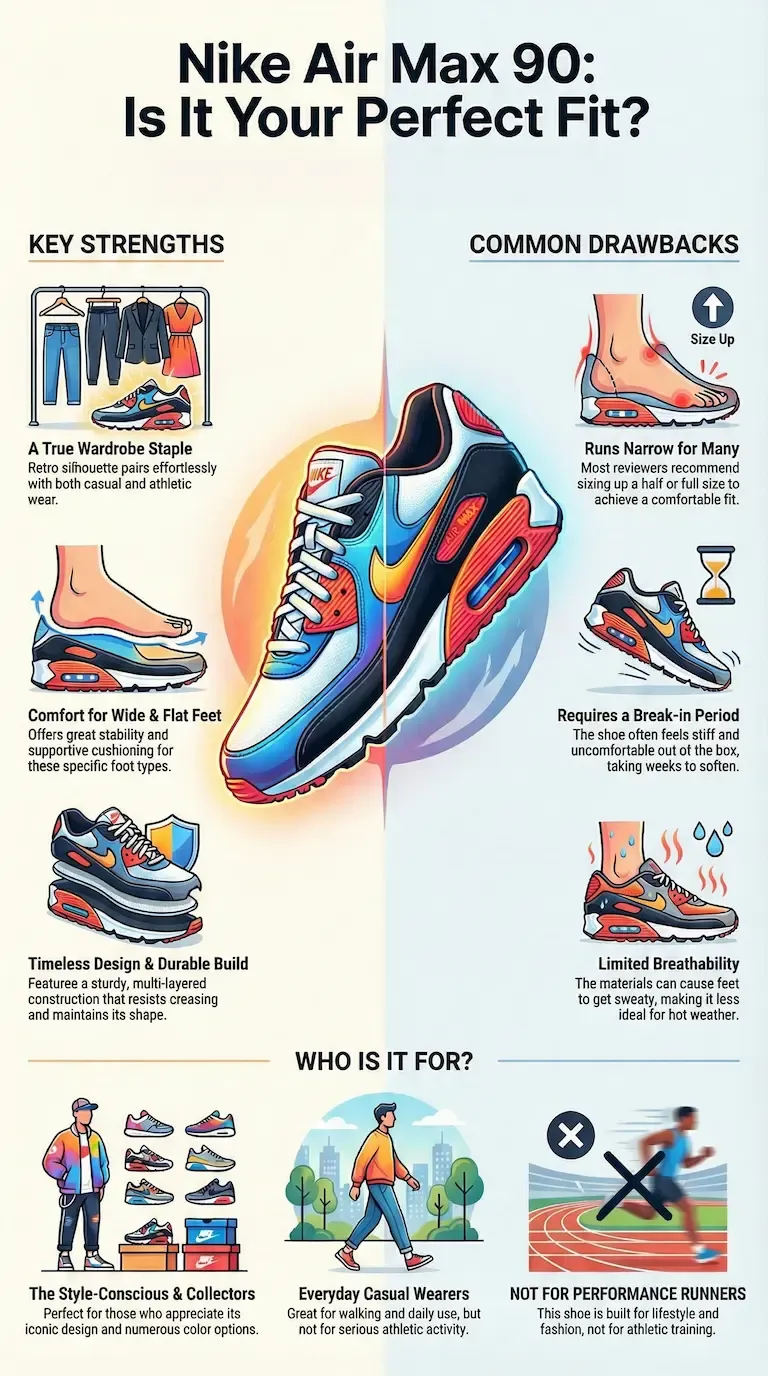
- The Air Max 90 pairs effortlessly with both casual and athletic wear, making it a true wardrobe staple.
- Many customers become collectors, purchasing multiple colorways to coordinate with different outfits.
Negative
- The narrow fit requires many users to size up, and the shoes need a break-in period to overcome initial stiffness.
Nike Air Max 90 Sizing & Fit Guide
The Nike Air Max 90 is widely recognized for offering a reliable true-to-size (TTS) fit for individuals with standard or narrow foot geometries. Originally engineered as a performance running sneaker, its design focuses on a locked-in fit to completely eliminate heel slippage. While the modernized 'Recraft' shape features an accommodating, rounded forefoot toe box, the overall profile is bounded by a narrow interior midfoot width and rigid lateral TPU mudguards. Due to an exceptionally thick 17.1mm padded tongue and an elevated heel wedge that shifts weight forward, the shoe can feel quite snug, frequently compressing the fifth metatarsal or pinky toe for wide-footed individuals who do not adjust their size to find lateral relief.
Compare your current pair to find the best size match.
| Reference Shoe | Your Usual US | Buy in US | Your Usual EU | Buy in EU | Fit Notes |
|---|---|---|---|---|---|
| Nike Air Force 1 '07 | 10.0 | 10.5 | 44 | 44.5 | The Nike Air Force 1 is famously built on an oversized last with a wide, boxy toe box that causes most wearers to size down a half-size to get their correct length. Conversely, the Air Max 90 has a narrower midfoot footprint and much thicker internal padding. Therefore, you must select a half-size larger than your typical AF1 size to achieve proper length and avoid severe midfoot cramping. |
| Nike Dunk Low | 10.0 | 10.5 (or 10.0 for narrow feet) | 44 | 44.5 (or 44 for narrow feet) | The Dunk Low provides a standard, flat leather upper that is highly accommodating across the entire foot. In contrast, the Air Max 90 features a plush 17.1mm thick tongue and a 14.2mm heel drop that pushes the foot forward. Standard and wide foot shapes require a half-size up from their Dunk size to prevent toe crowding, while narrow profiles can remain at their true length. |
| Adidas Samba OG | 10.0 | 10.0 (or 10.5 for wide feet) | 44 | 44 (or 44.5 for wide feet) | The Samba OG features an exceptionally slim, low-volume retro silhouette where wide-footed individuals are forced to size up purely to achieve horizontal clearance. If you are a wide-footer who already sized up in the Samba for width, do not compound this factor; stick with that same size (10.5) in the Air Max 90 to accommodate its narrow 90.7mm midfoot bed and rigid TPU side panels. Standard or narrow foot profiles can wear their true anatomical size safely. |
| Nike Air Max 1 | 10.0 | 10.0 (or 10.5 for wide feet) | 44 | 44 (or 44.5 for wide feet) | As historical running siblings, the Air Max 1 and Air Max 90 share similar lengths, but the Air Max 1 is designed with a slightly wider forefoot taper. If you possess wide or flat feet and wear a true-to-size Air Max 1 comfortably, the Air Max 90 will likely pinch your pinky toe due to its unforgiving leather and TPU mudguard panels, making a half-size increase necessary. |
Does the Nike Air Max 90 run true to size?
Yes, the Nike Air Max 90 generally runs true to size (TTS) for individuals with standard or narrow foot profiles. Selecting your standard Nike size provides a secure, locked-in fit with a rounded forefoot that offers an accommodating 70.4 mm width at the big toe area. However, because the interior midfoot width (90.7 mm) is slightly narrower than average, those who prefer a loose lifestyle fit or plan to wear thick winter socks should go up a half-size.
Is the Nike Air Max 90 good for wide feet?
The standard Air Max 90 is typically not ideal for wide feet due to its narrow midfoot chamber and rigid TPU lateral panels that resist natural stretching. Standard wide foot shapes should size up a half-size (0.5 US) to avoid friction and chafing on the fifth metatarsal (pinky toe). Extremely wide feet may require a full size increase (1.0 US). Alternatively, wide-footed users can extract the stock insole during the first few weeks of break-in to reclaim vertical space.
How is the arch support on the Nike Air Max 90?
The Nike Air Max 90 provides very limited built-in arch support because it is built on a relatively flat internal bed intended for neutral runners. While its dual-density foam midsole and pressurized heel Max Air unit offer premium shock absorption (107 SA) that reduces impact during daily walking, they do not provide active pronation control. Users with high arches or flat feet are highly encouraged to swap out the removable stock insoles for custom orthotics.
Ready to experience the Nike Air Max 90 Review?
Get yours today with fast shipping from Amazon
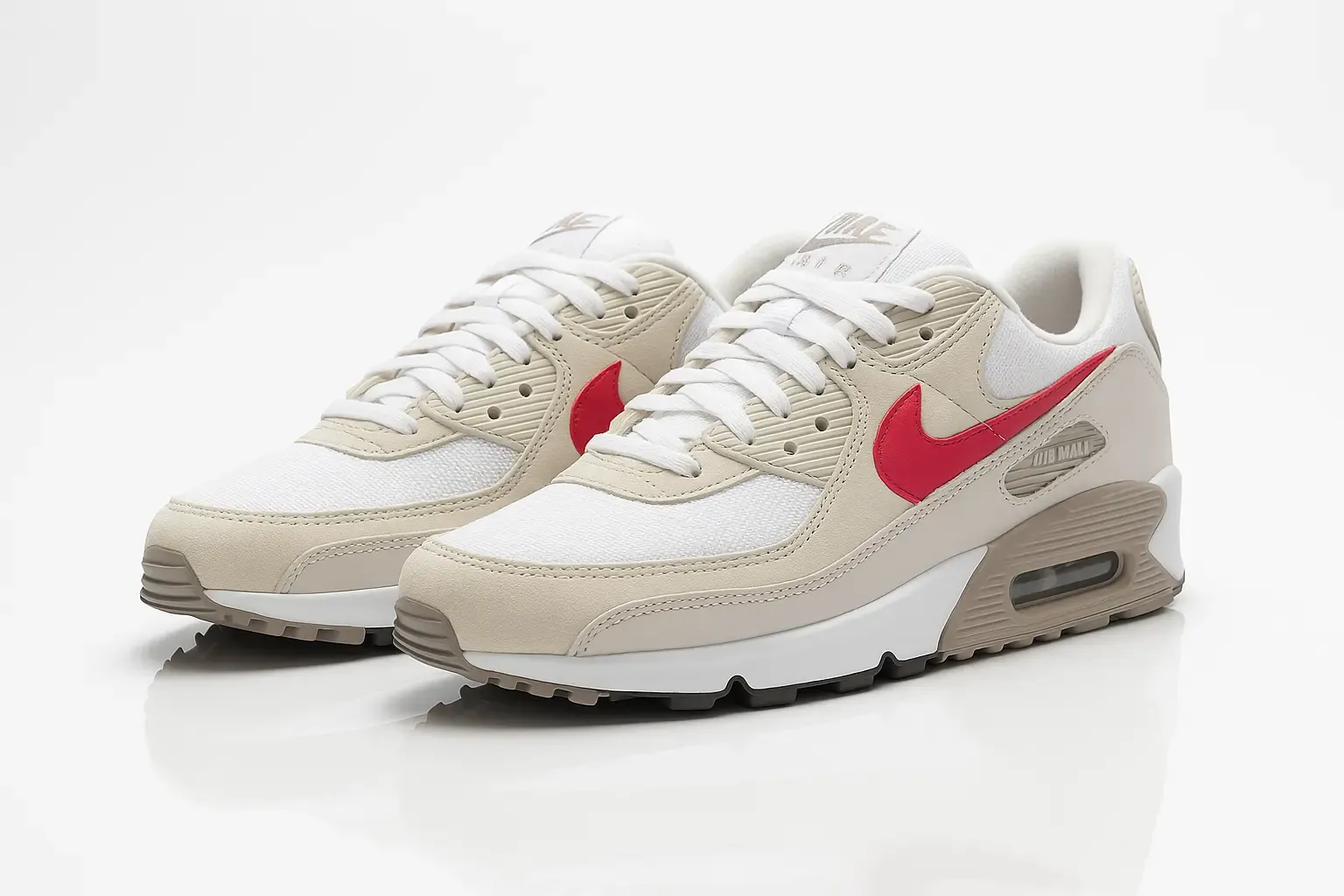
Thirty-five years is a long time in the sneaker world. Yet here we are in 2025, and the Nike Air Max 90 isn’t just hanging around. It’s still all over the pavement. Originally called the Air Max III when Tinker Hatfield sketched it in 1990, this shoe left its running roots behind a long time ago and became a real cultural artifact. I’ve laced up a lot of pairs over the years, but the 90 always feels familiar in the best way, like an old friend who shows up looking a little sharper.
Quick Take
Overall Rating: 4.5/5
Best For: Daily Beating, Street Style, Casual Walking
Key Strengths: Iconic Design, All-Day Comfort, Massive Colorway Variety
Notable Limitations: Runs Narrow, Slippery on Wet Surfaces, Not for Serious Running
Visual Snapshot Summary
What Makes Nike Air Max 90 Stand Out?
The Air Max 90 is the definition of a “perpetually available silhouette.” Unlike hype drops that disappear instantly, the 90 is a backbone model in Nike’s lifestyle lineup. It’s dependable, and it’s easy to find.
What sets it apart is the design confidence. When Hatfield enlarged that Air window, he didn’t just add cushioning. He framed it with those jagged, “fast” TPU ribbed panels. The shoe looks like it’s in motion even when it’s sitting still. And in 2025, it’s still evolving. You’re not limited to standard mesh; special editions like the "Carbon Fiber" release use woven carbon fiber textiles in the upper, which proves the platform can still handle modern material updates. That mix of stubborn 90s DNA and small refinements (like the 2020 "Recraft" shape) keeps it from feeling like a museum piece.
One customer summed it up perfectly: "It's a legendary sneaker staple with a modern-retro twist."
Real Customer Experiences
After parsing hundreds of reviews, the 2025 sentiment is pretty clear, with a few consistent caveats.
- The Comfort Consensus: The vast majority of wearers describe the shoe as "super comfortable" for city walking, thanks to that large Air unit.
- The "Squeeze" Factor: A significant chunk of feedback revolves around the fit. It is frequently cited as narrow, particularly in the toe box.
- The Break-in Reality: While many love them out of the box, a vocal minority finds the sole initially stiff.
"They take a hot minute to break in but once you do it's all worth it." — Verified Buyer [Source: The Sole Supplier]
"I have wide feet and had to size up half a size. The toe box is a bit narrow." — Verified User [Source: Reddit]
Design and Build Quality
Let’s get under the hood. The upper on the standard US model is a layered build. You’ll usually see synthetic leather overlays for structure over a mesh base for breathability. Purists debate the synthetic leather on general releases (GRs), but it does make the shoe very resistant to everyday scuffs. The signature details are the TPU (plastic) accents on the eyestays and heel badge, which give the 90 its mechanical, industrial look.
The midsole is where the magic happens. It's a dense polyurethane (PU) or EVA foam carrier housing that massive, visible Max Air unit in the heel. It's thicker than the Air Max 1, giving you more stack height.
The outsole is classic Nike: a rubber waffle pattern. It’s meant to grip, but it’s much better on dry asphalt than wet tile or smooth concrete. On those slick surfaces, the hard rubber can feel sketchy (friction coefficient of 0.33, to be precise).
As for durability, these things are tanks. The most common issue isn't the upper tearing; it's usually cosmetic, like paint cracking on the midsole after heavy use, or the dreaded "sole separation" if you leave them sitting in a closet for ten years.
Comfort and Fit
I can’t stress this enough: If you have wide feet, size up. The Air Max 90 has a notoriously narrow profile, especially in the forefoot (measured at roughly 102.6 mm wide). For standard feet, True to Size (TTS) is the way to go, but if you're rocking a wider hoof, grab a half size up or your pinky toe will be screaming at you by noon.
Is it easy on the foot? Yes, with an asterisk. It isn’t “squishy” soft like a ZoomX runner. It’s more of a firm, supportive comfort. You feel the air unit doing its job, but the foam carrier is dense. Some people say it feels “hard as a rock” at first. Give it a few days to break in the midsole and let the upper mold a bit, and it settles into an all-day cruiser.
Style and Versatility
Aesthetically, the Air Max 90 is a powerhouse. It has that “chunky” dad-shoe vibe without looking orthopedic. And yes, it gives you a height boost of about 1.2 inches (3 cm), which is always a nice bonus.
Ideally, you're pairing these with:
- Straight-leg jeans: Balances out the chunkiness perfectly.
- Joggers: The classic streetwear look.
- Shorts: With crew socks? Absolute summer staple.
You can even pull them off in a "smart casual" office if you stick to the cleaner colorways, like the all-whites or muted greys. It's one of the few shoes that looks just as good beaten up as it does fresh out of the box.
Quality and Durability
Quality on the Air Max 90 is generally praised. Let’s call it 85% positive. The shoe feels substantial. That said, the materials on General Releases matter. At these prices, you’re often getting synthetic suede and “leather” that can feel a bit plastic-y compared to a 'Premium' (PRM) pair or a collab.
Common issues? Creasing on the toe box is inevitable. It happens to every pair eventually. Also, be aware that on older pairs, the paint on the midsole will eventually crack. It's not a defect; it's just character.
"The materials used in the current standard US models are a blend aimed at balancing heritage aesthetics with modern comfort... standard models frequently employ synthetic leather." — Industry Analysis
Decision Matrix
| Scenario ↓ / Criterion → | Comfort | Breathability | Rain/Grip | Style |
|---|---|---|---|---|
| Daily Commute/Walk | ✓ | ○ | ○ | ✓ |
| Summer Heat | ○ | ✓ | ✓ | ✓ |
| Rainy/Wet Days | ○ | ✕ | ✕ | ✓ |
Legend: ✓ = Good ○ = Average ✕ = Poor
Who Should Buy
Perfect For
- The Nostalgia Hunter: If you want that 90s aesthetic that literally never goes out of style.
- The City Walker: You need a shoe that can handle 10,000 steps on concrete without your heels hurting.
- The "Average" Foot: If your feet aren't exceptionally wide, the lockdown on these is fantastic.
- The Height Seeker: You want that subtle 1.2-inch lift.
Consider Alternatives If
- The Wide-Footed: Unless you are willing to size up and experiment, the narrow forefoot will annoy you.
- The Serious Runner: Do not run a marathon in these. The tech is from 1990; your knees deserve 2025 tech.
- The Rainy City Dweller: If you live somewhere with slick, wet cobblestones, the hard rubber traction can be treacherous.
Final Verdict
The Nike Air Max 90 isn't perfect. It's a bit heavy, it fits a bit narrow, and the tech is undeniably retro. But you know what? That's exactly why we love it. It is a masterclass in design that has survived three and a half decades because it just works. It is the ultimate "old reliable" of the sneaker world—comfortable enough for the grind, stylish enough for the 'gram, and durable enough to take a beating.
If you are looking for a high-performance athletic shoe, look elsewhere. But if you want a daily driver that anchors almost any outfit you throw at it, the Air Max 90 remains the standard.
Browse our full Nike collection to find your perfect pair.
As an Amazon Associate we earn from qualifying purchases. This helps support our site so we can keep bringing you the best content!
Frequently Asked Questions
Is the Nike Air Max 90 good for rainy days and wet surfaces?
Is the Nike Air Max 90 comfortable right out of the box?
What makes the Air Max 90 so versatile for styling?
Related Reviews
Nike Air Max 270 Review
Get an in-depth review of the Nike Air Max 270. We cover comfort, sizing, durability, style, and value to see if it's the right fit for you.
Nike P-6000 Review
Get an expert review of the Nike P-6000. We analyze its Y2K style, all-day comfort, value, and sizing to see if it's right for you.
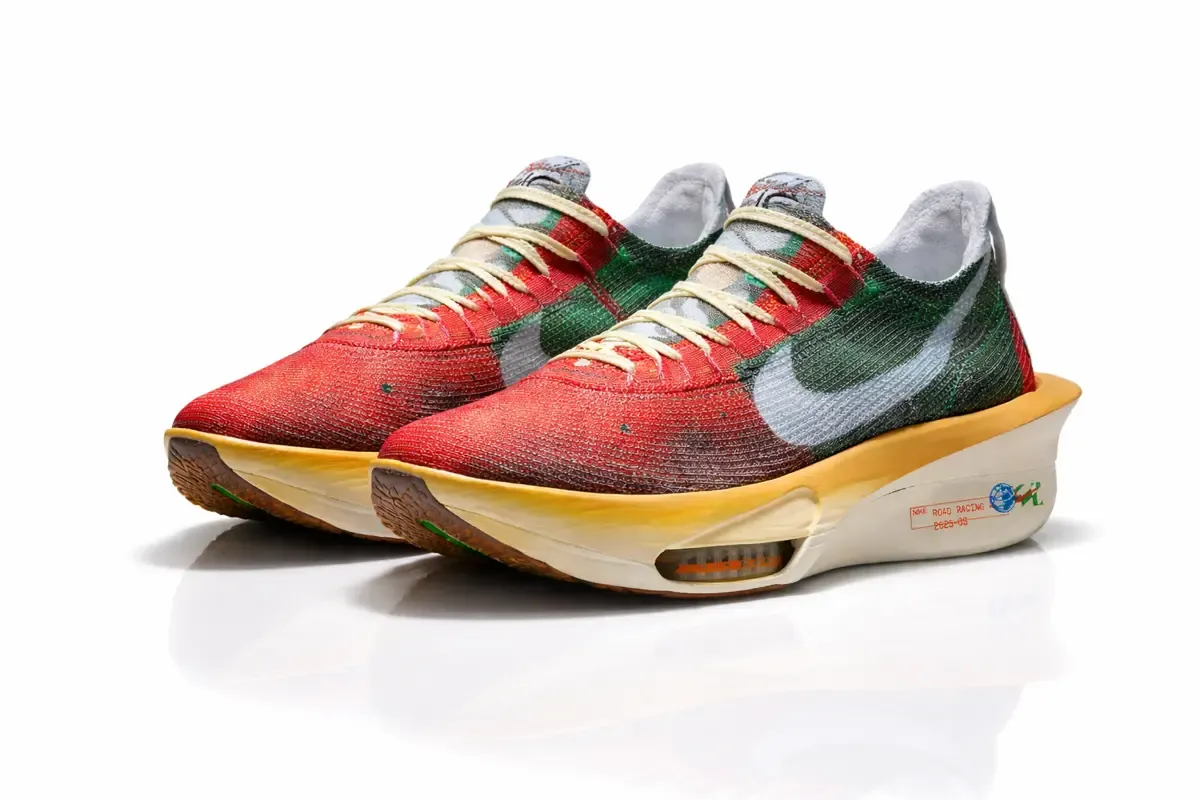
Nike Alphafly 3 Review
Nike Alphafly 3 Review: The ultimate marathon racing shoe tested. Discover pros, cons, sizing advice, and why it reigns supreme for elite runners.
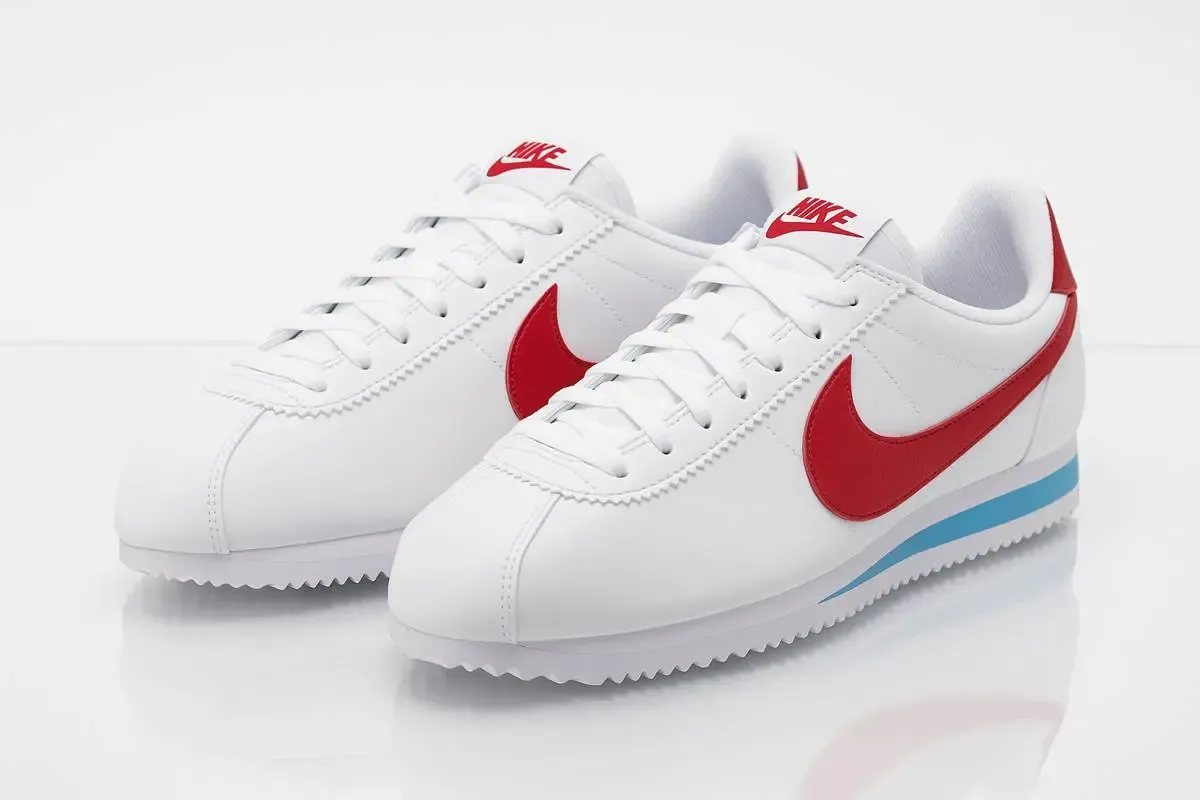
Nike Cortez 23 Review
Get an expert review of the Nike Cortez '23. We cover its iconic style, comfort, sizing issues, durability, and value for money. Is it right for you?
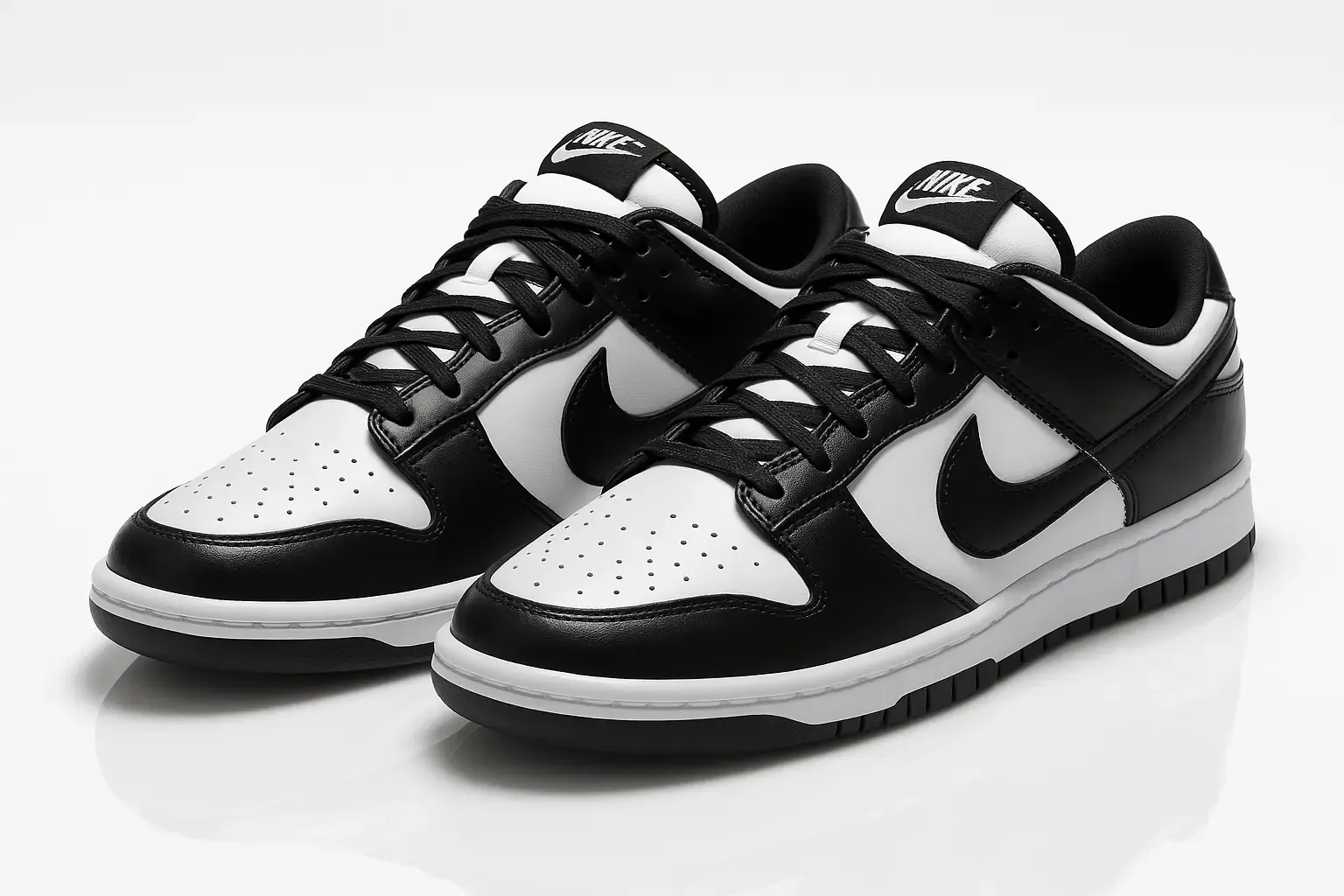
Nike Dunk Low Review
Discover the truth about the Nike Dunk Low in our review. We analyze comfort, sizing, durability, and why this icon remains a streetwear staple.
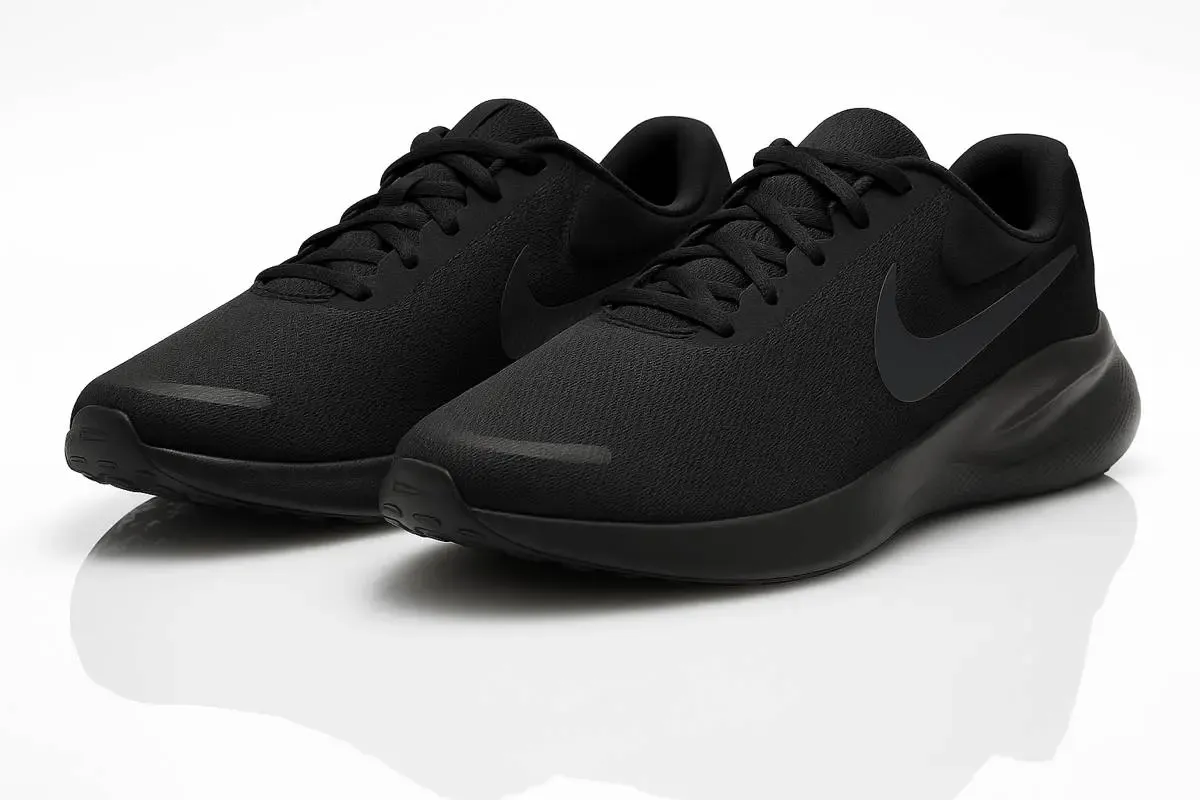
Nike Revolution 7 Review
Get an honest look at the Nike Revolution 7. This in-depth review covers its value, comfort, and style for running, gym, and daily wear. Is it for you?