Founder & Lead Editor
Federico D'anna
Federico D'anna has spent 9 years reviewing sneakers with a methodology built on hands-on wear notes, side-by-side comparisons, and verified buyer feedback.
Learn more about Federico D'annaHighlights
Positive
- The cushioning is absolutely massive and provides an incredibly bouncy, joyful ride.
- It offers fantastic and much-needed stability for such a high-stack shoe.
Negative
- There are critical user reports of the internal carbon plate snapping after just a few runs.
Hoka Skyward X Sizing & Fit Guide
The Hoka Skyward X has established itself as a prominent player in the 'super trainer' category, designed to bridge the gap between plush daily trainers and high-performance carbon-plated race shoes. However, navigating its fit profile has sparked significant conversation, as the general consensus indicates that it runs noticeably smaller in length, width, and overall volume compared to traditional models. To avoid severe toe box constriction and secure essential lateral relief across the forefoot, runners must look past nominal sizes. Because the snug, sock-like upper creates a highly contained inner chamber, a proactive approach to size selection is required to balance its high-energy performance attributes with long-distance comfort.
Compare your current pair to find the best size match.
| Reference Shoe | Your Usual US | Buy in US | Your Usual EU | Buy in EU | Fit Notes |
|---|---|---|---|---|---|
| Brooks Ghost Max | 10 | 10.5 | 44 | 44.5 | The Brooks Ghost Max is renowned for its voluminous layout and roomy toe box designed to let the foot splay naturally. The Skyward X presents a much narrower, tighter profile by comparison. Sizing up a half-size (0.5 US) is essential to counteract this localized constriction and prevent the target shoe's performance-oriented wrap from feeling uncomfortably restrictive. |
| Nike Pegasus | 10 | 10.5 | 44 | 44.5 | While the Nike Pegasus typically serves as a true-to-size baseline with a classic athletic hold, it possesses a standard interior volume. The Skyward X fits smaller and shallower overall. Stepping up a half-size compensates effectively for the compact sock-like upper and reduced vertical clearance of the Hoka model. |
| Hoka Mach X | 10 | 10.5 | 44 | 44.5 | Even when compared to direct brand stablemates like the Mach X, the Skyward X features a tighter, more compressed inner chamber. If you have previously adjusted your size upward in the Mach X strictly to achieve width relief, ensure you do not create a logical contradiction by over-sizing; baseline runners should uniformly step up a half-size here to accommodate the Skyward X's unique 'bucketed' architectural volume. |
Does the Hoka Skyward X run true to size?
No. The consistent consensus across running communities and expert testing is that the Hoka Skyward X runs small in length, width, and overall toe box volume. The engineered sock-like upper provides an exceptionally secure, performance-oriented wrap that fits more tightly than mainstream daily trainers. To prevent forefoot crowding and ensure an optimal fit, it is highly recommended that runners purchase a half-size (0.5 US size) larger than their standard running shoe size.
Is the Hoka Skyward X good for wide feet?
In its standard execution, the Hoka Skyward X is best suited for average to narrow foot profiles due to its inherently compact width and constrained forefoot room. While isolated anecdotal accounts exist of wide-footed runners finding a comfortable fit, these are typically outliers linked to low-instep anatomy or instances where the runner proactively sized up. Wide-footed individuals should expect to size up a half to a full size to generate sufficient chamber volume and prevent painful lateral compression across the metatarsals.
How is the arch support on the Hoka Skyward X?
The provided data does not explicitly specify the exact level or structural intensity of the built-in longitudinal arch support, as it represents a highly subjective comfort metric. However, the shoe utilizes a specialized 'bucketed' midsole geometry where the foot sits securely deep within the cushioning walls to ensure excellent localized stability during dynamic movement. Runners who require significant or medical-grade arch correction should be prepared to pair the shoe with their own custom orthotic inserts.
Ready to experience the Hoka Skyward X Review?
Get yours today with fast shipping from Amazon
Hoka has been the king of cushion for a while, but the Skyward X takes it to another level. This thing is basically a skyscraper for your feet. It's not just a plush trainer; it's a full-blown “supertrainer” with a carbon plate, modern foams, and a price tag that makes you pause. The real question is simple: does it earn that price, or is it just too much shoe?
Quick Take
Overall Rating: 4.3/5
Best For: Recovery runs, Easy runs, Long runs, High-mileage training
Key Strengths: Exceptional, plush, and bouncy cushioning, High stability for a maximalist shoe, Energetic, fun, and smooth rockered ride
Notable Limitations: High price point, Heavy weight, Critical user-reported issue of internal plate snapping/cracking
Visual Snapshot Summary
What Makes Hoka Skyward X Stand Out?
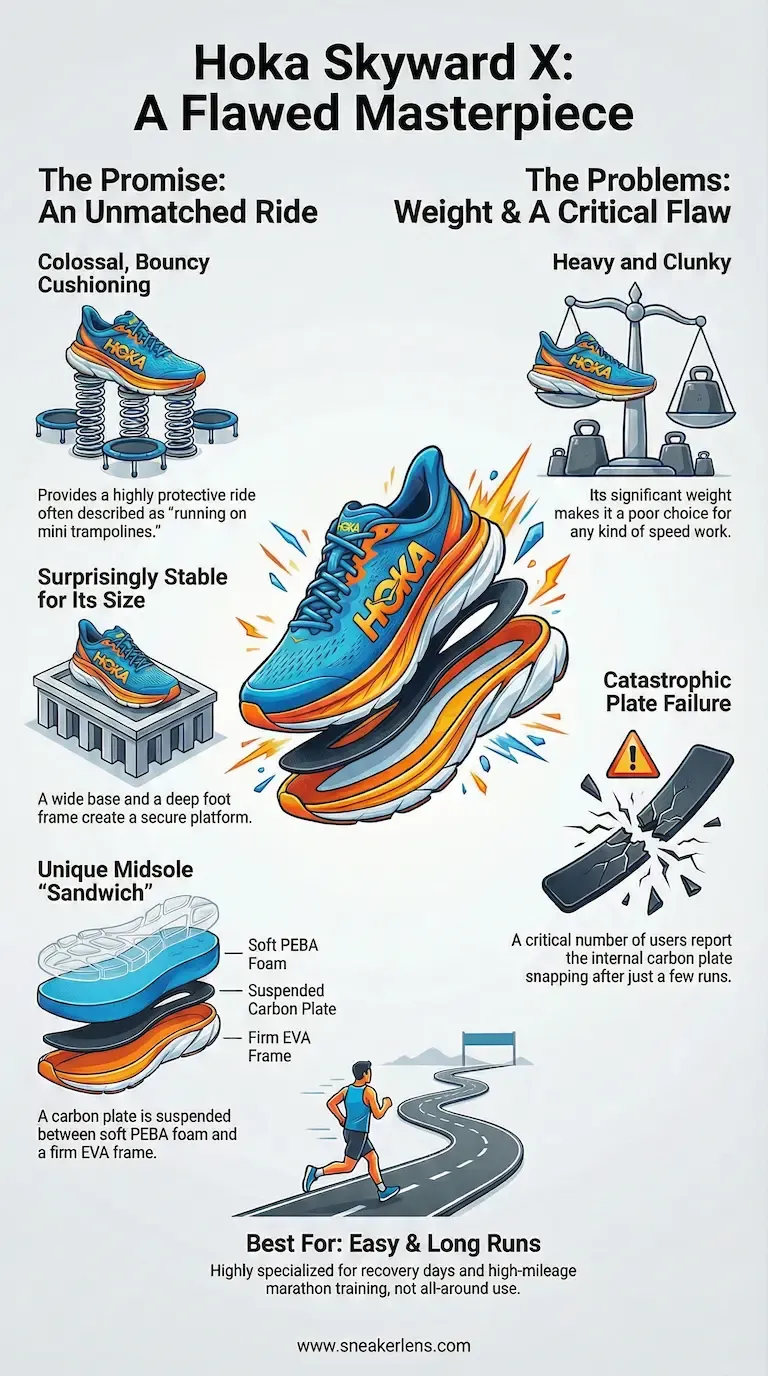
Honestly, just look at it. The Skyward X stands out because it's a spectacle of footwear engineering. This is Hoka turning every dial to eleven. The stack height is massive, clocking in at 48mm in the heel for men. But it's not just a block of foam; it's a layered stack of tech.
Here's the key detail: Hoka didn't just drop a carbon plate into the midsole. They suspended a convex carbon-fiber plate between two layers of foam. Up top (the layer you actually feel) is PEBA foam, soft and energetic, which is where that “super shoe” bounce comes from. Under the plate sits a rocker frame made of supercritical EVA. That EVA frame is the secret sauce. It works like a stable chassis, corralling the soft foam and keeping your foot centered, which is why this shoe doesn't turn into a wobbly mess.
You also get Hoka's MetaRocker™ geometry for smooth transitions, plus a Deep Active Foot Frame™, which means your foot sits down into the midsole instead of perching on top [specifications.technologies]. That combo—bouncy top foam, a plate in the middle, and a stable EVA frame underneath—is what makes it unique. It's a super shoe built for the long, slow, easy days. As one runner put it, it feels “like running on mini trampolines.”
Real Customer Experiences
When you build a shoe this extreme, you're going to get extreme opinions. The Skyward X delivers exactly that: a mix of real awe and real concern.
Overwhelming Praise for Cushioning: The loudest theme is the cushioning. Runners call it “otherworldly,” “colossal,” and “highly protective.” This isn't just soft, it's an experience. It reads like a gift for beat-up legs on recovery days and for marathon training blocks where joint protection matters more than pace.
Surprising Stability: For a shoe that's nearly 50mm high, you'd expect it to be sketchy. But runners are consistently impressed with the stability. The wide base and EVA frame do their job, creating a secure platform that guides the foot. That stability is what separates it from other, more chaotic max-cushion options.
The Weight is Real: This is not a lightweight racer. At 320g (11.3 oz) for a men's size 10, it's heavy and people feel it. The most common complaint is that it gets “clunky,” especially when you try to pick up the pace. This is a cruiser, and it doesn't pretend otherwise.
The Elephant in the Room: The Plate: This is the most critical feedback. A vocal group of users has reported a catastrophic failure: the internal carbon plate snapping or cracking, sometimes after just a handful of runs. Here are a couple of quotes that capture this split personality:
"Otherworldly, extreme, colossal, soft and bouncy, like running on mini trampolines, highly protective."
"Critical user-reported issue: internal plate snapping/cracking after few runs."
Design and Build Quality
Let's break this beast down, piece by piece.
Upper: The upper is a flat-knit material made from recycled polyester. It's a tale of two cities. On one hand, it's “comfy and hugging,” with enough room for foot swelling on long runs. On the other, it's described as “thicker” and “moderate to warm.” So while it's cozy, it may not be your first pick for blazing summer heat. Some testers found ventilation fine, others definitely felt it run warm.
Midsole: This is the main event. As I mentioned, it's a triple-decker.
- Top Layer (PEBA): This is the magic foam. It's light, soft, and returns a ton of energy. This is what gives the shoe its "bounce" and "trampoline-like sensation".
- Middle Layer (Carbon Plate): A convex carbon-fiber plate sits in the middle. Unlike the aggressive plates in race shoes, this one is more about creating a "gentle snap" and, crucially, working with the EVA frame to provide stability and forward motion.
- Bottom Layer (Supercritical EVA): This is the foundation. This EVA foam is firmer and is shaped into a rocker frame that Hoka calls the Deep Active Foot Frame™. Your foot sits inside this frame, like in a bucket seat, which is what provides that "superior stability" everyone talks about.
Outsole: The outsole is a healthy serving of "durable high-abrasion rubber". It provides good coverage, and most testers found it to be a workhorse, with minimal wear even after 100km. The grip, however, gets mixed reviews. It's excellent on dry roads, but some testers reported "dicey moments" in the wet, calling the grip "not fantastic".
Weight & Tech: At 320g (11.3 oz) for a Men's US 10, this shoe is undeniably heavy. It's a limiting factor and firmly plants this shoe in the "easy day" category. All the special tech—the PEBA, the plate, the EVA frame—is what contributes to both the incredible ride and the hefty weight.
Comfort and Fit
When you slide your foot into the Skyward X, the first impression is “plush.” The knit upper feels cozy, and the immediate sink-in softness of the PEBA foam stands out.
For sizing, the consensus is true to size in length. Stick with your normal running shoe size.
Now the width, because it's a mixed bag. The forefoot and toe box are often described as “ample,” which is great for long runs and toe splay. But some testers with wider or higher-volume feet found the midfoot “narrow” or the toe box a bit “tapered,” which can lead to hotspots. The Deep Active Foot Frame™, which gives so much stability, can also create pressure if your foot is wider than the “bucket” shape and you feel those sidewalls.
Love the comfort features?
See current availability and pricing
A few runners also noted minor heel slip, but most said it was easily fixed with lacing.
For most neutral runners with standard-width feet, the fit should be a dream. If you have wider feet, it's smart to try this on before buying. Break-in is minimal; it feels good quickly.
As one review states, the fit is generally "True to size in length, comfy/hugging knit, ample forefoot/toe box."
Style and Versatility
Let's be blunt: the Hoka Skyward X is not subtle. It's a “colossal” statement piece. The massive stack and techy engineered knit upper scream “maximalist.” It's a lot of shoe, and the look matches the ride.
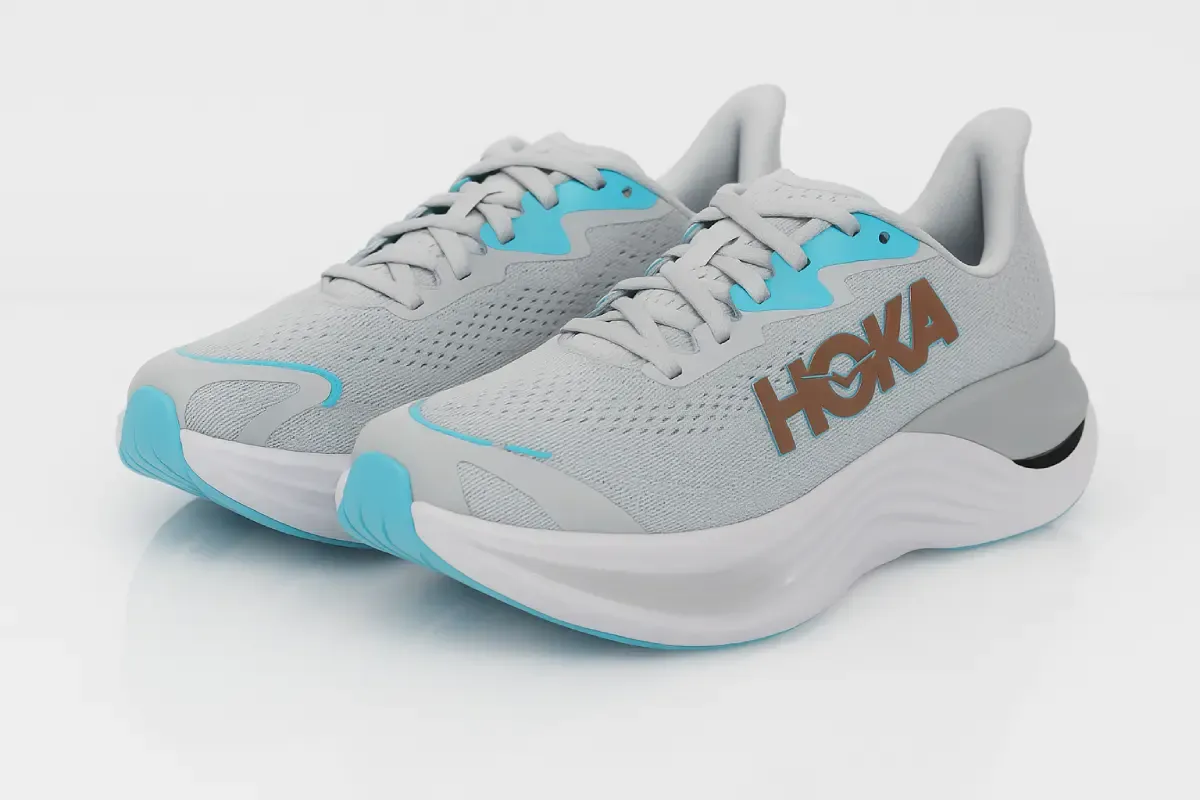
That said, Hoka has released it in some pretty slick colorways, like "Blanc De Blanc/Virtual Blue" and "Cosmic Grey/Rose Gold", which do a lot to make the giant silhouette look more futuristic and less orthopedic. This isn't really a "walk around town" sneaker unless you're fully committed to the gorpcore, tech-runner look.
Its versatility is purely in the running world. This is a highly specialized tool. It is ideal for recovery runs, easy days, and especially long, slow runs where protection is the number one priority. It's a fantastic marathon training shoe.
Where it is not versatile is speed. Its heavy weight makes it a poor choice for tempo runs, intervals, or racing. It's also not built for "highly uneven terrain," where that high stack can become a liability despite the good stability on roads.
Quality and Durability
This is the most complicated part of the review. For an expensive shoe, you expect it to be bulletproof. And for many people, it is.
The general consensus from many users and expert testers is that this shoe is a "tank". The thick knit upper holds up, the midsole foams show good resilience, and the high-abrasion rubber outsole is tough. Many testers project a long life, easily in the 300-500 mile range, which is what you'd hope for here.
...But. And this is a massive but.
There's a small but significant set of critical user reports of the internal carbon plate snapping. This isn't “the outsole wore down fast.” This is a shoe-ending failure. When a $225 shoe breaks after 50, 20, or even just 10 miles, that's a major quality-control problem.
It's impossible to know how widespread it is. It could be a bad initial batch, or it could be a design flaw. What's clear is that it's happening, and it's not an isolated one-off.
Outside of that critical flaw, the other durability notes are minor. Some experts reported "average outsole wear," and, as mentioned, the wet grip is "mixed".
In practice, all other durability praise feels a bit hollow when the plate is the thing you're worried about. This is the shoe's Achilles' heel, and it's a big one.
This user experience sums up the risk: "Critical user-reported issue: internal plate snapping/cracking after few runs."
Decision Matrix
| Scenario ↓ / Criterion → | Comfort | Breathability | Rain/Grip | Style |
|---|---|---|---|---|
| Recovery Run | ✓ | ○ | ○ | ○ |
| Long Run | ✓ | ○ | ○ | ○ |
| Daily Training | ✓ | ○ | ○ | ○ |
Legend: ✓ = Good ○ = Average ✕ = Poor
Who Should Buy
Perfect For
- Neutral runners seeking the absolute maximum cushioning and joint protection available.
- Runners training for a marathon who need a dedicated shoe for long, slow runs and recovery days.
- Runners who love a bouncy, energetic, and fun ride and aren't worried about pace.
- Hoka fans who want to experience the brand's most advanced, boundary-pushing technology.
Consider Alternatives If
- Runners who need one shoe for everything. This is not a "do-it-all" shoe.
- Anyone looking for a lightweight shoe for speed work, tempo runs, or race day. It is simply too heavy.
- Runners on a budget.
- Runners with very wide or high-volume feet, who might find the midfoot and sidewalls restrictive.
- Anyone (rightfully) concerned about the reports of the carbon plate snapping.
Final Verdict
The Hoka Skyward X is a fascinating, flawed masterpiece. It's an audacious experiment in maximalism that largely succeeds, delivering an unparalleled ride that is simultaneously cloud-like, bouncy, and surprisingly stable. For recovery days and long, slogging miles, it feels like a cheat code.
However, its luxury status is undermined by its heavy weight, niche use-case, and, most critically, the alarming reports of snapped carbon plates. For $225, "it might break" is an unacceptable risk. If you get a good pair, it could be the most fun training shoe you've ever worn. If you don't... well.
Browse our full Hoka collection to find your perfect pair.
As an Amazon Associate we earn from qualifying purchases. This helps support our site so we can keep bringing you the best content!
Frequently Asked Questions
Is the Hoka Skyward X good for marathon training?
How does the Hoka Skyward X compare to the ASICS Superblast?
What is the main durability issue with the Hoka Skyward X?
Related Reviews
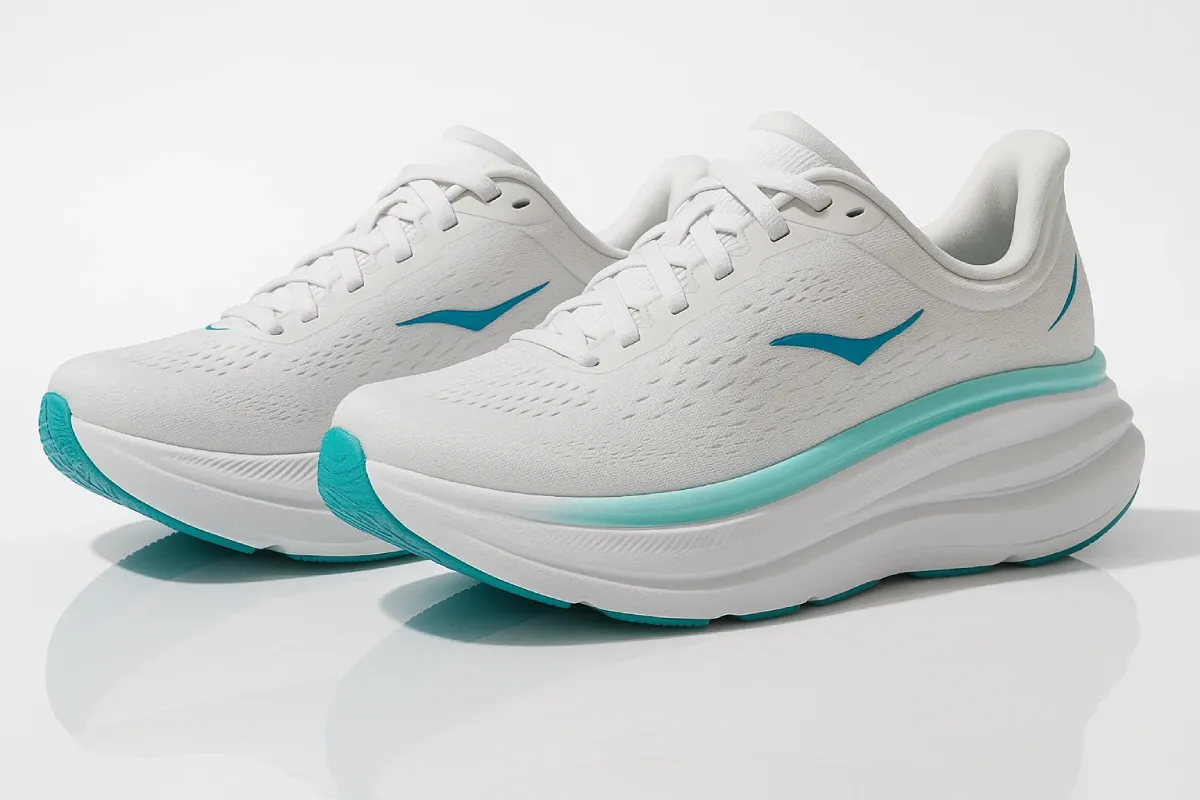
Hoka Bondi 9 Review
The HOKA Bondi 9 delivers exceptional cushioning with revolutionary foam technology, earning 4.8/5 stars for outstanding comfort & pain relief. Perfect for all-day wear.
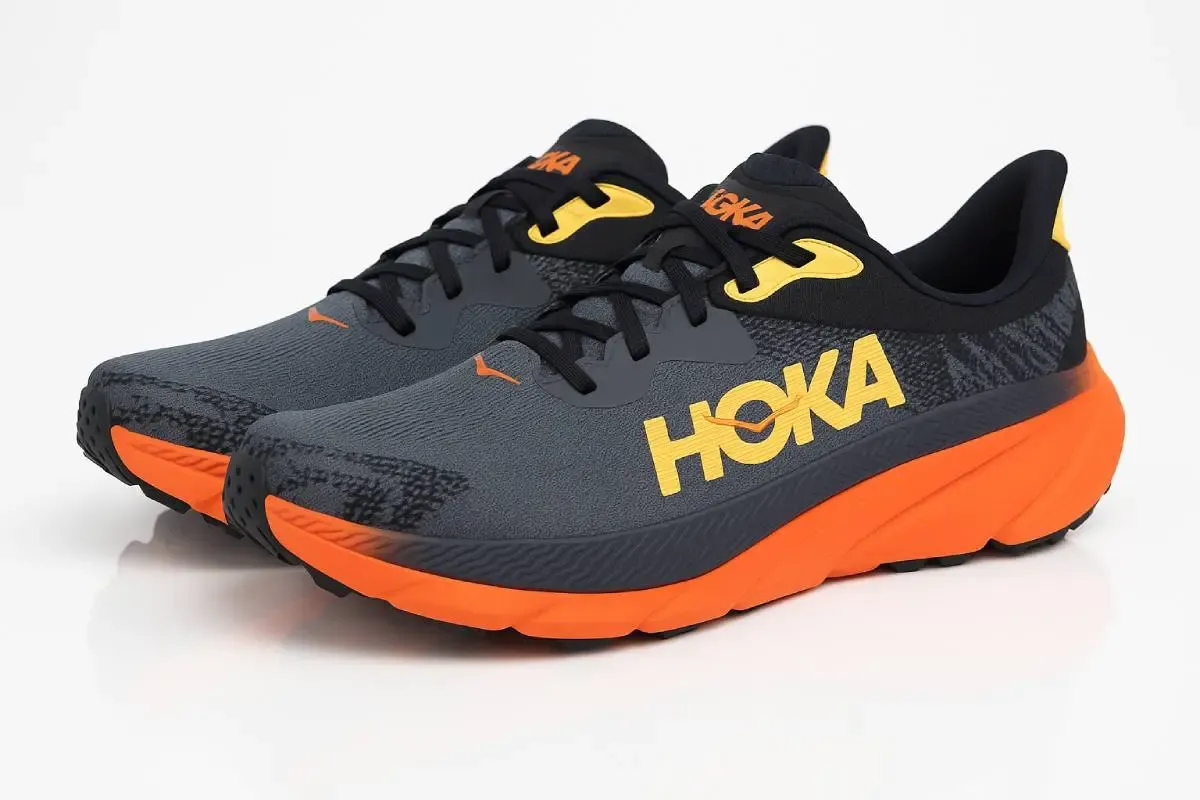
Hoka Challenger 7 Review
An in-depth review of the Hoka Challenger 7. Explore its road-to-trail performance, plush comfort, narrow fit, and questionable durability. Is it right for you?
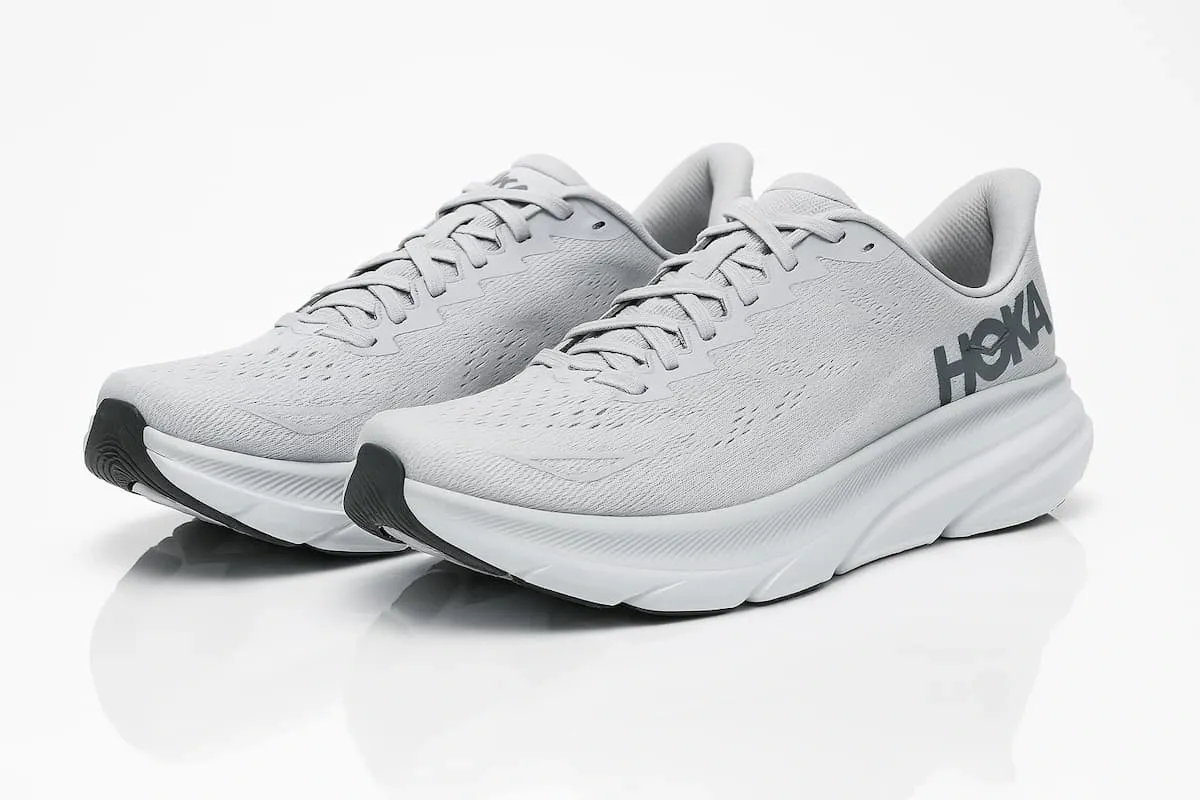
Hoka Clifton 9 Review
Hoka Clifton 9 Review: A detailed analysis of the lightweight, max-cushion daily trainer. Discover pros, cons, fit advice, and why it's a runner favorite.
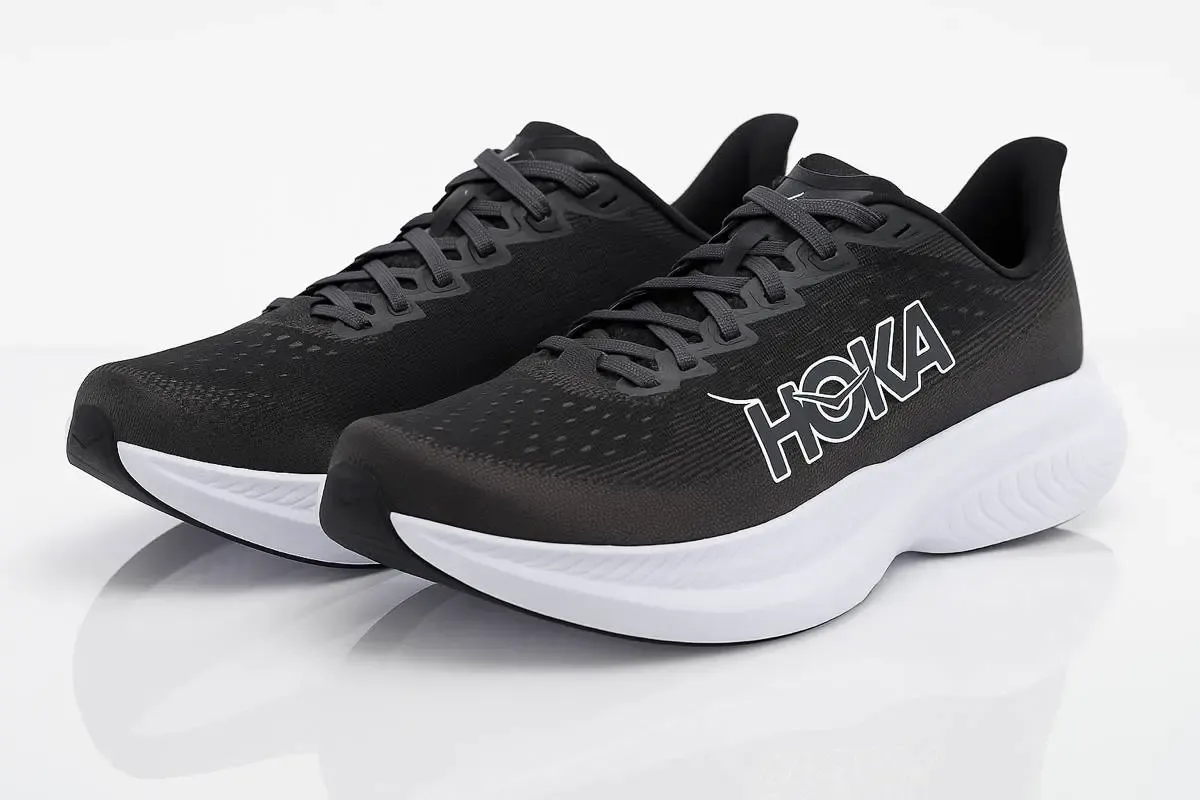
Hoka Mach 6 Review
An expert review of the Hoka Mach 6, a versatile daily trainer. We cover its new supercritical foam, durability, narrow fit, and value.
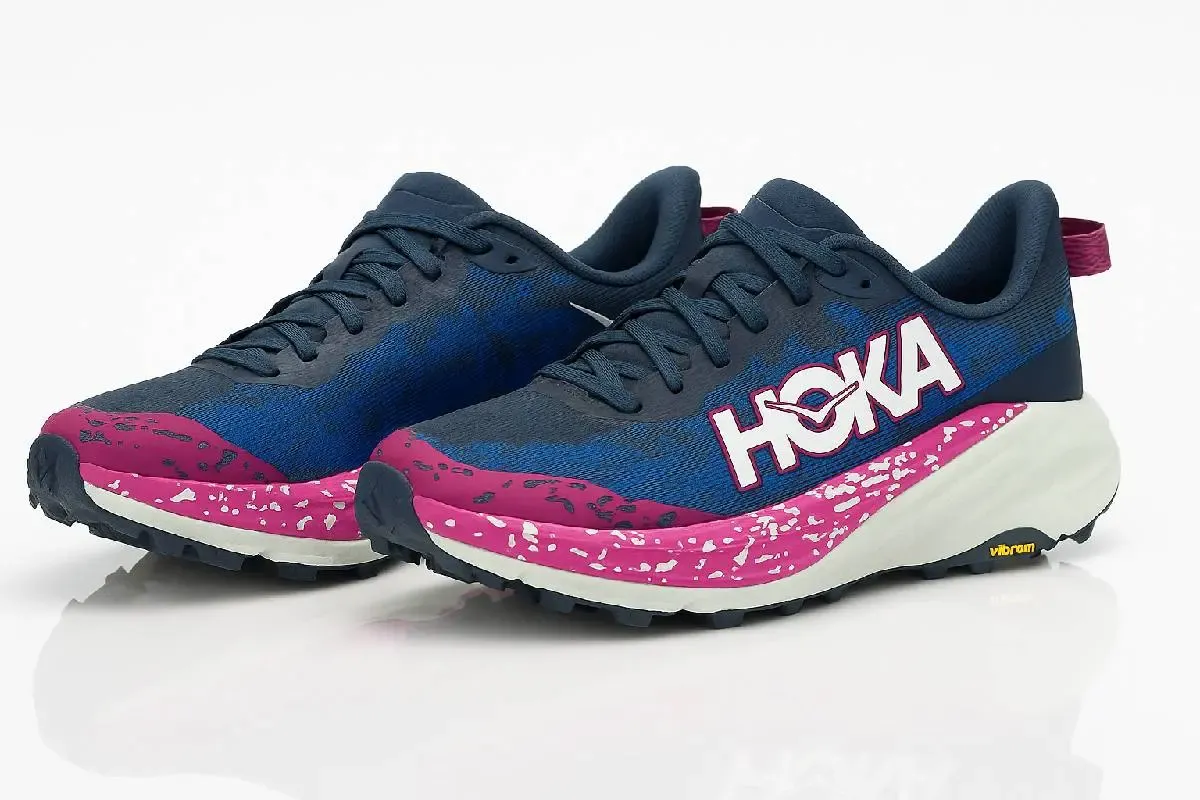
Hoka Speedgoat 6 Review
Get an expert review of the Hoka Speedgoat 6. We analyze its firmer cushion, elite traction, snug fit, and durability for trail and ultra running.
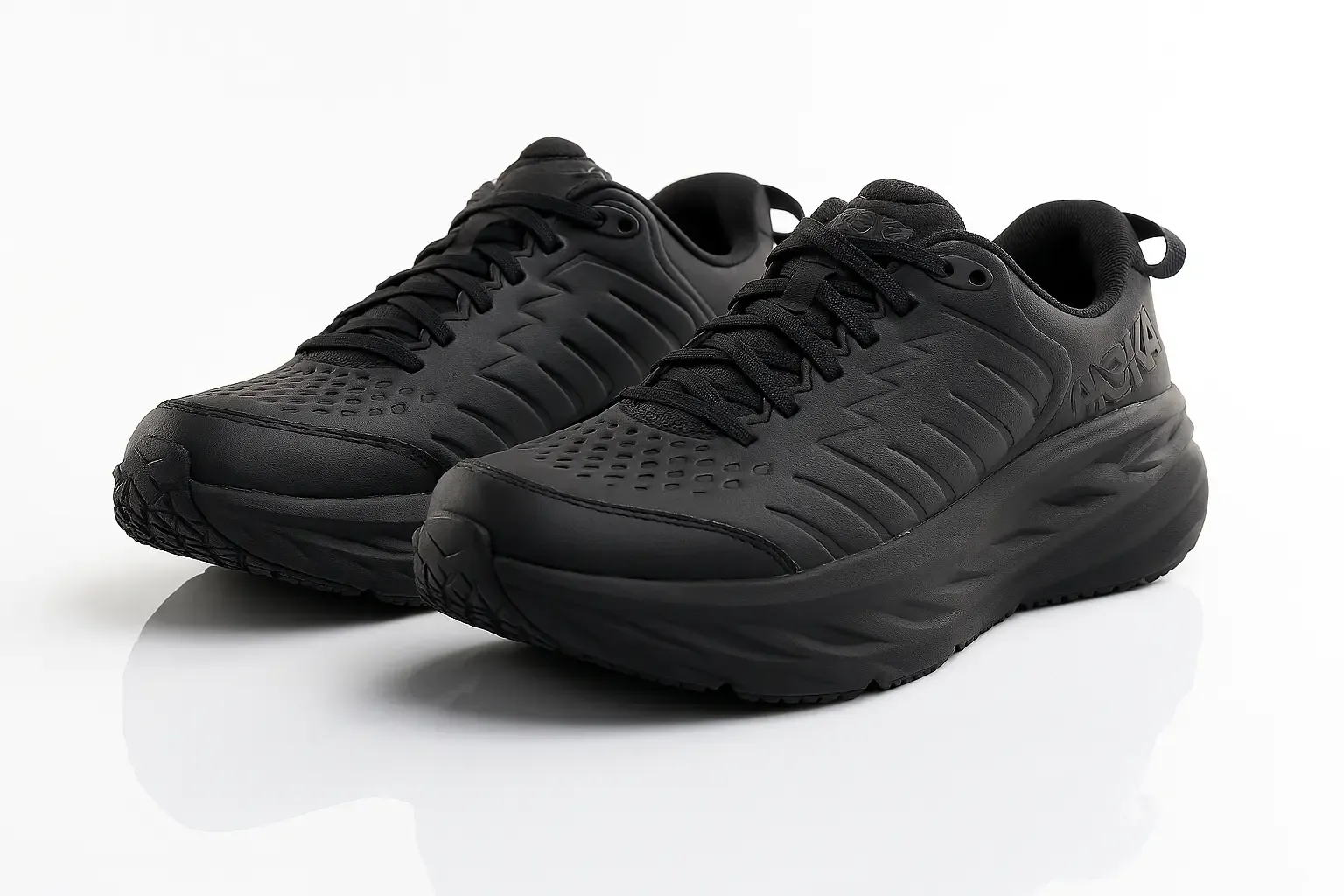
Hoka Bondi SR Review
Discover the Hoka Bondi SR's maximum cushioning, slip-resistant technology, and workplace durability for healthcare workers and restaurant staff in this comprehensive review.