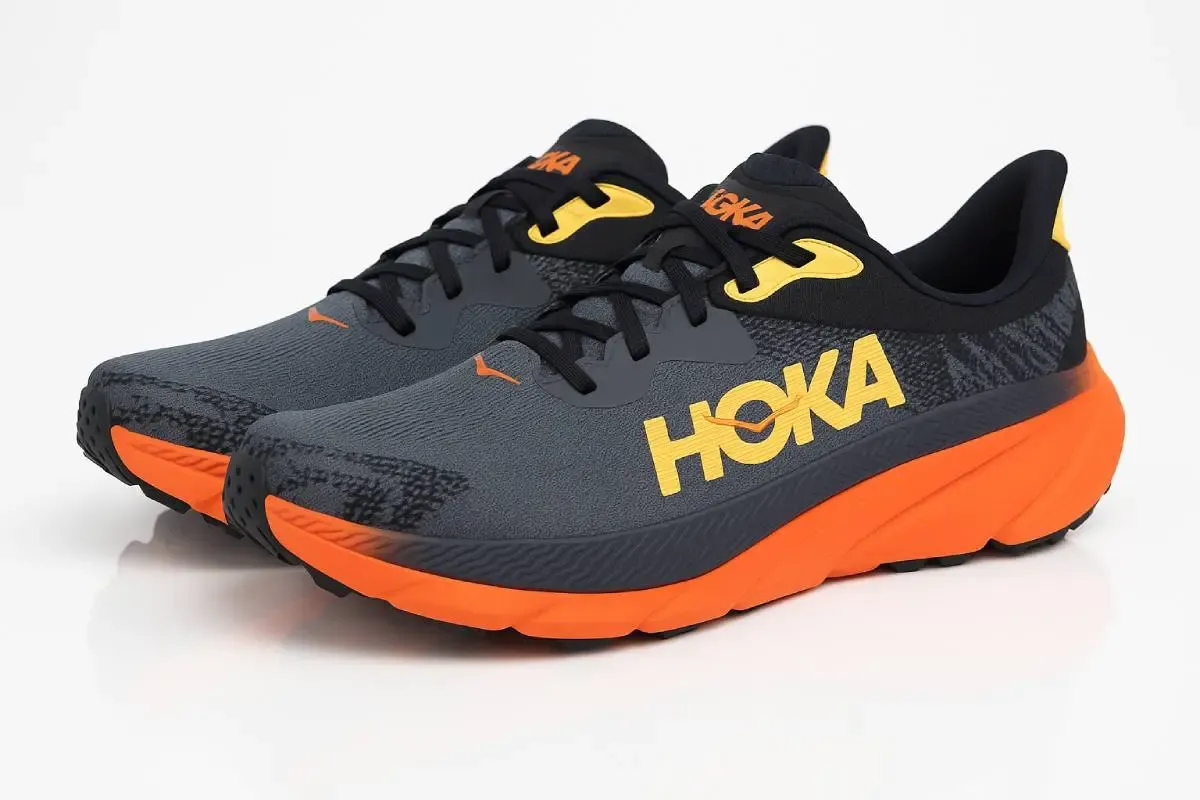
Founder & Lead Editor
Federico D'anna
Federico D'anna has spent 9 years reviewing sneakers with a methodology built on hands-on wear notes, side-by-side comparisons, and verified buyer feedback.
Learn more about Federico D'annaHighlights
Positive
- The cushioning provides exceptional, plush comfort on roads and trails.
- It's remarkably lightweight for a shoe with such a high stack of foam.
Negative
- The outsole durability is a significant concern for many users.
Hoka Challenger 7 Sizing & Fit Guide
The Hoka Challenger 7 is a hybrid, dual-purpose door-to-trail runner that delivers a cushioned, rolling ride, but its performance is heavily influenced by unique anatomical constraints. While it fits true to size (TTS) in physical length for standard feet, the upper features a snug fit through the midfoot and tapers aggressively in the toe box. This geometric profile provides excellent lockdown on uneven surfaces, yet it offers limited vertical and lateral volume for natural toe splay. For high-mileage runners or those requiring lateral relief from peripheral edema during long-distance excursions, navigating its volumetric constraints is critical to preventing hot spots and structural upper blowouts.
Compare your current pair to find the best size match.
| Reference Shoe | Your Usual US | Buy in US | Your Usual EU | Buy in EU | Fit Notes |
|---|---|---|---|---|---|
| Hoka Speedgoat 5 | 10.0 | 10.0 (Standard) or 10.0 (EE Wide) | 44 | 44 (Standard) or 44 (EE Wide) | Both models share a highly consistent physical length and stack height profile. However, while the Speedgoat 5 utilizes a flexible, stretchy vamp that effortlessly expands with foot swelling, the Challenger 7 features a stiffer upper that tapers much more severely in the forefoot. If you are on the upper boundary of a standard width in the Speedgoat, do not automatically size up in length—which would create unnecessary heel slippage; instead, maintain your true length and select the dedicated Wide (EE) variant to ensure adequate forefoot space. |
| Hoka Clifton 9 | 10.0 | 10.0 | 44 | 44 | Built on a very similar rocker geometry, these two sibling models exhibit identical length measurements. The Challenger 7 employs a slightly wider platform base to improve trail stability over uneven terrain. However, do not mistake a wider platform for a wider upper: the Challenger 7's upper volume is significantly snugger and tapers much faster at the toes, making the standard version feel tighter in the toe box than the Clifton 9. |
| Nike Pegasus Trail 4 | 10.0 | 10.5 | 44 | 44.5 | The Pegasus Trail 4 is built with a traditionally rounded toe box that allows standard-width feet plenty of room for natural metatarsal splay and handles thermal expansion well. Because the Challenger 7 tapers aggressively to a restrictive 70.6 mm at the big toe, runners transitioning from the Pegasus Trail 4 must size up by a half size to achieve comparable forefoot comfort, particularly if they are choosing the non-stretch, low-volume GTX version of the Challenger. |
| Brooks Cascadia 18 | 10.0 | 10.5 | 44 | 44.5 | The Brooks Cascadia is constructed on a wider, highly durable last, offering a spacious and traditional square forefoot in its standard width. Due to the aggressive forefoot taper and low ceiling height of the Challenger 7, runners transitioning from the Cascadia's roomy toe box should size up by a half size (or choose the Challenger 7 Wide EE variant) to prevent painful friction along the outer toes and metatarsophalangeal joints. |
Does the Hoka Challenger 7 run true to size?
Yes, the Hoka Challenger 7 runs true to size in physical length for standard-width runners under normal training conditions. However, for ultra-marathon runners or hikers covering long distances, natural foot swelling will quickly overwhelm the restricted vertical and lateral volume. In these long-distance scenarios, sizing up by a half or full size is recommended to prevent your toes from constantly jamming into the front bumper on steep downhills. Additionally, the waterproof GTX version utilizes a rigid, non-stretch internal bootie that reduces internal volume, typically requiring a half-size increase.
Is the Hoka Challenger 7 good for wide feet?
In its standard (D) width, the Challenger 7 is not recommended for wide feet. Laboratory testing shows that the toe box tapers dramatically to 70.6 mm near the big toe and features a low vertical ceiling of 24.9 mm, leaving inadequate room for natural metatarsal splay and causing friction blisters or premature upper mesh blowouts. To accommodate wider profiles, Hoka offers the standard mesh model in a dedicated Wide (EE) size. Note that the waterproof GTX version is not made in a wide variant; wide-footed runners should avoid the GTX version entirely rather than sizing up too much, which introduces uncorrectable heel slippage.
How is the arch support on the Hoka Challenger 7?
The Hoka Challenger 7 delivers moderate, neutral, and highly non-intrusive arch support. Instead of employing a rigid medial post or a dense foam wedge, it supports the midfoot naturally using Hoka's signature wide midsole platform and curved sidewalls to cradle the foot securely. While this works beautifully for low-to-medium arches, the low internal volume and low-profile heel collar (under 2 inches) mean the shoe does not accommodate thick aftermarket orthotics well. Inserting a high-volume insole lifts the foot too high, exacerbating toe box pressure and triggering severe heel slippage.
Ready to experience the Hoka Challenger 7 Review?
Get yours today with fast shipping from Amazon
The Hoka Challenger 7 is built for “door-to-trail” running, meaning it’s meant to handle pavement and light off-road paths without feeling out of place on either. It brings real updates over the Challenger 6, including less weight and more cushioning, which makes it feel plush and versatile. The big caveats are fit and longevity: the toe box runs narrow, and outsole durability is a recurring concern.
Quick Take
Overall Rating: 4.5/5
Best For: mixed-surface running, roads, gravel paths, non-technical to moderately technical trails
Key Strengths: exceptional comfort, plush, high-stack CMEVA midsole, lightweight profile, stable ride for neutral runners, smooth transitions
Notable Limitations: narrow toe box, durability of the Durabrasion rubber outsole, grip is less reliable on wet or highly technical surfaces
Visual Snapshot Summary
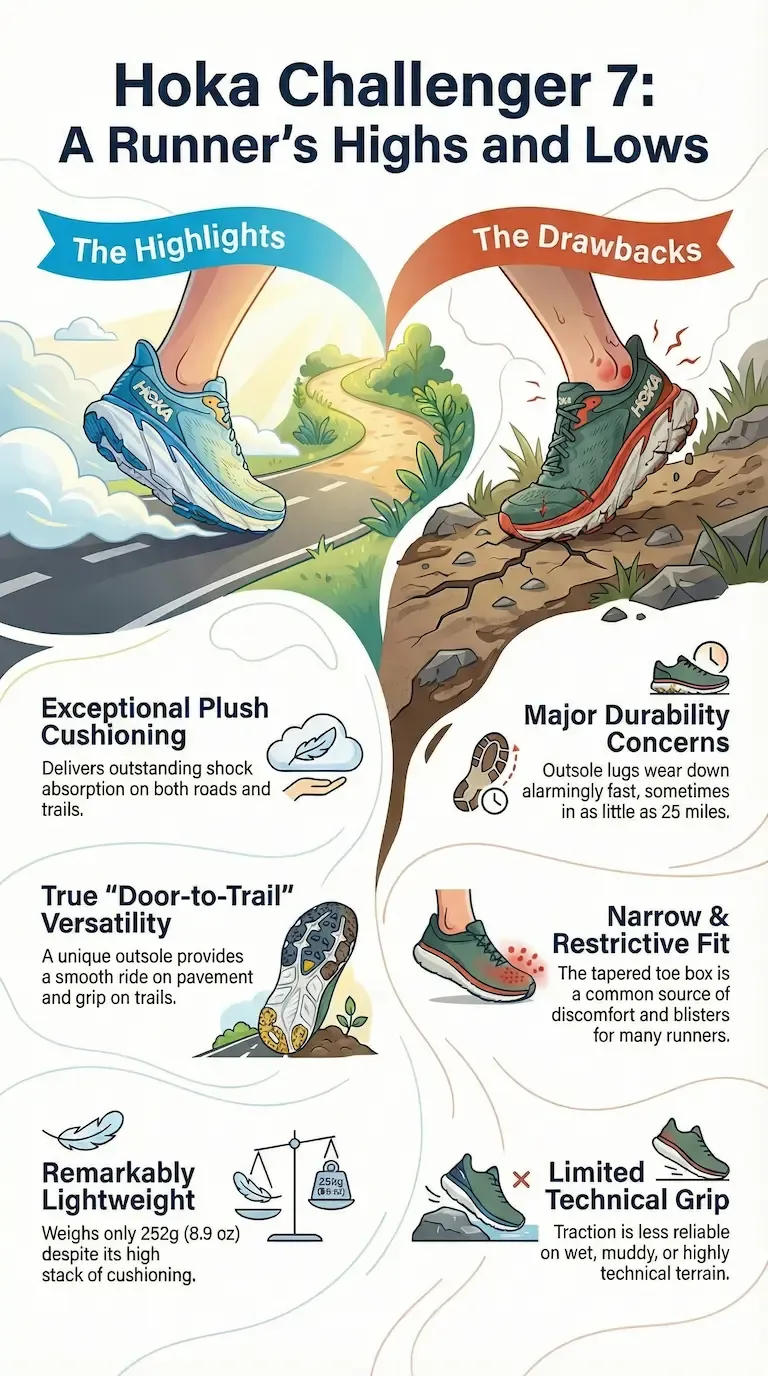
What Makes Hoka Challenger 7 Stand Out?
The Challenger 7 actually pulls off the road-to-trail promise better than a lot of “do-it-all” shoes. Hoka doesn’t just tweak the Challenger 6—it noticeably changes the feel. It drops weight while adding 2mm of stack height, which is a rare combo. The result is a ride that’s plush and cushioned thanks to the thick CMEVA midsole, but it doesn’t feel bulky or sluggish.
The other standout is the outsole redesign. The lug pattern takes inspiration from gravel bike tires: smaller, tighter lugs in the center for a smoother feel on pavement, and beefier lugs around the edges for trail grip. That design choice is what makes the transition from road to trail feel seamless. Users consistently praise the shoe's "exceptional comfort and cushioning, describing it as 'plush' and providing 'outstanding shock absorption'."
Real Customer Experiences
When you dive into what actual runners are saying, a pretty clear picture of the Challenger 7 emerges, with feelings running strong on both sides of the fence.
- Overwhelming Comfort: The most consistent praise is for its out-of-the-box comfort. The plush cushioning is a massive hit, making it a go-to for runners who prioritize a soft, protective ride. Many users highlight that it feels great from the very first run, with no break-in period needed.
- Fit Frustrations: On the flip side, a significant number of users express frustration with the fit, specifically the narrow and tapered toe box. This has been a deal-breaker for some, leading to discomfort and even blisters on longer runs.
- Durability Doubts: While the performance gets high marks initially, there's a recurring theme of concern around the shoe's longevity. The outsole lugs, in particular, are frequently cited as wearing down much faster than expected, which really eats into the shoe's overall value proposition.
Here are a couple of quotes that really capture the user experience:
"A primary point of criticism is the narrowness of the toe box, which can cause discomfort, such as rubbing pinky toes raw."
"The Durabrasion outsole is reported to wear quickly, with lugs becoming 'completely worn flat' or peeling off at relatively low mileages (as low as 25 miles for some)."
Design and Build Quality
Let's break down what this shoe is actually made of, from the ground up. It's a pretty interesting construction when you get into the nitty-gritty.
Upper The upper is crafted from an engineered mesh that includes recycled materials, which is always a nice touch. It's designed to be breathable and flexible. One of the most user-friendly features is the extended heel pull tab. It might seem like a small detail, but when you're tired after a long run, being able to slide your shoes on and off easily is a godsend. It's like Hoka's designers have actually been there, fumbling with their shoes with jelly legs. The tongue is also gusseted, meaning it's attached to the sides of the shoe, which does a great job of keeping trail debris like little pebbles and twigs from getting inside.
Midsole This is where Hoka's signature identity really shines. The midsole is a thick slab of Compression Molded EVA (CMEVA) foam. For the Challenger 7, they increased the stack height – we're talking about 31mm in the heel and 26mm in the forefoot for the men's model. This gives it a 5mm heel-to-toe drop, a sweet spot for many runners. Despite this massive cushion, the shoe incorporates an early-stage Meta-Rocker geometry. Let me explain: this is essentially a curved sole shape that acts like a rocking chair for your foot, encouraging a smooth and efficient transition from heel-strike to toe-off. It's what prevents the high stack from feeling clunky and instead makes the ride feel fluid.
Outsole Here's where things get both innovative and a bit controversial. The outsole uses Hoka's Durabrasion rubber. The design is pretty clever, drawing inspiration from gravel tires. It features 4mm multi-directional lugs that are smaller and more densely packed in the center for a smooth feel on hard surfaces, and larger, more spaced-out lugs along the perimeter to bite into softer ground. In theory, this is the perfect hybrid design. In practice, as we'll discuss later, its durability has been a point of contention.
Weight Coming in at around 252 grams (8.9 oz) for a men's size 9, the Challenger 7 is impressively light for a shoe with so much cushion. This weight reduction from its predecessor is a key upgrade, making the shoe feel more nimble and less like a chore to run in, especially as the miles add up.
Special Tech To recap the tech jargon, we've got the CMEVA foam for that plush ride, the early-stage Meta-Rocker for smooth transitions, and the unique Durabrasion rubber outsole for hybrid traction.
Common Durability Issues Unfortunately, the love for the Challenger 7's performance is often tempered by durability concerns. The most frequently reported issue is the rapid wear of the Durabrasion outsole, with some runners seeing significant degradation of the lugs well before they feel the midsole has given up. The engineered mesh upper, while comfortable, has also been known to tear or fray at the main flex point in the toe box.
Comfort and Fit
Fit is where the Challenger 7 can be either a winner or a deal-breaker. If your foot matches the shape, it’s immediately enjoyable. If it doesn’t, you’ll know quickly.
Sizing Advice For the most part, the Challenger 7 runs true to size in length. If you’re a size 10 in most running shoes, a 10 here typically fits heel to toe. The forefoot is the bigger question. With the narrow toe box, some runners go up half a size to get more volume and avoid squeezed toes.
Width Profile There’s no way around it: the standard-width Challenger 7 is narrow. The forefoot and toe box taper in a way that many runners find restrictive. The good news is Hoka offers a Wide (2E) version in the standard mesh model. If you have medium-width feet or wider, going straight to the wide option can save you a lot of frustration. The waterproof GTX version not coming in wide is a real drawback.
Break-In Period One of the biggest wins is out-of-the-box comfort, at least if the shape works for you. As one reviewer noted, "Many report no break-in period and a comfortable feel right out of the box." The plush heel collar and padded tongue help create a secure lockdown from the first lace-up.
Love the comfort features?
See current availability and pricing
Style and Versatility
The Hoka Challenger 7 isn’t a dress shoe. It has the classic Hoka look: a chunky, maximalist midsole that reads “cushioning” immediately. It’s functional and athletic, not fashion-first. But in an era of athleisure, it fits in easily.
The colorways are often bright and eye-catching, appealing to the runner who likes a bit of flair. Its versatility isn't just in performance; it extends to its use case. Beyond running, it's an excellent shoe for walking or light hiking on well-maintained trails. It's also become a favorite for people who spend all day on their feet or for travelers who want one shoe that can handle a day of sightseeing followed by a hotel gym session.
Quality and Durability
Now we get to the Achilles' heel of the Challenger 7. Comfort and versatility get a lot of praise, but durability is where opinions turn.
Initial build quality feels solid. The upper is well-constructed, the midsole feels great, and early runs are usually a joy. The concern is what happens over time. There’s a big question mark around long-term value, with zero percent of formal praise directed at durability in our data. The main issue is the outsole: many runners report Durabrasion lugs wearing down fast, especially with a lot of road miles.
Here's a direct quote that sums up the frustration:
"The Durabrasion outsole is reported to wear quickly, with lugs becoming 'completely worn flat' or peeling off at relatively low mileages (as low as 25 miles for some)."
Beyond the outsole, some users report the engineered mesh tearing where it creases near the toes. Others say the midsole “packs out” or loses cushioning sooner than expected. It’s a shame, because it can turn a great door-to-trail concept into a shoe you replace sooner than you’d want.
Decision Matrix
| Scenario ↓ / Criterion → | Comfort | Breathability | Rain/Grip | Style |
|---|---|---|---|---|
| Daily Urban Wear | ✓ | ○ | ✓ | ✓ |
| Office Casual | ✓ | ○ | ✓ | ○ |
| Light Sport/Gym Activities | ✓ | ○ | ✓ | ✓ |
Legend: ✓ = Good ○ = Average ✕ = Poor
Who Should Buy
Perfect For
- Mixed-surface runners: This is your holy grail if you run on a combination of roads, gravel paths, and easy trails.
- Daily trainers seeking comfort: If plush cushioning is your top priority for daily miles, this shoe is a dream.
- Long-distance runners on less demanding surfaces: For marathons or ultras on roads or light trails, the cushioning will keep your legs fresh.
- Beginner trail runners: It's a forgiving and non-intimidating introduction to the world of trail running.
- Light hikers and walkers: The comfort and lightweight nature make it perfect for long days on your feet.
- Runners with a neutral gait: It offers a stable platform but without corrective support for overpronation.
Consider Alternatives If
- Technical trail runners: If your runs involve mud, steep inclines, or rocky, technical terrain, you need a shoe with more aggressive grip.
- Runners with wide feet needing a waterproof (GTX) version: Unfortunately, the GTX model doesn't come in a wide size, so you're out of luck.
- Users prioritizing maximum long-term durability: If getting the most miles for your money is your goal, the outsole wear will likely disappoint you.
- Runners who prefer significant ground feel: The high stack of cushioning mutes out a lot of the trail, which is a negative for those who like to feel connected to the ground.
Final Verdict
The Hoka Challenger 7 is a fantastic concept and, for the right person, a brilliant shoe. It masterfully blends the plush, cushioned ride of a road shoe with the capability of a light trail runner. It's lighter, more cushioned, and more versatile than its predecessor, making it a joy for those 'door-to-trail' runs. However, its brilliance is tarnished by a narrow toe box that will alienate many runners and, more critically, by significant durability concerns with its outsole. It's a shoe you'll likely love for the time it lasts, but that time might be shorter than you'd hope for the price.
Browse our full Hoka collection to find your perfect pair.
As an Amazon Associate we earn from qualifying purchases. This helps support our site so we can keep bringing you the best content!
Frequently Asked Questions
Is the Hoka Challenger 7 good for walking and hiking?
What are the main complaints about the Hoka Challenger 7?
Is the Hoka Challenger 7 truly a road-to-trail shoe?
Related Reviews
Hoka Bondi 9 Review
The HOKA Bondi 9 delivers exceptional cushioning with revolutionary foam technology, earning 4.8/5 stars for outstanding comfort & pain relief. Perfect for all-day wear.
Hoka Clifton 9 Review
Hoka Clifton 9 Review: A detailed analysis of the lightweight, max-cushion daily trainer. Discover pros, cons, fit advice, and why it's a runner favorite.
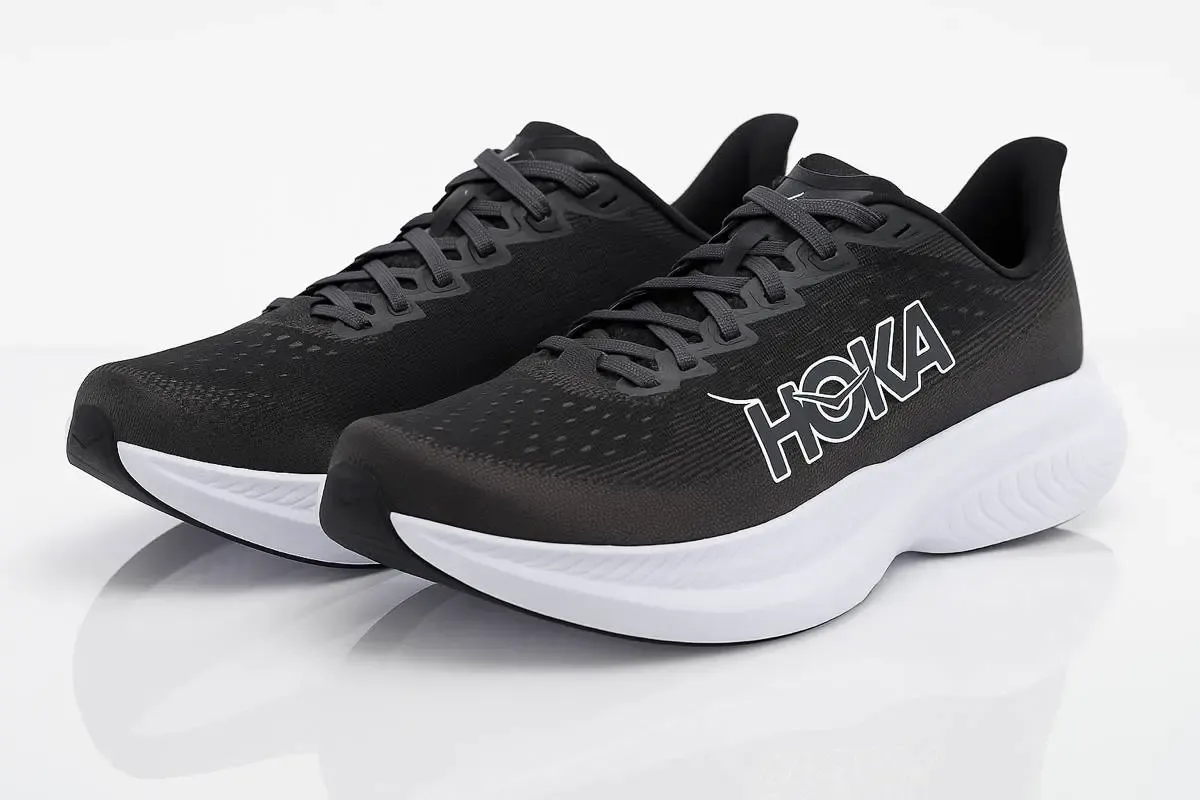
Hoka Mach 6 Review
An expert review of the Hoka Mach 6, a versatile daily trainer. We cover its new supercritical foam, durability, narrow fit, and value.
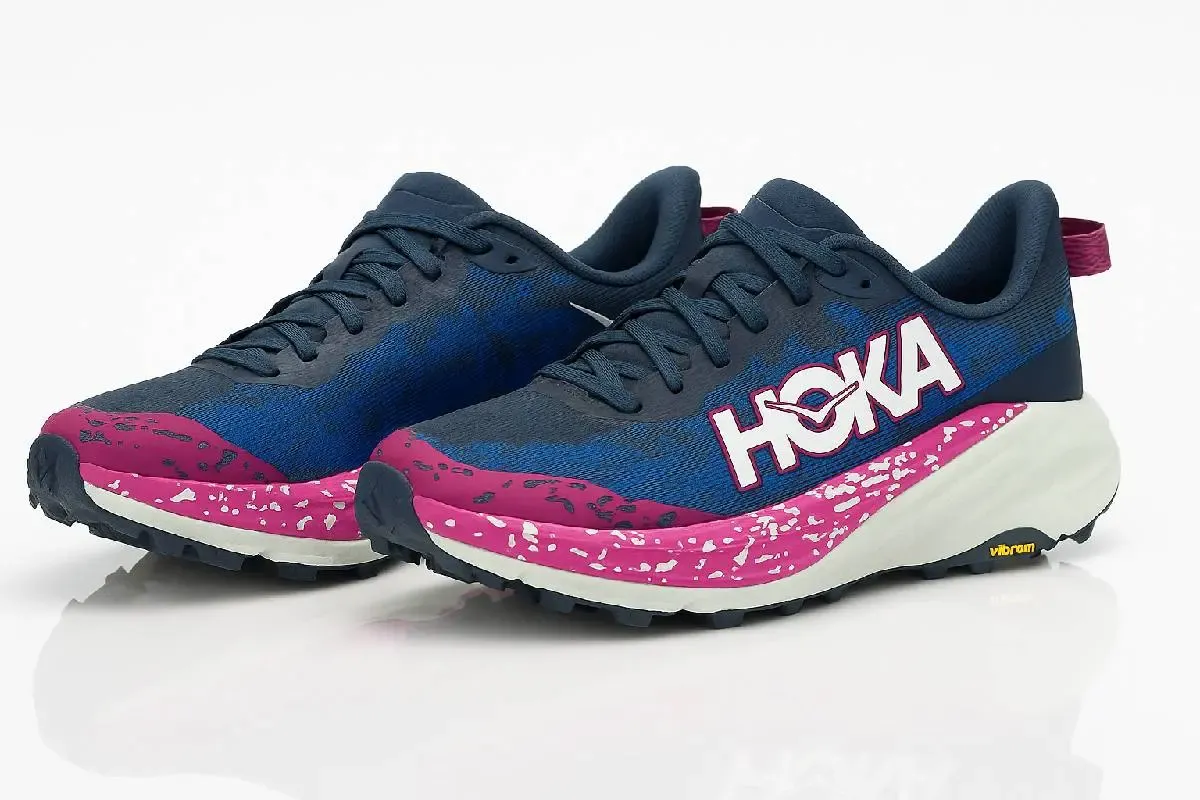
Hoka Speedgoat 6 Review
Get an expert review of the Hoka Speedgoat 6. We analyze its firmer cushion, elite traction, snug fit, and durability for trail and ultra running.
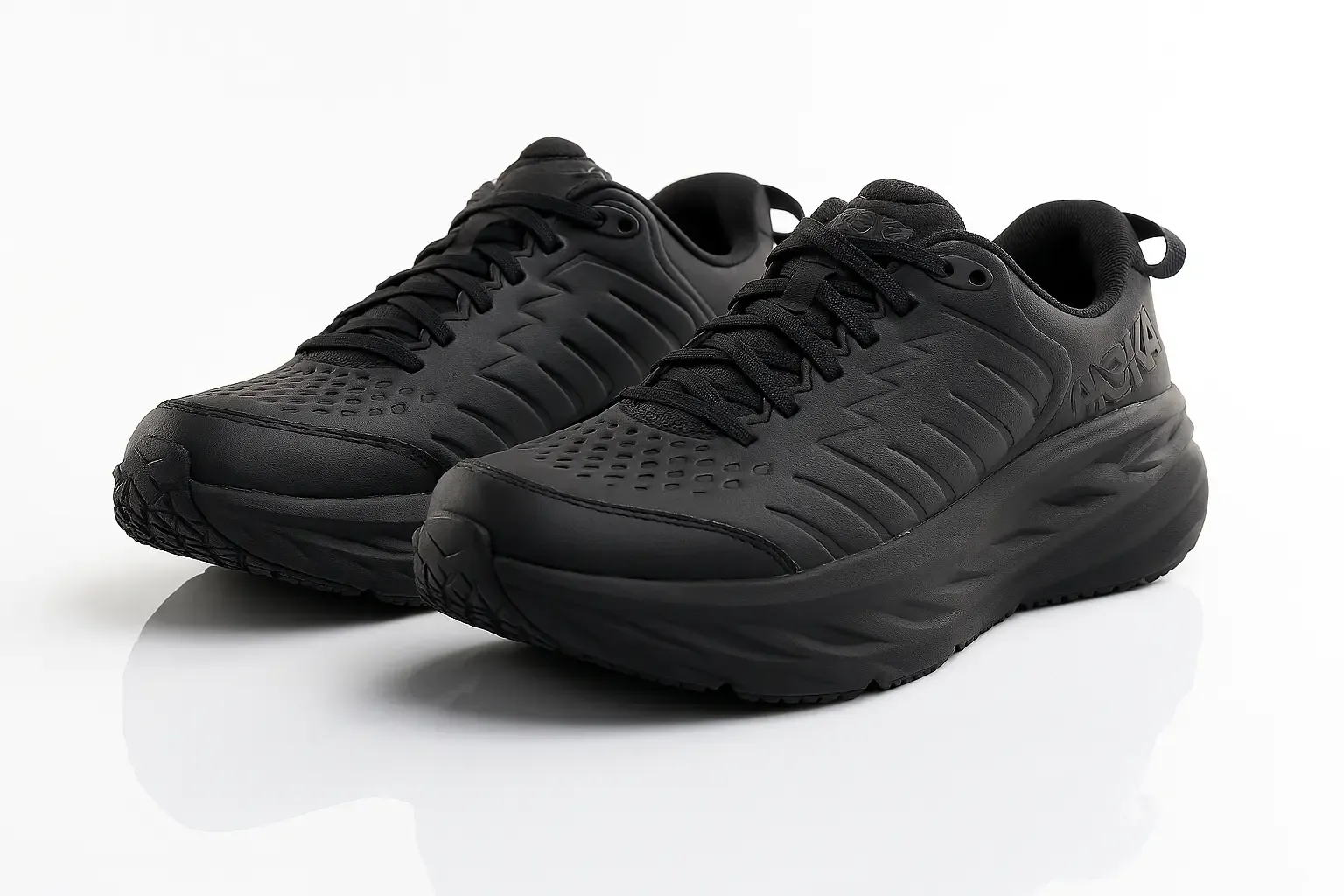
Hoka Bondi SR Review
Discover the Hoka Bondi SR's maximum cushioning, slip-resistant technology, and workplace durability for healthcare workers and restaurant staff in this comprehensive review.
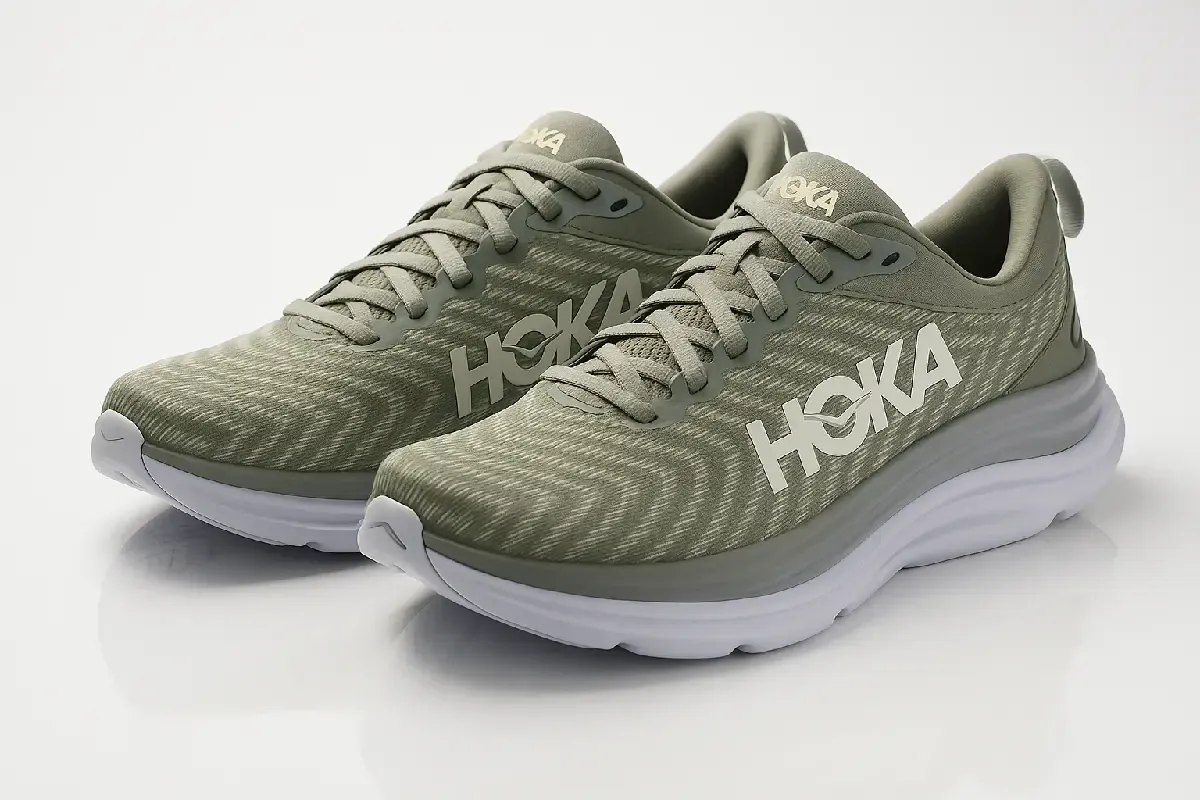
Hoka Gaviota 5 Review
Hoka Gaviota 5 review: A detailed analysis of the H-Frame stability, plush cushioning, and significantly wider fit. Find out if it's for you.