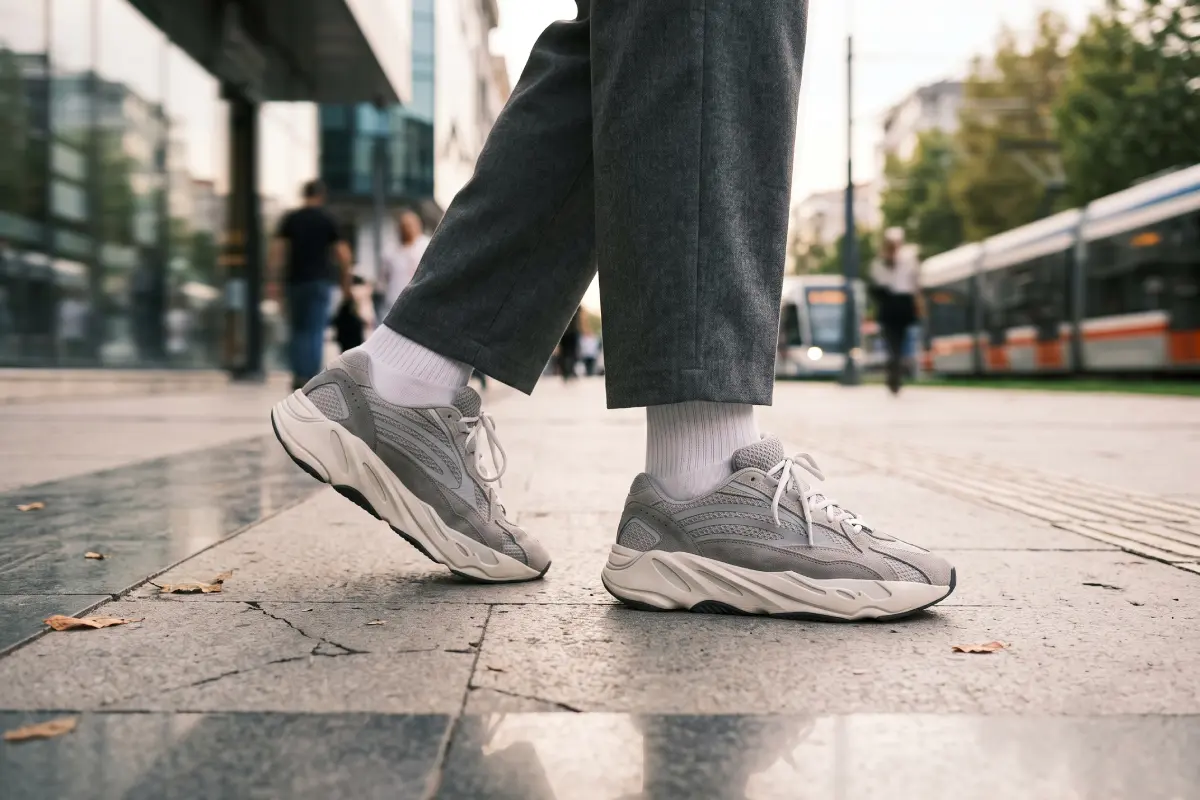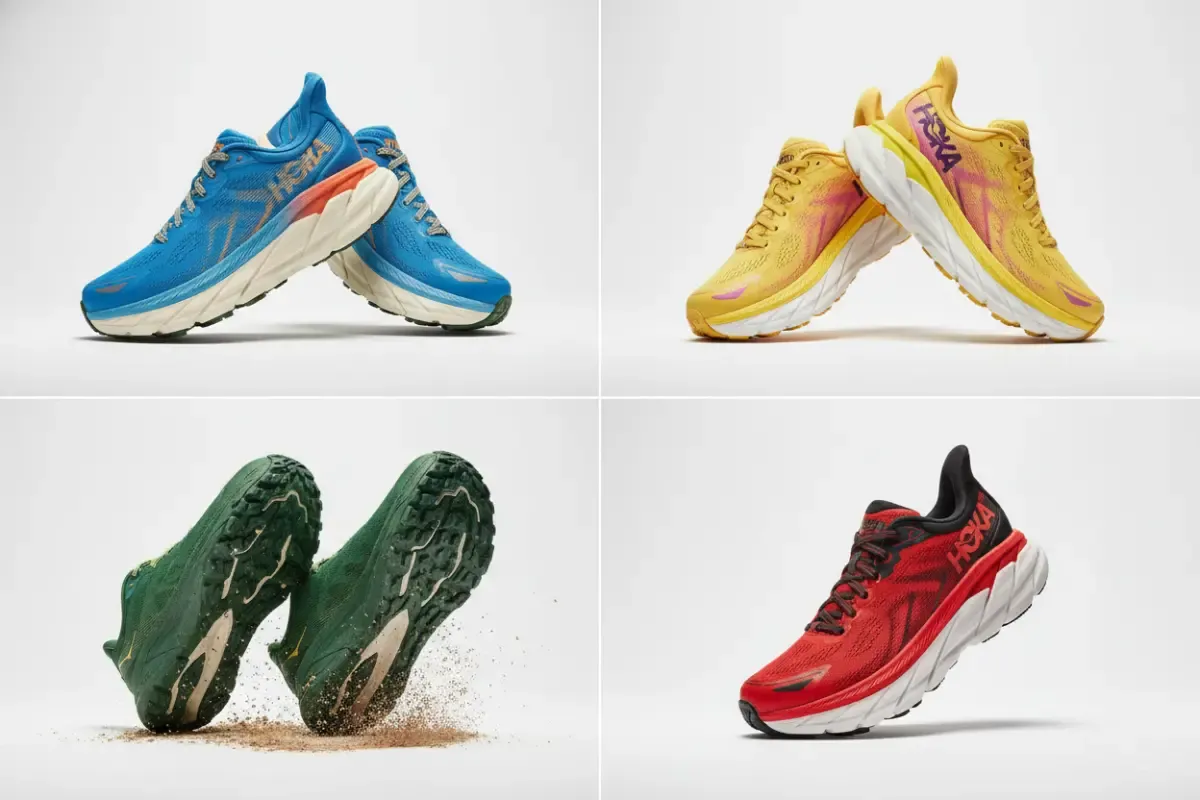
If you’ve spent any time at a 5k starting line, on a rugged trail, or just walking around town in the last few years, you’ve seen them: the unmistakable maximalist shoes that look like they’re part running shoe, part cloud. Hoka (formerly Hoka One One) flipped the running shoe world on its head, going from an ultrarunner favorite to a full-on mainstream powerhouse.
So what’s the big deal? It’s pretty simple: make running feel easier. Hoka went against the minimalist trend with oversized midsoles that delivered serious cushioning without feeling like bricks. Then they paired that cushion with a “rocker” geometry that nudges you forward, so each stride feels smoother.
Today, Hoka holds a 10% share of the running shoe market, right up there with the industry giants. Whether you’re a seasoned marathoner, a casual jogger, or just trying to find a pair that feels easy on your feet for walking, Hoka has a model that fits the job. Let’s break down the lineup and find your match.
Why Do Runners Choose Hoka?
It’s not only about the plush feel. The whole Hoka approach is maximum cushion with surprising stability and a bit of pop.
- Impact Protection: The signature move with most Hokas is the thick stack of foam. It does a great job absorbing impact, which can be a lifesaver if you’re prone to joint pain or logging big mileage.
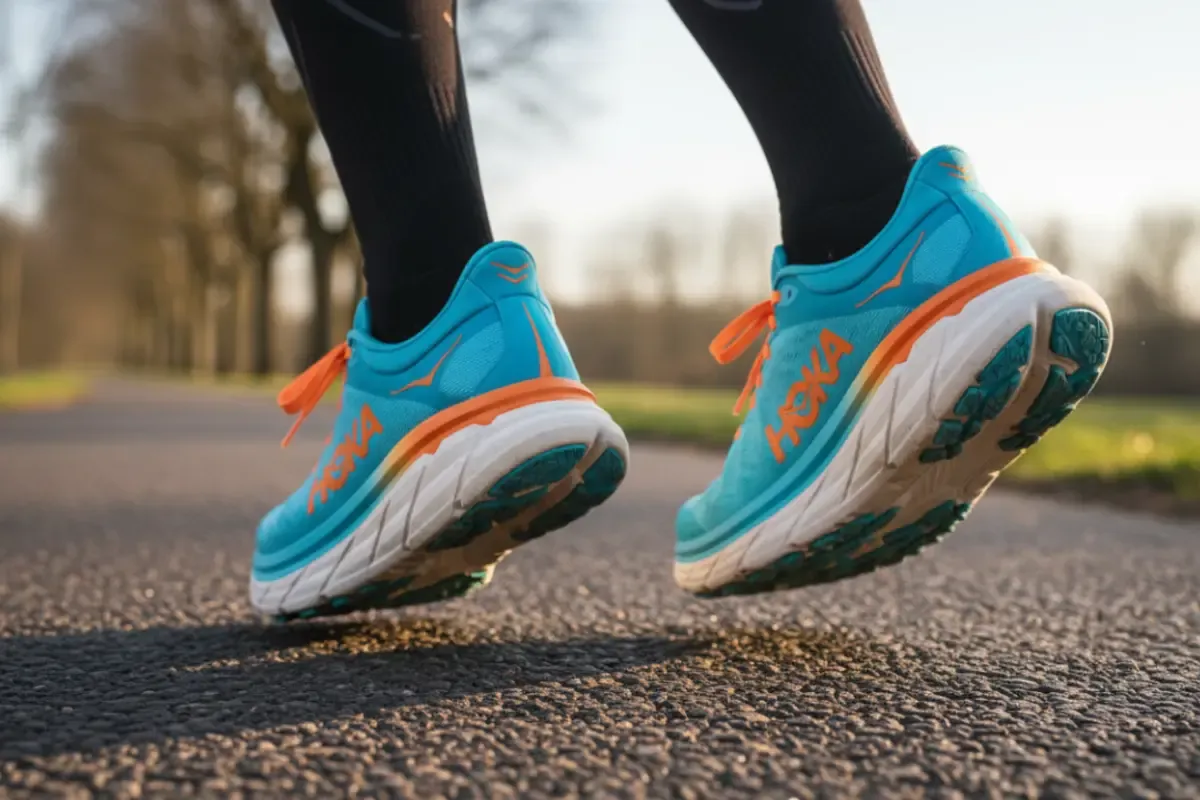
- The Meta-Rocker: This is the curved sole you see on Hoka shoes. It acts like a rocking chair for your foot, encouraging a smooth roll from heel-strike to toe-off. That geometry cuts down the work your feet and lower legs have to do, which can mean less fatigue on long runs.
- Surprising Stability: Even with all that soft cushioning, Hoka shoes are remarkably stable. Many models use a wide base and an “Active Foot Frame,” which cradles your foot down inside the midsole instead of perching it on top. It’s basically a bucket seat for your foot, keeping you secure even when the terrain gets uneven.
Hoka Road Running Shoes: Find Your Ride
Hoka’s road shoe lineup is diverse, with options for every type of run, from slow recovery jogs to race-day personal bests.
Max-Cushioned Trainers
If you prioritize comfort above all else, this is your category. These shoes are perfect for long runs, recovery days, or anyone who just wants to feel like they’re running on pillows.
-
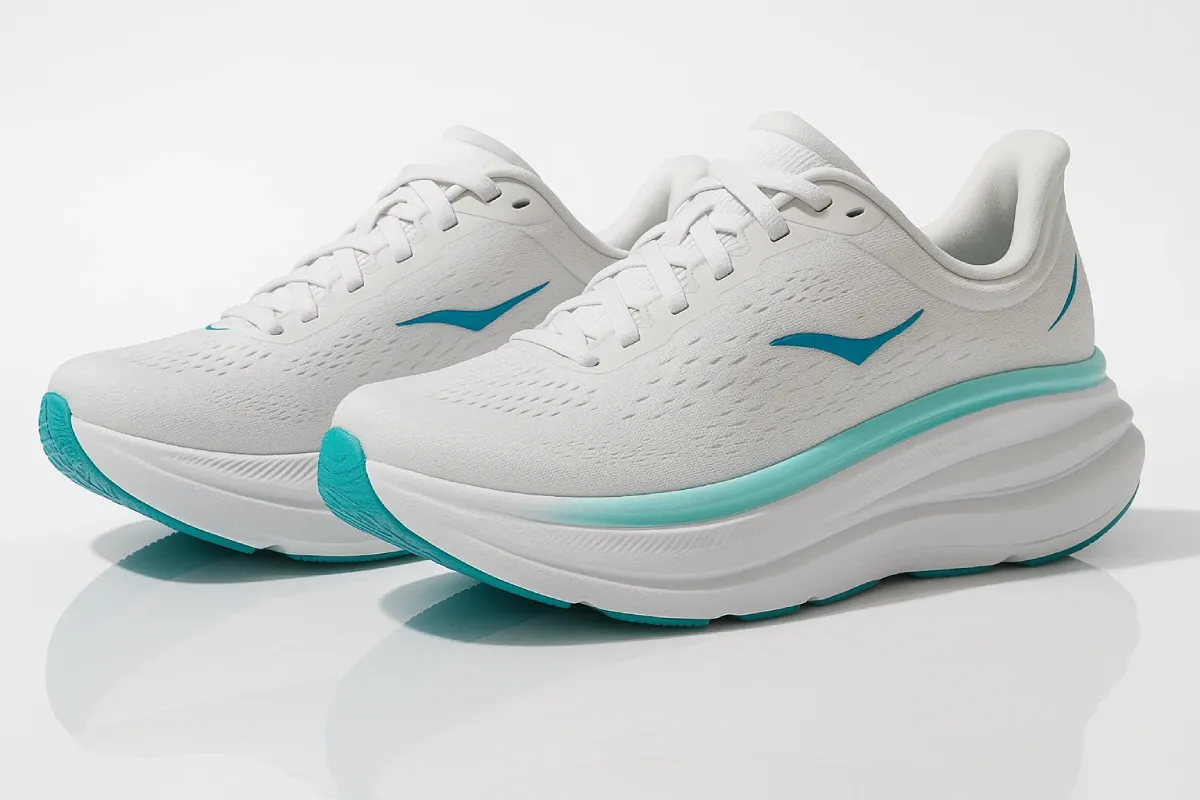
Hoka Bondi 9: The king of cushioning. The Bondi 9 is Hoka’s plushest, most cushioned road shoe, now updated with an even lighter and more resilient supercritical EVA foam. It’s a true recovery day hero.
 SHOP NOWHoka
Hoka Bondi 9
- Hoka Clifton 10: The shoe that arguably put Hoka on the map for daily training. The Clifton 10 balances softness with a lighter feel than the Bondi, making it a versatile workhorse for everything from daily miles to long-distance comfort.
Hoka Clifton 9 Detailed Review
See our full review of the best Hoka cushioned shoes.
Daily Trainers
These shoes blend cushioning with responsiveness, making them the perfect “do-it-all” option for the bulk of your training miles.
-
Hoka Mach 6: A fan favorite that gets a big update. The Mach 6 features a full supercritical EVA midsole, making it lighter, bouncier, and more responsive than ever. It’s the ideal choice for runners who want one shoe that can handle easy runs, tempo workouts, and everything in between.
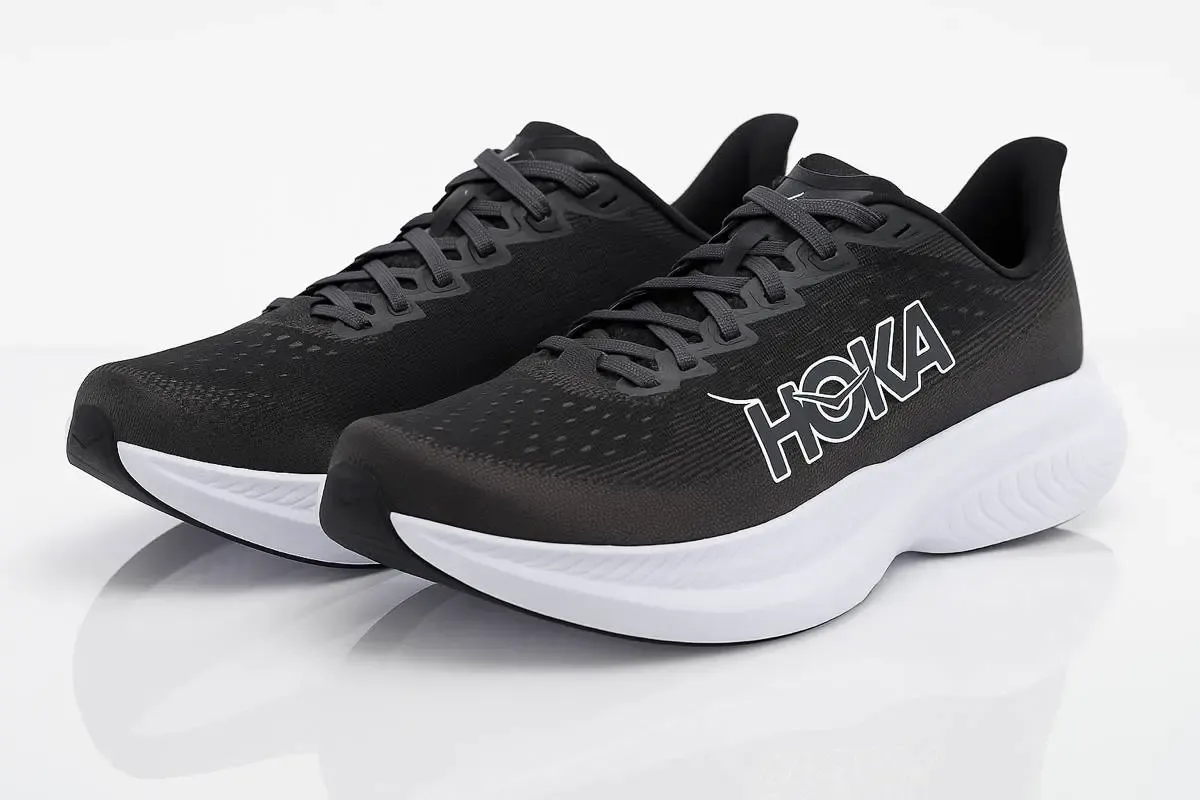 SHOP NOWHoka
Hoka Mach 6
Stability Shoes
If you overpronate (meaning your foot rolls excessively inward), these models offer subtle guidance to keep your stride neutral without feeling stiff or intrusive.
-
Hoka Gaviota 5: This is Hoka’s top-tier stability shoe, offering maximum cushioning alongside the innovative H-Frame. The H-Frame provides support on both the medial (inner) and lateral (outer) sides of your foot, giving you a secure and stable ride.
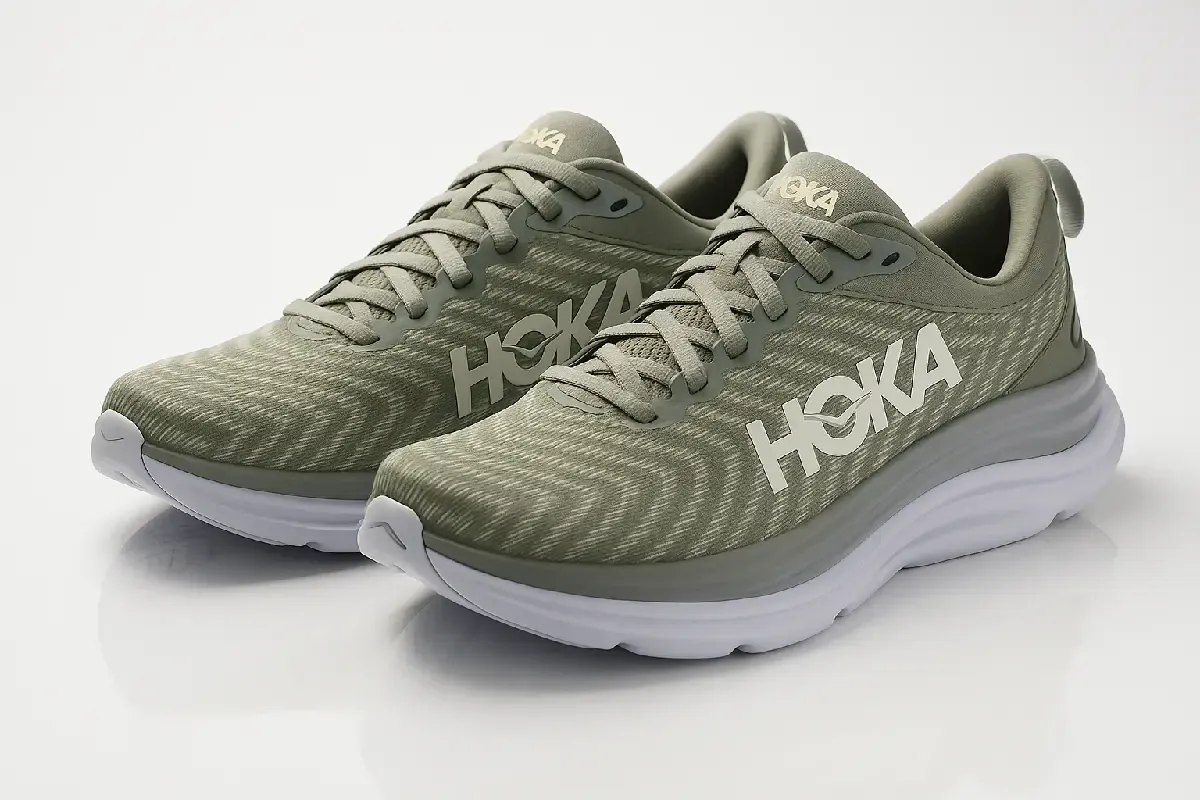 SHOP NOWHoka
Hoka Gaviota 5
-
Hoka Arahi 8: The Arahi 8 is the stability equivalent of the popular Clifton. It’s lighter than the Gaviota but still uses the H-Frame to offer reliable, unobtrusive support for everyday training.
Hoka Gaviota 5 Detailed Review Hoka Arahi 7 Detailed Review
Speed & Race Day Shoes
When you want to go fast, Hoka delivers with cutting-edge technology, including PEBA foams and carbon plates for maximum energy return.
- Hoka Cielo X1 2: This is Hoka’s elite marathon racing shoe. With a propulsive carbon fiber plate sandwiched between two layers of responsive PEBA foam, it’s built for your fastest efforts.
- Hoka Rocket X 2: A more versatile and aggressive racer, the Rocket X 2 is lighter and feels more connected to the ground. It’s a favorite for everything from 5Ks to half marathons.
- Hoka Mach X 3: Think of this as the Mach 6’s supercharged sibling. It takes the energetic feel of the Mach and adds a Pebax plate (a flexible plastic plate) for an extra pop of energy, making it a fantastic speed trainer or a more accessible race day option.
Hoka Trail Running Shoes: Conquer Any Terrain
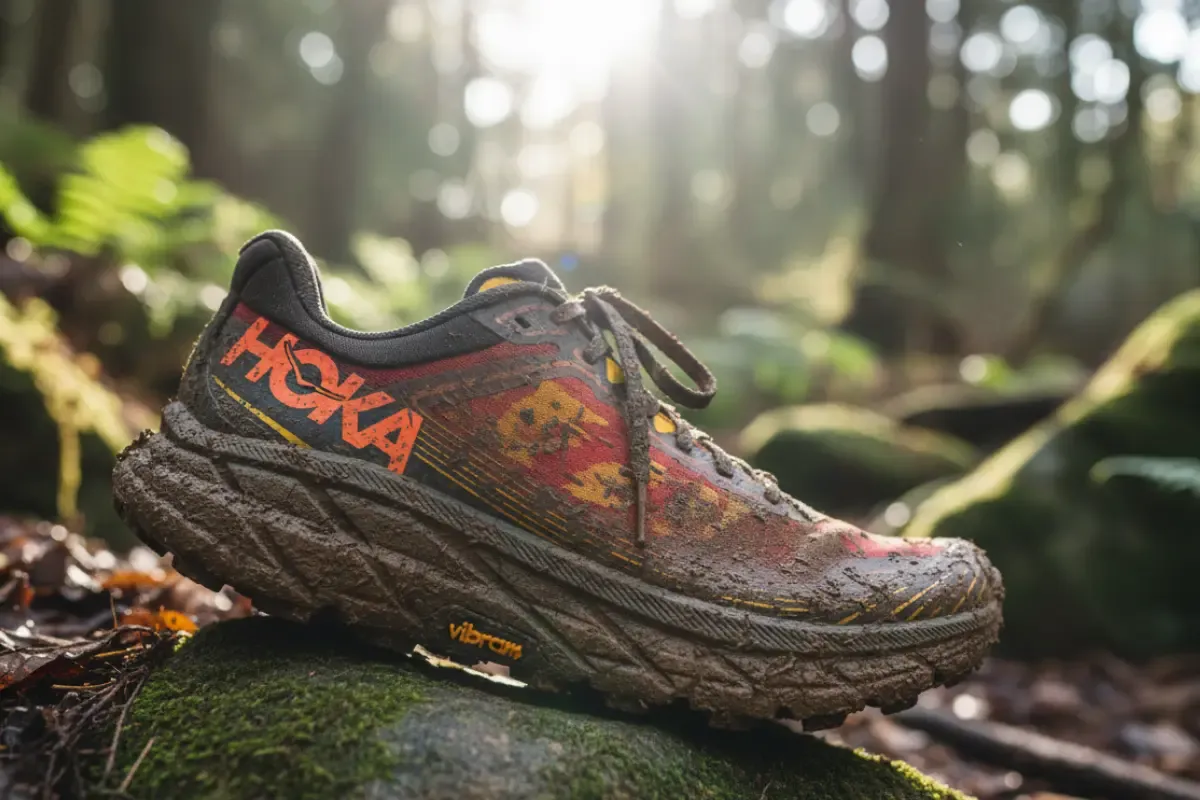
Hoka’s DNA was born on the trails of the Alps, and their trail running shoes are renowned for their grip, protection, and signature cushioning.
-
Hoka Speedgoat 6: The legend. The Speedgoat is the workhorse of the Hoka trail line, beloved for its aggressive Vibram Megagrip lugs, comfortable cushioning, and durable upper. It can handle just about any terrain you throw at it, from smooth fire roads to technical, rocky descents.
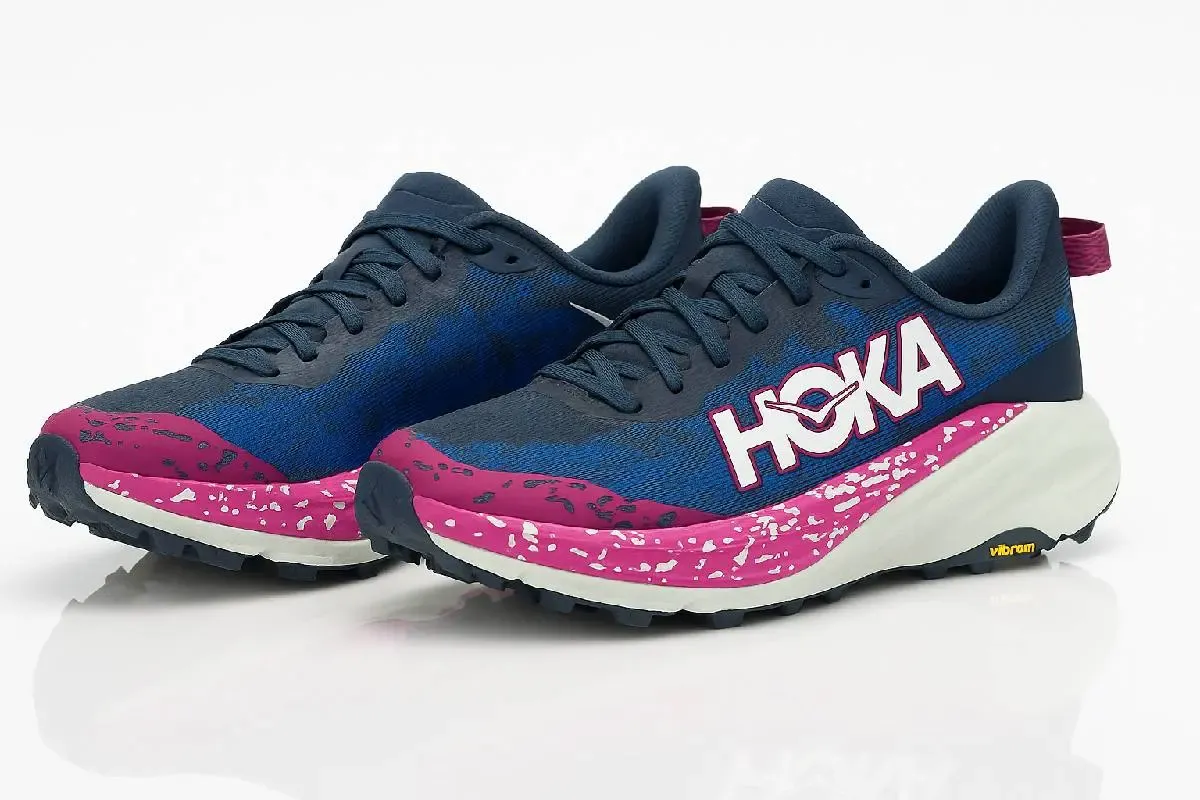 SHOP NOWHoka
Hoka Speedgoat 6
-
Hoka Mafate Speed 4: If the Speedgoat is the all-rounder, the Mafate is its rugged, max-protection sibling. It features an even more aggressive outsole and a two-part PROFLY+ midsole for a soft landing and responsive toe-off, ideal for the most demanding ultra-distance runs.
-
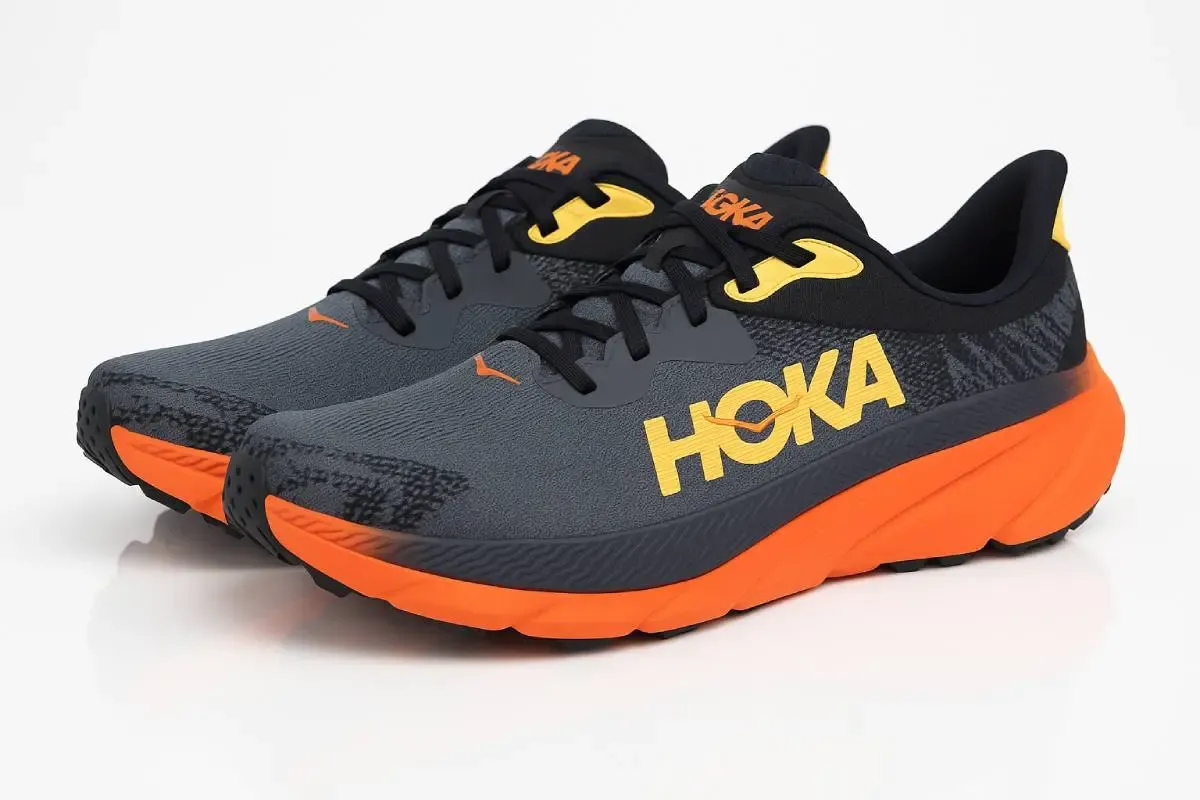
Hoka Challenger 7: The perfect hybrid shoe for runners whose routes include both road and trail. It has a less aggressive outsole than the Speedgoat, making for a smoother ride on pavement, but still offers enough grip for well-groomed trails.
 SHOP NOWHoka
Hoka Challenger 7
-
Hoka Tecton X 3: A high-performance trail racing shoe. The Tecton X 3 uses a unique parallel carbon fiber plate design, allowing it to be both propulsive on flats and stable on uneven terrain. It’s light, fast, and built to race.
Core Technology Explained
- Meta-Rocker: This is the curved geometry of the sole. An Early-Stage Meta-Rocker starts the curve just behind the ball of your foot, creating a smoother transition and a propulsive feel (found in the Clifton and Mach). A Late-Stage Meta-Rocker places the transition point closer to the toe, providing a more stable platform (found in the Gaviota).
- CMEVA, Supercritical EVA, and PEBA Foams: Hoka uses a variety of foam compounds. CMEVA is their reliable, workhorse foam offering great cushioning. Supercritical EVA (like in the Bondi 9) is processed with heat and pressure to make it lighter and bouncier. PEBA is the lightest, most responsive foam available, reserved for their top-tier race shoes like the Cielo X1.
- J-Frame™ and H-Frame™: These are Hoka’s stability technologies. Instead of a traditional hard “post” on the inside of the shoe, they use firmer foam in a ‘J’ or ‘H’ shape to guide your foot naturally without being overly restrictive.
Which Hoka Shoe is Right for You?
| If you want… | Your Best Bets Are… |
|---|---|
| Plush, everyday comfort | Hoka Clifton 10 |
| Maximum cushioning for recovery | Hoka Bondi 9 |
| A lightweight, fast, and responsive daily trainer | Hoka Mach 6 |
| A stable, supportive ride | Hoka Gaviota 5 or Hoka Arahi 8 |
| A versatile trail “do-it-all” shoe | Hoka Speedgoat 6 |
| A speedy, carbon-plated race day shoe | Hoka Cielo X1 2 or Hoka Rocket X 2 |
| A shoe for both roads and light trails | Hoka Challenger 7 |
How Hoka Compares
While Hoka pioneered the maximalist movement, other brands have followed suit. Brands like Brooks often rival Hoka for cushioning (think the Ghost or Glycerin) but typically have a higher heel-to-toe drop. New Balance with its Fresh Foam X line offers similarly soft rides. Saucony tends to focus more on a responsive, bouncy feel with its PWRRUN foams. And On creates a unique, firm, and responsive ride with its CloudTec pods.
It really comes down to feel. Hoka’s signature is that soft-yet-stable, rock-and-roll sensation that a lot of runners get hooked on from the first mile.
Sustainability & Brand Values
Hoka, under its parent company Deckers Brands, has increasingly focused on its environmental impact and corporate responsibility. The brand is actively working to reduce its footprint through several key initiatives.
A big focus is weaving more sustainable materials into the products. Over 97% of Hoka’s footwear now includes at least one component made from recycled, renewed, or naturally sourced materials. That includes recycled polyester (rPET) from plastic bottles in uppers, plus bio-based materials like sugarcane EVA and algae-derived foam in models such as the Clifton and Arahi. They’ve also hit 100% sustainably sourced or recycled cotton for apparel.
Beyond materials, Hoka is aiming to reduce greenhouse gas emissions by 20% per pair by 2030 (from a 2019 baseline). As of 2024, they have already reported a 16% reduction in emissions per pair. Their distribution centers in California and the Midwest have also achieved zero-waste status.
But there are still real hurdles. The core reliance on petroleum-based EVA and TPU foams remains a big environmental challenge. And unlike some competitors, Hoka still doesn’t offer a widespread recycling or shoe take-back program.
Ready to Fly?
Hoka has built a devoted following for a reason. By prioritizing cushioning and a smooth ride, they’ve made running feel easier and more accessible for millions. Whether you’re tackling your first 5K or your fifth ultramarathon, there’s a Hoka built to help you fly.