Founder & Lead Editor
Federico D'anna
Federico D'anna has spent 9 years reviewing sneakers with a methodology built on hands-on wear notes, side-by-side comparisons, and verified buyer feedback.
Learn more about Federico D'annaHighlights
Positive
- The J-Frame offers brilliant stability without being intrusive.
- It boasts a sleek, modern style that works well for casual wear.
Negative
- The narrow fit and firm midsole are not for everyone.
Hoka Arahi 7 Sizing & Fit Guide
The Hoka Arahi 7 is a highly structured, moderate-stability daily trainer that aligns with true-to-size (TTS) physical internal length expectations, yet delivers a distinctly snug, performance-oriented fit. The re-engineered zonal flat-knit upper provides exceptional midfoot lockdown but offers virtually no lateral elasticity and will not stretch or loosen over time. While it features an impressive vertical toe box height of 28.6 mm for upward extension, the horizontal toe box width is aggressively tapered at 70.0 mm. To achieve proper lateral relief without disrupting the anatomical alignment of the J-Frame support structure, runners with average-to-wide feet are highly encouraged to choose dedicated wide configurations over sizing up in length.
Compare your current pair to find the best size match.
| Reference Shoe | Your Usual US | Buy in US | Your Usual EU | Buy in EU | Fit Notes |
|---|---|---|---|---|---|
| Brooks Adrenaline GTS 23 / 24 | 10 | 10 (Wide 2E) or 10.5 | 44 | 44 (Wide 2E) or 44.5 | Brooks models feature a significantly roomier horizontal toe box and a more relaxed, breathable upper. Switching to the standard Arahi 7 requires a half-size increase or a wide width to match the forefoot volume and prevent toe squeezing. Note the compensation factor: if you historically sized up in other shoes purely to gain width, you should return to your true length size in the Arahi 7 but opt for the dedicated Wide (2E) option to prevent misaligning the J-Frame stability wedge. |
| Hoka Clifton 9 | 10 | 10 (Wide 2E) or 10.5 | 44 | 44 (Wide 2E) or 44.5 | The Clifton 9 is a neutral shoe featuring a softer, more accommodating engineered mesh upper and plush, bouncy cushioning. The Arahi 7 runs considerably narrower through the forefoot and feels firmer underfoot due to its stability mechanics. Most runners will need to opt for a wide configuration or step up a half size to maintain the relative forefoot volume and comfort level found in the Clifton. |
| Saucony Guide 16 / 18 | 10 | 10 (Wide 2E) or 10.5 | 44 | 44 (Wide 2E) or 44.5 | Saucony's standard daily stability fit is historically wider and more accommodating through both the midfoot and forefoot. Because the Arahi 7 features a highly tapered 70.0 mm horizontal toe box compared to industry standards, Saucony wearers will feel cramped in their normal size unless they transition to an Arahi 7 wide width or increase by a half size in length. |
| Nike Performance / Pegasus | 10 | 10 (Standard D) | 44 | 44 (Standard D) | Nike running shoes tend to run inherently narrow and snug across categories. Runners transitioning from Nike models will find the length and high-tension midfoot lockdown of the Arahi 7 to be highly comparable, allowing for a direct 1-to-1 size match, though the Arahi provides slightly superior vertical toe box ceiling height. |
Does the Hoka Arahi 7 run true to size?
The Hoka Arahi 7 runs true to size in terms of physical internal length, but its general subjective fit profile is exceptionally snug and narrow. The updated zonal flat-knit upper does not stretch over its lifespan, meaning it locks the foot tightly in place to optimize midfoot security. Standard sizing is ideal for narrow-to-average feet, but anyone preferring a relaxed fit or experiencing initial tightness should immediately consider a wide width rather than expecting the material to loosen over time.
Is the Hoka Arahi 7 good for wide feet?
The standard (D) width configuration of the Arahi 7 is not recommended for wide feet due to its stiff, non-stretching flat-knit upper and aggressively tapered 70.0 mm horizontal toe box. However, it is an excellent choice for wide feet when purchased in its dedicated wide configuration (2E for men, D for women). It is critical to buy the wide version in your true length size instead of sizing up a half size in standard width, as increasing length shifts the internal flex point and misaligns the J-Frame arch support.
How is the arch support on the Hoka Arahi 7?
The Arahi 7 provides highly structured, active arch support via Hoka's patented J-Frame technology, which uses a firmer, J-shaped hook of compression-molded EVA foam on the medial side instead of a rigid plastic post. This creates a robust, supportive underfoot feel that requires a break-in period of roughly 25 miles (40 to 50 kilometers) to soften. Flat-footed runners or those with low arches may notice initial rubbing along the medial sidewall until the foam adapts to the foot's shape.
Ready to experience the Hoka Arahi 7 Review?
Get yours today with fast shipping from Amazon
The Hoka Arahi 7 is one of those shoes that splits the room. Hoka has been refining its stability approach for years, and this version is easily the boldest take yet. It sticks with J-Frame™ support, which guides the foot with subtle structure instead of a traditional, clunky post. But this iteration also brings a noticeably firmer ride and a snug fit that won’t work for everyone. Let’s break down whether this lightweight stability setup is the right call for your runs.
Quick Take
Overall Rating: 4.2/5
Best For: easy runs, moderate distance runs, long runs, walking and long days on your feet
Key Strengths: Effective J-Frame™ stability without a traditional post, Lightweight for a stability shoe, Smooth transitions from Meta-Rocker geometry, Secure midfoot lockdown from the new flat-knit upper
Notable Limitations: Firm midsole lacks bounce and can feel dull or jarring, Snug and narrow fit, especially in the forefoot, Outsole durability concerns, particularly on exposed foam, The tongue can be too short or cause pressure for some users
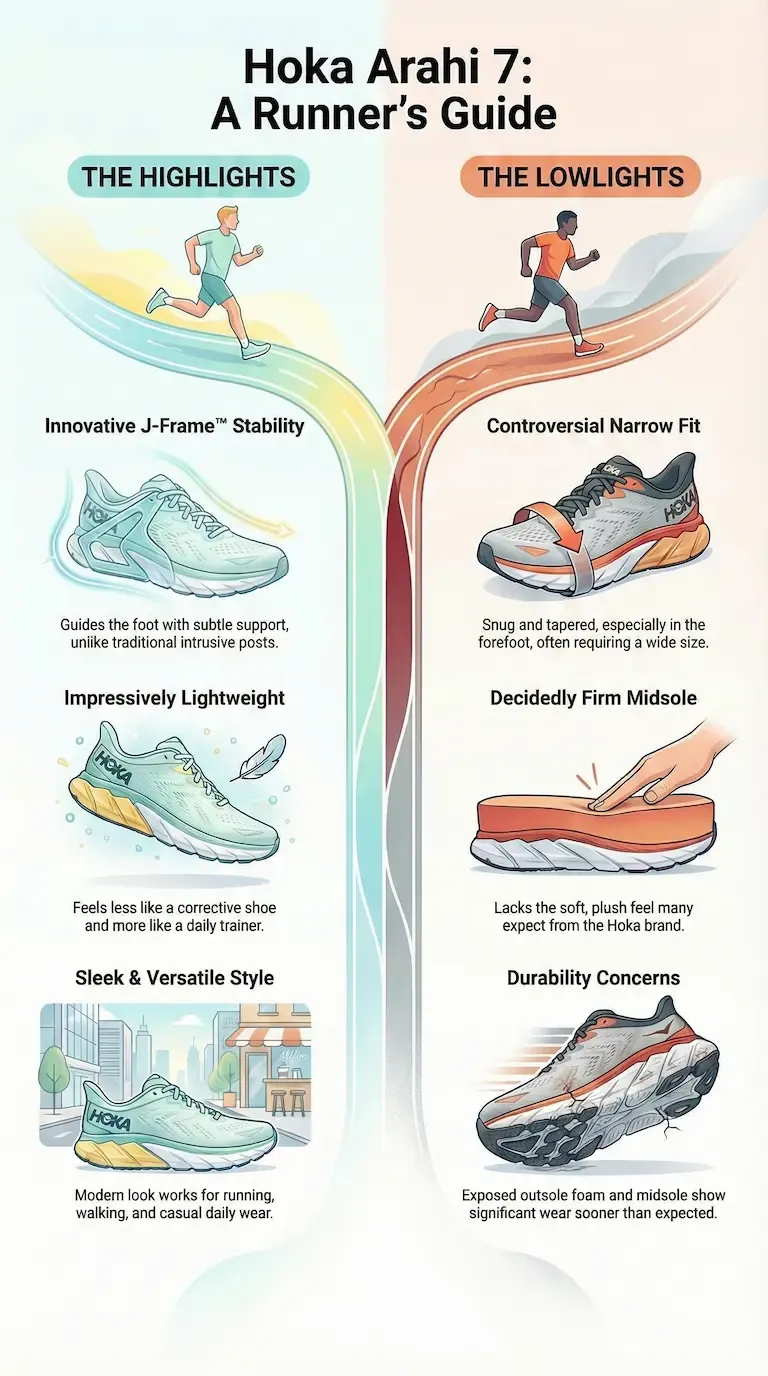
Visual Snapshot Summary
What Makes Hoka Arahi 7 Stand Out?
Stability shoes can feel heavy and overbuilt, and the Arahi 7 tries to avoid that. The main claim to fame is the J-Frame™. Instead of a rigid medial post, it uses a J-shaped hook of firmer foam that wraps around the heel and up the medial side, guiding the foot without feeling overly aggressive. It’s more of a nudge than a shove.
Hoka paired this with their classic Early Stage Meta-Rocker geometry, which is just a fancy way of saying the shoe is shaped to roll you forward smoothly with each step. To top it off, they've introduced a new zonally engineered flat knit upper. This is designed to lock down your midfoot, giving you that secure feeling without being restrictive. As one runner put it, they are simply "Plenty stable without a post." It's this combination of non-intrusive support, a smooth ride, and a secure fit that really sets the Arahi 7 apart from the pack.
Real Customer Experiences
Feedback from runners and walkers is a mixed bag, and it reads like a shoe you either love or find frustrating.
- Stability Praise: Many users, especially those with mild overpronation, rave about the J-Frame's effectiveness. They appreciate the support that guides their foot naturally without the intrusive feeling of a traditional medial post.
- Fit Frustrations: A significant number of reviews point to a narrow and snug fit. This is a recurring theme, with even users who don't typically wear wide sizes finding the toe box and overall volume to be constricting.
- Firmness Debate: The cushioning is a point of contention. While some appreciate the firmer, more responsive platform, many loyal Arahi users feel this version has lost the signature Hoka softness, describing the ride as dull or even jarring compared to previous models.
Here are a couple of quotes that capture this sentiment perfectly:
"These are great shoes. Already put 4 miles on them and they feel wonderful."
"The shoes are really comfortable but they are way too narrow... I ordered a half size up AND ordered wide but they're still not wide enough for my feet."
Design and Build Quality
Here’s how the shoe is put together, with a few practical trade-offs baked in.
The upper uses a zonally engineered, flat knit material. It's a pretty slick design choice that aims to really hug and secure your midfoot. It feels structured and supportive where you need it, particularly around the arch and instep. They've also included a plusher, gusseted tongue to prevent it from sliding around, though some users have reported it feels a bit short or causes pressure points. It's a nice idea, but the execution might not be perfect for every foot shape.
Moving down to the midsole, this is where the magic—and the controversy—happens. It's a slab of Compression Molded EVA (CMEVA) foam, which is standard stuff for many running shoes. The key technologies here are the J-Frame™ for stability and the Early Stage Meta-Rocker for that smooth heel-to-toe transition. The foam itself, however, leans decidedly firm. This provides a stable platform, but it's not the plush, cloud-like experience you might associate with the Hoka brand.
Flipping it over, the outsole features Durabrasion rubber. Hoka has placed this rubber in high-wear zones to keep the weight down. It's a strategic move, but it leaves a fair amount of the midsole foam exposed, especially on the medial side. This is a common cost-saving and weight-saving technique, but it does raise some red flags about long-term durability.
At a weight of 282 grams, it's impressively light for a shoe that offers this level of stability. This low weight is one of its most praised features, making it feel less like a corrective shoe and more like a daily trainer.
Comfort and Fit
This is where things get personal: how the Arahi 7 actually feels on foot.
On sizing_advice, most people find the Arahi 7 true to size in length. The fit itself is snug, though. The width_profile leans narrow, with low overall volume and a noticeably tapered forefoot. If you have even slightly wide feet—or you just want more toe room—the wide (2E) version is worth serious consideration. Some runners even go up half a size in addition to choosing wide.
As one wearer lamented, "The toe box is indeed smaller. I feel like the whole shoe is squeezing my foot a bit, and I don't really have wide feet." This quote really sums up the experience for many.
Does it require a break_in period? Yes, to some extent. The initial snugness can relax a bit after a few runs as the upper material stretches slightly and you dial in the lacing. However, the fundamental low-volume, narrow shape is something that won't change. You can't break in a shoe to be wider than it is. So, if it feels painfully tight out of the box, it's probably not the right shoe for you.
Love the comfort features?
See current availability and pricing
Style and Versatility
The Arahi 7 doesn’t scream "stability shoe," which is a win. The flat-knit upper and cleaner lines make it look less bulky and closer to a modern neutral trainer. That sleek silhouette also makes it versatile beyond running. It works for daily walks, long hours standing at work, and gym sessions where you want a stable base. And it pairs just as easily with jeans or chinos as it does with running shorts.
Quality and Durability
Now for the big question: will it last? Durability is a sore spot for the Arahi 7, and it’s where the value proposition starts to feel shaky. There's a big zero in the praise percentage for durability from the data we have, which speaks volumes.
The most common complaints center on the outsole. The Durabrasion rubber placement helps keep weight down, but the large areas of exposed EVA foam are a weak point. Runners report significant wear on that exposed foam—especially on the medial side—faster than expected, which is a real concern for higher mileage.
The other issue is the midsole cushioning. Users have noted that the CMEVA foam starts to feel flat and shows significant compression after about six months of regular use. As one user put it, the "Arahi 7 does not have the cushion that I'm used to in the Hoka Arahi 5 & 6." This loss of cushioning not only affects comfort but also compromises the shoe's performance over time. It's a shame, because a shoe at this price point should hold up a bit better.
Decision Matrix
| Scenario ↓ / Criterion → | Comfort | Breathability | Rain/Grip | Style |
|---|---|---|---|---|
| Daily Urban | ✓ | ✓ | ○ | ✓ |
| Office Casual | ✓ | ✓ | ✓ | ✓ |
| Light Sport / Gym | ✓ | ✓ | ✕ | ✓ |
Legend: ✓ = Good ○ = Average ✕ = Poor
Who Should Buy
Perfect For
- Mild-to-moderate overpronators who dislike the feeling of a traditional medial post.
- Neutral runners who are looking for a little extra support on their long run days.
- Runners who prefer a firmer, more connected-to-the-ground feel rather than a soft, mushy cushion.
- People who work on their feet all day and need a supportive, stable shoe for walking and standing.
Consider Alternatives If
- Individuals with severe overpronation who need more robust correction.
- Anyone with wide feet, bunions, or a high-volume foot. Even the wide size might not be enough.
- Runners who crave a soft, plush, and bouncy ride. This is not the Hoka Clifton.
- Athletes looking for a dedicated shoe for technical trails; this is a road shoe through and through.
Final Verdict
The Hoka Arahi 7 is a shoe with a very specific mission. It delivers a lightweight, firm, and uniquely stable ride that will be a godsend for mild overpronators who can't stand traditional posts. Its sleek design makes it a versatile option for both running and daily wear. However, its identity crisis is real. The stubbornly narrow fit and durability concerns with the outsole and midsole are significant drawbacks that can't be ignored. It's a departure from the soft cushioning many expect from Hoka. If the shoe fits—and that's a big "if"—and you value its specific brand of stability, you'll love it. Otherwise, you might find better options elsewhere. Check current Amazon price.
Browse our full Hoka collection to find your perfect pair.
As an Amazon Associate we earn from qualifying purchases. This helps support our site so we can keep bringing you the best content!
Frequently Asked Questions
How does the J-Frame™ provide stability in the Hoka Arahi 7?
Is the Hoka Arahi 7 a soft and cushioned running shoe?
Is the Hoka Arahi 7 good for flat feet or overpronation?
Related Reviews
Hoka Bondi 9 Review
The HOKA Bondi 9 delivers exceptional cushioning with revolutionary foam technology, earning 4.8/5 stars for outstanding comfort & pain relief. Perfect for all-day wear.
Hoka Challenger 7 Review
An in-depth review of the Hoka Challenger 7. Explore its road-to-trail performance, plush comfort, narrow fit, and questionable durability. Is it right for you?
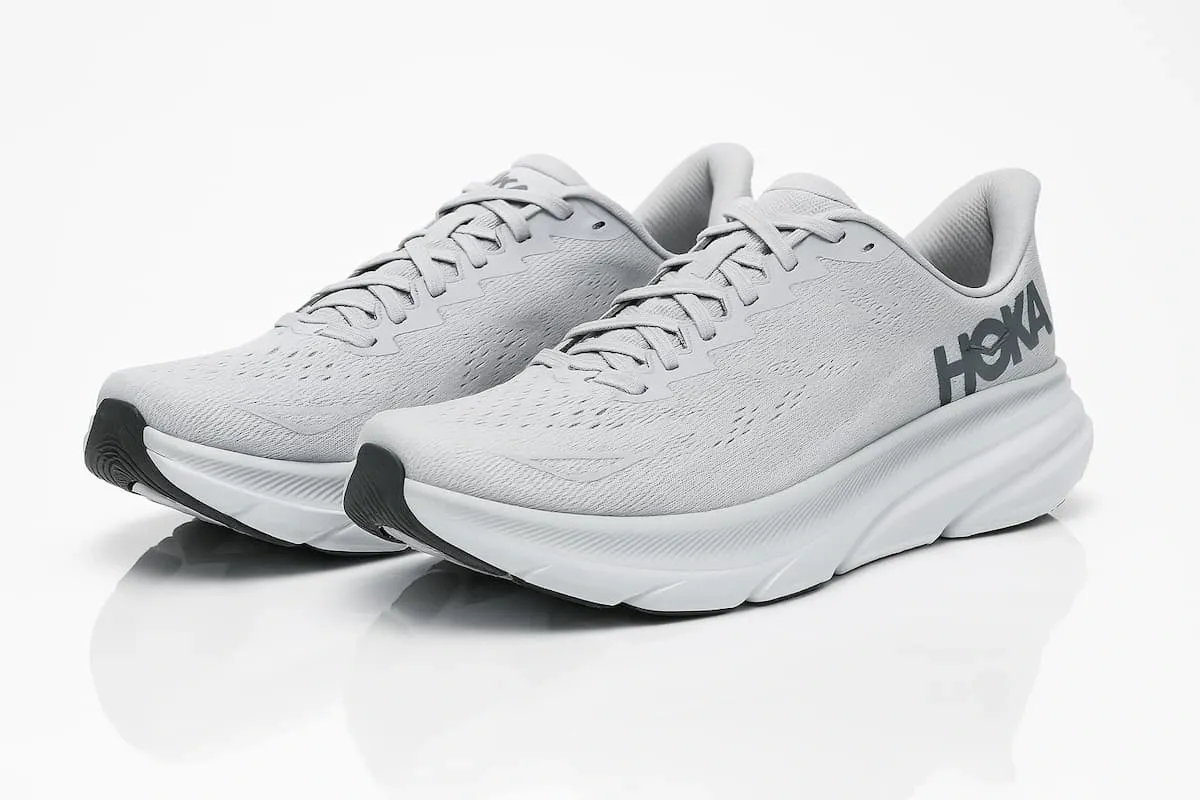
Hoka Clifton 9 Review
Hoka Clifton 9 Review: A detailed analysis of the lightweight, max-cushion daily trainer. Discover pros, cons, fit advice, and why it's a runner favorite.
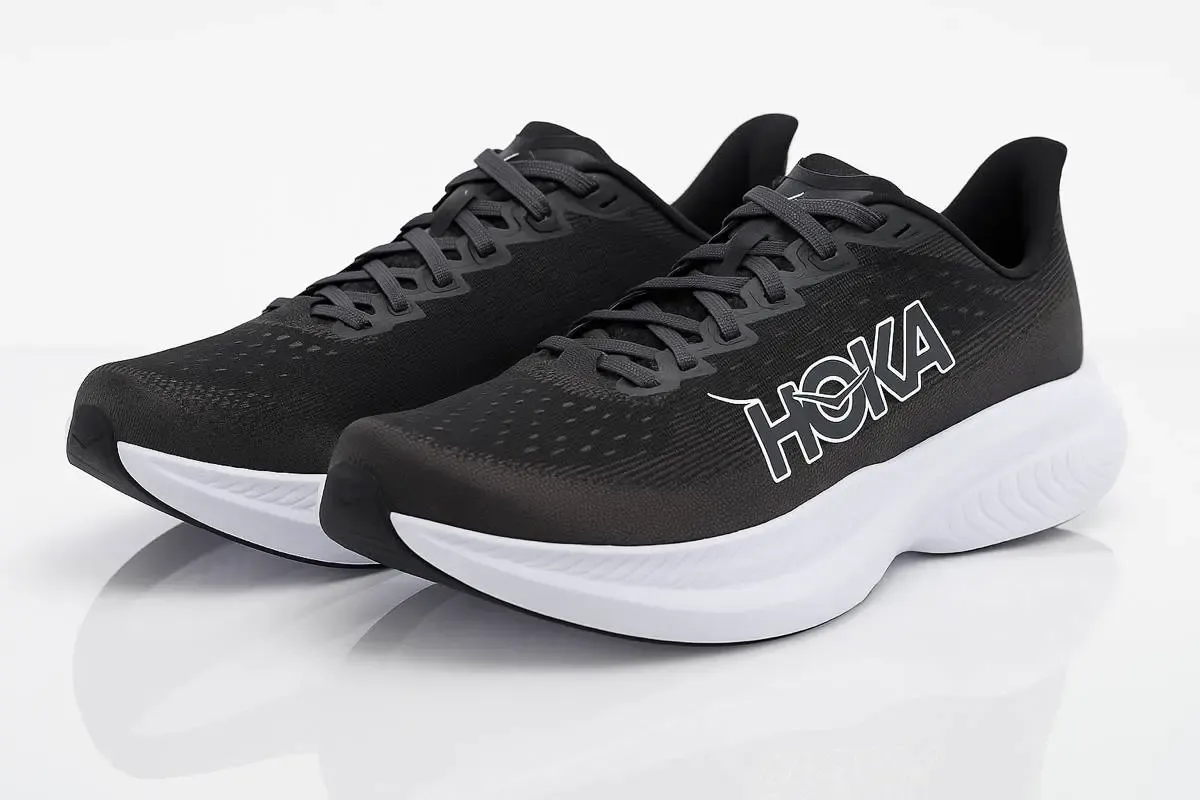
Hoka Mach 6 Review
An expert review of the Hoka Mach 6, a versatile daily trainer. We cover its new supercritical foam, durability, narrow fit, and value.
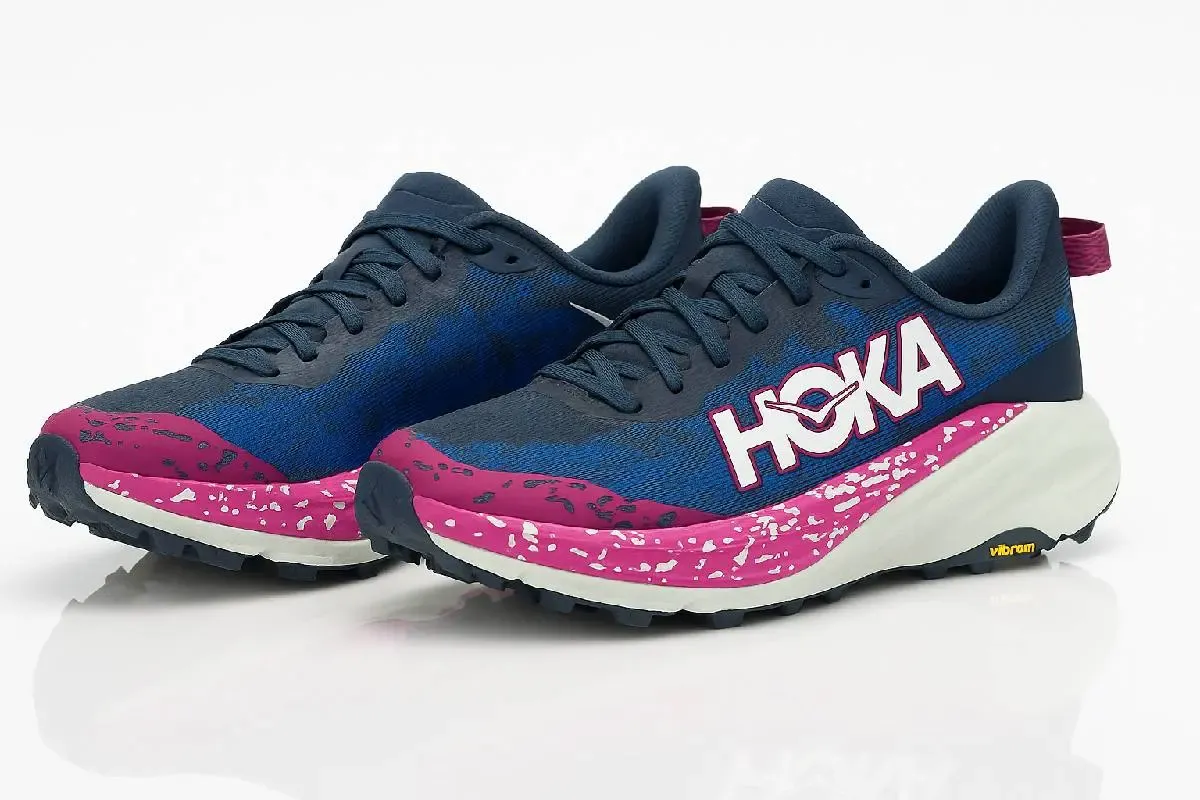
Hoka Speedgoat 6 Review
Get an expert review of the Hoka Speedgoat 6. We analyze its firmer cushion, elite traction, snug fit, and durability for trail and ultra running.
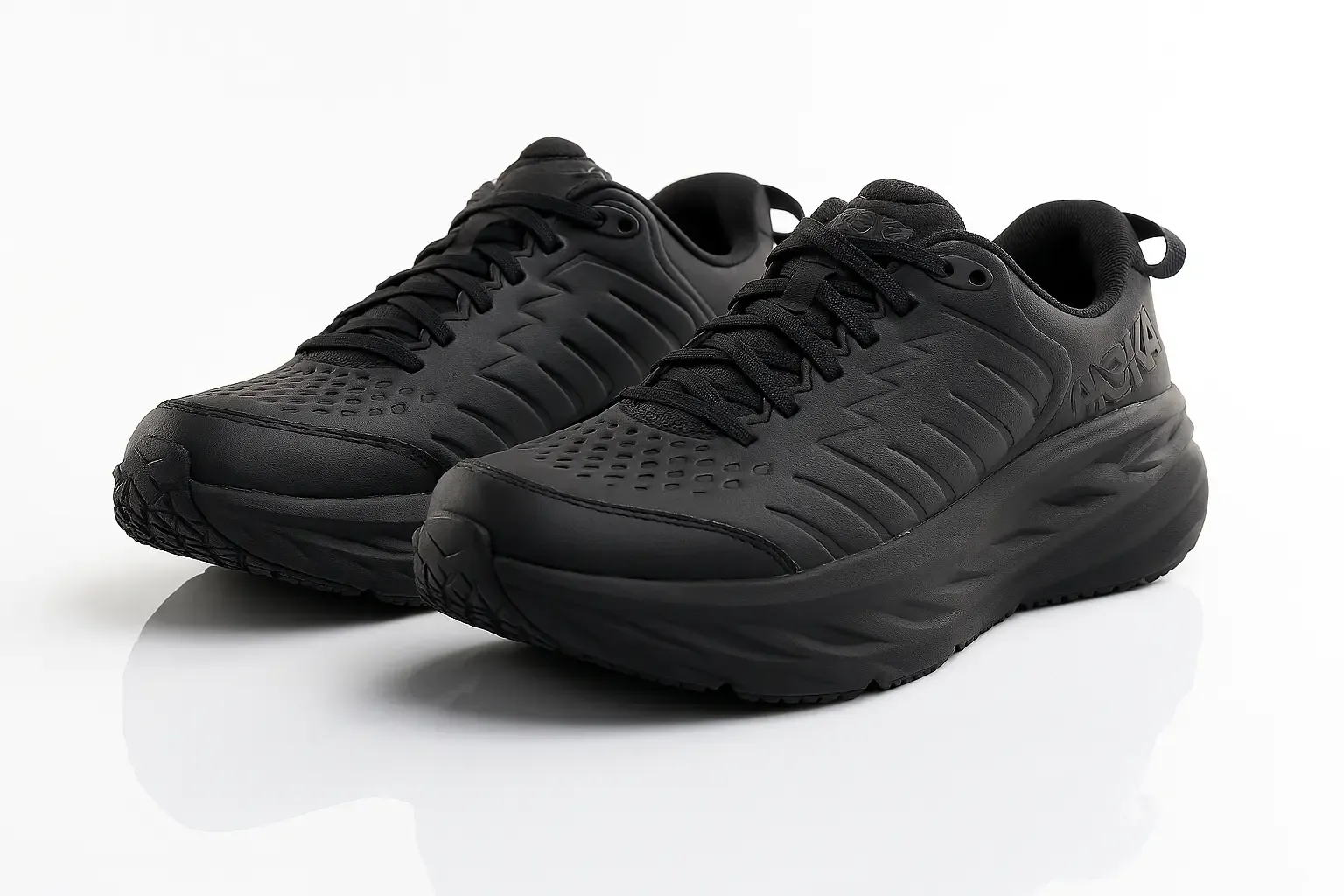
Hoka Bondi SR Review
Discover the Hoka Bondi SR's maximum cushioning, slip-resistant technology, and workplace durability for healthcare workers and restaurant staff in this comprehensive review.