Table of Contents
Introduction
Let’s be honest—long-distance running is a different beast. It’s not just about cardio; it’s a mental game where every mile after the tenth feels twice as long as the ones before it. When you’re staring down a 20-miler or lining up for a marathon, your feet are doing the heavy lifting, quite literally. That’s why your choice of footwear isn't just a "gear preference"—it’s the difference between floating through the finish line and limping home with blisters and bruised toenails.
Nike knows this better than anyone. Ever since they launched the audacious "Breaking2" project, they’ve pretty much rewritten the rules on what a running shoe can do. But here’s the thing: grabbing the most expensive shoe on the shelf isn't always the answer. Finding the best Nike running shoes for long distance really comes down to your specific run. Are you chasing a sub-3 marathon, or do you just want to keep your joints happy during endless Sunday long runs?
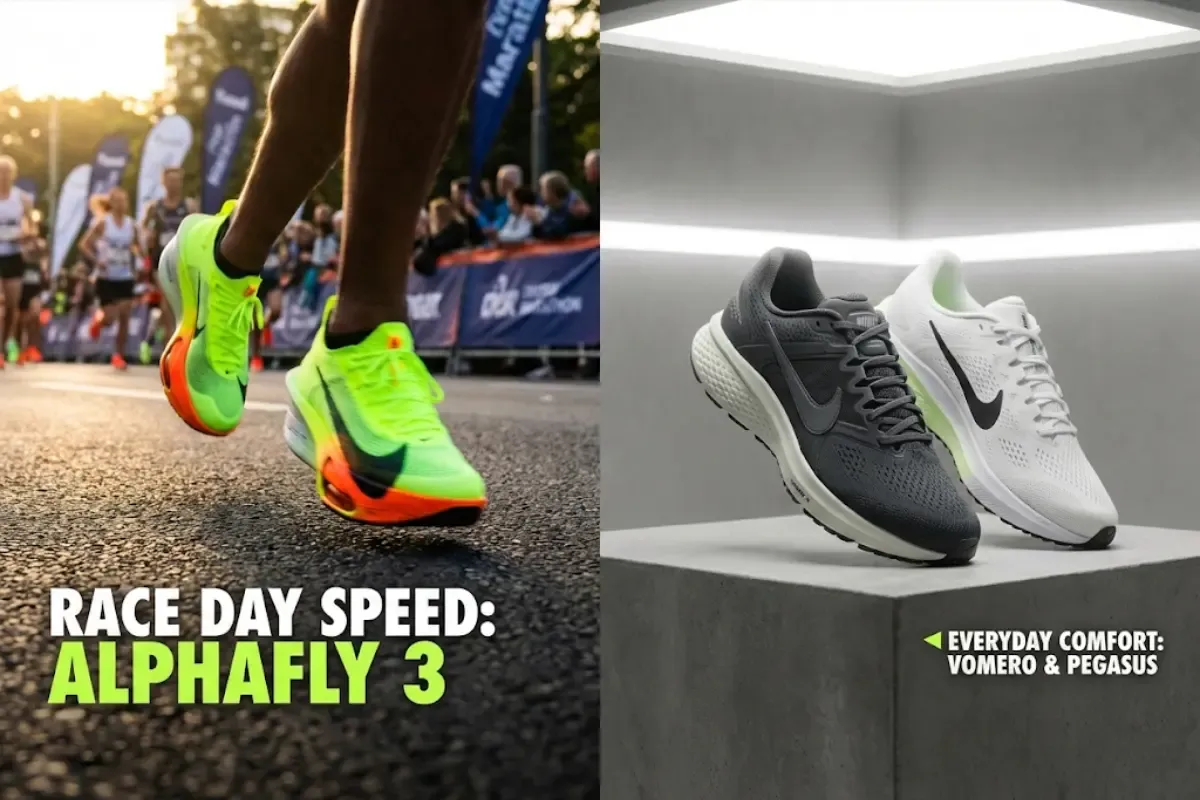
Whether you need the aggressive pop of the Alphafly 3, the racing pedigree of the Vaporfly, or the plush, reliable comfort of the Vomero or Pegasus for daily miles, we’re going to break it all down. Let's find the pair that makes those double-digit miles feel a little less daunting.
Understanding Nike’s Long-Distance Technology
Before we talk about specific models, we need to talk about the engine under the hood. Nike doesn’t just build shoes; they build systems designed to keep your legs fresh when mile 20 hits.
Here is the tech that makes the difference between a "good run" and a "great run."
ZoomX Foam: The Gold Standard
If you take nothing else away from this guide, remember ZoomX. It is Nike’s lightest, softest, and most responsive foam, originally derived from aerospace innovation.
- The Magic: It delivers roughly 85% energy return. Think of it less like a cushion and more like a trampoline. When your foot hits the ground, the foam compresses and immediately snaps back, returning that energy to your stride rather than letting it die on the pavement.
- Why it matters: In a marathon, you take tens of thousands of steps. ZoomX saves you a tiny bit of energy on every single one, which adds up to massive savings by the finish line.
Carbon Fiber Flyplate
Embedded deep inside the midsole of top-tier racers (like the Vaporfly and Alphafly) is a stiff, curved carbon fiber plate.
- How it works: It acts as a lever. As you roll through your stride, the plate stiffens and propels you forward, reducing the workload on your calves and ankles.
- The Feeling: It creates a distinct "tipping" sensation that practically forces you to run faster and more efficiently.
React & ReactX Foam
While ZoomX is the race-day king, React is the workhorse.
- React: Known for incredible durability and a smoother, denser ride. It’s perfect for daily training because it won't bottom out after 400+ miles.
- ReactX: The newer evolution (found in the Pegasus 41 and InfinityRN 4) is 13% more responsive and reduces the carbon footprint by 43%. It bridges the gap between the soft squish of ZoomX and the reliability of standard React.
Air Zoom Units
You’ve likely seen these visible "pods" in the forefoot of the Alphafly or embedded in the Pegasus. These are pressurized air pockets filled with tightly stretched tensile fibers.
- The Benefit: While foam compresses, Air Zoom units snap. They add an explosive "pop" to your toe-off, giving you a mechanical advantage when you're pushing the pace.
AtomKnit vs. Flyknit
Upper material matters when you're out there for 2, 3, or 4 hours.
- Flyknit: A sock-like material that hugs your foot for support and comfort. Great for daily training but can hold onto sweat.
- AtomKnit: Used in elite racers (like the Alphafly), this is Flyknit that has been stretched and steamed. It is impossibly light, barely holds any water, and is breathable enough to see your socks through—crucial for preventing blisters on hot, sweaty long runs.
Top Picks at a Glance
In a rush to get to the starting line? I get it. Not everyone wants to geek out over stack heights and foam densities. If you just want to know which box to grab, here is the cheat sheet.
We’ve categorized the 2025 lineup to match exactly what you're training for—from that elusive BQ (Boston Qualifier) to your Tuesday morning recovery jog.
| Category | Shoe Model | Why It Wins |
|---|---|---|
| Best for Marathon Racing | Nike Alphafly 3 | The ultimate legal cheat code. Features dual Air Zoom units and a carbon plate for maximum energy return. |
| Best for Half-Marathon / Tempo | Nike Vaporfly 4 | Lightweight, aggressive, and incredibly propulsive. Perfect for chasing a PR or crushing fast intervals. |
| Best Max Cushion Daily Trainer | Nike Vomero 18 | A luxury cruiser. Combines ZoomX and ReactX foam for a ride that is soft, stable, and protective over long miles. |
| Best Workhorse / Versatile | Nike Pegasus 41 | The legend continues. Reliable, durable, and handles everything from gym work to long runs with zero fuss. |
| Best for Recovery / Easy Days | Nike Invincible 3 | Like walking on clouds. Full-length ZoomX foam saves your legs when they feel like lead. |
Best Nike Racing Shoes for Long Distance
When you pin a bib to your chest, you want a shoe that feels like it’s doing half the work for you. Nike’s top-tier racers are the closest thing to legal mechanical doping we have, but they offer two very different experiences.
Nike Alphafly 3 (The Marathon King)
If your goal is to survive 26.2 miles with your legs feeling as fresh as possible, this is your weapon of choice. It is widely considered the pinnacle of marathon innovation.
- Focus: Maximum energy return, impact protection, and sustained propulsion over long duration.
- The Tech:
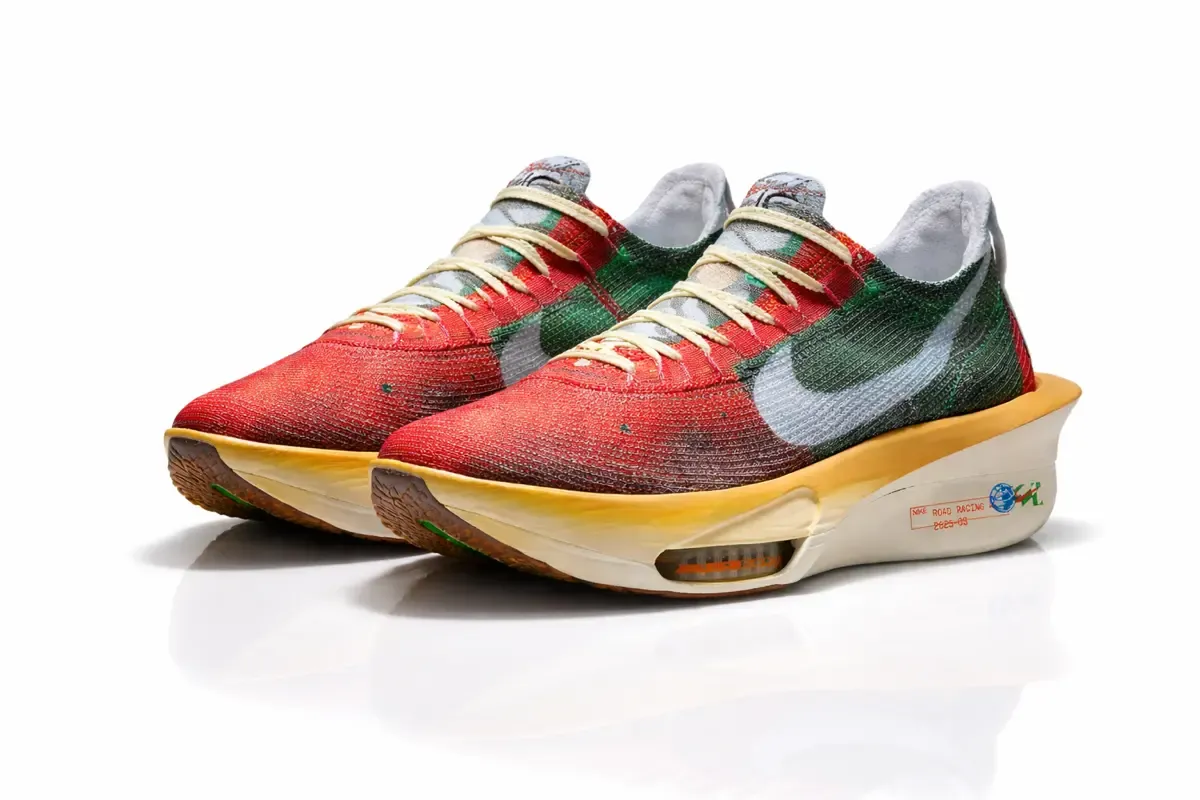
- Dual Air Zoom Units: Two visible air pods in the forefoot compress and snap back, offering a mechanical "pop" that foam alone can’t match.
- Continuous ZoomX: Unlike previous versions, the Alphafly 3 connects the heel and forefoot with a continuous layer of ZoomX foam, creating a smoother, more stable transition.
- Wider Flyplate: The full-length carbon fiber plate is slightly wider to improve stability, particularly for runners who fatigue late in the race.
Nike Alphafly 3 — Expert Review
- Exceptional energy return from dual Air Zoom units and ZoomX foam
- Plush, race-day comfort over long distances
- Refined AtomKnit upper for secure, pressure-free fit
As an Amazon Associate, we earn from qualifying purchases.
- Ideal For: The full marathon distance. It’s perfect for runners chasing a PR who want maximum leg-saving cushion.
- The Reality: It offers incredible bounce and protection, but it comes with a high price tag and a distinct "clop-clop" noise when you run. The fit is also quite specific due to the AtomKnit upper.
Nike Vaporfly 4 (The Versatile Racer)
Updated for 2025, the Vaporfly 4 returns to its roots. It strips away the bulk for a raw, aggressive, and incredibly lightweight feel.
- Focus: Lightweight agility and raw speed.
- The Tech:
- Weight Reduction: It is significantly lighter than the Alphafly (approx. 5.9 oz), making it one of the lightest super shoes on the market.
- Lower Stack & Drop: With a reduced drop to 6mm and a slightly lower stack height than the Alphafly, it offers more ground feel and a snappier, firmer ride.
- Aggressive Geometry: The carbon Flyplate features a higher angle to throw you forward onto your toes.
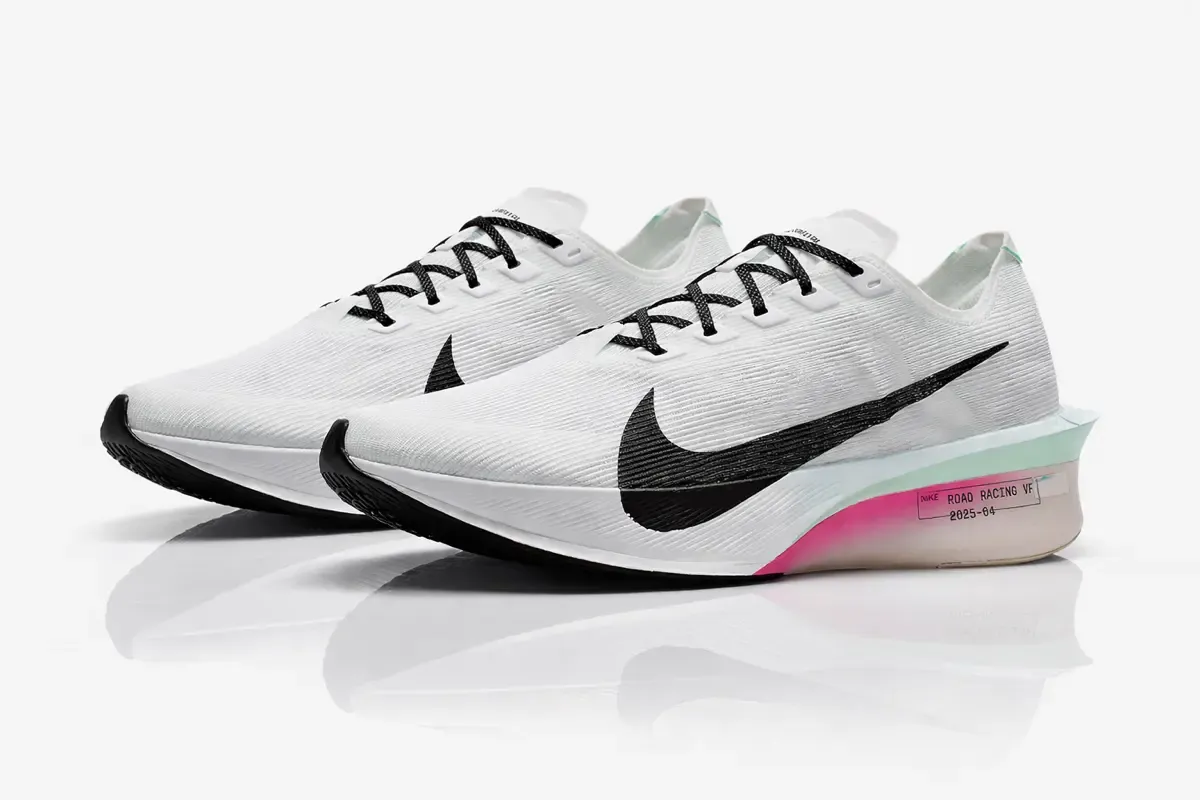
Nike Vaporfly 4 — Expert Review
- Exceptional energy return from ZoomX foam
- Lightweight design optimized for speed
- Full-length carbon fiber plate for propulsion
As an Amazon Associate, we earn from qualifying purchases.
- Ideal For: Everything from a 5K to a Marathon. It shines in the Half Marathon or for runners who find the Alphafly too bulky or unstable.
- Comparison: The Vaporfly 4 feels more "agile" and natural than the Alphafly. While the Alphafly feels like a trampoline, the Vaporfly feels like a scalpel—precise, firm, and fast.
Best Nike Daily Trainers for Long Distance
Racing shoes get all the glory, but training shoes do all the dirty work. For every mile you run in a Vaporfly, you’ll probably run fifty in one of these. You need a shoe that protects your legs, eats up pavement, and asks for more.
Here are the best options for grinding out those weekly miles.
Nike Vomero 18 (Max Comfort)
If you want your long run to feel like a spa day for your feet, the Vomero 18 is the answer. It has officially taken the crown as Nike’s premium max-cushion cruiser.
- The Vibe: It’s a "long distance workhorse" designed for mellow comfort rather than raw speed.
- Under the Hood: It features a massive 46mm stack height in the heel, combining a top layer of soft ZoomX foam for comfort with a bottom layer of durable ReactX foam for stability.
- Why It Works: It protects your legs from the pounding of 20+ mile runs. The ride is described as an "inviting cloud" that is soft without being mushy, making it perfect for those days when you need to log time on your feet without beating up your body.

As an Amazon Associate, we earn from qualifying purchases.
Nike Pegasus 41 (The Reliable Workhorse)
The Pegasus is the Toyota Camry of running shoes—it just keeps going. It is versatile enough to handle almost anything you throw at it.
- The Vibe: A "reliable workhorse" that balances plushness with responsiveness.
- Under the Hood: It pairs the new ReactX foam (which offers more energy return than previous versions) with dual Air Zoom units in the forefoot and heel for a snappy toe-off.
- Why It Works: It sits right in the sweet spot. It’s durable enough for high mileage and responsive enough if you decide to throw in some tempo work at the end of a long run. While some users note the sole can show wear after 250+ miles, it remains a top choice for daily grinding.
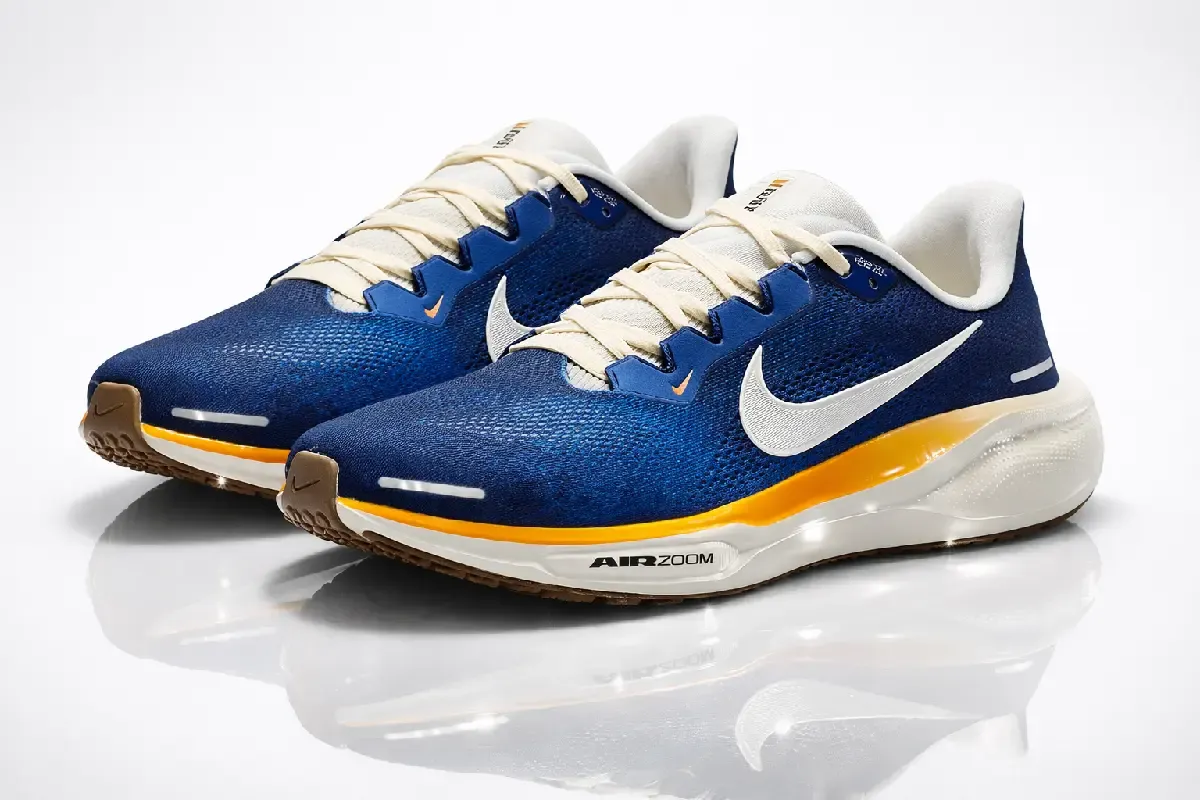
Nike Pegasus 41 — Expert Review
- Plush yet responsive ReactX + Air Zoom cushioning
- Highly breathable engineered mesh upper
- True-to-size, adaptable fit
As an Amazon Associate, we earn from qualifying purchases.
Nike Invincible 3 (Recovery Specialist)
Some days are about pace; other days are just about survival. The Invincible 3 is purely for the latter.
- The Vibe: "Like walking on clouds." It is specifically built for recovery days when your legs feel dead.
- Under the Hood: This shoe is a massive slab of full-length ZoomX foam with absolutely no carbon plate. It relies on a wide base and rocker geometry to keep you moving forward efficiently.
- Why It Works: It minimizes impact like nothing else. Users report that their knees feel "zero impact" on recovery runs, making it the ultimate tool for keeping you healthy during peak marathon training blocks.
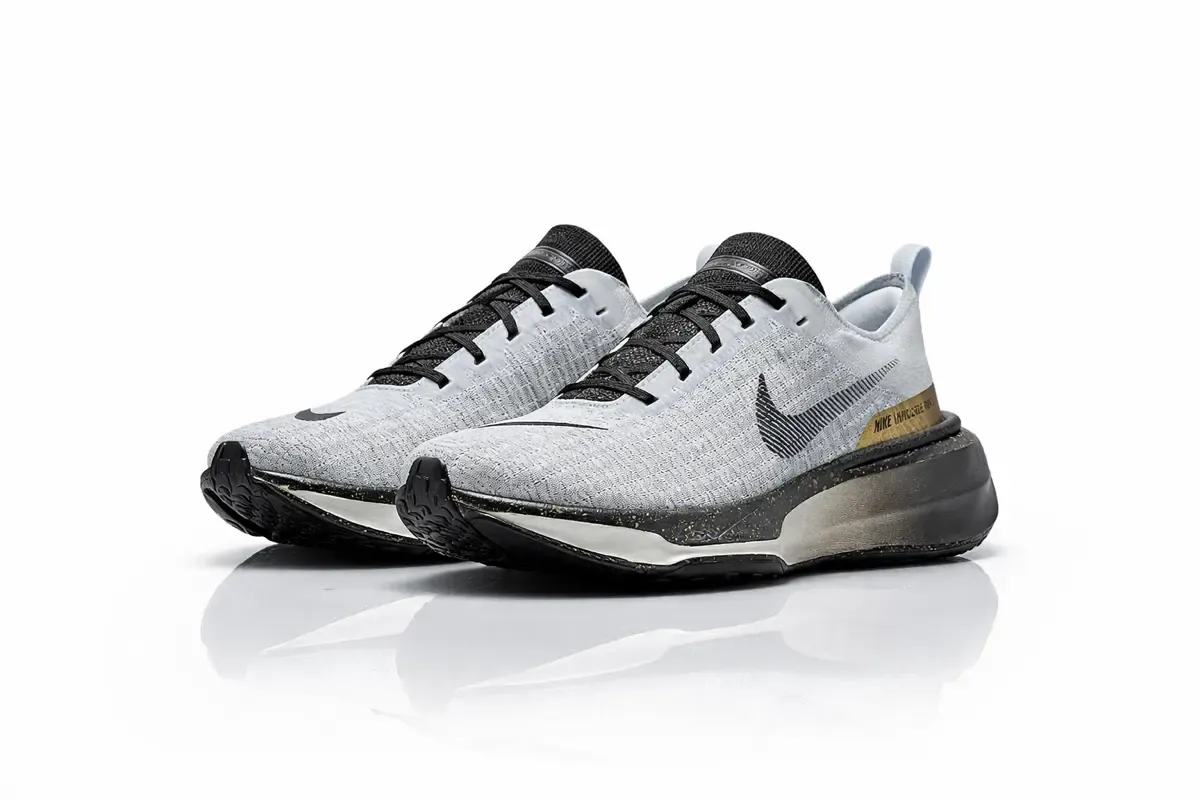
Nike Invincible 3 — Expert Review
- plush ZoomX cushioning
- breathable Flyknit upper
- smooth rocker geometry
As an Amazon Associate, we earn from qualifying purchases.
Best Stability & Trail Options
Not every runner has perfect mechanics, and not every long run happens on fresh asphalt. If your ankles tend to roll inward (overpronation) or your weekend long run takes you into the mountains, you need specialized tools.
Here is how to tackle stability and dirt without sacrificing that Nike feel.
Nike Structure 26 (For Overpronators)
If your form tends to break down after mile 15, the Structure 26 is your safety net. It is designed to provide support without feeling like a stiff, medical boot.
- Focus: Support and stability for overpronators.
- The Tech:
- ReactX Foam: Unlike older stability shoes that felt like bricks, this uses full-length ReactX foam (13% more responsive than standard React) for a ride that is cushioned yet stable.
- Midfoot Support System: A dedicated system wraps around your arch and heel to create a firm platform, slowing down the rate of ankle roll (eversion) when you get tired.
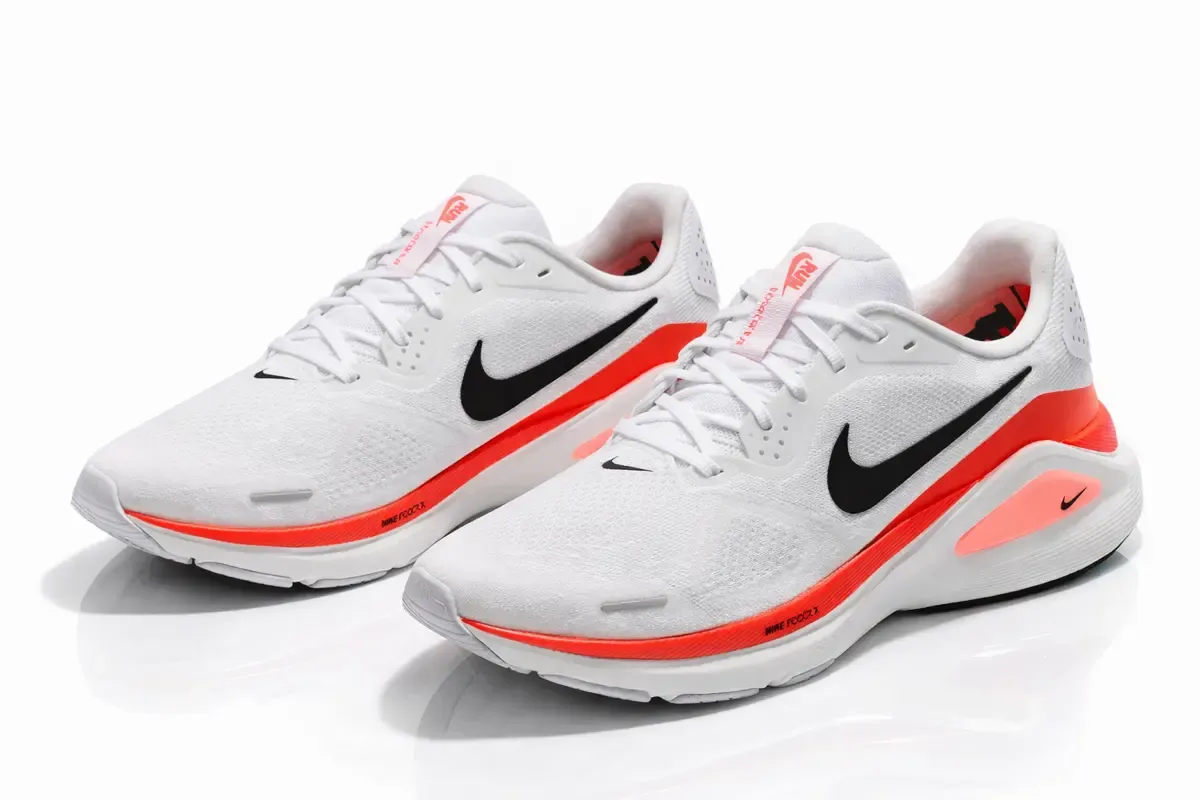
Nike Structure 26 — Expert Review
- Plush full-length ReactX cushioning
- Effective midfoot stability system
- Breathable and padded engineered mesh upper
As an Amazon Associate, we earn from qualifying purchases.
- Relevance: It’s vital for runners who need guidance to keep their joints aligned during high-mileage weeks.
Nike Pegasus Trail 5 vs. Zegama 2 (For Trail Ultras)
When the road ends, you have two distinct paths depending on how rugged the terrain gets.
1. Nike Pegasus Trail 5 (The Hybrid) This is the "door-to-trail" master.
- Best For: Runs that mix pavement with fire roads or moderate trails.
- The Tech: It features the same ReactX foam as the road Pegasus for a soft ride, paired with the Nike Trail All Terrain Compound (ATC) outsole.
- The Reality: It’s fantastic for versatility but lacks the aggressive bite needed for deep mud or technical alpine rock.
2. Nike Zegama 2 (The Technical Beast) If you are signing up for a 50K with serious elevation, this is what you wear.
- Best For: Long-distance trail running on technical, rocky, or muddy terrain.
- The Tech:
- ZoomX Midsole: It brings the super-foam feel of the Vaporfly to the woods, offering massive impact protection for ultra-distances.
- Vibram Megagrip: Unlike the Pegasus, the Zegama 2 uses a genuine Vibram outsole with wide-spaced lugs. This provides "sticky" traction on wet rocks and loose dirt that standard Nike rubber just can't match.
- Geometry: A lower 4mm drop encourages a more natural foot strike on uneven ground.
How to Choose the Right Shoe for Your Long Run
Choosing the right shoe isn't just about reading reviews; it's about matching the tool to the mission. Here is your final checklist before you hit "buy."
1. Define Your Terrain Where are you logging these miles?
- Road: You want maximum shock absorption. Look for high stacks of ZoomX or ReactX (e.g., Vomero 18).
- Trail: You need traction and protection. If it’s technical, grab the Zegama 2 with its Vibram outsole. For light gravel, the Pegasus Trail suffices.
2. Pace vs. Purpose Are you racing or training?
- Racing: You want "super shoes" (ZoomX + Carbon Plate). They improve running economy but wear out fast.
- Training: You want durability (ReactX or Cushlon). Save the expensive carbon-plated shoes for race day and key workouts to preserve their "pop."
3. Know Your Biomechanics
- Neutral: Your foot lands and rolls inward slightly to absorb shock. Most Nike shoes (Pegasus, Vomero, Alphafly) are neutral.
- Overpronation: Your foot rolls inward excessively, stressing the ankle. You need a shoe with a stability system like the Structure 26 to guide your stride. (Not sure? Check out this [Guide to Understanding Pronation] for a simple wet-foot test.)
4. The "Thumb Width" Rule Never buy your street size for a marathon shoe. Over the course of 26.2 miles, your feet will swell significantly. Always leave a full thumb's width of space between your longest toe and the end of the shoe. If in doubt, go up half a size. Black toenails are not a badge of honor; they’re a sign your shoes are too small.
Conclusion: Build Your Rotation
Ultimately, the "best" Nike running shoe isn't a single model found on a spreadsheet—it’s the one that aligns with your specific mission for the day. While the Alphafly 3 might be the undisputed king of the marathon course, wearing it for a slow Tuesday recovery jog is a waste of premium engineering (and money).
The smartest strategy for long-distance success is to build a rotation. Keep a durable workhorse like the Pegasus 41 or the plush Vomero 18 by the door for your daily grinding miles. This allows you to save the explosive, carbon-plated magic of the Vaporfly 4 strictly for race day and key speed workouts.
Not only does this extend the lifespan of your expensive racers, but switching up stack heights and foams also alters the load on your muscles, helping to keep overuse injuries at bay. Now, lace up, trust your training, and go chase that PR.
Sources
understanding your pronation type
science behind carbon plate technology
marathon training plan for beginners