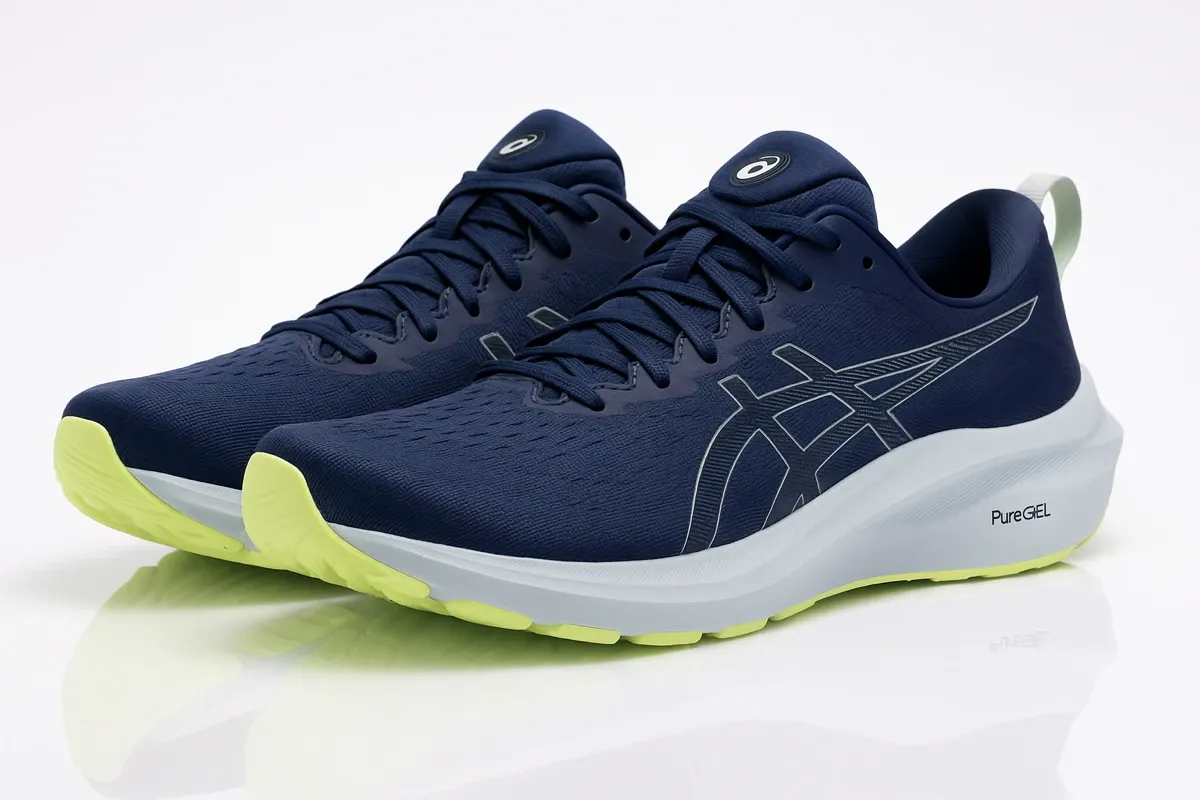
Founder & Lead Editor
Federico D'anna
Federico D'anna has spent 9 years reviewing sneakers with a methodology built on hands-on wear notes, side-by-side comparisons, and verified buyer feedback.
Learn more about Federico D'annaHighlights
Positive
- The Asics GT-2000 13 offers innovative 3D GUIDANCE SYSTEM™ for stability and FF BLAST™ PLUS cushioning, delivering excellent value.
- With exceptional durability and a versatile design, the Asics GT-2000 13 is great for daily training, long runs, and even business casual wear.
Negative
- The Asics GT-2000 13 has a very narrow fit that may not suit many runners and offers limited traction on wet surfaces.
Asics GT-2000 13 Sizing & Fit Guide
The ASICS GT-2000 13 delivers a high-performance daily training experience with a secure, snug fit, balancing mild-to-moderate stability with athletic agility. While it fits true to size (TTS) under static, out-of-the-box conditions, its narrow-lasted geometry and thin jacquard engineered mesh upper create a highly compressive midfoot wrap and an aggressive lateral taper in the toe box. To ensure adequate lateral relief and accommodate natural foot swelling over long distances, runners often require a half-size increase or a dedicated wide width SKU to prevent metatarsal pinching and maintain comfort.
Compare your current pair to find the best size match.
| Reference Shoe | Your Usual US | Buy in US | Your Usual EU | Buy in EU | Fit Notes |
|---|---|---|---|---|---|
| Nike Air Force 1 | 10.0 | 11.0 | 44.0 | 45.0 | The Nike Air Force 1 is a lifestyle shoe that runs notoriously large and roomy due to a wide last and forgiving leather upper. In contrast, the GT-2000 13 uses an athletic, highly structured engineered mesh that demands sizing up a full size. This compensates for the target shoe's snug performance-oriented midfoot wrap and leaves adequate length to handle natural foot swelling during training runs. |
| Brooks Adrenaline GTS 24 | 10.0 | 10.5 (Standard D) or 10.0 (Wide 2E) | 44.0 | 44.5 (Standard D) or 44.0 (Wide 2E) | The Adrenaline GTS 24 offers a more accommodating, plush knit upper and a significantly wider toe box. Because the GT-2000 13 has a narrower, performance-oriented forefoot layout, moving up a half-size in standard width is necessary to prevent lateral rubbing and metatarsal pinching. Alternatively, choosing your true length in the ASICS wide variant (2E) provides the exact lateral relief needed without adding unnecessary length. |
| New Balance Fresh Foam X 860v14 | 10.0 | 10.5 | 44.0 | 44.5 | New Balance's 860v14 fits very true-to-size with a spacious toe box and accommodating sandwich mesh. Since the GT-2000 13 features a narrower, snugger upper profile, a half-size increase is required to match the internal volume and allow comfortable toe splay on longer training efforts. |
| Hoka Arahi 7 | 10.0 | 10.0 | 44.0 | 44.0 | Both models are built around a narrower, performance-driven toe box shape, making a direct 1:1 size transition perfectly appropriate. While the width and length dynamics match closely, the GT-2000 13 provides a significantly superior calcaneal lock, resolving the heel slippage, sliding, and friction blisters commonly reported by Arahi 7 users. |
| Saucony Guide 17 | 10.0 | 10.5 | 44.0 | 44.5 | The Saucony Guide 17 features a highly flexible, sock-like FORMFIT upper and a wider overall base platform. Because ASICS running silhouettes traditionally fit slightly shorter and noticeably narrower through the midfoot and heel, upgrading a half-size ensures you achieve matching internal volume and a non-restrictive fit. |
Does the ASICS GT-2000 13 run true to size?
Under static, out-of-the-box conditions, the length of the GT-2000 13 fits true to size. However, its athletic, narrow-lasted architecture delivers a snug midfoot wrap and a streamlined toe box. For daily road running, ASICS officially recommends purchasing a half-size larger than your standard shoe size to accommodate natural foot swelling over long distances and prevent repetitive toe trauma. If you only intend to use the shoe for static or low-intensity environments like casual wear, walking, or gym workouts, you can comfortably purchase it true to size.
Is the ASICS GT-2000 13 good for wide feet?
The standard 'D' width can feel restrictive and tight across the metatarsal heads for runners with wide foot profiles. This is due to the jacquard engineered mesh upper, which is highly breathable but possesses very little lateral stretch, combined with an aggressive lateral taper in the toe box design. Runners with wide feet or prominent metatarsal heads should strictly avoid the standard width. Instead of sizing up too much in length—which misaligns stability features—wide-footed runners should purchase their true casual length in the official Wide (2E) or Extra-Wide (4E) versions for men, or the Wide (D) version for women.
How is the arch support on the ASICS GT-2000 13?
The arch support is highly modernized, smooth, and integrated. Unlike older stability designs that used hard, rigid plastic dual-density medial posts that could cause arch irritation and blisters, the GT-2000 13 features the 3D Guidance System™. This system relies on passive geometry, including a wider outsole footprint, raised medial/lateral foam sidewalls that cradle the foot, and a forefoot flare. It provides smooth, 'on-demand' support that stabilizes the foot naturally as fatigue sets in, making it exceptionally comfortable for mild-to-moderate overpronators and perfectly safe for neutral runners.
Ready to experience the Asics GT-2000 13 Review?
Get yours today with fast shipping from Amazon
There are flashy “superstar” shoes that chase marathon records, and then there are the pairs that quietly get you to the start line day after day. The Asics GT-2000 13 is firmly in that second camp. It continues the series’ long run as the “old reliable” for runners who want a bit of overpronation guidance without feeling like they’re wearing a medical device. Honestly, it’s nice to see a shoe that knows what it is and doesn’t try to be everything at once.
Quick Take
Overall Rating: 4.4/5
Best For: Mild to Moderate Overpronation, Daily Training, Walking, Prolonged Standing
Key Strengths: Adaptive non-intrusive stability, excellent durability, comfortable cushioning for long miles
Notable Limitations: Traction struggles on ice/slush, toe box can feel snug, lacks "pop" for speed work
Visual Snapshot Summary
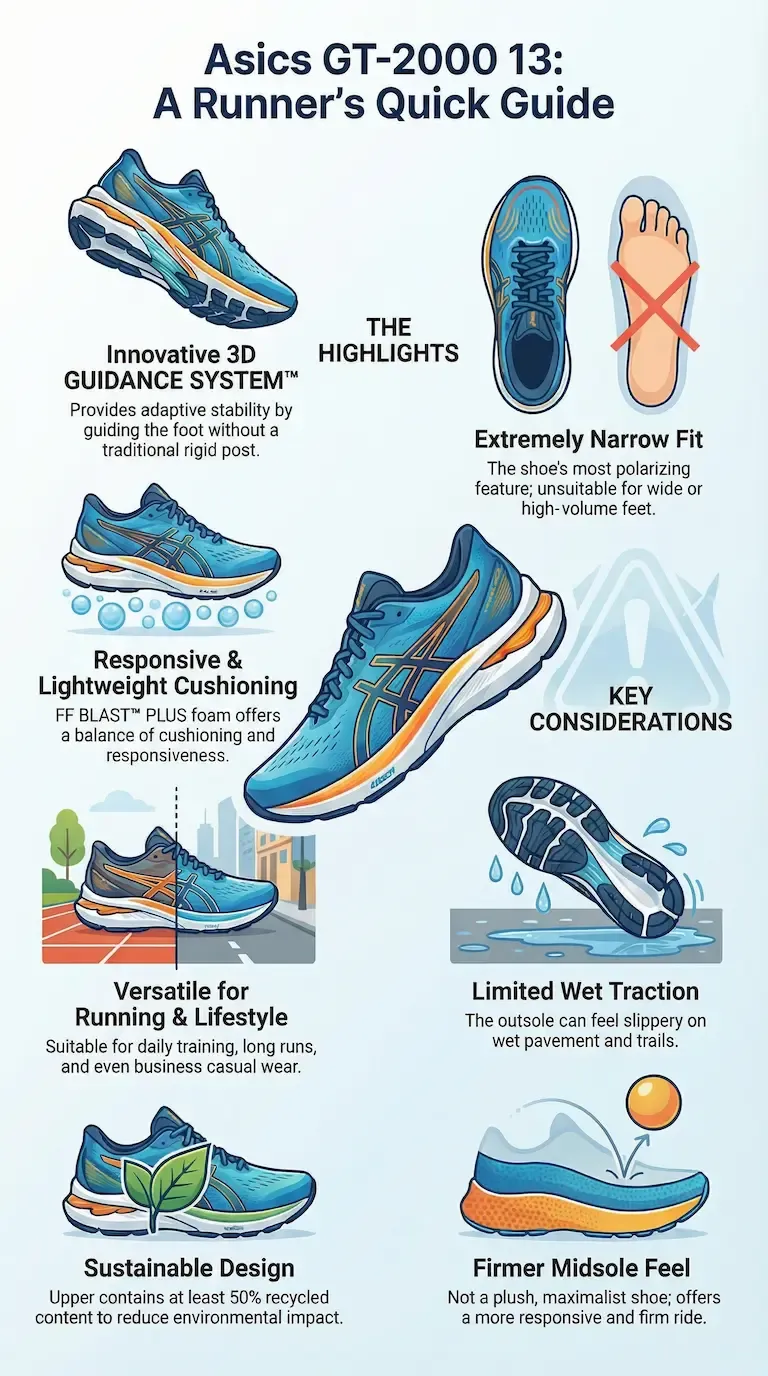
What Makes The Asics GT-2000 13 Stand Out?
Stability shoes used to have a reputation for being stiff, heavy, and kind of boring. A lot of them relied on rigid posts under the arch to force your foot into line. The Asics GT-2000 13 is part of the newer wave of stability that feels more natural.
The key upgrade is the 3D GUIDANCE SYSTEM™. Instead of a brick of hard foam, Asics uses geometry: a wider base, a beveled heel, and a forefoot flare. The goal is to guide your foot instead of shoving it. In practice, you don’t feel a sharp “post” under your arch. You just feel stable, and the shoe fades into the background the way a good stability trainer should.
Then there’s the cushioning. Asics uses FF BLAST PLUS™ foam, which is notably softer than the previous version (durometer drops from 24.5 HA in the v12 to 18.5 HA in the v13). Add the hidden PureGEL™ in the heel and you get a landing that feels forgiving, with a transition that stays controlled. It’s a tricky balance, and Asics pulls it off well.
As one reviewer aptly put it regarding the shoe's reliability:
"It's the Toyota Corolla of running shoes."
It might not be the sexiest description, but in the running world, that means it runs forever and rarely breaks down.
Real Customer Experiences
When you dig into what actual people are saying (not just the marketing copy), a few clear themes pop up. Sentiment is mostly positive, with a handful of repeat complaints.
- The Comfort Factor: The overwhelming majority of users praise the shoe for its step-in comfort. The combination of the OrthoLite sockliner and the softer foam makes it a favorite not just for running, but for nurses, retail workers, and anyone on their feet all day.
- The "Squeak" Issue: A distinct minority of users have reported a squeaking noise developing, particularly on concrete. It seems to be a friction issue between the insole and midsole, which can be annoying if you crave a silent run.
- Stability Without the Stiffness: Users with flat feet or overpronation frequently mention that they feel supported without feeling restricted. The transition from the old "posting" style to the new guidance system has been well-received by long-time fans of the series.
Here is what real runners are saying:
"I ran 128.5 miles in the shoe... the outsole rubber looks like it has barely been touched. I anticipate the outsole will last for a very long time."
"The ride is definitely on the flatter side. It's not going to give you that trampoline-like bounce back that you get from some of the super trainers, but it's smooth."
Design and Build Quality
Asics made a few subtle changes here that matter once you put miles on the shoe.
The Upper The upper is a new engineered mesh that is lightweight and breathable. It's made with at least 50% recycled content, which is a nice nod to sustainability. It does its job well—it holds the foot securely. However, the tongue is quite thin and gusseted. While this keeps it locked down, some runners find it can shift or fold if you aren't careful when lacing up.
The Midsole This is the heart of the shoe. You have full-length FF BLAST PLUS cushioning. It's energetic but controlled. The stack height is 36.5mm in the heel and 28.5mm in the forefoot for men (giving you that classic 8mm drop). Buried in the heel is the PureGEL. You can't see it like the old "gel windows" of the 2000s, but you can feel it dampening the shock when you heel strike.
The Outsole If there is one thing Asics rarely gets wrong, it is the rubber. They use AHARPLUS™ in high-wear areas (like the heel plug) and AHAR™ LOW HARDNESS rubber elsewhere. This stuff is tough and stands up to abrasion extremely well. Traction is still the weak point on slick surfaces, though, so be careful on ice or slush. The rubber is durable, just not the grippiest in winter conditions.
Weight For a stability shoe, it is surprisingly trim. A men's size 9 weighs about 9.5 oz (270g), and a women's size 8 is roughly 8.3 oz (235g). It's not a featherweight racer, but it doesn't feel like an anchor dragging you down, either.
Comfort and Fit
This is usually make-or-break for most people. The fit of the GT-2000 13 is a bit of a mixed bag depending on your foot shape.
Sizing and Width Generally, it fits true to size in length. If you are a standard size 10, buy a size 10. However, the volume is slightly lower than the previous version, specifically in the toe box. It tapers a bit earlier than some might like. If you have a wide forefoot, you might feel a bit of a squeeze. The good news? Asics produces this shoe in widely available width options (Wide 2E, Extra Wide 4E), so if you have even a slightly wider foot, I'd strongly recommend trying the wide version.
Break-in Period Most users find it easy on the foot right out of the box, thanks to the plush OrthoLite X-30/X-55 sockliner. But because the upper runs a bit snug, a few short runs can help the mesh relax and conform to your foot.
Sidewalls and Arch One specific thing to watch out for: the sidewalls on the medial (inner) side are a bit more aggressive in this version to help with stability. For most, this just feels like a hug. But for some with lower-sitting ankle bones or flat arches, it can create a pressure point or hot spot.
As one review noted:
"The toe box tapers slightly earlier than in the GT-2000 12... This taper can make it feel tight for individuals with broader feet."
Style and Versatility
Stability shoes used to be ugly. I’m just saying it. They often looked like orthopedic prescription footwear. The GT-2000 13 leans into a modern, “chunky-retro” look that works better than you’d expect.
Aesthetics The design is sleek enough to pass for a lifestyle sneaker. With colorways ranging from the safe "Black/Black" to vibrant "Illusion Blue" and "Cool Matcha," there is something for the dads who want to grill and the runners who want to be seen at dawn. It's got that "certified dad drip" which, believe it or not, is actually in style right now.
Versatility This is where the shoe really shines for the average consumer. It's an excellent running shoe, yes, but it's also a phenomenal walking shoe. If you are going to Disney World, or if you work 12-hour shifts on concrete floors, this is a top-tier choice. It bridges the gap between a gym shoe and a daily driver perfectly. You can wear it to the office on casual Friday, hit the gym for a treadmill session, and then go grocery shopping without looking out of place.
Quality and Durability
At this price, you want the shoe to last. The GT-2000 13 is built like a tank in disguise.
Durability As mentioned earlier, the outsole is exceptionally durable. Runners are seeing 350 to 500 miles easily out of these, with some pushing even further. The midsole foam will compress over time—that's just physics—but because the FF BLAST PLUS is slightly denser than pure racing foams, it holds its resilience well over the months.
Common Issues It's not all perfect, though. The traction issue on wet or icy surfaces is a legitimate quality concern for those in northern climates. Also, that squeaking noise I mentioned? While it doesn't affect performance, it speaks to a potential quality control quirk in the bonding of the sole components on some batches.
A reviewer pointed out:
"Despite being a stability shoe, at least one user reported significant arch pain... suggesting it might not be universally suitable for all foot types."
This highlights that while the quality of materials is high, the design of the stability features might be too aggressive for a small percentage of users.
Decision Matrix
| Scenario ↓ / Criterion → | Comfort | Breathability | Rain/Grip | Style |
|---|---|---|---|---|
| Daily Urban Wear | ✓ | ✓ | ✓ | ✓ |
| Long Distance Runs | ✓ | ✓ | ✓ | ○ |
| Gym / Treadmill | ✓ | ✓ | N/A | ✓ |
Legend: ✓ = Good ○ = Average ✕ = Poor
Who Should Buy
Perfect For
- The "I Don't Want to Think About It" Runner: You want one pair of shoes that handles your daily 3-5 mile runs, your long Sunday run, and your dog walks. This is it.
- Mild Overpronators: If your ankles roll in slightly when you run and you need guidance, but you hate the feeling of a hard plastic block under your arch.
- Durability Seekers: If you are tired of your shoe's outsole shredding after 200 miles, the AHARPLUS rubber on these will make you very happy.
- Healthcare and Retail Workers: If you stand on hard floors for 8+ hours a day, the combination of PureGEL and stable geometry reduces fatigue significantly.
- Heel Strikers: The PureGEL in the heel is specifically designed to cushion the impact for runners who land heel-first.
Consider Alternatives If
- Winter Runners in Icy Zones: If you frequently run on slush, ice, or slick mud, the traction on the GT-2000 13 might let you down. It's a road shoe, not a snow tire.
- Wide-Footed Runners (Standard Width): If you have a wide foot and stick to the standard 'D' width, your toes will be cramped. You *must* hunt down the 2E or 4E version.
- Speed Demons: If you are looking for a shoe for track intervals or setting a 5K PR, this will feel "flat." It lacks the explosive energy return of a plated "super shoe".
- Severe Overpronators: If you have severe structural collapse in your arch, the adaptive guidance system might not be enough. You likely still need the "big guns" like the Kayano or a motion control shoe.
Final Verdict
The Asics GT-2000 13 is not an exciting shoe, and I mean that in the best possible way. It is a faithful companion. It doesn't demand attention; it just does its job, mile after mile. By shifting away from rigid posts to the 3D Guidance System, Asics has successfully modernized the stability category, making a shoe that feels natural and smooth while still protecting your mechanics.
While it struggles a bit on icy surfaces and fits a little snug in the toes, these are minor gripes in an otherwise stellar package. It is comfortable enough for a 12-hour shift and durable enough for a marathon training block. If you are looking for a stability trainer that offers premium durability without the premium price tag of a top-tier max-cushion shoe, this is the one to beat.
Browse our full Asics collection to find your perfect pair.
As an Amazon Associate we earn from qualifying purchases. This helps support our site so we can keep bringing you the best content!
Frequently Asked Questions
How durable is the Asics GT-2000 13 for daily training?
What kind of stability does the 3D GUIDANCE SYSTEM offer?
Is the GT-2000 13 good for running in wet conditions?
Related Reviews
Asics GEL-Cumulus 27 Review
Your expert guide to the ASICS Gel-Cumulus 27. A comprehensive review of the comfort, fit, durability, and value of this neutral daily trainer.
Asics Novablast 5 Review
Asics Novablast 5 Review: A stable, versatile daily trainer with balanced cushioning. Is this the best do-it-all running shoe for you?
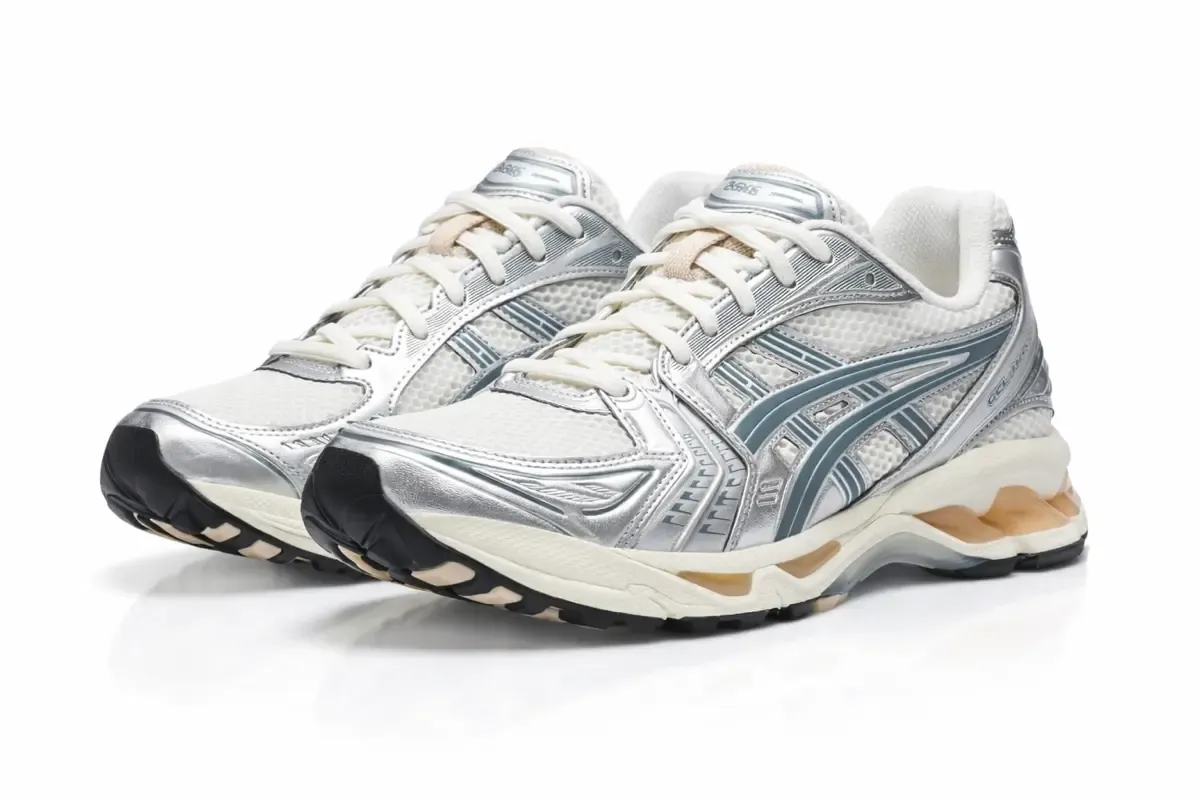
Asics Gel-Kayano 14 Review
Expert review of the ASICS Gel-Kayano 14. Discover why this 2007 stability runner is now a top choice for streetwear style and durable arch support.
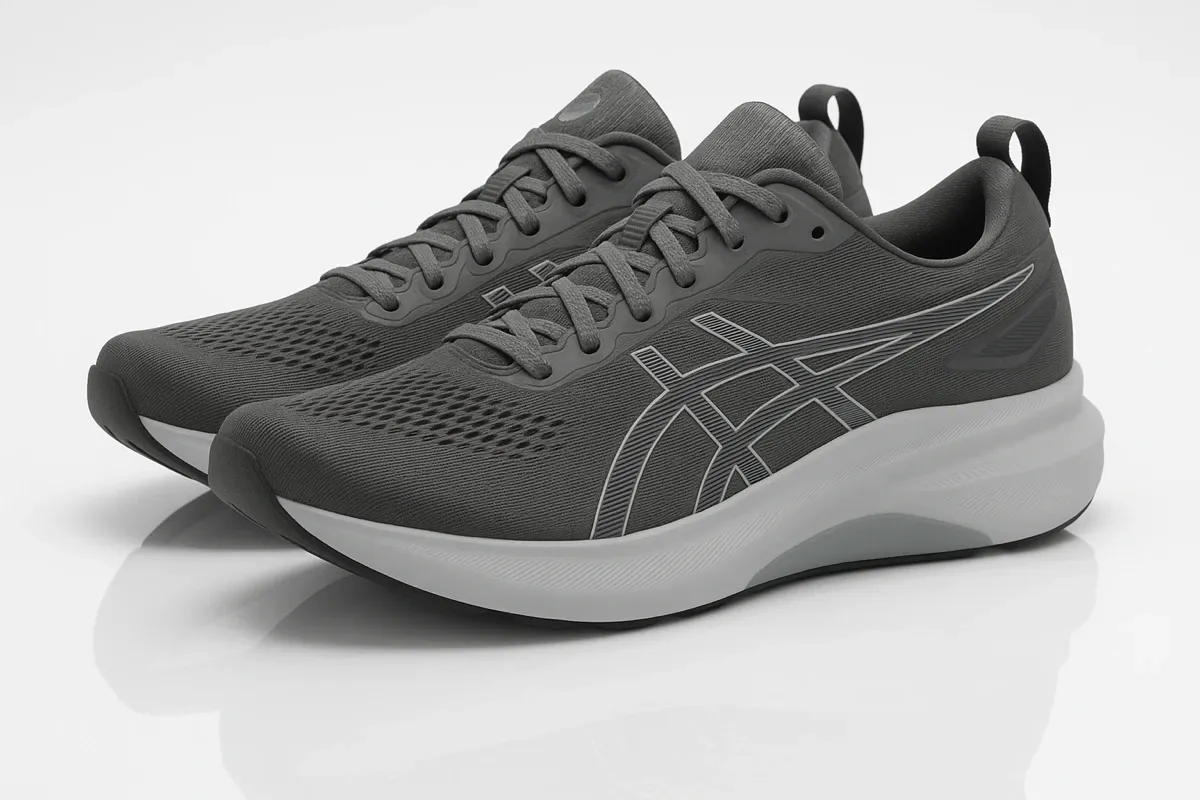
Asics GEL-Kayano 31 Review
ASICS Gel-Kayano 31 review: Deep dive into its max cushioning, advanced stability, comfort, and overall performance for runners.
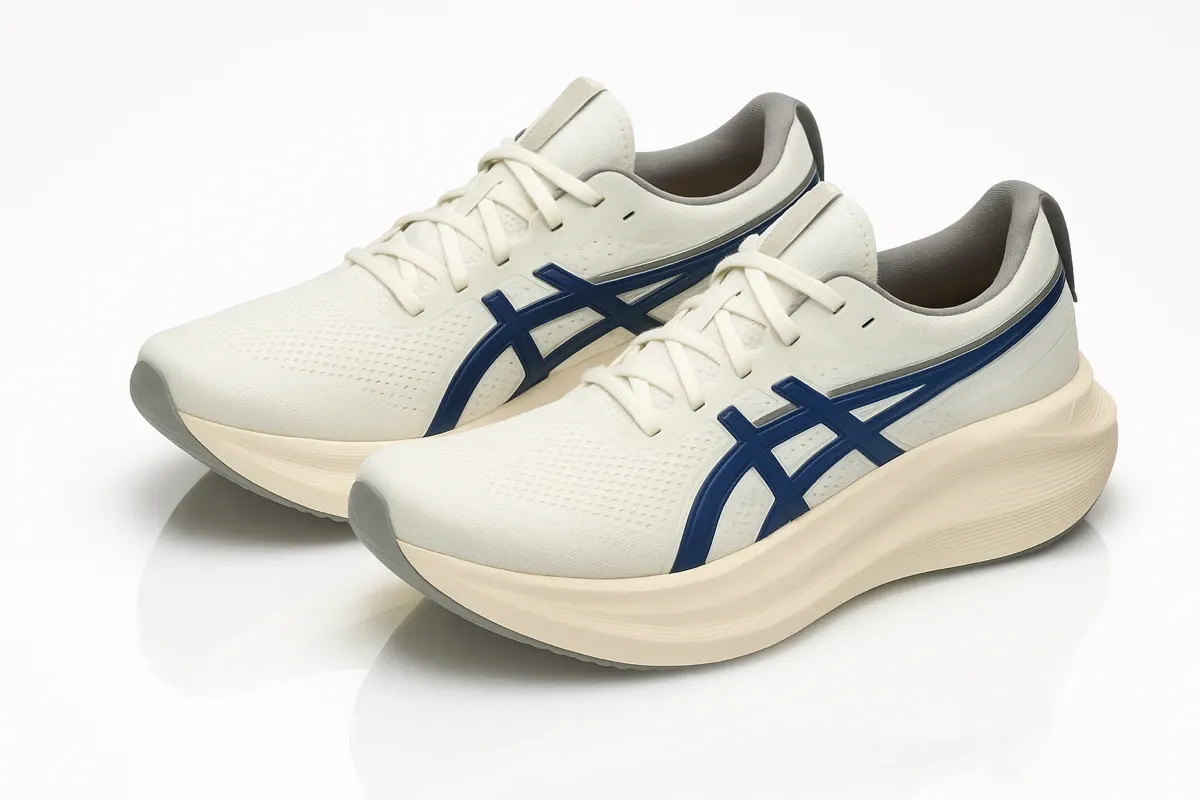
Asics GEL-Nimbus 27 Review
Asics Gel-Nimbus 27 review: Deep dive into its "cloud-like" cushioning. Best for recovery & long runs, but has limits in versatility & fit.
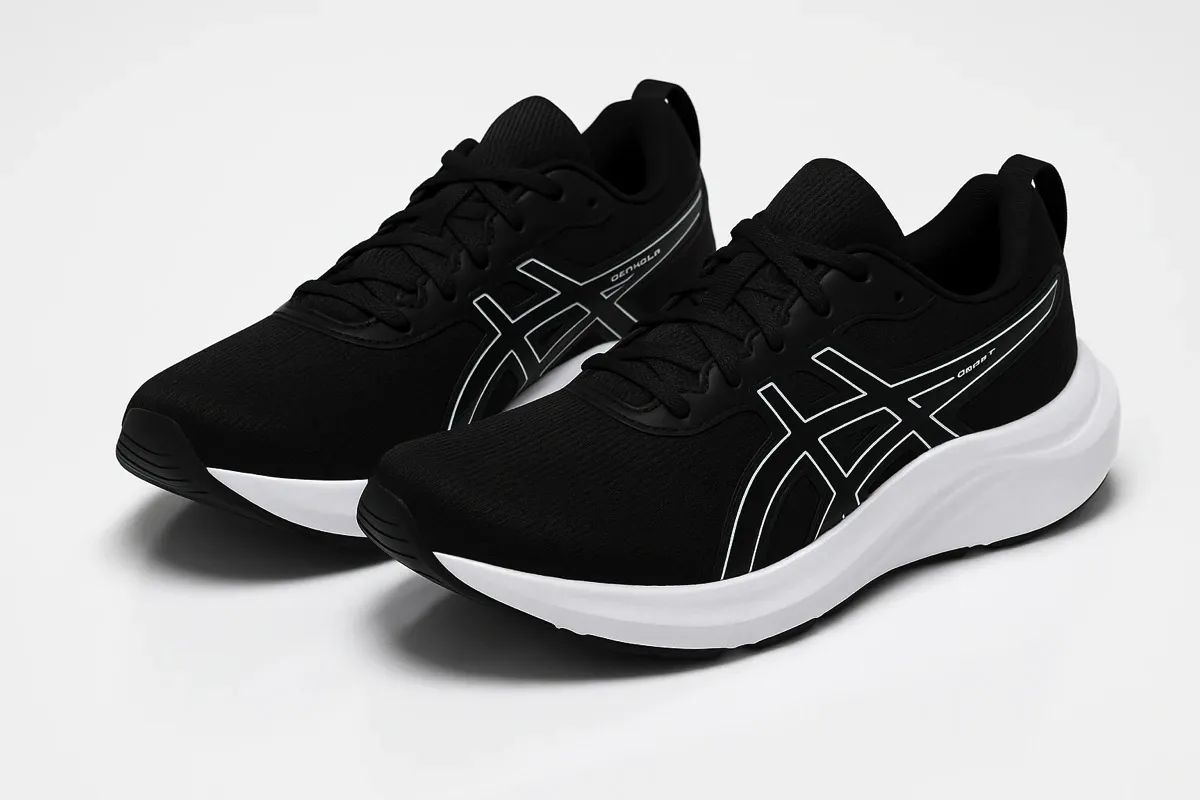
Asics GEL-Contend 9 Review
Read our comprehensive Asics GEL-Contend 9 review. We analyze comfort, durability, and fit to see if this neutral running shoe suits your daily needs.