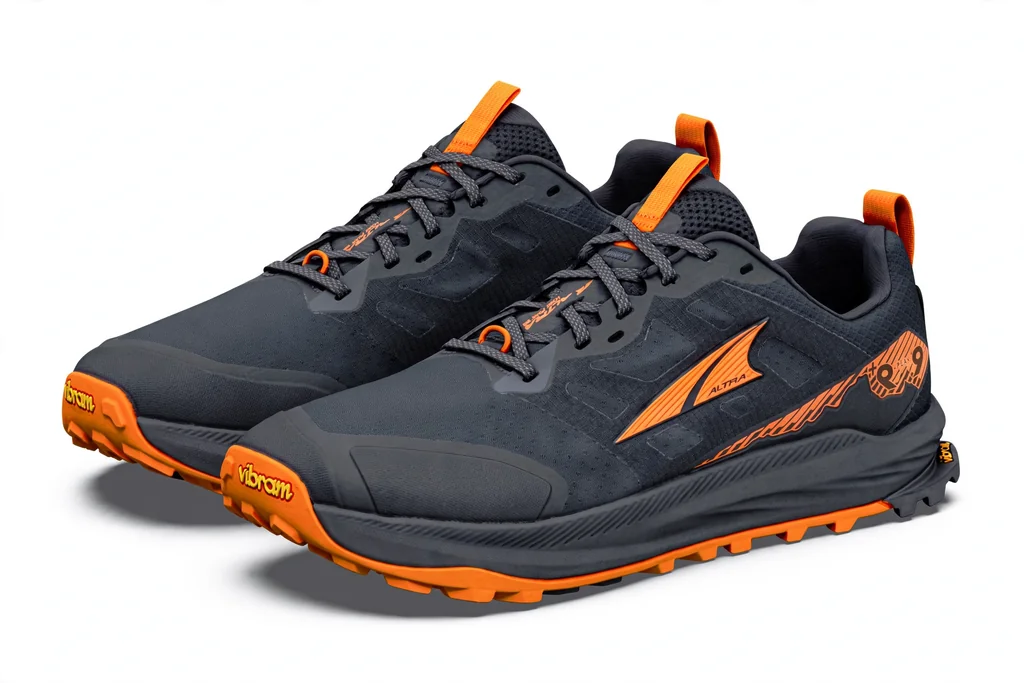
Short answer
The Lone Peak 9+ fixes the one thing that held this shoe back for a decade: grip. Swapping Altra's in-house MaxTrac rubber for Vibram Megagrip turns a comfy, roomy trail shoe into one you can actually trust on wet granite, mud, and packed snow. Everything people love about the Lone Peak is still here, from the huge toe box and…
Who should buy
Wet-Trail Regulars: If your usual loop has slick roots, creek crossings, or spring mud, the Vibram Megagrip sole is the single best reason this shoe exists. It holds where the old MaxTrac rubber skated.
Who should skip
Anyone Who Needs a Wide Width: The + version only comes in regular width. If you've always bought Lone Peak Wides, stick with the standard Lone Peak 9.
Founder & Lead Editor
Federico D'anna
Federico D'anna has spent 9 years reviewing sneakers with a methodology built on hands-on wear notes, side-by-side comparisons, and verified buyer feedback.
Learn more about Federico D'annaHighlights
Positive
- Vibram Megagrip with 3.8mm arrow-shaped lugs gives the Lone Peak real wet-rock and mud traction for the first time in the line's history.
- The Original FootShape toe box and true zero-drop 25mm platform keep feet relaxed and stable over long hiking and trail days.
Negative
- The firmer EGO midsole feels stiff and flat for the first couple dozen miles, and the welded-overlay upper still shows wear earlier than rival trail shoes.
Convinced by the pros? Check today's price.
Altra Lone Peak 9+ Sizing summary
The Altra Lone Peak 9+ is built on Altra's Original FootShape last, the widest and deepest toe box the brand makes. Length is close to true to size, but the men's version runs a touch long for a lot of testers, while the women's fits true.
Fit note: Men's runs slightly long; women's true to size
Full sizing guide →Know your size? Buy it in your width.
User Insights
140 verified reviews
Rating Distribution
Feature Feedback
% positiveExperience Level
140 user reports can't all be wrong.
You know the moment. A slick slab of granite on the downhill, a little film of rain on top, and your old Lone Peaks skating out from under you like they're on ice. For years that was the deal with Altra's most famous trail shoe: incredible comfort, a toe box your feet would write thank-you notes to, and grip you couldn't fully trust in the wet. This Altra Lone Peak 9+ review is about the version that finally fixes that. Altra kept the shape, the zero drop, and the ground-close ride, then bolted on a Vibram Megagrip outsole. That one change makes it a different shoe on a rainy morning, and it's also why we think it's the best Lone Peak yet, with a couple of honest asterisks we'll get to.
Quick Take
Overall Rating: 4.3/5
Best For: Wet and muddy trails, thru-hiking and fastpacking, wide or bunion-prone feet, and zero-drop runners who like feeling the ground.
Key Strengths: Vibram Megagrip traction that holds wet rock, the roomiest toe box Altra makes, and StoneGuard protection without a tall, wobbly stack.
Notable Limitations: Firm and stiff for the first couple dozen miles, no wide width, and an upper that still wears out sooner than tougher rivals.
Visual Snapshot Summary
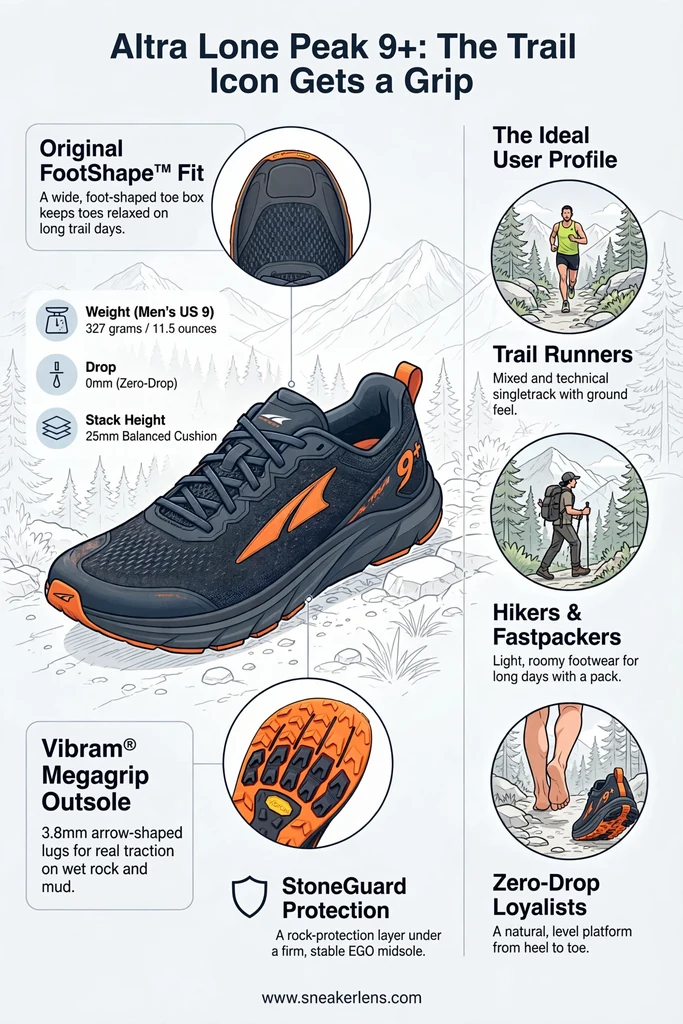
Specs & Sizing
| Weight | 327 g |
|---|---|
| Retail price | $155 |
| Price on Amazon | $115 - $155 |
| Release year | 2025 |
| Upper | Engineered mesh with welded overlays |
| Midsole | Altra EGO foam with StoneGuard |
| Outsole | Vibram Megagrip with 3.8mm lugs |
| Technologies | Zero Drop, Original FootShape Toe Box, Vibram Megagrip, StoneGuard, GaiterTrap |
| Fit & sizing | Men's runs slightly long; women's true to size |
What Makes Altra Lone Peak 9+ Stand Out?
Short version: it's the Lone Peak with real grip. The standard Lone Peak 9 uses Altra's own MaxTrac rubber, which is fine on dry dirt and gets nervous on anything wet. The 9+ uses Vibram Megagrip, the same sticky compound you'll find on a lot of serious mountain shoes, cut into 3.8mm arrow-shaped lugs that point forward under the toes and backward under the heel. Translation: they dig in when you push off and brake when you're coming down. Long-term testers at Treeline Review called the wet, muddy, and snowy traction "far better" than the regular version, and that matches what you hear on every trail forum.
The rest of the recipe is pure Lone Peak. You get the Original FootShape fit, which is Altra's widest and deepest toe box. Your toes lie flat and spread out like they do barefoot, which is exactly why so many hikers with bunions or swollen end-of-day feet swear by this line. The 25mm platform is true zero drop, so your heel and forefoot sit at the same height. And the StoneGuard layer inside the midsole takes the sting out of pointy rocks without lifting you onto a tall, tippy stack.
That combo matters more than any single spec. Most grippy trail shoes squeeze your toes. Most roomy ones slip in the wet. This one finally does both jobs.
"The Vibram sole fixed the one thing I always complained about. Wet roots and slick rock don't scare me in these anymore." — r/trailrunning community consensus
Real Customer Experiences
The mood around the 9+ is mostly happy, with some very specific grumbles. Long-time Lone Peak fans are relieved the grip finally matches the comfort. Newer buyers coming from cushier shoes are more mixed, and almost always for the same reason: the ride.
- Grip gets near-unanimous praise: Wet rock, mud, loose gravel, packed snow. This is the one thing almost nobody complains about, and it's the reason most people pay the extra $15.
- Stiff out of the box: Treeline and plenty of buyers say the 9+ feels noticeably stiffer than the MaxTrac version for the first few runs. It loosens up, but the firm EGO foam never turns plush.
- Lockdown is love-it-or-hate-it: Switchback Travel's testers found the upper hard to lock in, and the wide platform less stable on off-camber trail. Wide feet love it. Narrow feet slide.
- The upper is still the weak link: The rubber holds up better than old Lone Peaks, but tears near the pinky-toe flex point and lifting overlays still show up in long-term reports.
"Grip is incredible and my toes have room to breathe on long hikes. But for the first 20 miles it felt like walking on a plank." — Verified Buyer Review
"Every Lone Peak I've owned used to blow out around 300 miles. The new sole is tougher, but I'm still watching the mesh near my pinky toe." — Long-time Lone Peak wearer, Reddit
Design and Build Quality
Start at the bottom, because that's where the money went. The Vibram Megagrip outsole has a flatter-topped lug pattern under the forefoot and a cutout in the heel, which lets it bite on soft ground without feeling like you're running on cleats. On pavement you'll feel those lugs, though. Short road connectors are fine. A full road run feels clunky and chews the rubber faster.
The midsole is Altra's EGO foam, and it's on the firm side. Lab testing at RunRepeat measured it around 40.8 on the Asker C scale, which is noticeably firmer than the average trail shoe. Think of a firm yoga mat, not a memory-foam pillow. That firmness is part of why it feels stable and close to the ground, but it's also why some people describe it as dead when they want bounce. Inside, the StoneGuard layer spreads out pressure from sharp rocks so you don't feel every pointy thing you land on.
Up top, the engineered mesh is held together with welded overlays instead of stitching. It's light and drains well after a creek crossing, but those overlays are also where reviewers like Mountaineer Journey flagged long-term durability concerns. There's a GaiterTrap tab at the heel and a hook-and-loop point up front, so trail gaiters clip on in seconds. Handy on scree.
On the scale, Altra's own listing puts a men's pair around 327 grams (11.5 oz) per shoe and a women's around 263 grams (9.3 oz). That's not light for a 25mm shoe, and you feel the extra heft on long climbs. For hiking, it's a non-issue.
Comfort and Fit
When you're thinking about Altra Lone Peak 9+ sizing, start with this: the toe box is huge on purpose. Your toes can spread, wiggle, and swell all day without hitting the sides. The midfoot is relaxed too, and the heel is secure once you lace through the top eyelet with a runner's loop. Women's sizing runs true. Men's runs a touch long for a lot of testers, so if you're between sizes, go down rather than up. And remember, there's no wide version of the 9+.
Altra Lone Peak 9+ Fit Profile
| Heel | Midfoot | Toe box |
|---|---|---|
| Moderate, Padded Heel | Relaxed, Roomy Midfoot | Widest Original FootShape Toe Box |
The step-in feel isn't plush. It's flat, firm, and a little stiff, and the first 15 to 25 miles feel more board than glove. Then the forefoot starts to flex and the whole shoe settles in. Arch support is minimal, which is classic Altra. If you rely on a structured arch, slide in your own insole.
Here's the part nobody likes to hear. Zero drop on trails is harder on your calves than on the road, because every climb already stretches your Achilles. If you're coming from a traditional 8mm to 10mm shoe, keep your first few outings short and easy. Your calves will grumble for a couple of weeks, then they'll stop.
"Wide toe box means zero blisters on 20-mile hiking days. I just had to learn the heel-lock lacing to stop sliding on descents." — Thru-Hiker Forum Contributor
Style and Versatility
Let's be honest: this is a trail shoe and it looks like one. Chunky lugs, a rounded toe, a big welded-overlay upper. Nobody's mistaking it for a sleek city sneaker. That said, the earthy colorways look right at home with hiking pants, joggers, and a fleece on a cold Saturday morning, and the rubber means rainy dog walks and muddy park loops are no problem at all.
What it doesn't do: anything dressy. Chinos, tailored trousers, and clean denim all fight that rounded FootShape toe. Keep it for trailheads, weekend errands, camping trips, and the coffee stop on the way back from a hike. That's where it looks like it belongs.
Quality and Durability
Durability is the most debated part of any Lone Peak conversation, and the 9+ improves the story without fully rewriting it. The Vibram outsole is a clear upgrade. Older MaxTrac lugs often went bald somewhere around 400 miles, while Megagrip holds its edges longer and keeps gripping as it wears. If you've ever retired a pair of Lone Peaks just because they turned into skates, this is a win.
The upper is still the question mark. Long-term reports keep pointing at the same spots: the mesh where your pinky toe flexes and the edges of the welded overlays. Some testers hit 75 miles with zero issues, while longtime fans on Reddit say their older pairs used to blow out around 300 miles. Realistically, plan on roughly 300 to 450 miles, depending on how rocky your trails are and how hard you are on shoes.
Lone Peak 9+ Durability Breakdown
| Component | What we found | Lifespan |
|---|---|---|
| Vibram Megagrip Outsole | Tough, grips as it wears | High Lifespan |
| EGO Midsole + StoneGuard | Firm, slow to pack out | Good Lifespan |
| Mesh Upper + Welded Overlays | Weak spot near forefoot flex | Moderate Lifespan |
"Outsole still looks great at 250 miles. The mesh by my little toe, not so much." — Verified Buyer Review
Is the Lone Peak 9+ worth it? If your trails are wet, rocky, or muddy, yes, easily. If they're dry and smooth, the standard Lone Peak 9 does almost everything for less. Want more cushion for long days? Read our Altra Olympus 6 review. Need a zero-drop road shoe for the miles in between? The Altra Torin 8 review has you covered.
Decision Matrix
| Scenario ↓ / Criterion → | Comfort | Breathability | Rain/Grip | Style |
|---|---|---|---|---|
| Daily Urban | ○ | ✓ | ✓ | ○ |
| Office Casual | ○ | ✓ | ✓ | ✕ |
| Light Sport / Gym | ○ | ✓ | ✓ | ○ |
✓ = Good ○ = Average ✕ = Poor
Who Should Buy
Perfect For
- Wet-Trail Regulars: If your usual loop has slick roots, creek crossings, or spring mud, the Vibram Megagrip sole is the single best reason this shoe exists. It holds where the old MaxTrac rubber skated.
- Wide and Bunion-Prone Feet: The Original FootShape toe box is the roomiest fit Altra makes. Toes spread flat, nothing presses the joint at the side of your big toe, and blisters on long hiking days drop off a cliff.
- Thru-Hikers and Fastpackers: A 25mm zero-drop platform, a rock-blocking StoneGuard layer, and a GaiterTrap tab at the heel make it a proven pick for long days with a pack on.
- Ground-Feel Fans: If you'd rather feel the trail than float over it, this shoe keeps you close enough to read every rock without punishing your feet on the sharp ones.
Consider Alternatives If
- Anyone Who Needs a Wide Width: The + version only comes in regular width. If you've always bought Lone Peak Wides, stick with the standard Lone Peak 9.
- Max-Cushion Lovers: The EGO midsole is firm and fairly dead underfoot. If you want soft, bouncy protection for long descents, look at the Altra Olympus 6 or Hoka Speedgoat 6 instead.
- Narrow Feet and Steep Off-Camber Runners: That big toe box lets narrow feet slide on sidehills and fast downhill switchbacks, and it's the most common reason people send these back.
- High-Drop Devotees: Zero drop on a trail shoe loads your calves and Achilles even harder than on the road. If you've never run flat, don't make this your first long-run shoe.
Where to buy
| Store | Details | Link |
|---|---|---|
| Amazon | Free returns on most sizes |
Final Verdict
The Lone Peak 9+ fixes the one thing that held this shoe back for a decade: grip. Swapping Altra's in-house MaxTrac rubber for Vibram Megagrip turns a comfy, roomy trail shoe into one you can actually trust on wet granite, mud, and packed snow. Everything people love about the Lone Peak is still here, from the huge toe box and true zero drop to the honest, close-to-the-ground ride. The trade-offs are real, though. It's stiffer and firmer out of the box, there's no wide option, and the upper still isn't the toughest in its class, so don't expect it to outlast a Cascadia. If your trails are wet or rocky and your toes hate being squeezed, it's the best Lone Peak ever made and worth the extra $15. If you hike mostly dry, groomed paths, the standard Lone Peak 9 gets you 90% of the way for less.
Browse our full Altra collection to find your perfect pair.
As an Amazon Associate we earn from qualifying purchases. This helps support our site so we can keep bringing you the best content!
Frequently Asked Questions
What's the difference between the Altra Lone Peak 9 and Lone Peak 9+?
Is the Altra Lone Peak 9+ good for hiking?
How many miles does the Altra Lone Peak 9+ last?
Can you run on the road in the Lone Peak 9+?
Related Reviews

Altra Experience Flow 3 Review
Honest Altra Experience Flow 3 review covering comfort, fit, durability, and whether it's the right pick for daily road running and walking.

Altra Torin 8 Review
Honest Altra Torin 8 review covering comfort, fit, durability, and whether it's the right zero-drop pick for high-mileage road running and everyday wear.

Altra FWD VIA 2 Review
Honest Altra FWD VIA 2 review covering underfoot comfort, zero-drop fit, missing technical specs, and whether it is the right pick for everyday wear.
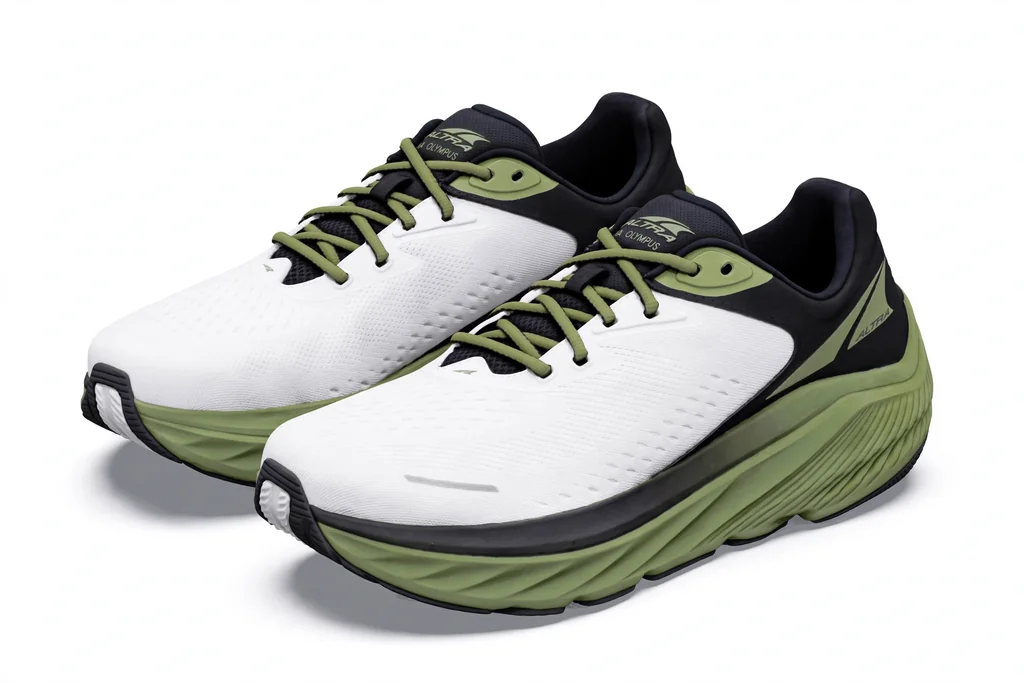
Altra Via Olympus 2 Review
Altra Via Olympus 2 review: soft EGO MAX foam, true zero drop, and a giant toe box. A dreamy long-run shoe, if you can live with the heat and weight.
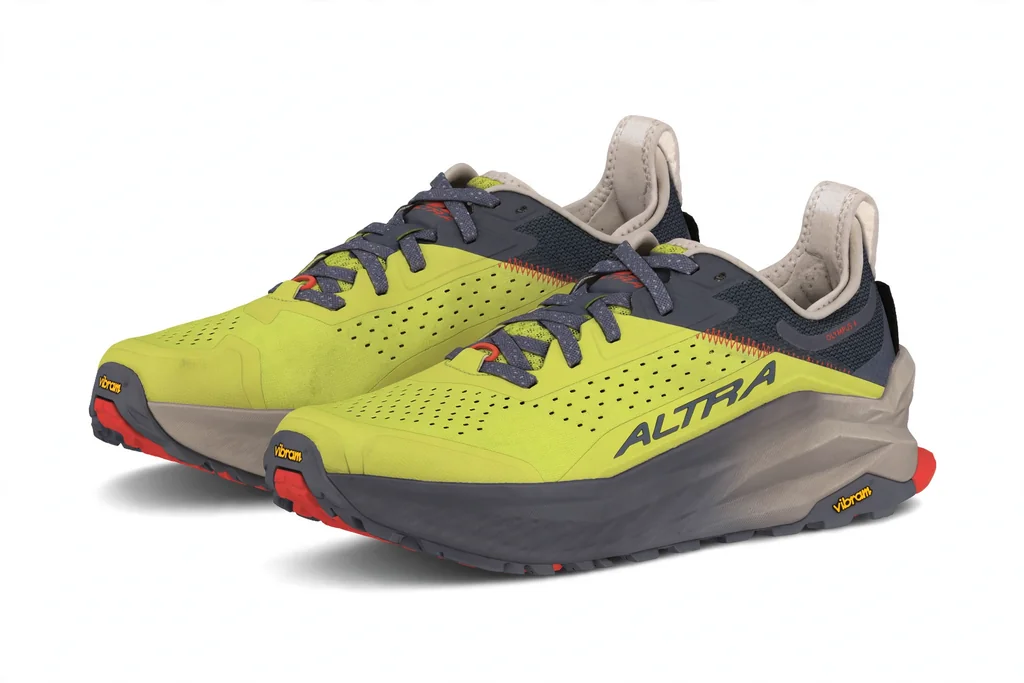
Altra Olympus 6 Review
Altra Olympus 6 review: a 33mm zero-drop trail tank with Vibram grip and a roomy toe box. Brilliant for long hikes, heavy for anything fast.
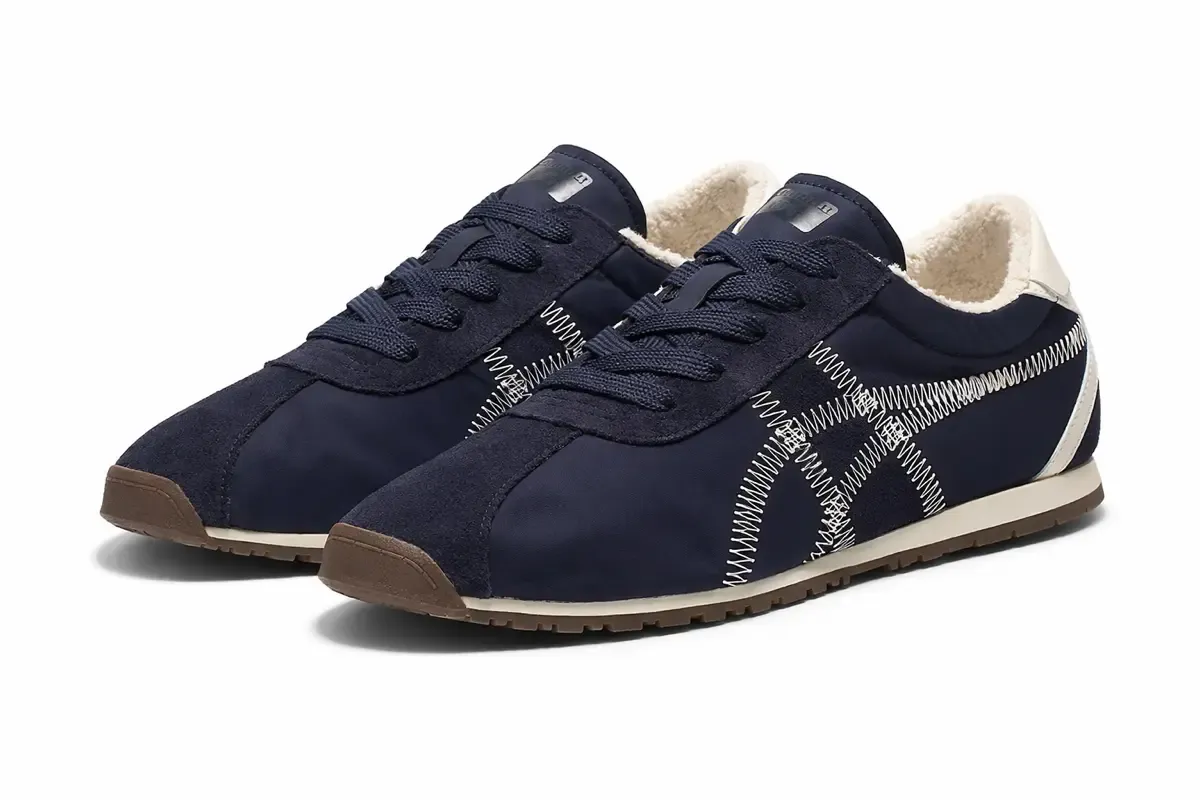
Onitsuka Tiger Corsair A55 Review
Discover the Onitsuka Tiger Corsair A55: a 75th anniversary hybrid sneaker blending retro jogging heritage with modern comfort for urban versatility and light activities.