Founder & Lead Editor
Federico D'anna
Federico D'anna has spent 9 years reviewing sneakers with a methodology built on hands-on wear notes, side-by-side comparisons, and verified buyer feedback.
Learn more about Federico D'annaHighlights
Positive
- The FuelCell foam delivers a genuinely propulsive, 'race-ready' feel that makes daily miles feel faster and easier.
- Its sleek, modern aesthetic rivals popular lifestyle brands like On Cloud, making it versatile enough for gym-to-street wear.
Negative
- Some runners find the midsole too soft, lacking the firm stability needed for longer durations or uneven ground.
New Balance FuelCell Supercomp Trainer v3 Sizing & Fit Guide
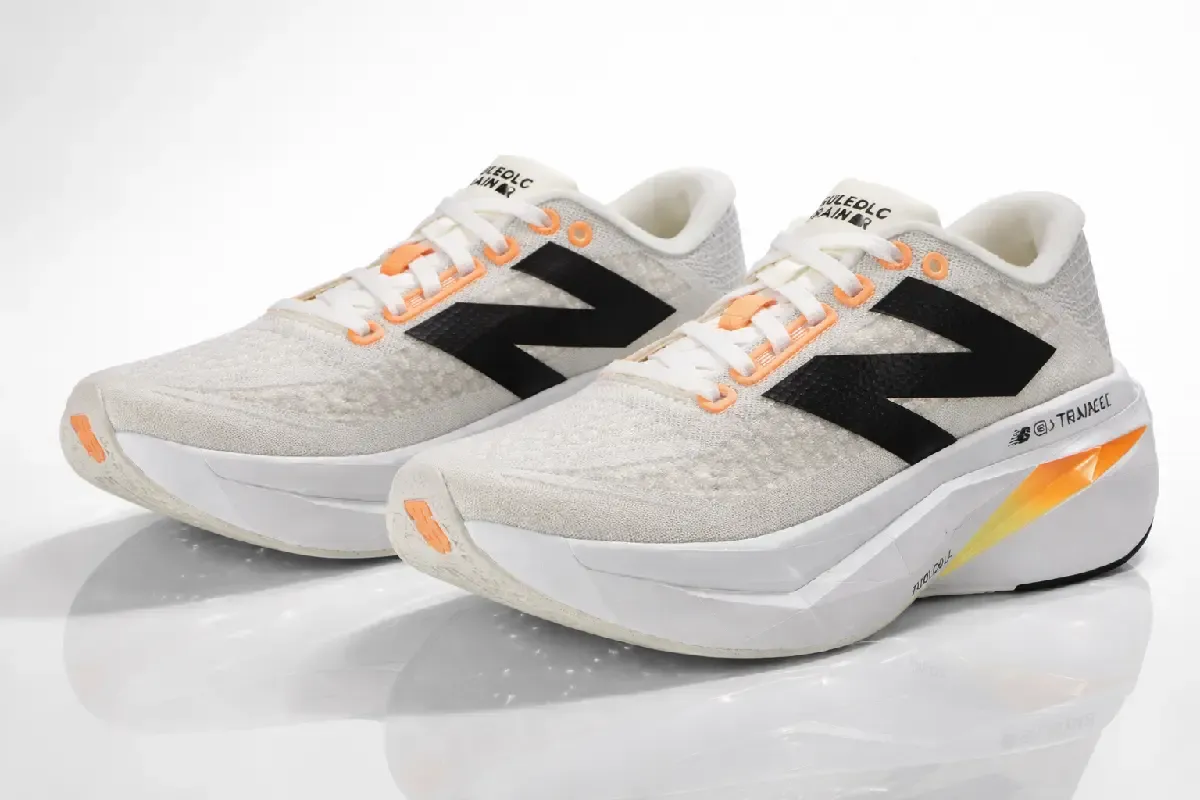
The New Balance FuelCell Supercomp Trainer v3 is a high-stack, carbon-plated powerhouse featuring a revamped 20% PEBA-blend FuelCell midsole and proprietary Energy Arc technology. This 'super trainer' delivers a snappy and propulsive ride, though its architectural shift toward a performance last results in a snug fit with reduced vertical volume in the toe box. To maintain optimal comfort and achieve proper lateral relief for foot swelling, most runners should size up 0.5 from their standard TTS, as the structured FANTOMFIT upper provides an elite-level bond with zero stretch.
Compare your current pair to find the best size match.
| Reference Shoe | Your Usual US | Buy in US | Your Usual EU | Buy in EU | Fit Notes |
|---|---|---|---|---|---|
| Nike Air Force 1 | 9.5 | 10.5 | 43 | 44.5 | The Air Force 1 is a high-volume lifestyle shoe that notoriously fits large, typically requiring users to size down 0.5. Conversely, the SC Trainer v3 is a low-volume performance model with a tapered toe box. To accommodate the length reduction and aggressive rocker geometry, you must size up 1.0 full size from your AF1 baseline. |
| ASICS Superblast 2 | 10 | 10.5 | 44 | 44.5 | The Superblast 2 features a more voluminous and forgiving internal cavity. In comparison, the SC Trainer v3 feels significantly more compressed and runs shorter in internal length. Sizing up 0.5 from your Superblast size is recommended to prevent distal pressure on the toes during high-mileage training. |
| New Balance 990v6 | 10 | 10.5 | 44 | 44.5 | Heritage 'Made in USA' models like the 990v6 are engineered with far more internal room than the FuelCell performance line. Because the SC Trainer v3 utilizes a more restrictive, tapered last designed for lockdown, a 0.5 size increase is mandatory to match the length comfort of the 990. |
| Adidas Samba | 10 | 10.5 | 44 | 44.5 | While the Samba has a slim silhouette, the SC Trainer v3's structured upper and integrated carbon plate require more 'buffer' room at the front of the shoe. Additionally, the rocker geometry pushes the foot forward during movement, necessitating a 0.5 size increase from the Samba to avoid toe bruising. |
Does the New Balance FuelCell Supercomp Trainer v3 run true to size?
No, the general consensus is that the SC Trainer v3 runs slightly small. Approximately 60-70% of runners recommend moving up a half-size (0.5 US) from your standard measurement to compensate for the tapered toe box and the forward-leaning rocker geometry.
Is the New Balance FuelCell Supercomp Trainer v3 good for wide feet?
The standard 'D' width is reported as too restrictive for wide or high-volume feet due to a lack of vertical wiggle room and lateral stretch in the FANTOMFIT upper. Wide-footed users should utilize the dedicated 2E width option in their standard size rather than simply sizing up in length, which may result in poor lockdown.
How is the arch support on the New Balance FuelCell Supercomp Trainer v3?
The SC Trainer v3 provides a secure, neutral wrap around the longitudinal arch through its gusseted tongue and FANTOMFIT overlays. While it lacks a medial post, the wide forefoot base and forked carbon fiber plate offer 'inherent stability' that resists lateral spilling, making it suitable for neutral runners and mild overpronators.
Ready to experience the New Balance FuelCell Supercomp Trainer v3?
Get yours today with fast shipping from Amazon
The sneaker world can be a bit of a circus sometimes. Every other week, a brand drops something claiming to be the "ultimate" do-it-all shoe, promising to shave minutes off your marathon time while looking fly enough for a Friday night out. It's a lot of noise. But every once in a while, something cuts through it. Enter the New Balance FuelCell SuperComp Trainer v3.
Honestly, this isn't just another plush lifestyle sneaker masquerading as a running shoe. And it's not a hardcore racing flat that wrecks your feet if you wear it to the grocery store. It's trying to be a unicorn: a legit high-performance tool that you actually want to wear when you aren't sweating buckets. It sits right in that sweet spot between a dedicated gym partner and a street-ready daily driver. Let's dive in and see if New Balance pulled off the balancing act, or if they made a shoe that's confused about its own identity.
Quick Take
Overall Rating: 4.5/5
Best For: Daily mileage, Tempo runs, Gym-to-street transition, Neutral runners
Key Strengths: Propulsive FuelCell foam, Lightweight design, "Race-ready" responsiveness, Modern aesthetic comparable to On Cloud
Notable Limitations: Potential instability due to softness, Lack of corrective support for overpronators, Unclear wet-weather traction
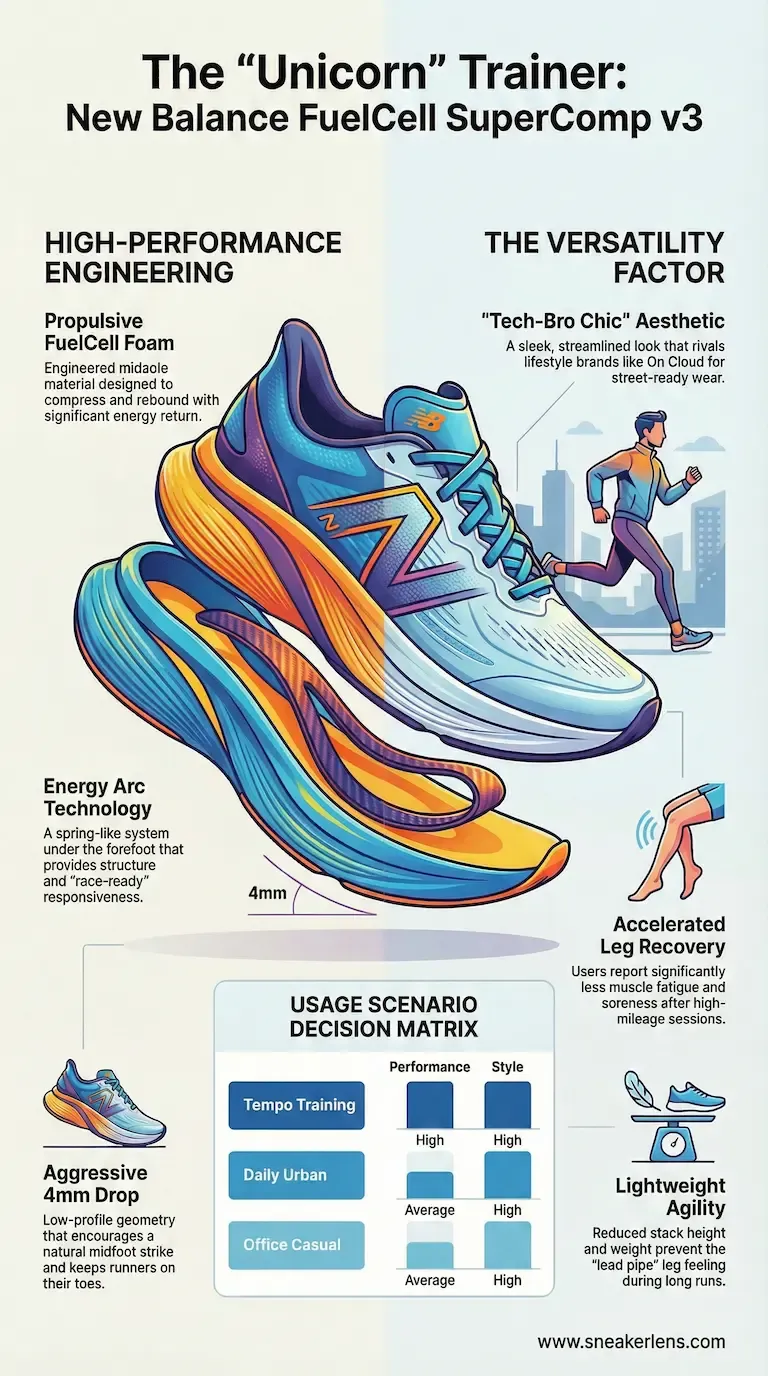
Visual Snapshot Summary
What Makes New Balance FuelCell SuperComp Trainer v3 Stand Out?
Here's the thing about the SuperComp Trainer v3: it's built on a contradiction, but a good one. Most "daily trainers" are basically foot pillows—soft, safe, and frankly, a little boring. This shoe has a pulse. The standout feature here is the FuelCell midsole foam. This isn't standard EVA that feels like a dead sponge after 200 miles. FuelCell is engineered for a "propulsive feel," and it's meant to push you forward.
And get this—it contains about 3% bio-based content. I know, I know, 3% sounds small, like tossing a single recycling bin into a landfill, but in the world of performance plastics, it's a step in the right direction. Combined with the "Energy Arc" technology under the forefoot, the shoe is basically a spring. It's creating this really specific "race-ready" vibe in a package that's meant for everyday training.
It's not just about the guts of the shoe, though. It's the geometry. With a 4mm drop, it aggressively encourages you to stay on your toes, literally. It's a stark departure from the chunky, high-drop shoes of the past decade. It's distinct, it's fast, and as one TikTok user put it, it's the "perfect mix of speed and comfort".
Real Customer Experiences
When you dig into what actual people are saying—not just the marketing gloss—you start to see a really interesting pattern. The vibe is overwhelmingly positive, but with some very specific caveats.
- The Speed Demons Love It: Runners are consistently noting that this shoe wakes up their legs. It's not just distinct cushioning; it's active energy return.
- The "Softness" Divide: This is where it gets tricky. While many love the plush feel, there is a camp of users who find it too soft, almost to the point of feeling unstable or "mushy."
- Recovery is Real: A huge selling point popping up in user feedback is how legs feel after the run. Less fatigue means you can get back out there sooner.
Here is what the people are actually saying:
"Perfect mix of speed and comfort."
"Comfortable across the pieces."
You don't often see that level of consensus on comfort across different activity levels, but clearly, New Balance is doing something right with the fit and feel here.
Design and Build Quality
Let's pop the hood and look at how this thing is put together.
The Upper The sources are a bit cagey on the exact material specs of the upper, which is a bit of a bummer for us tech nerds. However, the visual language is clear: it's sleek. It's avoiding that "dad shoe" bulk (ironic for New Balance, right?) and leaning into a streamlined, aerodynamic look. It's designed to disappear on your foot, which is exactly what you want when you're pushing the pace.
The Midsole This is the star of the show. The FuelCell foam is the engine room. It's chemically formulated to compress and rebound with significant force. The inclusion of the Energy Arc acts almost like a carbon plate's cousin—providing structure and snap without being overly rigid. But, frankly, the stack height reduction is the unsung hero here. By shaving off some height, they've kept the weight down, making it feel agile rather than clunky.
The Outsole Here is a bit of a blind spot. The data doesn't explicitly detail the rubber compound. In my experience as a footwear journalist, this usually means it's standard blown rubber. It's likely fine for dry pavement, but without specific info on lug depth or compound tackiness, I'd be cautious taking tight corners on a rainy day in Seattle.
Weight Expert reviewers are loving the weight—or lack thereof. In a world where trainers are getting heavier with all these maximalist stacks, the SC Trainer v3 is keeping it light. That matters when you're at mile 10 and your legs are starting to feel like lead pipes.
Special Tech The lack of traditional stability posts (those hard pieces of plastic on the inside arch) is a design choice, not an oversight. The stability here comes from the "geometry"—the width of the base and the shape of the sidewalls. It's a modern approach, but it puts the onus on your ankles to do some of the work.
Comfort and Fit
Okay, let's talk about putting these on your feet.
Sizing and Fit Profile You know how some shoes feel like a hug, and others feel like a handshake? This one feels like a firm, athletic handshake. The 4mm drop is a critical detail. If you're used to a traditional 10mm or 12mm drop (like most standard running shoes), this is going to feel different. It shifts the workload to your calves and Achilles, and it pushes you toward a more natural midfoot strike. It feels fast, but it can take some getting used to if you've been running in high heels your whole life.
Break-in Period There's no horror story data here about blisters or stiff heels, which implies the break-in is minimal. However, because of that FuelCell foam, you might need a run or two just to learn how the shoe compresses. It's dynamic. You don't just stand on it; you interact with it.
The "Vibe" It's comfortable enough that people aren't just running in them; they're living in them. One user mentioned feeling "less sore/tired than usual after my run". That's the holy grail, isn't it? If a shoe can save your legs from that post-run throb, it's worth its weight in gold.
Style and Versatility
Let me be honest with you: running shoes used to be ugly. Like, "neon sign on your foot" ugly. But the SC Trainer v3 is actually… beautiful?
People are drawing comparisons to the On Cloud series, which is basically the gold standard for "tech-bro chic" right now. The New Balance design team has cleaned up the lines, simplified the color blocking, and created a silhouette that looks fast even when it's standing still.
Ideal Scenarios This is a true hybrid. It shines in the "Daily Urban" setting—think walking the dog, grabbing coffee, maybe running to catch a bus. It's got that cool factor. For "Office Casual," it works if your workplace is on the relaxed side. It's clean enough to pair with chinos or nice denim without looking like you just wandered out of a marathon corral. However, because of that soft, squishy foam, standing at a standing desk for 8 hours might get a little fatiguing as your stabilizing muscles work overtime.
Quality and Durability
Durability is the elephant in the room for super-foams. Generally, the softer and more responsive a foam is, the faster it bottoms out.
The Good News Aggregate user data is sitting pretty with a 4.5/5 rating across over 200 reviews. People aren't flooding the comments with pictures of peeling outsoles or busted uppers. That's a strong signal that the build quality is solid.
The Concern The main "quality" complaint isn't about things breaking; it's about the feel. Some users dislike the "softness that it comes with". It's a preference thing, but it speaks to the longevity of the ride. If you find it too soft on day one, you're going to hate it on day one hundred when the foam inevitably compresses further. It's not a defect, but it's a characteristic that might feel like a durability issue if you prefer a firmer ride.
"Dislike the softness that it comes with."
That quote is crucial. If you want a brick, do not buy a sponge.
Decision Matrix
Making a choice is hard. Let's simplify it. Here is how the SC Trainer v3 stacks up across different life scenarios.
| Scenario ↓ / Criterion → | Comfort | Breathability | Rain/Grip | Style |
|---|---|---|---|---|
| Daily Urban | ✓ | ○ | ○ | ✓ |
| Office Casual | ○ | ○ | ○ | ✓ |
| Tempo Training | ✓ | ✓ | ○ | ✓ |
Legend: ✓ = Good | ○ = Average | ✕ = Poor
Who Should Buy
Perfect For
- The "One-Shoe" Warrior: You want a shoe that can handle your Tuesday track intervals, your Thursday tempo run, and your Saturday coffee walk without looking out of place. This is your Swiss Army knife.
- The Efficiency Seeker: You are working on your running form. You want a lower drop (4mm) to encourage a midfoot strike and a foam that gives you energy back with every step.
- The Style-Conscious Athlete: You refuse to wear "ugly" running shoes. You want something that rivals the On Cloud aesthetic but actually has the guts to perform during a hard workout.
Consider Alternatives If
- The Stability Seeker: If you have flat feet or severe overpronation, steer clear. There are no medial posts or heavy guidance frames here. The soft foam might make your ankles roll inward.
- The "Firm Ride" Loyalist: If you like feeling the pavement and want a hard, snappy push-off without the squish, the FuelCell foam is going to feel like running in sand to you.
- The Heel Striker: If you land heavily on your heels, that low 4mm drop and the specific Energy Arc geometry might feel foreign or even strain your calves.
Final Verdict
The New Balance FuelCell SuperComp Trainer v3 is a confident step forward in the "super trainer" category. It successfully blurs the line between a high-performance athletic tool and a lifestyle staple. It's not perfect—the softness isn't for everyone, and the stability is minimal—but for the neutral runner who wants to feel fast and look good doing it, it's a top-tier contender. It manages to make training feel a little less like work and a little more like flying.
If you are ready to trade a bit of stability for a lot of fun, this shoe deserves a spot in your rotation.
Browse our full New Balance collection to find your perfect pair.
As an Amazon Associate we earn from qualifying purchases. This helps support our site so we can keep bringing you the best content!
Frequently Asked Questions
What is the heel-to-toe drop of the New Balance FuelCell SuperComp Trainer v3?
Is the New Balance SuperComp Trainer v3 good for overpronation or flat feet?
What makes the New Balance SuperComp Trainer v3 different from regular daily trainers?
Related Reviews
New Balance Fuelcell Supercomp Elite V5 Review
New Balance FuelCell Supercomp Elite V5 Review: A top-tier hybrid racer blending elite propulsion with lifestyle versatility. Does it live up to the hype?
New Balance 1906r Review
The New Balance 1906R combines retro design with modern comfort, offering cloud-like cushioning and distinctive style despite some quality control concerns.
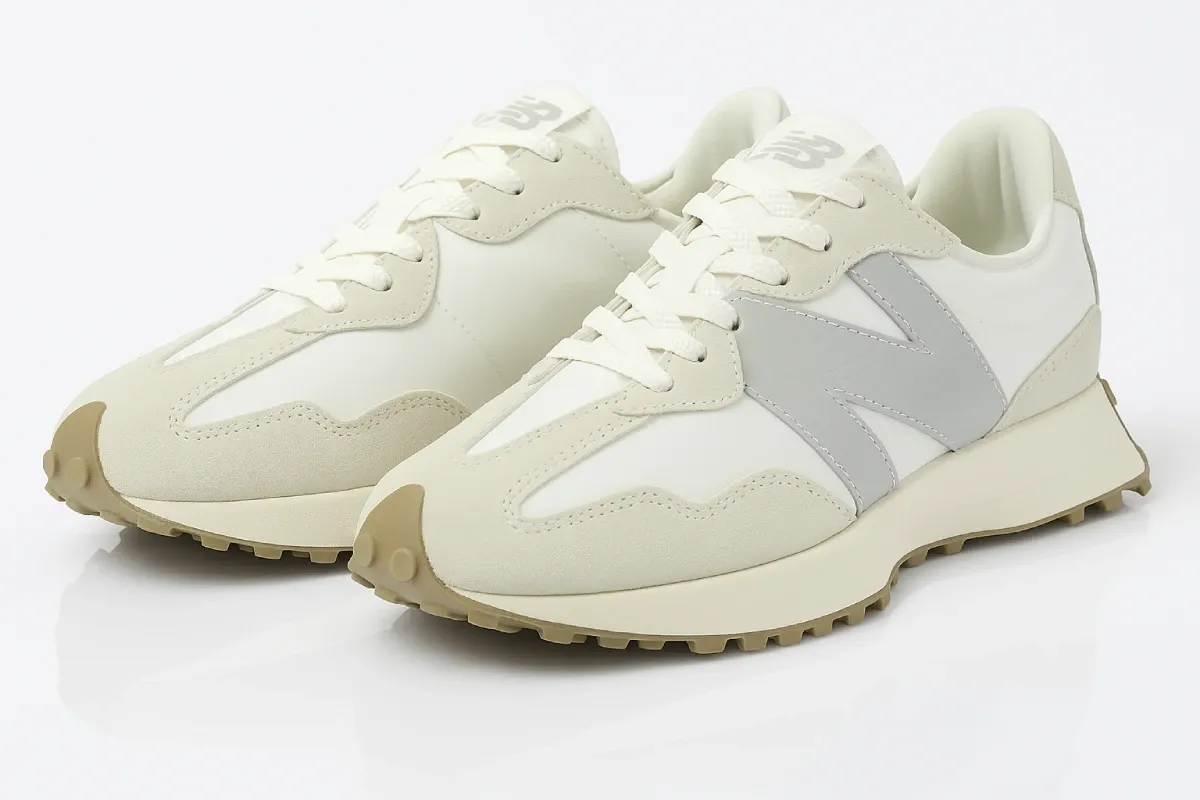
New Balance 327 Review
In-depth New Balance 327 review. Explore comfort, style, and sizing issues before you buy. Is this retro-inspired sneaker worth the hype?
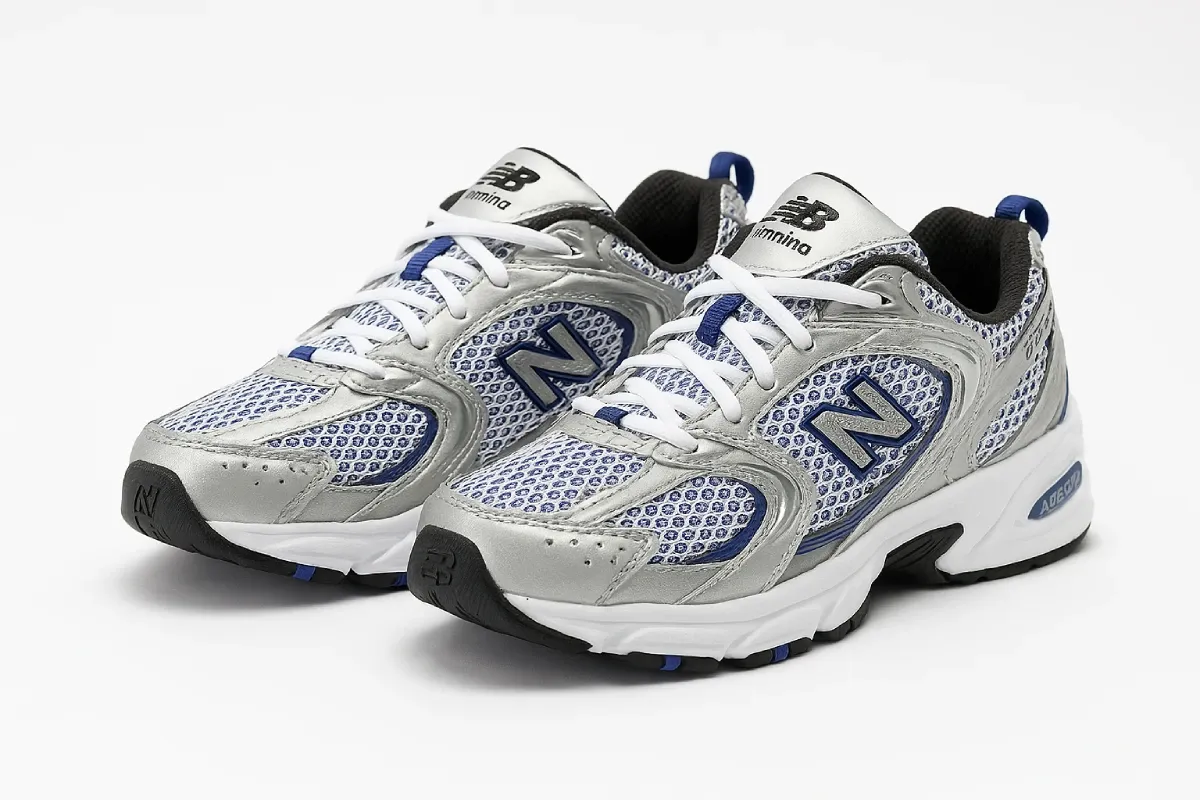
New Balance 530 Review
Review of the New Balance 530: A deep dive into the comfort, sizing, and durability of this trending retro "Dad Shoe." Is it worth the hype?
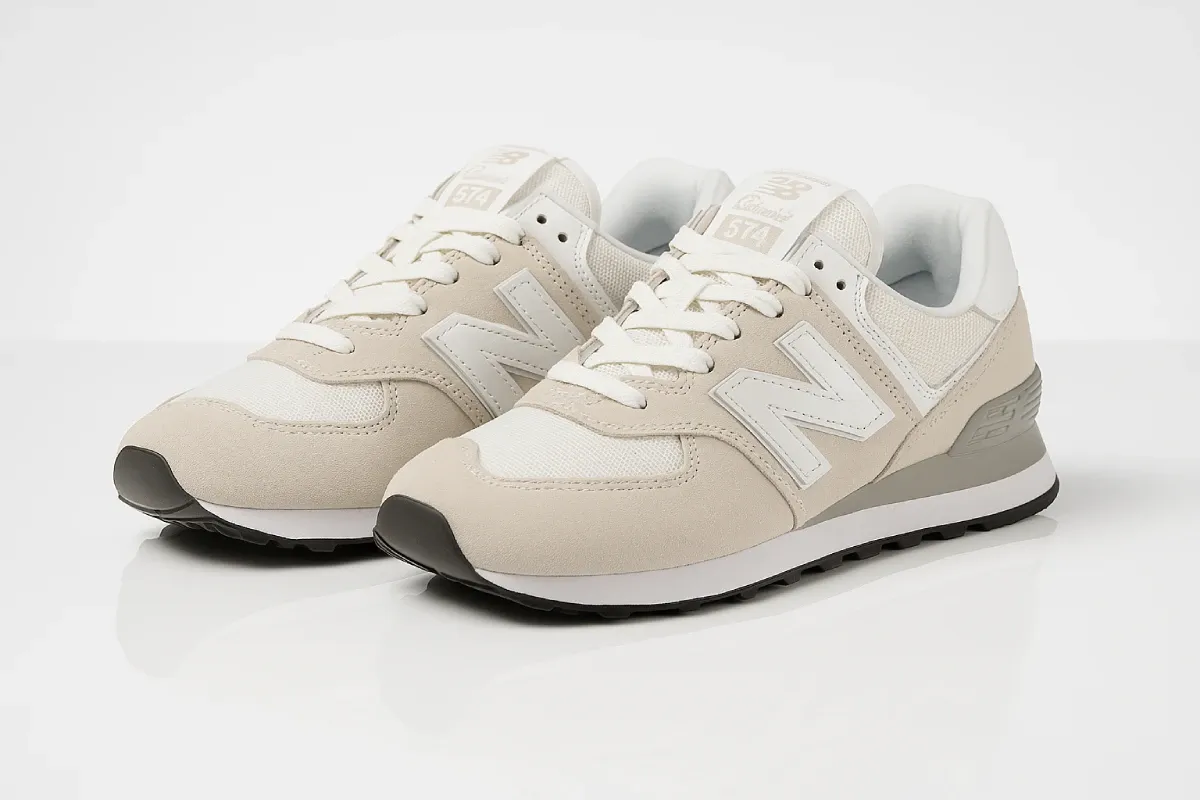
New Balance 574 Core Review
Get an honest review of the iconic New Balance 574 Core. We dive deep into its comfort, style, durability, and value to see if it's worth the hype.
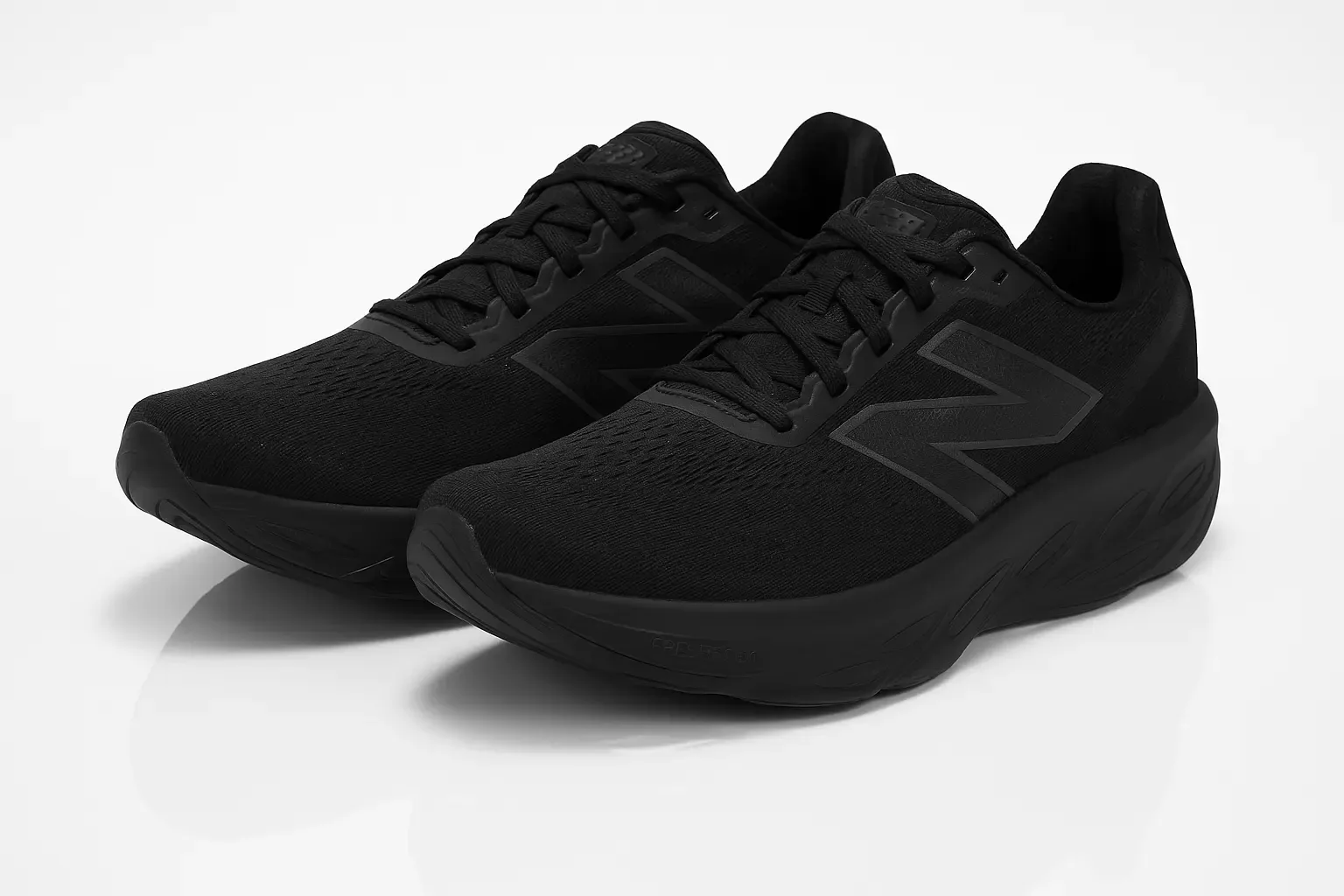
New Balance Fresh Foam X 1080 v14 Review
Experience exceptional cushioning with the New Balance Fresh Foam X 1080 v14, offering plush support for runners and anyone spending long hours on their feet.