Founder & Lead Editor
Federico D'anna
Federico D'anna has spent 9 years reviewing sneakers with a methodology built on hands-on wear notes, side-by-side comparisons, and verified buyer feedback.
Learn more about Federico D'annaHighlights
Positive
- The dual-layer DNA GOLD and DNA Flash v2 midsole creates a ride that is uniquely plush yet responsive, offering the best of both worlds.
- The accommodating fit with a wider toe box and secure lockdown makes it immediately comfortable for a wide range of foot shapes.
Negative
- The substantial weight of approximately 10 ounces makes it difficult to reach top sprinting speeds, limiting its use for short, fast races.
Brooks Hyperion Max 3 Sizing & Fit Guide
The Brooks Hyperion Max 3 represents a dramatic structural evolution for the line, transitioning from a firm tempo shoe into a high-stack, nylon-plated super trainer. Sizing consensus indicates that the model fits true to size (TTS) in absolute physical length, offering exceptional rearfoot security that entirely eliminates heel slippage. However, the completely redesigned upper features a lower-volume toe box, a stiff, non-stretchy triple jacquard mesh forefoot, and a restrictive fully gusseted tongue. These architectural elements combine to compress the foot, meaning that while narrow-footed runners will enjoy a secure performance lockdown, athletes with average, wide, or high-volume feet will experience a cramped sensation and may need to seek a half-size increase to find adequate lateral relief.
Compare your current pair to find the best size match.
| Reference Shoe | Your Usual US | Buy in US | Your Usual EU | Buy in EU | Fit Notes |
|---|---|---|---|---|---|
| ASICS Superblast 2 | 10 | 10 or 10.5 | 44 | 44 or 44.5 | The ASICS Superblast 2 provides a significantly more spacious, high-volume toe box and a more accommodating, stretchy upper material. If you have a narrow foot and wear a US 10 in the Superblast 2, you can buy your true length size (US 10) in the Brooks Hyperion Max 3. However, if your feet are average-to-wide and you rely on the natural roominess of the ASICS toe box, you must size up a half-size to US 10.5 in the Hyperion Max 3 to compensate for its rigid, non-stretchy jacquard mesh and lower vertical clearance. |
| New Balance FuelCell SC Trainer v3 | 10 | 10 | 44 | 44 | While standard US length sizing matches up identically, New Balance and Brooks utilize slightly offset UK/EU conversion scales. The SC Trainer v3 features a highly flexible and forgiving upper construction. If you normally wear a US 10 in New Balance but have a wider foot profile, understand that the Hyperion Max 3 lacks an available wide option and has a highly restrictive upper. To accommodate this structural discrepancy, wide-footed runners should size up a half-size, while true neutral, narrow-footed runners should stick to their normal length size. |
| Nike Zoom Fly 6 | 10 | 10 | 44 | 44 | Both models run true to size lengthwise and are built on narrow, performance-driven lasts with inherently tight toe boxes. Address the compensation factor carefully here: if you already size up a half-size in the Nike Zoom Fly 6 specifically to obtain more width, you must maintain that scaled-up size in the Hyperion Max 3 because the Brooks is similarly narrow in the forefoot and features an even tighter midfoot bootie with severe dorsal lacing pressure. If the Nike fits you perfectly true-to-size in length and width, buy your standard true size in the Brooks. |
| adidas adizero Boston 13 | 10 | 10.5 | 44 | 44.5 | Adidas running shoes typically run longer and noticeably wider than Brooks models in the same size category. Transitioning from the roomy, relaxed upper environment of the Boston 13 to the Hyperion Max 3 requires most runners to select a half-size larger to prevent extreme toe compression and cramping. Only select your true standard US size if you explicitly desire an ultra-snug, lower-volume race-like wrap and possess narrow feet. |
Does the Brooks Hyperion Max 3 run true to size?
The Brooks Hyperion Max 3 runs true to size regarding its physical footbed length, meaning it accurately matches standard measurements from heel to toe. However, the perceived fit is significantly tighter and more compressed than standard neutral daily running shoes. This tight fit environment is created by thick internal heel collar padding that pushes the foot forward, combined with a low-volume toe box and a stiff, non-stretchy triple jacquard mesh. Runners with narrow feet will fit comfortably true to size, but standard or wide-footed runners, or those managing long-distance foot swelling, should size up a half-size.
Is the Brooks Hyperion Max 3 good for wide feet?
No, the Brooks Hyperion Max 3 is highly restrictive and is not recommended for runners with wide, thick, or high-volume feet. Brooks currently manufactures this model exclusively in a standard D-width for men and a B-width for women, offering no dedicated wide alternative configurations. The forefoot is bounded by a rigid medial toe bumper and non-stretchy jacquard mesh that prevents natural toe splay, while the tight midfoot bootie entry can cause localized pinching, pressure across dorsal nerves, and numbness during runs.
How is the arch support on the Brooks Hyperion Max 3?
The Brooks Hyperion Max 3 is a neutral performance shoe that offers moderate underfoot arch guidance rather than active stability control or pronation correction. Its stiff, Pebax-based SpeedVault nylon plate runs through the dual-density midsole to provide strong torsional rigidity and a structured feel during straight-line transitions. However, Brooks implemented a deep medial cutout in the midfoot sole to reduce weight, which drastically compromises the underfoot platform surface area beneath the arch. This cutout can cause the platform to feel unstable or 'squirrely' for heel strikers and overpronators at slower paces, though the ride stabilizes as your speed increases.
Ready to experience the Brooks Hyperion Max 3 Review?
Get yours today with fast shipping from Amazon
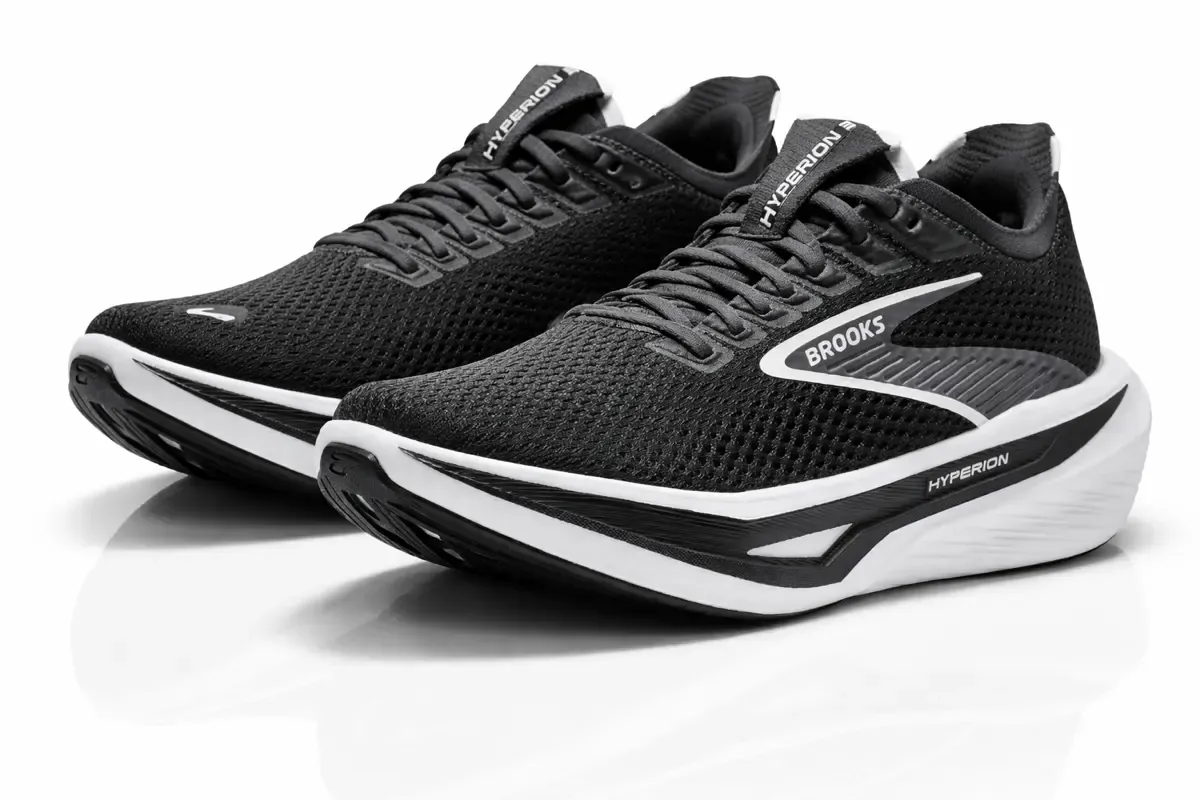
The Brooks Hyperion Max 3 isn't just another cushioned trainer. It's Brooks stepping into the “super trainer” lane with a shoe that's meant to cover a lot of ground, from slow recovery days to tempo sessions that need a little pop. In practice, it's tackling the classic dilemma: how do you get max protection without feeling like you're running in wet sand?
Quick Take
Overall Rating: 4.5/5
Best For: Daily miles, long recovery runs, challenging tempo efforts, uptempo workouts
Key Strengths: Exceptionally cushioned and responsive ride, secure and breathable upper, remarkable versatility across paces
Notable Limitations: Substantial weight (~10 oz), high price point ($200), difficult to reach top-end sprinting speeds
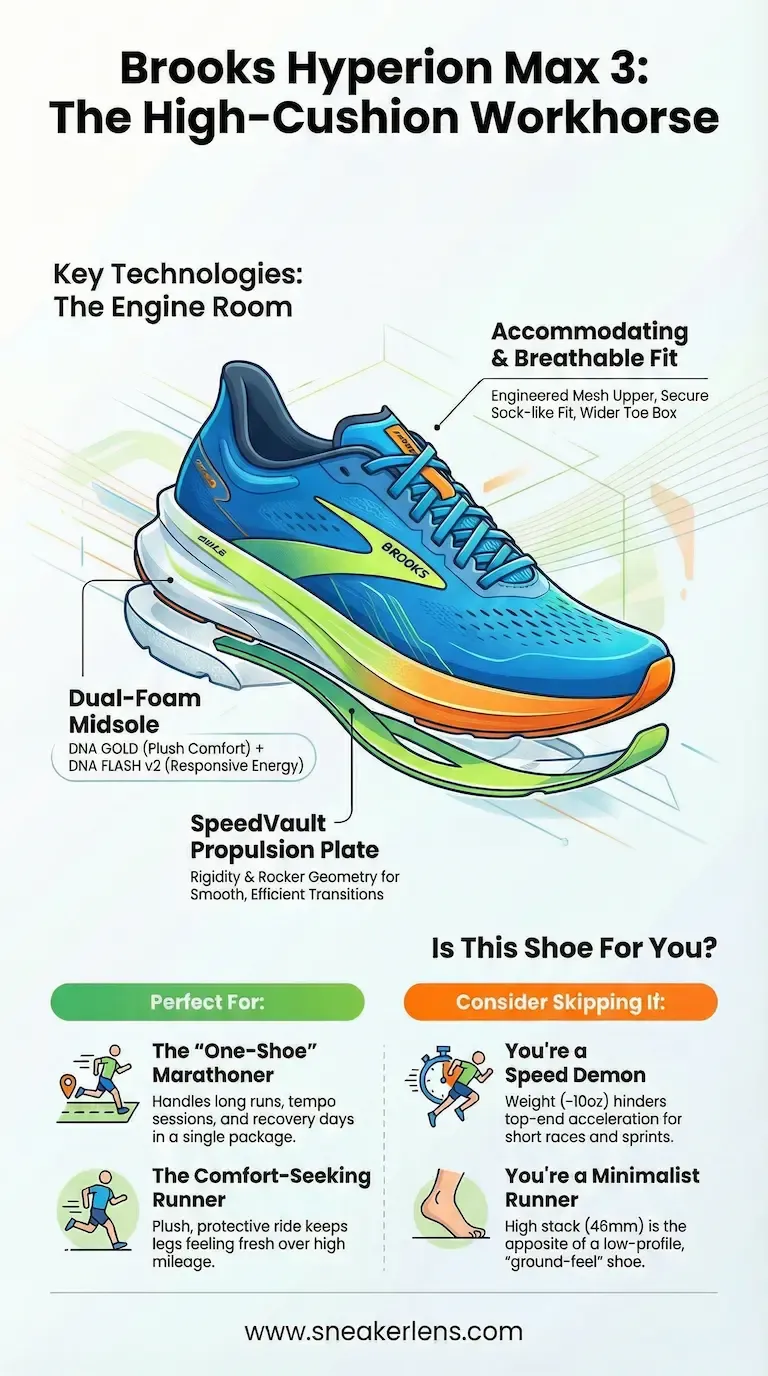
Visual Snapshot Summary
What Makes Brooks Hyperion Max 3 Stand Out?
The running shoe market is absolutely flooded right now. Every brand has a "super shoe" or a "super trainer," so it takes something real to stand out. The Hyperion Max 3 carves out its own lane by leaning into "controlled aggression." It isn't trying to be the lightest shoe on the shelf. It's trying to be the most versatile partner for the serious runner.
The real magic here, and the thing that separates it from the pack, is the dual-layer midsole system. Brooks didn't just slap a slab of foam on the bottom and call it a day. They built a "power combo" by layering their new DNA GOLD cushioning right under the foot for that initial plush, soft landing, then placing it on top of a base of nitrogen-infused DNA Flash v2 foam. This is significant because it directly addresses a common complaint with max-cushion shoes: the "mushy" factor. By combining these two distinct foams, they create a ride that feels soft and protective but still retains a snappy, energetic "bounce" that helps your forward motion instead of absorbing all your energy.
Let me explain why this matters. Usually, you have to pick: do you want soft knees or fast feet? The Hyperion Max 3 basically says, "Why not both?" It's the integration of high-stack geometry (we're talking 46mm in the heel!) with a propulsive ride that defines its standout status. It's a super trainer that feels protective underfoot without feeling clumsy.
One customer summed up this duality perfectly:
"The shoe's design philosophy is encapsulated in marketing language that emphasizes its ability to deliver speed and protection for a diverse range of workouts."
Real Customer Experiences
When you look past the marketing hype and actually listen to what runners are saying, a clear picture forms. It's not just about specs; it's about how the shoe feels at mile 15.
- Versatility is King: Users are consistently impressed by how the shoe handles different paces. It's rare to find a shoe that users trust for both marathon training long runs and faster turnover sessions, but that's exactly what's happening here. The consensus is that it keeps your legs fresh without holding you back.
- Immediate Step-In Feel: There's a lot of chatter about the "step-in feel." You know how some shoes need a week of blistering break-in runs? Apparently not this one. Runners are reporting a "plush yet springy" sensation right out of the box, with the upper wrapping the foot securely.
- Weight Awareness: It's not all sunshine and rainbows, though. A recurring theme in the feedback is the weight. Users notice that 10-ounce heft. While the rocker geometry helps hide it while moving, nobody is mistaking this for a featherweight racing flat. It's a cruiser, not a sprinter.
Here is what actual runners are saying about their experience:
"I relied on it as a go-to shoe for much of my training... its turnover remained lively even after fatigue set in."
"Reaching top speed is described as difficult... it is a shoe that maintains pace rather than initiates it."
Design and Build Quality
Here's the thing about the Hyperion Max 3: it is built like a tank, but a very high-tech one. Let's break down the construction because there is a lot going on under the hood.
The Upper: A Masterclass in Fit
The upper uses an engineered mesh reinforced with something Brooks calls "3D Fit Print" technology. Ideally, an upper should disappear on your foot, and that seems to be the goal here. It creates a sock-like fit that conforms to your foot shape. The attention to breathability matters, too. With a shoe this big, heat retention can be a nightmare—hot feet mean blisters. But the open, single-layer construction is noted for being airy, which is critical for those long, grinding sessions. They've also used a knit construction around the collar, which is a nice touch for ankle comfort and helps prevent that annoying rubbing you sometimes get with stiffer heel counters.
The Engine Room: Midsole Technology
This is where the money is. The midsole stack is massive—46mm in the heel and 40mm in the forefoot. That is a lot of foam. As I mentioned earlier, it's a dual-density setup: DNA GOLD on top for a softer landing, DNA Flash v2 on the bottom for stability and response. But the foam isn't working alone. Buried inside is the SpeedVault propulsion plate, and it's crucial. Without that plate, a shoe this thick would be a floppy mess. The plate adds rigidity and snap, working in tandem with the "RapidRoll" rocker geometry to guide you from heel to toe. It's designed to counteract the inertia of the shoe's weight, giving you a smooth transition that feels less like plodding and more like rolling.
Outsole and Durability
Brooks didn't skimp on the rubber here. The outsole features a generous amount of durable rubber coverage. In an era where many "super shoes" leave exposed foam to save weight, Brooks went the other way. They prioritized longevity. This extensive rubber coverage protects the high-wear areas effectively, which is exactly what you want in a daily trainer that costs this much.
The Weight Factor
We have to talk about the elephant in the room: the weight. At approximately 10 ounces for men's sizes, it is heavy. This is the trade-off for all that stack height and the durable rubber outsole. It's a direct consequence of the volume of cushioning. While the rocker helps you carry it, you will feel it if you try to do 200m repeats on the track.
Comfort and Fit
If I had to describe the fit of the Hyperion Max 3 in one word, it would be "accommodating."
Sizing Advice: you can breathe a sigh of relief here. The feedback is overwhelmingly that it fits true to size. You don't need to play the guessing game of going up or down a half size. Just order your normal running shoe size.
Width Profile: This is a big win for many. The toe box is described as slightly wider-than-average. If you've ever lost a toenail to a narrow racing shoe, you know how important this is. It allows for natural toe splay, which is a lifesaver on runs that go over 90 minutes. However, it's not sloppy; the midfoot and heel lock down securely thanks to that 3D Fit Print and the knit collar, so you aren't sliding around on the platform.
The Break-in Period: Or rather, the lack thereof. One of the most impressive aspects of this shoe is that the break-in period appears to be minimal to non-existent. You can pretty much take them out of the box and run a 10K without worrying about hot spots. The materials are flexible and the foam is ready to go from step one.
As one tester put it:
"Even when standing still, the foam feels very plush... the shoe avoids feeling 'mushy' or overly insulating."
Style and Versatility
Let's talk about how this shoe fits into your actual life, not just your running log.
Aesthetically, the Hyperion Max 3 is definitely a "tech" shoe. It looks like a performance vehicle. It's bulky, unapologetic about its stack height, and screams "runner." For daily urban use, like walking the dog or running errands after a workout, it's great because it's easy on the feet. The breathability makes it a solid choice for the gym too, although the stack height might be a bit unstable for heavy squats (I wouldn't recommend deadlifting in these).
However, versatile as it is for fitness, it struggles in the "office casual" department. It's just too chunky and technical to pass off with jeans or chinos in most settings. It's a tool for a job, and it looks like one.
One minor note on versatility: while the rubber is durable, the grip in rain is described as just "adequate" rather than class-leading. So, if you live in a rainy city like Seattle or London, you need to be a little careful on painted road lines.
Quality and Durability
When you are dropping $200 on a pair of sneakers, you want them to last. The verdict on the Hyperion Max 3's durability is largely positive, but with a specific caveat regarding the foam.
The Good News: The build quality is high. The upper mesh is resilient and doesn't tear easily, and that generous outsole rubber we talked about earlier means you aren't going to chew through the bottom of the shoe in 200 miles. Users report that the structural integrity of the shoe holds up very well over time.
The "Foam Reality": Here is the reality check. While the shoe is durable, the foam—like all foams—will compress. Users have noted that by 500 kilometers (about 310 miles), the compression is noticeable. The ride changes, and it loses a bit of that initial "pop" and magic. It doesn't mean the shoe is dead—one user noted it was still usable for threshold reps—but it won't feel brand new forever. This is just physics. If you want super soft foam, you have to accept that it will eventually pack out.
One user noted this specific trajectory:
"After 500 kilometers of use... the shoe remained very comfortable during easy and long runs, although the foam had begun to compress."
Decision Matrix
To help you decide if this fits your lifestyle, here is a breakdown of how it performs in different scenarios:
| Scenario ↓ / Criterion → | Comfort | Breathability | Rain/Grip | Style |
|---|---|---|---|---|
| Daily Urban | ✓ | ○ | ✕ | ○ |
| Office Casual | ✓ | ○ | ✕ | ✕ |
| Light Sport / Gym | ✓ | ✓ | ○ | ○ |
Legend: ✓ = Good ○ = Average ✕ = Poor
Who Should Buy
Perfect For
- The "One-Shoe" Marathoner: If you are training for a marathon and want a single shoe that can handle your 20-mile long runs and your midweek tempo blocks, this is your workhorse.
- The Heavy-Footed Runner: If you have a heavier frame or a heavy footstrike, the max cushioning and shock absorption here will save your knees and keep your legs fresh.
- The Comfort Seeker: If you simply refuse to compromise on comfort and want a plush, luxurious feel for every single mile, regardless of the price tag.
- The Wide-Footed Athlete: If you struggle to find performance shoes with enough room in the toe box, the accommodating fit here is a major selling point.
Consider Alternatives If
- The Speed Demon: If you are looking for a shoe for track sprints, 5K races, or anything where top-end acceleration is key, this shoe is too heavy for you.
- The Budget Conscious: If spending $200 on a daily trainer makes your wallet hurt, there are plenty of excellent options in the $140-$160 range that will serve you well.
- The Minimalist: If you like ground feel and flexibility, the 46mm stack height and rigid plate will feel like running on stilts. This is the opposite of barefoot running.
Final Verdict
The Brooks Hyperion Max 3 is a bold statement. It's a shoe that unashamedly embraces maximum cushioning while refusing to give up on performance. It is, quite honestly, a beast of a shoe—heavy, expensive, but incredibly capable. For the dedicated runner who logs high mileage and needs a versatile partner to protect their legs while still allowing for some speed, it's a fantastic piece of engineering. It manages to be soft without being boring, and protective without being clumsy.
However, you have to be okay with the weight and the price. If you can get past those two hurdles, you're looking at one of the best super trainers on the market today. It's not for everyone, but for the right runner, it might just be the perfect shoe.
Browse our full Brooks collection to find your perfect pair.
As an Amazon Associate we earn from qualifying purchases. This helps support our site so we can keep bringing you the best content!
Frequently Asked Questions
Is the Brooks Hyperion Max 3 a plated shoe?
What type of running is the Brooks Hyperion Max 3 best for?
How is the Hyperion Max 3 different from previous versions?
Related Reviews
Brooks Ghost Max 2 Review
An in-depth review of the Brooks Ghost Max 2, a max-cushioned running shoe ideal for comfort, stability, and walking. See if it's right for you.
Brooks Addiction Walker 2 Review
Brooks Addiction Walker 2 Review: Expert analysis of this APMA-approved motion control shoe. Is it the best choice for flat feet & plantar fasciitis?
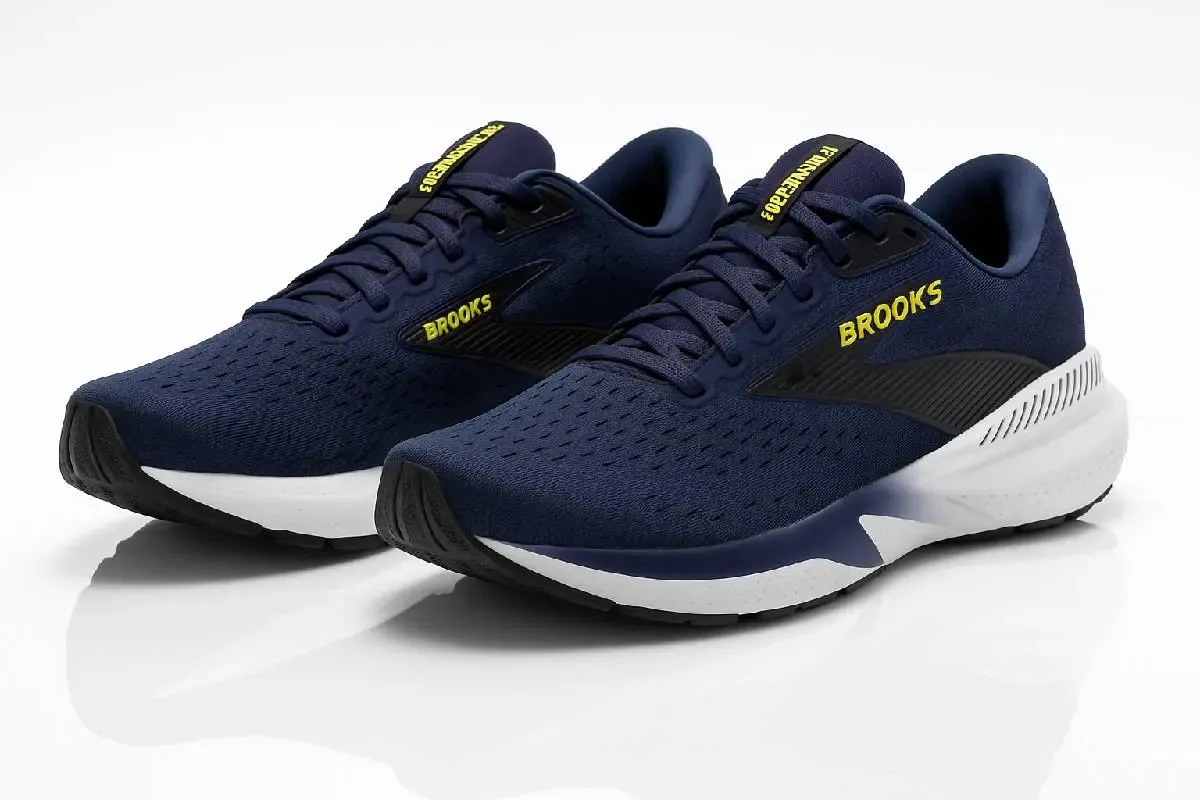
Brooks Adrenaline GTS 24 Review
In-depth review of the Brooks Adrenaline GTS 24. Learn about its DNA Loft v3 foam, GuideRails support, fit, and performance for overpronation.
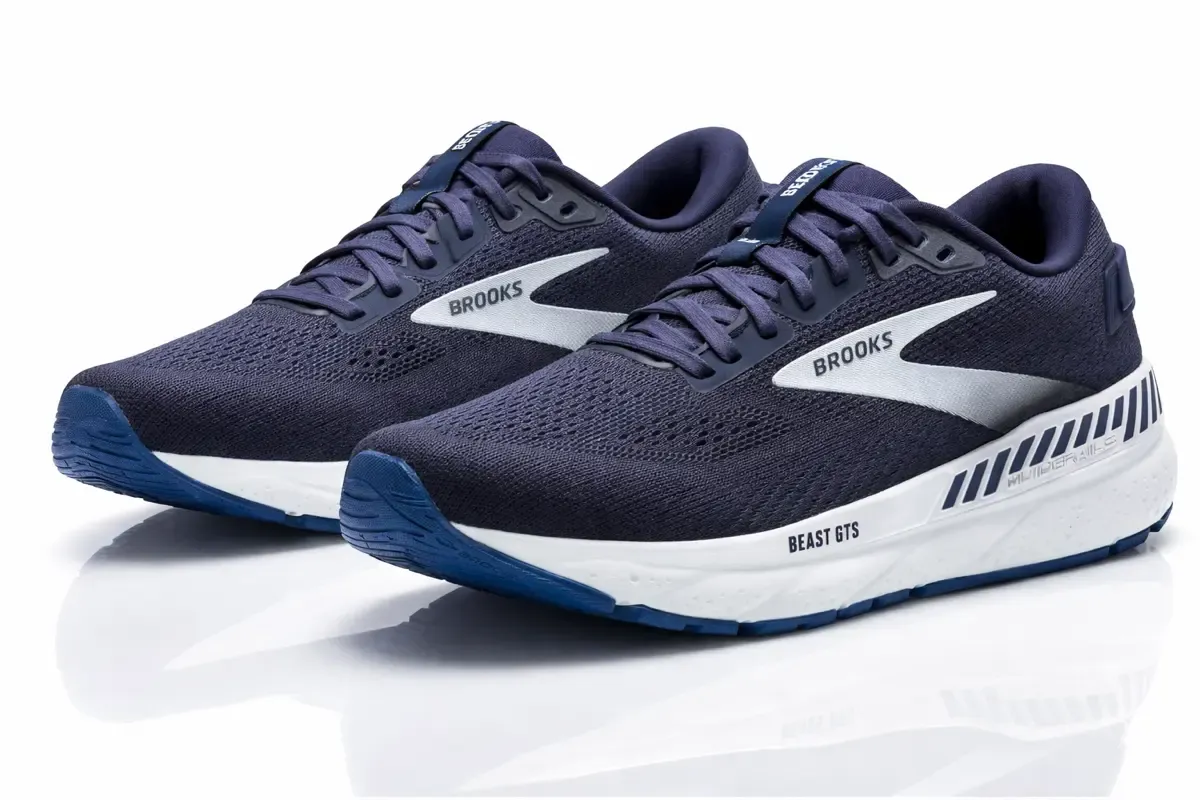
Brooks Beast GTS 24 Review
Brooks Beast GTS 24 Review: Max support running shoe for overpronation. 12.4oz, DNA LOFT v3 foam. Best for flat feet & heavy walkers.
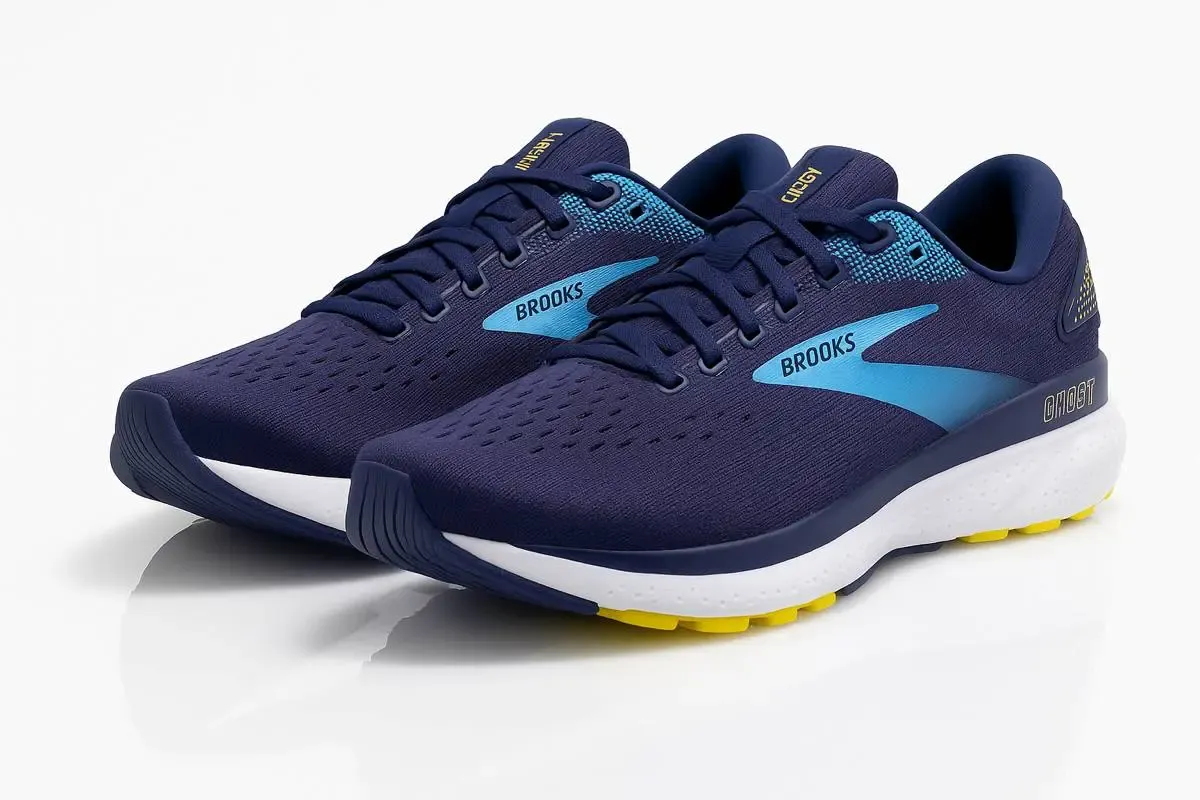
Brooks Ghost 16 Review
Expert review of the Brooks Ghost 16. We analyze comfort, durability, value, and who should buy this reliable neutral road running shoe, Brooks Ghost 16.
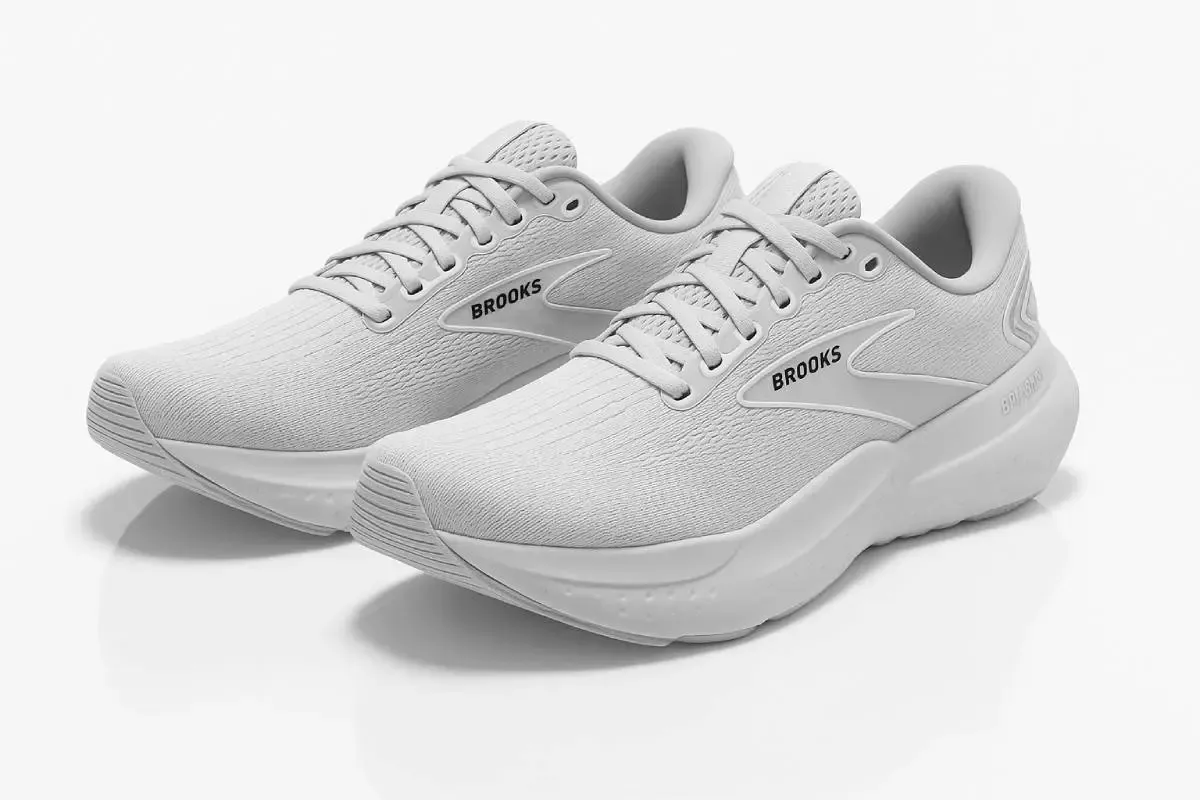
Brooks Glycerin 21 Review
In in-depth review of the Brooks Glycerin 21. Discover its plush DNA LOFT v3 cushioning, fit, durability, and if it's the right shoe for you.