Founder & Lead Editor
Federico D'anna
Federico D'anna has spent 9 years reviewing sneakers with a methodology built on hands-on wear notes, side-by-side comparisons, and verified buyer feedback.
Learn more about Federico D'annaHighlights
Positive
- DNA Tuned dual-density foam delivers a unique ride that's plush at the heel and responsive at toe-off.
- A massive 45mm stack height provides industry-leading impact protection for heavy runners and walkers.
Negative
- The significant weight and bulk make this shoe feel sluggish during speed workouts or fast-paced runs.
Brooks Glycerin Max Sizing & Fit Guide
The Brooks Glycerin Max introduces a highly specialized, maximum-stack cushioning platform paired with a protective triple jacquard mesh upper. Officially marketed as a true-to-size (TTS) model, real-world evaluations reveal a distinct sizing paradox between its physical length and lateral width layout. While the midfoot platform is incredibly wide and stable underfoot, the heavily padded upper lacks optional wide-width configurations and finishes with an aggressive lateral toe box taper that compresses the forefoot. This structural composition transitions what initially feels like a long shoe into a surprisingly snug fit, offering minimal lateral relief for wide-footed runners but providing a secure, highly cushioned environment when properly sized.
Compare your current pair to find the best size match.
| Reference Shoe | Your Usual US | Buy in US | Your Usual EU | Buy in EU | Fit Notes |
|---|---|---|---|---|---|
| Brooks Glycerin 22 | 10.0 | 10.0 (Standard) or 10.5 (Wide feet) | 44 | 44 (Standard) or 44.5 (Wide feet) | The Glycerin 22 runs slightly short and offers a dedicated wide (2E) option. In contrast, the Glycerin Max runs physically longer but is much narrower at the lateral toe edge and lacks optional widths. Runners with standard feet can remain true-to-size at a US 10.0 (EU 44). However, applying the compensation factor, runners who require a 2E width in the Glycerin 22 must go up a half-size to a US 10.5 (EU 44.5) in the Glycerin Max to secure adequate forefoot volume and offset the aggressive lateral toe taper. |
| Brooks Ghost Max 2 | 10.0 | 10.0 (Standard) or 10.5 (Wide feet) | 44 | 44 (Standard) or 44.5 (Wide feet) | The Ghost Max 2 is built on a straight, accommodating last and offers wide and extra-wide options. The Glycerin Max features a significantly more tapered, snug toe box. Standard-width runners will find the midfoot platform wider in the Glycerin Max and can stay true to size. However, runners with wider feet who wore standard sizes in the Ghost Max 2 will experience intense lateral compression and must size up a half-size to a US 10.5 (EU 44.5) to clear the tapered front. |
| Hoka Bondi 8 | 10.0 | 9.5 (Low-volume feet) or 10.0 (Average feet) | 44 | 43 (Low-volume feet) or 44 (Average feet) | The Bondi 8 is notoriously narrow in both the midfoot and forefoot, prompting many runners to size up a half-size just to clear width limitations. The Glycerin Max has a much broader, highly stable midfoot base. Applying the compensation factor: if you previously sized up in the Bondi 8 purely for width, you should return to your true length and select a US 9.5 (EU 43) in the Glycerin Max to avoid excessive dead length. Standard-width runners should remain at a US 10.0 (EU 44). |
| ASICS Gel-Nimbus 26 | 10.0 | 9.5 (Low-volume feet) or 10.0 (Average feet) | 44 | 43 (Low-volume feet) or 44 (Average feet) | The Gel-Nimbus 26 features a highly plush upper with limited vertical toe-box depth, forcing many runners to size up a half-size to avoid painful toenail pressure. Because the Glycerin Max offers greater vertical volume and a physically longer upper pattern, runners who sized up in the Gel-Nimbus 26 can safely apply the compensation factor and return to their standard US 9.5 (EU 43) in the Glycerin Max without sacrificing toe clearance. |
| Adidas Evo SL | 10.0 | 10.0 | 44 | 44 | Both models fit true to size in terms of absolute physical length. However, the Glycerin Max operates as a much wider, higher-volume shoe overall through the midfoot chamber. Runners with average-to-narrow feet will find a similar longitudinal profile but will experience far more room in the midfoot of the Glycerin Max compared to the streamlined, snug structure of the Evo SL. |
Does the Brooks Glycerin Max run true to size?
The physical length of the Brooks Glycerin Max runs approximately a half-size longer than standard daily trainers. For runners with narrow or low-volume feet, this excess length results in a roomy toe box with a significant amount of dead space at the front, occasionally causing minor heel slippage. However, for runners with standard-to-wide feet, this extra length is heavily offset by the aggressive lateral taper of the toe box, which pinches the pinky toes. Consequently, while runners with low-volume feet often prefer to size down a half-size to align their feet with the rocker sweet spot, runners with average-to-wide feet are forced to buy their standard size or size up by a half-size to accommodate forefoot width.
Is the Brooks Glycerin Max good for wide feet?
The Brooks Glycerin Max is generally not recommended for runners with wide feet. Although the physical midsole platform is wide and stable, the upper is only manufactured in a standard D-width, and there are no optional wide (2E) or extra-wide (4E) versions available. The thick, triple-layer jacquard mesh has no stretch, and the toe box tapers sharply on the lateral side, compressing the pinky toes and causing severe hotspots and rubbing. Wide-footed runners who attempt to wear this shoe are forced to size up by a half or full size, which leads to excessive length, compromised heel lockdown, and improper alignment over the dynamic forefoot rocker.
How is the arch support on the Brooks Glycerin Max?
The Glycerin Max provides a highly supportive, neutral platform with integrated medial and lateral foam sidewalls that keep the foot centered. However, the shoe features a moderately high, rigid arch contour. The dense, dual-density DNA Tuned foam is highly resistant to compression under the midfoot, meaning the arch profile does not easily collapse or break in over time. While this is excellent for runners with medium-to-high arches, flat-footed runners and those with low arches frequently experience painful pressure, chafing, and blisters on the medial side of the midfoot. This makes the shoe less suitable for runners with low arches who prefer a flatter or more accommodating midfoot last.
Ready to experience the Brooks Glycerin Max Review?
Get yours today with fast shipping from Amazon
If you've been waiting for the moment Brooks finally took the gloves off and went toe-to-toe with the maximalist giants of the running world, that moment is here. The Brooks Glycerin Max isn't just another update. It's a full reimagining of what “cushioning” means for the brand, built for anyone who believes there's no such thing as too much foam underfoot.
Quick Take
Overall Rating: 4.4/5
Best For: Recovery runs, heavy runners, walkers, all-day standing, joint protection
Key Strengths: Unmatched "cloud-like" cushioning, immediate comfort (no break-in), stable rocker geometry, durable outsole
Notable Limitations: Significantly heavy (10.5 oz+), premium $200 price tag, lack of agility for speed work, potential instability on uneven terrain
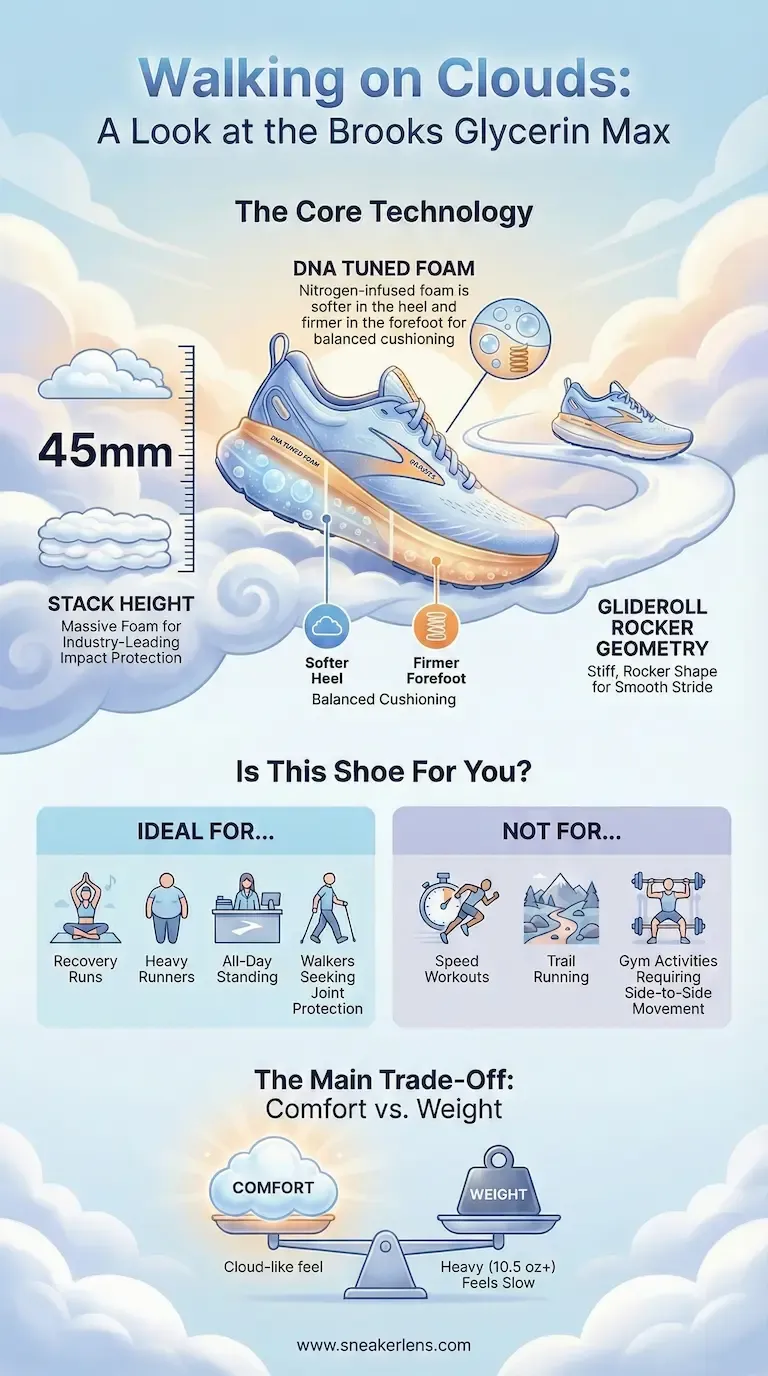
Visual Snapshot Summary
What Makes Brooks Glycerin Max Stand Out?
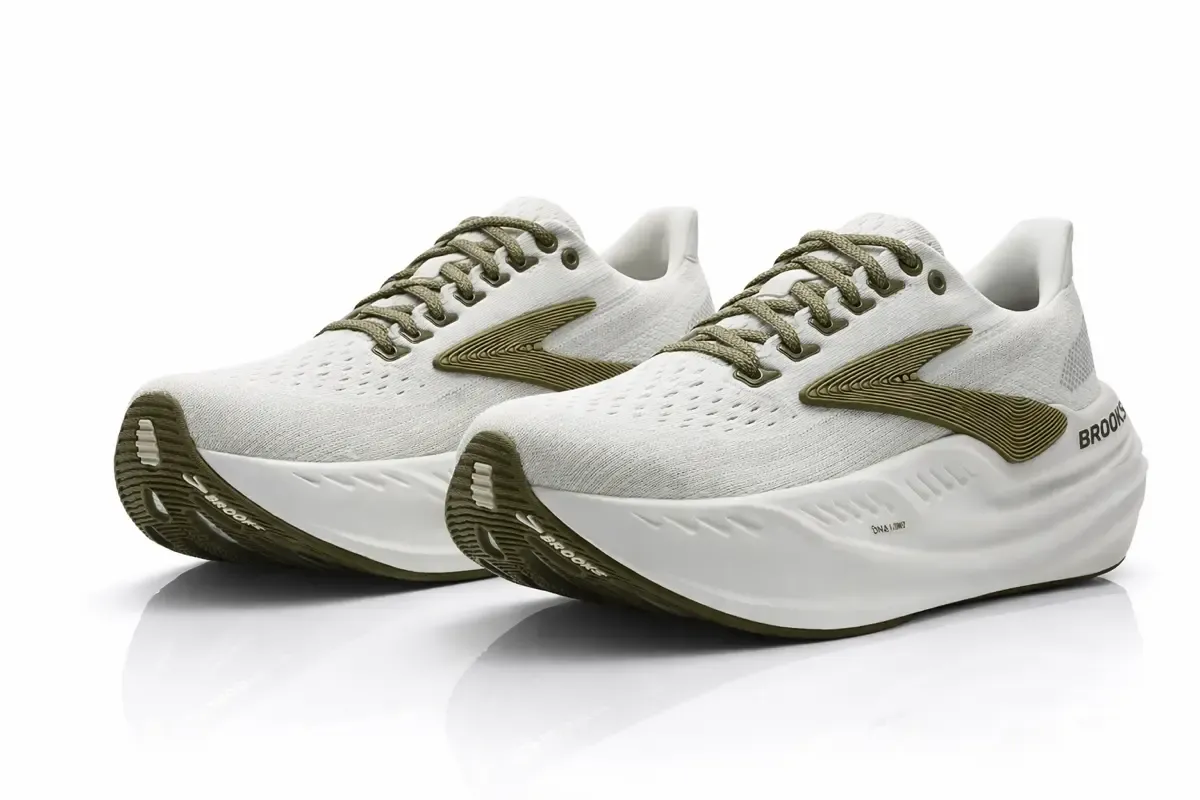
For the longest time, Brooks felt like it was playing it safe. The Ghost and the standard Glycerin are solid and reliable, but maybe a little… polite. The Glycerin Max changes the conversation. The first thing that grabs you is the scale: a massive 45mm stack height in the heel. It's unapologetically big. But what makes it stand out isn't just the height. It's the tech packed into that midsole.
Here's the idea. Brooks introduces "DNA Tuned" foam, a nitrogen-infused setup, but with a clever dual-cell technique. Picture a mattress with big, soft springs where you land, and smaller, firmer springs where you push off. That's basically what's happening. The heel uses larger cells for a plush, squishy landing. The forefoot uses smaller cells to add a bit of pop at toe-off. It's meant to avoid that “running in quicksand” feeling a lot of max-cushion shoes struggle with.
One customer really nailed it when they said:
"The Glycerin Max offers the perfect combination of cushion and propulsion with a nice rocker shape to keep me running."
This isn't just a soft shoe; it's a remarkably engineered piece of gear that tries to balance the impossible equation of softness and responsiveness.
Real Customer Experiences
When you dig into what real people are saying, the feedback is overwhelmingly positive, but with some specific caveats. It's like a luxury SUV: everyone loves the ride, but not everyone loves maneuvering it. Here's the thing:
- The "Cloud" Consensus: Almost everyone uses the same vocabulary. Words like "pillows," "clouds," and "marshmallows" come up constantly. It seems the immediate comfort is the shoe's biggest selling point, with many users claiming they are the most comfortable shoes they have ever owned.
- The Weight Debate: There is a distinct split in the community regarding the weight. While casual runners and walkers don't mind the heft (around 10.5 oz for men), faster runners feel it. They describe the shoe as feeling "slow" or "cumbersome" when trying to pick up the pace.
- Relief for Aches: A lot of the praise comes from people with specific physical issues. We see reports from powerlifters, nurses, and people with bad knees who say the impact protection is a game-changer for their daily pain levels.
Verbatim Customer Quotes:
"Last year I bought a pair of Brooks Ghost Max and the second I put them on they made my feet felt like they were sitting on pillows..."
"This shoe is fun, fast and everything I need. Took it for a 12 mile tempo run and it was fantastic." — Note: This is a counter-point from a user who actually enjoyed them for tempo, though they are the minority.
Design and Build Quality
Let's get into the nuts and bolts of how this thing is actually put together.
The Upper The upper uses a "triple jacquard air mesh" (or a similar high-grade knit, depending on the spec sheet). It feels premium to the touch. It's meant to be flexible and accommodating, which helps if your feet swell during long runs or long shifts. It wraps securely without that suffocating plastic feel you get from cheaper overlays. And it's nice to see Brooks using up to two-thirds recycled materials here; it's a small step, but it counts.
The Midsole This is the star of the show. I mentioned DNA Tuned foam earlier, but the "GlideRoll Rocker" geometry matters just as much. With a stack height this high (45mm heel / 39mm forefoot), the shoe is stiff. You can't really flex it with your hands. So Brooks gives it a fairly aggressive rocker shape, like the bottom of a rocking chair, to help you roll through your stride since the shoe won't bend for you. It creates a smooth transition that feels surprisingly natural for such a giant block of foam.
The Outsole Here's where Brooks makes a smart trade-off. They cover the bottom in a thick layer of rubber. A lot of super-soft shoes skip rubber to save weight, then get chewed up by pavement in 200 miles. Brooks goes the other direction. They accept the weight penalty to give you an outsole that's durable and grippy. The multi-directional ridges also give decent traction on wet sidewalks, which matters if you're using these for daily commuting.
Weight and Tech We have to talk about the weight again. At 10.5 oz (298g) for men and 9.5 oz (269g) for women, it is heavy. There is no getting around it. If you are used to featherweight racing flats, these will feel like anchors. But if you are used to heavy work boots or just want protection, you probably won't notice it as much.
Comfort and Fit
If I had to sum up the comfort in one word, it would be “luxurious.”
Sizing Advice The fit is generally true to size. Most users find it roomy right out of the box. It's not narrow like some European brands; it has that classic, accommodating Brooks fit that works for a lot of people. The toe box is spacious enough for natural toe splay, which is a big plus over long distances.
Width Profile Because of that stretchy upper and the generally wider base (needed for stability with this much height), it works well for slightly wider feet. It's a "Goldilocks" fit for many—not too sloppy, not too tight.
The Break-In Period Here's the thing: there isn't one. You know how some shoes need two weeks before they stop annoying you? Not here. The overwhelming feedback is that they're ready from minute one. You could buy these the day before a Disney World trip (and people do) and walk 20,000 steps without a blister.
"These are the most comfortable shoes I have ever worn. They are extremely comfortable and cushion the feet perfectly, like... walking on a cloud."
Style and Versatility
Aesthetically, the Glycerin Max is... let's call it "bold." It embraces the chunky sneaker trend wholeheartedly. It doesn't try to hide its bulk; it flaunts it.
Versatility is a bit of a mixed bag. It's fantastic for what I'd call “lifestyle endurance”: walking the dog, standing at a standing desk, commuting, or running easy miles. It even pairs surprisingly well with office-casual fits because the colorways are often clean and polished. But don't trick yourself into thinking this is a “do-it-all” gym shoe. It's too high off the ground for deadlifts and too unstable for Zumba or HIIT. It's a straight-line specialist. If you're moving forward, you're golden. If you're moving side-to-side, you're asking for trouble.
Quality and Durability
When you're dropping $200 on a pair of sneakers, you want them to last longer than a Netflix subscription. Fortunately, the Glycerin Max seems built like a tank.
The Good News The durability praise is high—I'd estimate over 80% of long-term feedback is positive regarding wear and tear. The thick rubber outsole plays a huge part here. One test showed absolutely no scuffs after 40,000 steps on hard pavement. That is impressive. The midsole foam, while soft, seems resilient enough not to "pancake" flat after a few weeks, which is a common issue with super-soft foams.
The Concerns However, it's not all sunshine. The complexity of the shoe means there are more things that could go wrong, though reports are rare. The main "quality" complaint isn't about things breaking, but about the design choices—specifically the weight. Also, a few users with specific arch shapes felt the interior "ate up" their arches, suggesting the internal geometry might not align with everyone's foot anatomy.
"Something absolutely eats up my arches."
Decision Matrix
| Scenario ↓ / Criterion → | Comfort | Breathability | Rain/Grip | Style |
|---|---|---|---|---|
| Daily Urban | ✓ | ○ | ✓ | ✓ |
| Office Casual | ✓ | ○ | ○ | ✓ |
| Light Sport / Gym | ✓ | ✕ | N/A | ○ |
Legend: ✓ = Good ○ = Average ✕ = Poor
Who Should Buy
Perfect For
- The "Max" Cushion Devotee: If you live by the motto "softness is king," this is your new throne. It rivals the softest shoes on the market.
- Recovery Runners: Perfect for those days when your legs are trash and you need a shoe that does the work for you.
- Heavy Runners: The robust stack height and dual-density foam provide excellent impact protection for runners over 200 lbs.
- Professionals on Their Feet: Nurses, teachers, retail workers—anyone standing for 8+ hours will appreciate the fatigue reduction.
- Wide-Footed Walkers: The spacious toe box and accommodating upper are a blessing for those who usually feel cramped.
Consider Alternatives If
- Speed Demons: If you care about your split times or feeling "fast," the weight and bulk will frustrate you.
- Trail Runners: The high stack and lack of lugs make this dangerous on roots and rocks. Keep it on the road.
- Budget Shoppers: There are plenty of great max-cushion shoes in the $140-$160 range if $200 makes you wince.
- Stability Seekers: If you have serious balance issues or weak ankles, standing on a 45mm platform might feel precarious.
Final Verdict
The Brooks Glycerin Max is a masterclass in specialization. It is a shoe that knows exactly what it is and makes no apologies for it. It is a plush, luxurious, and incredibly comfortable cruiser for those who want to take the edge off their miles. The GlideRoll Rocker and DNA LOFT v3 foam work in harmony to create a ride that feels like a luxury sedan. However, its weight, lack of responsiveness, and limited versatility mean it's not a one-shoe quiver. It's a fantastic shoe for easy miles and recovery days, but it's a very specific tool.
Browse our full Brooks collection to find your perfect pair.
As an Amazon Associate we earn from qualifying purchases. This helps support our site so we can keep bringing you the best content!
Frequently Asked Questions
How much does the Brooks Glycerin Max weigh?
Is the Brooks Glycerin Max good for walking and standing all day?
What is the difference between Brooks Glycerin Max and Glycerin 22?
Related Reviews
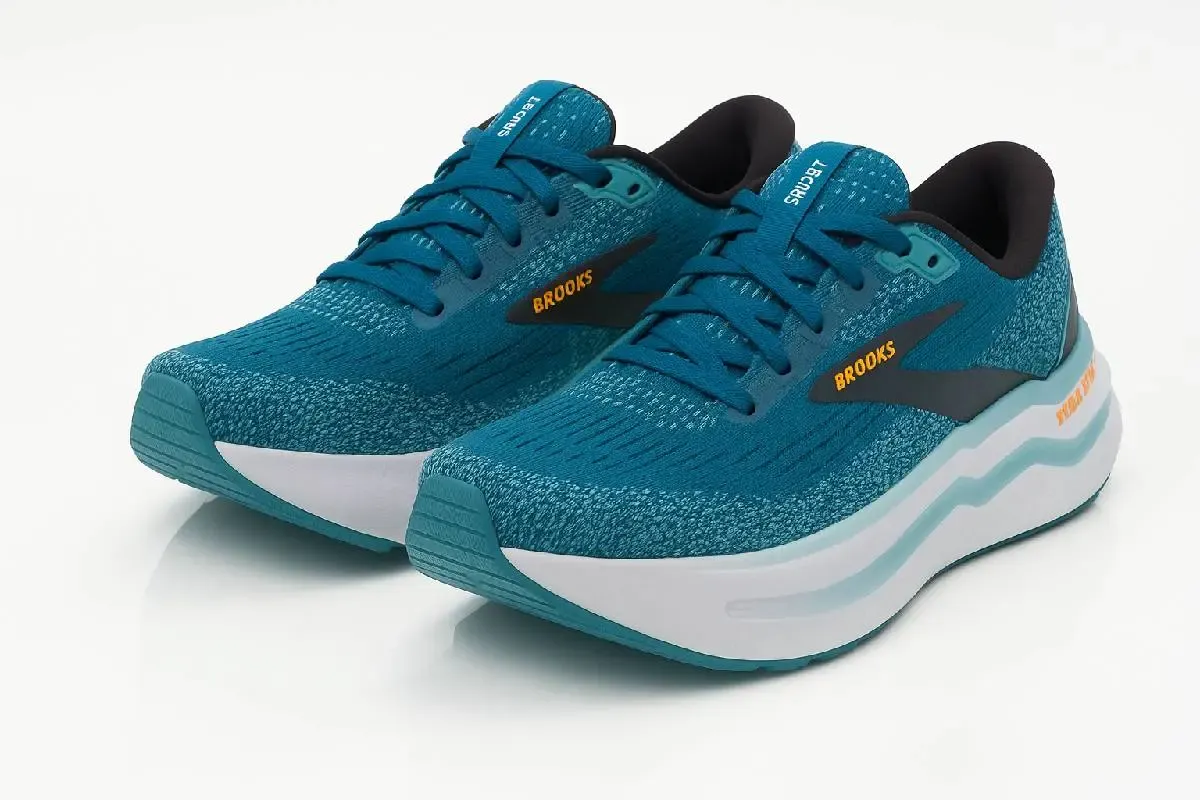
Brooks Ghost Max 2 Review
An in-depth review of the Brooks Ghost Max 2, a max-cushioned running shoe ideal for comfort, stability, and walking. See if it's right for you.
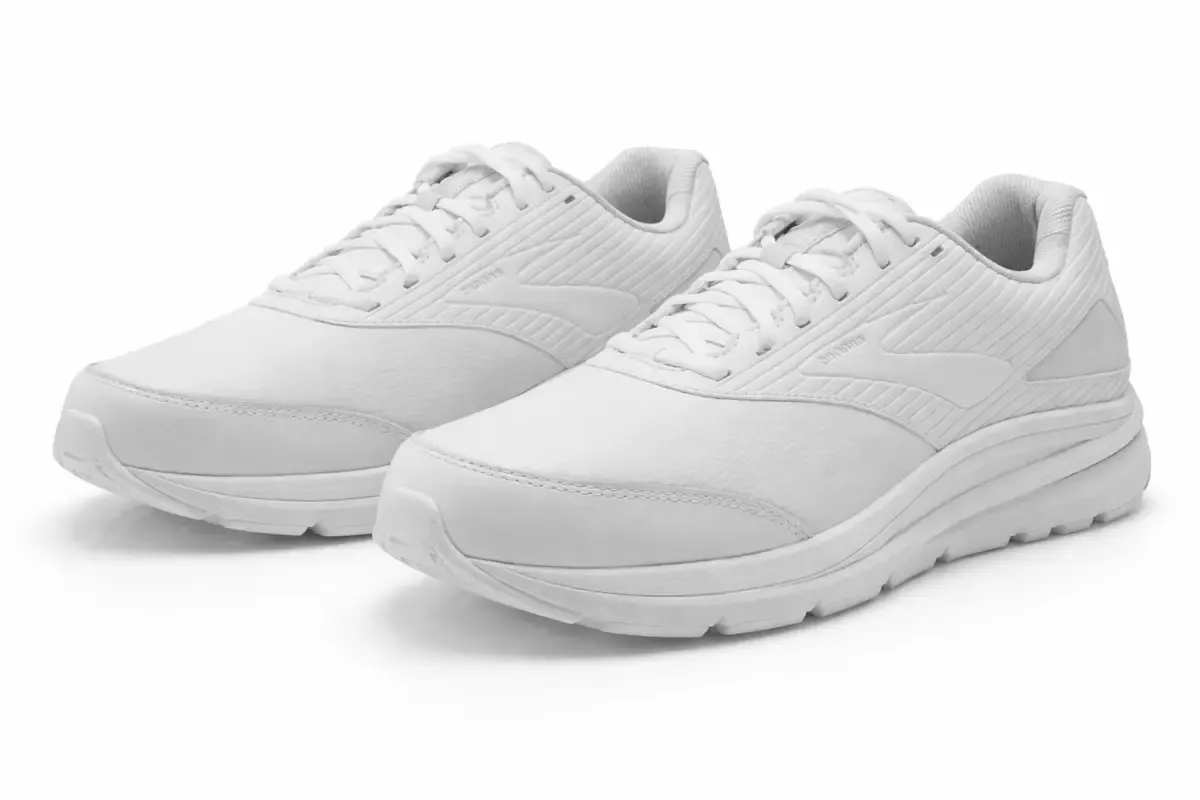
Brooks Addiction Walker 2 Review
Brooks Addiction Walker 2 Review: Expert analysis of this APMA-approved motion control shoe. Is it the best choice for flat feet & plantar fasciitis?
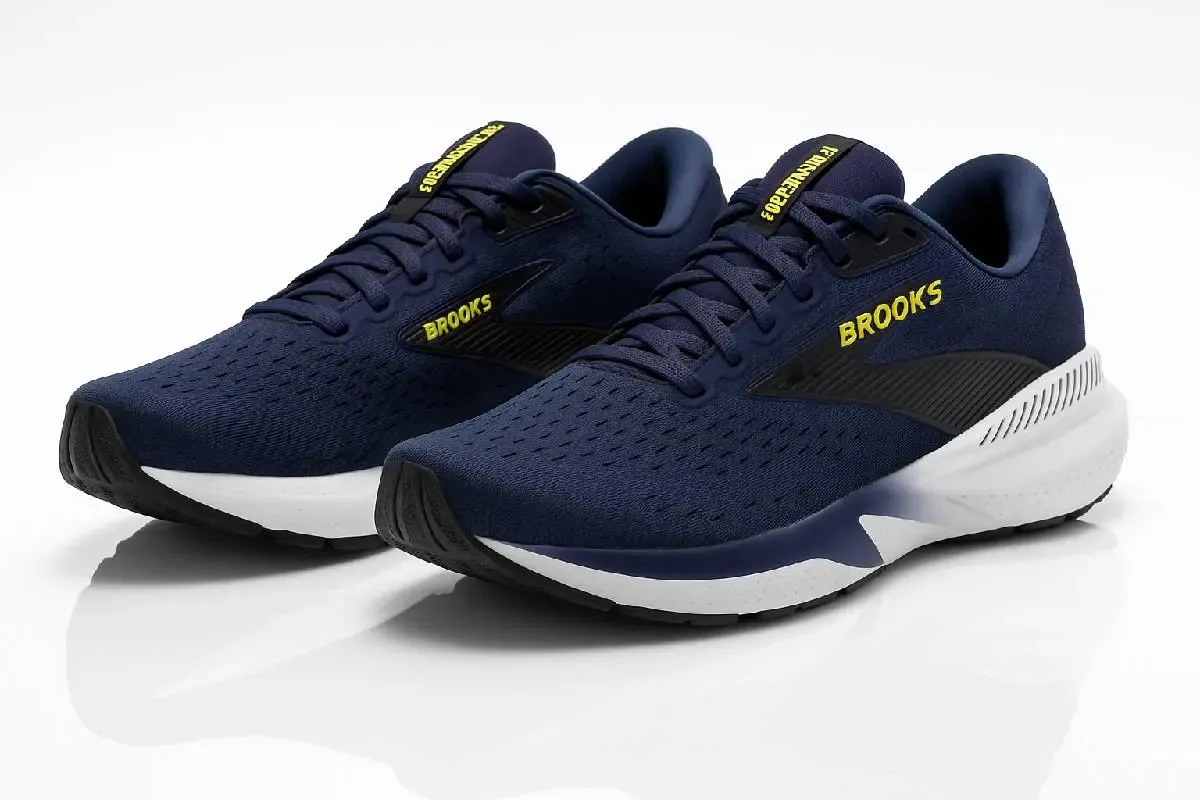
Brooks Adrenaline GTS 24 Review
In-depth review of the Brooks Adrenaline GTS 24. Learn about its DNA Loft v3 foam, GuideRails support, fit, and performance for overpronation.
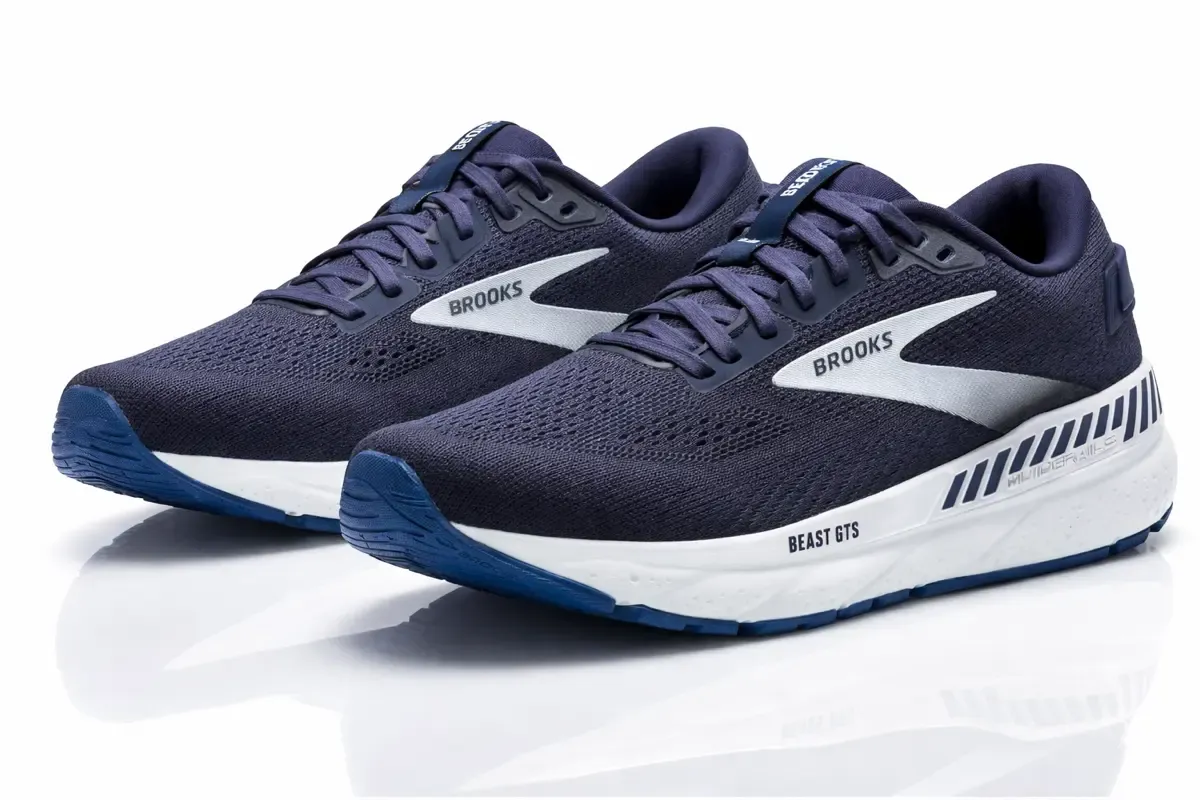
Brooks Beast GTS 24 Review
Brooks Beast GTS 24 Review: Max support running shoe for overpronation. 12.4oz, DNA LOFT v3 foam. Best for flat feet & heavy walkers.
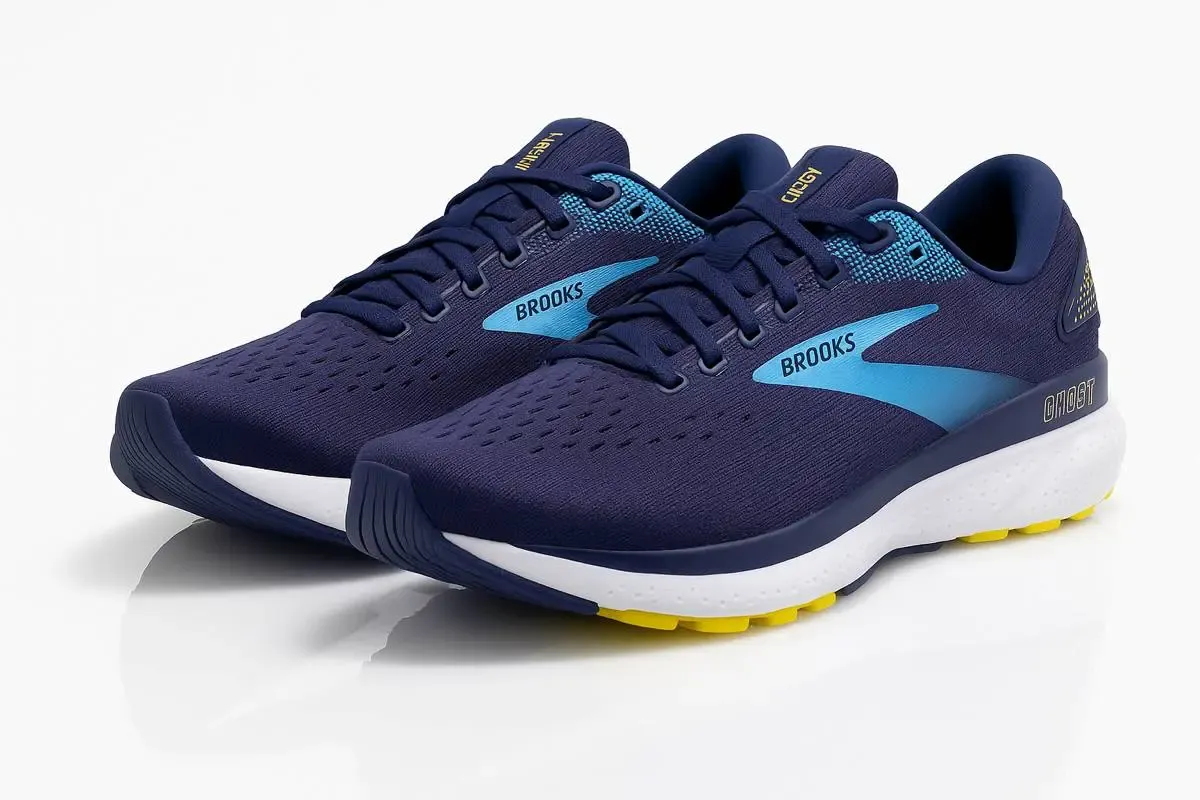
Brooks Ghost 16 Review
Expert review of the Brooks Ghost 16. We analyze comfort, durability, value, and who should buy this reliable neutral road running shoe, Brooks Ghost 16.
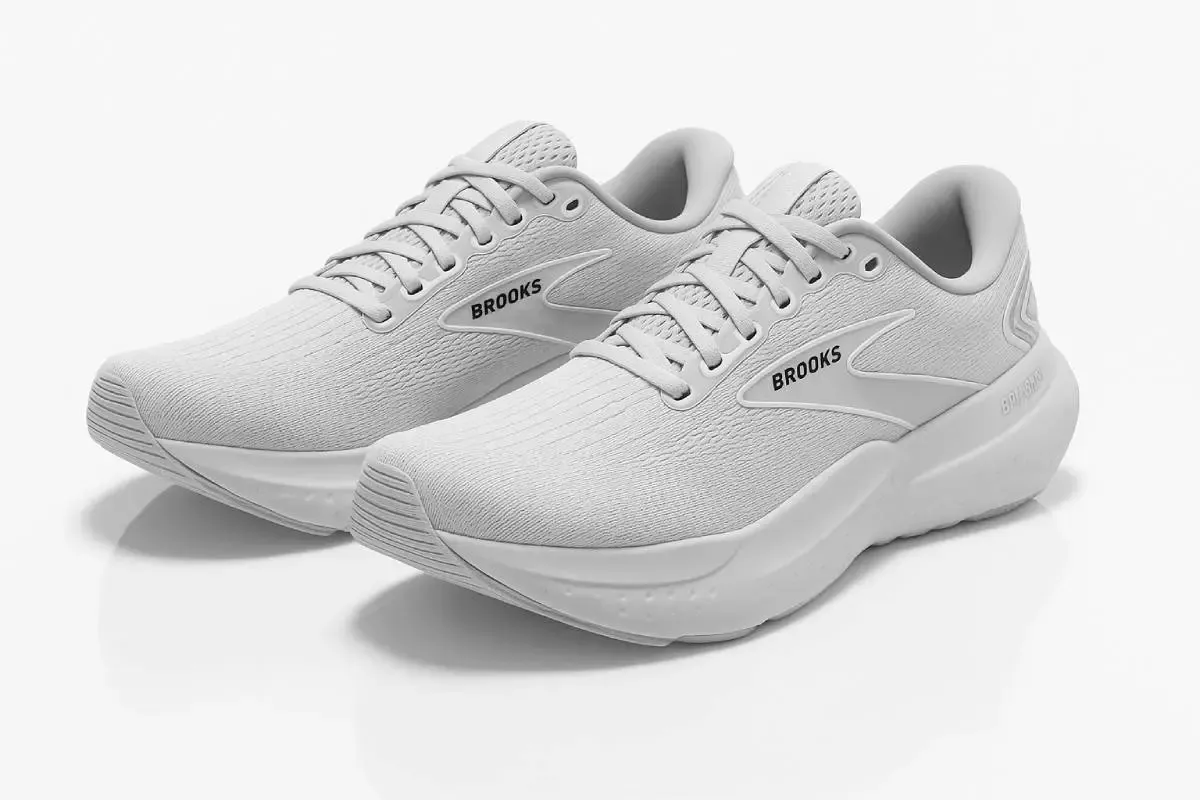
Brooks Glycerin 21 Review
In in-depth review of the Brooks Glycerin 21. Discover its plush DNA LOFT v3 cushioning, fit, durability, and if it's the right shoe for you.