Founder & Lead Editor
Federico D'anna
Federico D'anna has spent 9 years reviewing sneakers with a methodology built on hands-on wear notes, side-by-side comparisons, and verified buyer feedback.
Learn more about Federico D'annaHighlights
Positive
- Premium leather design pairs well with any outfit.
- Exceptional comfort with plenty of room for wide feet.
Negative
- Runs large - most users need to size down.
Brooks Glycerin 22 Sizing & Fit Guide
The Brooks Glycerin 22 is a premium max-cushion daily trainer that aligns with traditional TTS length parameters under standard industry metrics, yet introduces a highly contoured internal volume profile. Due to a luxurious, heavily padded tongue and an ultra-thick heel collar, the overall step-in feel is exceptionally snug and tight across the instep. While the updated toe box architecture offers improved lateral relief with a spacious 96.3 mm forefoot base and a relaxed 73.7 mm big-toe taper, its vertical ceiling remains highly restricted at 23.6 mm. This structural composition creates a snug environment, leading many runners to choose between staying true to size for a locked-in fit or sizing up a half size to accommodate natural foot swelling.
Compare your current pair to find the best size match.
| Reference Shoe | Your Usual US | Buy in US | Your Usual EU | Buy in EU | Fit Notes |
|---|---|---|---|---|---|
| ASICS GEL-Nimbus 26 | 10.0 | 10.0 | 44 | 44 | The GEL-Nimbus 26 features a highly flexible, stretchy knit upper that offers a higher-volume, cloud-like compression. Conversely, the Glycerin 22 employs a denser, less flexible creel jacquard mesh combined with dense padding that delivers superior midfoot and heel lockdown. Standard-width runners can order their true size (US 10.0 / EU 44), but those accustomed to the pillowy, unstructured stretch of the ASICS upper should expect a noticeably more locked-in, secure fit across the instep and a shallower vertical toe box ceiling. |
| New Balance 1080 v14 | 10.0 | 10.0 | 44 | 44 | The New Balance 1080 v14 uses a flexible and loose-fitting upper that easily accommodates high-volume feet underfoot, paired with an extremely soft midsole. The Glycerin 22 counters this with a much tighter, more secure creel jacquard mesh and a firmer DNA Tuned platform that prevents foot fatigue through the gait cycle. Runners can stay true to size (US 10.0 / EU 44), but will experience a significant shift from a loose, sponge-like feel to a structured, highly secure performance wrap. |
| Saucony Triumph 22 | 10.0 | 10.0 | 44 | 44 | Both shoes are premium, comfortable daily cruisers, but they differ in foam chemistry and geometry. The Triumph 22 uses a bouncy, PEBA-based foam with a lower 8 mm drop, whereas the Glycerin 22 provides a more durable, shock-absorbing nitrogen-infused EVA foam with a traditional 10 mm drop. Sizing runs equivalent lengthwise, allowing a true-to-size purchase (US 10.0 / EU 44), though the Glycerin 22 provides far more diverse width options up to a true 4E. |
| HOKA Clifton 9 | 10.0 | 10.0 or 10.5 | 44 | 44 or 44.5 | The Clifton 9 features a signature bucket-seat construction that runs narrow at the midfoot arch, frequently causing blistering and forcing runners to size up just to achieve essential lateral relief. The Glycerin 22 features a wider, more accommodating midfoot last that eliminates this arch rubbing entirely. Applying the compensation factor: if you normally size up in HOKA solely to clear midfoot width restrictions, you should return to your true length (US 10.0 / EU 44) for the Brooks. However, if you require overall high volume or thicker socks, a half-size up to US 10.5 (EU 44.5) helps mitigate the Glycerin's restrictive 23.6 mm vertical toe box ceiling. |
Does the Brooks Glycerin 22 run true to size?
The physical length of the Brooks Glycerin 22 is true to size when compared to standard running shoe baselines. However, the physical volume inside the shoe is heavily restricted. The plush, heavily padded tongue and thick heel collar occupy substantial internal space, making the step-in feel exceptionally snug and tight across the instep. Additionally, the vertical toe box height is quite shallow at 23.6 mm. Runners with low-volume feet can comfortably stay true to size, but those with high-volume feet, individuals who experience foot swelling on long runs, or runners who prefer thick athletic socks should opt for a half-size larger.
Is the Brooks Glycerin 22 good for wide feet?
Yes, the Brooks Glycerin 22 is an excellent option for wide feet due to its stable platform and extensive range of width profiles. The standard medium width offers a spacious 96.3 mm forefoot and an improved 73.7 mm big-toe width that accommodates moderately wide feet without pinching. For truly wide feet, Brooks provides dedicated Wide (2E for men, D for women) and Extra-Wide (4E for men, 2E for women) options. The availability of a true 4E width in a premium neutral shoe is highly beneficial for structural pathologies like bunions, hammertoes, or metatarsalgia, allowing natural metatarsal splay without forcing runners to size up excessively in length.
How is the arch support on the Brooks Glycerin 22?
Arch support in the Glycerin 22 is structured yet non-intrusive, sitting on a highly stable neutral platform. Instead of hard physical stability posts, it utilizes a broad outsole base and a structured heel counter to minimize excessive pronation naturally. The moderate midfoot arch contour accommodates low, medium, or high arches comfortably and is exceptionally welcoming to prescription orthotics or custom insoles due to its deep heel cup. However, its traditional 10 mm heel-to-toe drop shifts landing loads forward to protect the Achilles and calf complex, which can occasionally cause mild midfoot fatigue or lower back discomfort over long distances for runners unaccustomed to this angle.
Ready to experience the Brooks Glycerin 22 Review?
Get yours today with fast shipping from Amazon
The Brooks Glycerin 22 feels like running into an old, reliable friend who's quietly been hitting the gym. Familiar and comforting, but a little more capable than you remember. In a 2026 market obsessed with “super-trainers,” carbon plates, and borderline-illegal stack heights, Brooks takes a refreshing (if slightly stubborn) stance with its flagship cushion model. Think of it as the offensive lineman of running shoes: big, reliable, and protective.
Quick Take
Overall Rating: 4.5/5
Best For: Recovery Runs, Long Slow Distance, Standing All Day (Work), Heavy Runners
Key Strengths: First-class" durability, nitrogen-infused DNA Tuned comfort, stable neutral platform
Notable Limitations: Heavy weight (10.2 oz), low energy return (54.8%), shallow toe box volume
Visual Snapshot Summary
What Makes Brooks Glycerin 22 Stand Out?
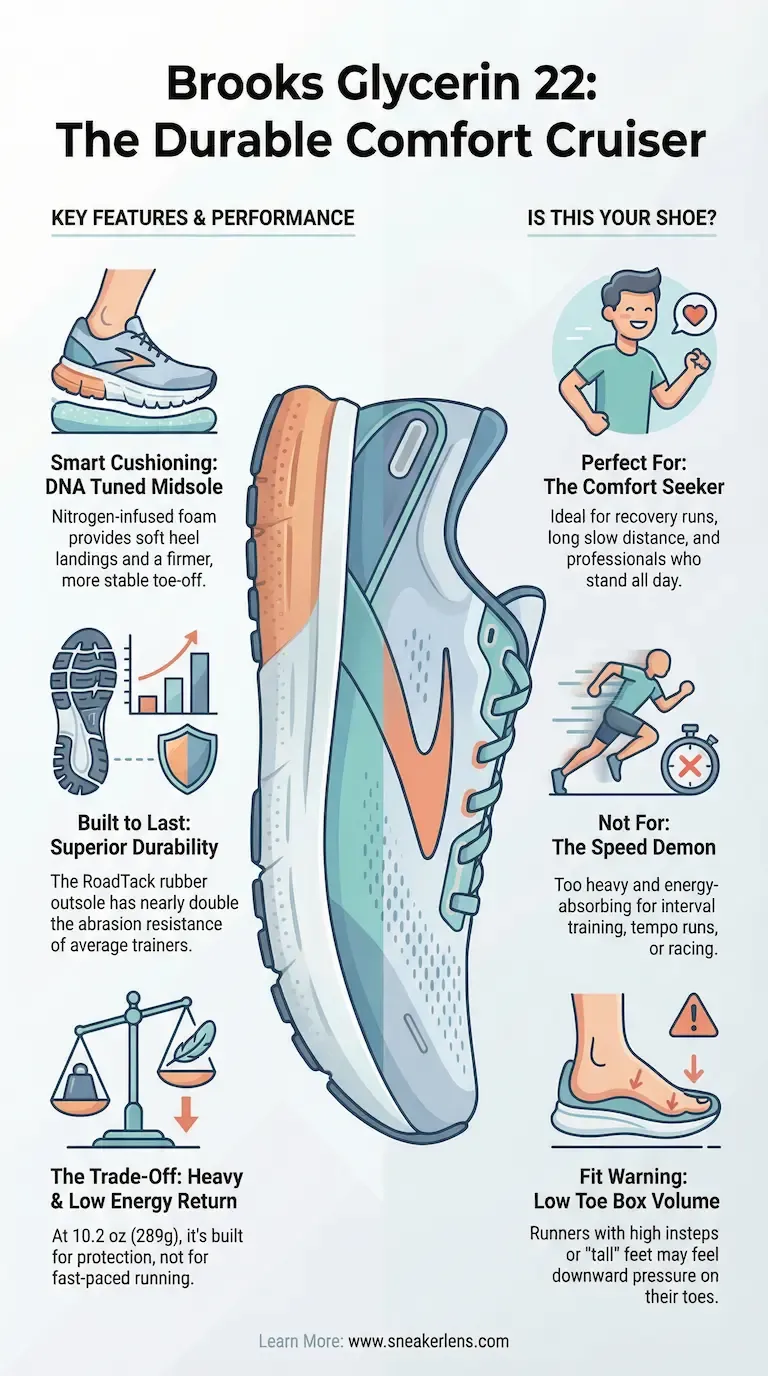
Honestly, the standout here isn't a flashy carbon plate or a rocker that makes you feel like you're falling forward. It's DNA Tuned. You know how most dual-density shoes basically glue two slabs of foam together? Brooks didn't do that. Instead, they used a dual-size cell injection process.
Here's how it works: the heel is packed with larger nitrogen-infused cells to soak up initial impact, like a soft landing pad. As you roll into the forefoot, the cells get smaller and tighter, so you get a firmer platform to push off from. It's a “Goldilocks” approach that balances softness and responsiveness without the wobble you can get in max-cushion shoes. It doesn't feel like a marshmallow, and it doesn't feel like a brick either.
One customer summed it up perfectly:
"Walking on clouds... no break-in period."
It's this specific attention to the quality of the ride, rather than just the amount of foam, that separates the Glycerin 22 from the sea of generic maximalist trainers out there.
Real Customer Experiences
When you dig into the data (over 1,600 reviews), clear patterns show up. It's not just random noise; you can see distinct “clusters” of feedback.
- The Comfort Seekers: About 68% of users gave this a perfect 5-star rating, mostly centering on the "step-in feel." These aren't necessarily marathon racers; they are nurses, walkers, and casual runners who just want their feet to stop hurting.
- The Durability Fans: A massive 95% of sentiment around durability is positive. Users are getting 400-500 miles out of these things, which is rare these days.
- The "Volume" Critics: There's a small but vocal group (about 7%) complaining about the toe box. It's not the width, but the height.
Here is what actual runners are saying:
"The cushioning is bottomless. I'm a bigger guy, over 200lbs, and this is the first shoe that doesn't feel like it flattens out after 3 miles."
"My heel feels really sloppy in them with my orthotics in... one of my little toes is bashing against the front."
Design and Build Quality
The Upper: Knit Done Right?
The upper is an "Engineered Double Jacquard Warp Knit". Usually, when I hear “knit,” I worry about heat. Knit uppers can turn into sweaters for your feet. But surprisingly, this shoe scored a perfect 5/5 in smoke permeability tests. Brooks weaves it looser over the toes for airflow, while keeping it tighter through the midfoot for lockdown.
The Midsole: The Engine Room
This is where the magic (and some controversy) happens. The DNA Tuned midsole is nitrogen-infused EVA. It's not PEBA (the super bouncy race-foam), so energy return is about 54.8%. That means nearly half your energy gets absorbed by the shoe. Bad for racing? Yes. Great for saving your joints on a slow recovery run? Absolutely. Stack height is generous: roughly 38mm in the heel and 28mm in the forefoot, for a classic 10mm drop.
The Outsole: RoadTack Rubber
Brooks uses a compound called RoadTack, which is silica-infused. In lab testing with a Dremel, it only suffered 0.5mm of damage compared to the industry average of 1.0mm. That is essentially double the abrasion resistance of a standard trainer.
Weight: The Elephant in the Room
There's no nice way to say it: the shoe is heavy. It tips the scales at 10.2 ounces (289g) for a standard men's size. In a world where competitors like the Novablast 5 sit around 9 ounces, the Glycerin 22 feels substantial. You'll feel that extra weight when you try to pick up the pace.
Comfort and Fit
Here's the thing about fit: length is True to Size, but vertical volume is low. Toe box height is about 23.6mm, while most trainers sit closer to 26-28mm.
If you have “tall” feet, like a high instep or toes that point upward, you might feel downward pressure on your toenails. The width is generous, though (96.3mm at the widest point), so if you have bunions or you just like to splay your toes, the floor plan is there.
Break-in Period: Honestly, it's minimal. The midsole feels ready right out of the box. The stiff heel counter and thick rubber outsole can take about 15-20 miles to loosen up and flex more naturally.
One reviewer noted the immediate relief:
"The heel collar is plush and heavenly... locks the heel in place without creating pressure points."
Style and Versatility
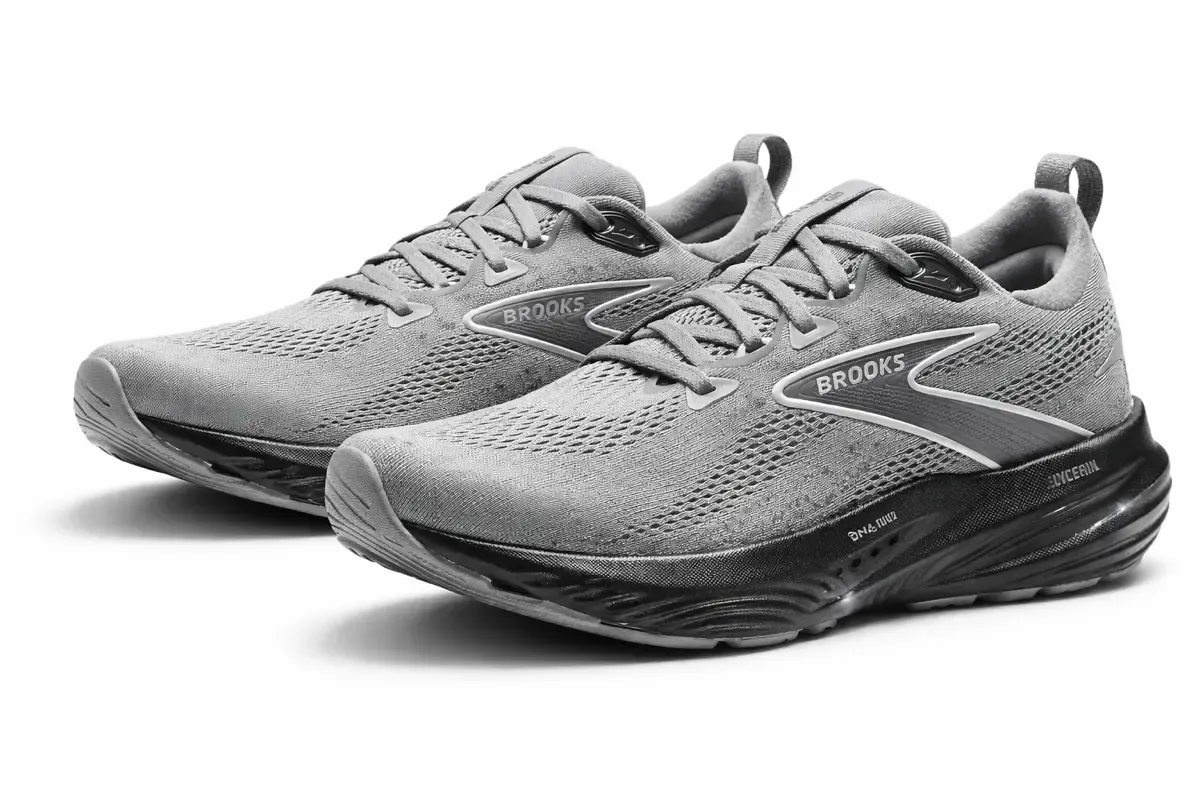
Visually, Brooks has cleaned up its act. The Glycerin 22 moves away from the bulky “dad shoe” vibe of the past. The midsole sculpting is sleeker, and the colorways lean into muted, lifestyle-friendly tones like 'Limpet Shell' and 'Amparo Blue'.
Ideal Scenarios: This is strictly a cruiser. It shines on:
- Recovery Runs: When your legs are trash and you need protection.
- Long Slow Distance: When you care about finishing, not finishing fast.
- Work: If you stand on concrete for 12 hours a day, this is your shoe.
It's not versatile enough for track days or tempo runs. The weight and energy loss make running fast feel like extra work.
Quality and Durability
Durability is this shoe's superpower. With 95% positive sentiment around longevity, it's built like a tank. The outsole rubber is thick and tough.
There is a weird caveat, though. A small subset of users reported rapid forefoot wear, specifically rubber peeling. After looking into it, this seems to happen mostly to runners who “shuffle” or drag their feet. The segmented outsole pods can catch if you drag your toes. But if you pick your feet up, 500+ miles is very realistic.
"Premature outsole wear for runners who drag feet/shuffle."
Decision Matrix
| Scenario ↓ / Criterion → | Comfort | Breathability | Rain/Grip | Style |
|---|---|---|---|---|
| Recovery Runs | ✓ | ✓ | ○ | ○ |
| Tempo / Threshold | ✕ | ✓ | ○ | ○ |
| Standing (Work) | ✓ | ✓ | ✓ | ✓ |
Legend: ✓ = Good ○ = Average ✕ = Poor
Further Reading
Wondering whether to go max-plush or stick with the lighter workhorse? Read our Brooks Ghost 16 vs Glycerin 22 comparison.
Who Should Buy
Perfect For
- The High-Mileage Cruiser: You run 30+ miles a week, mostly at an easy pace, and you need a shoe that won't die after 300 miles.
- The Heavy Runner: If you are over 200lbs, the resilient nitrogen foam won't compress and "bottom out" like softer foams do.
- The Healthcare Worker: You need arch support and "goldilocks" firmness for 12-hour shifts.
- The Heel Striker: The 10mm drop and massive heel cushion are literally designed for your biomechanics.
Consider Alternatives If
- The Speed Demon: If you want to run intervals or threshold pace, this shoe is too heavy and absorbs too much energy.
- The "Tall Foot" Runner: If you have a high instep or use thick orthotics, the low ceiling in the toe box will drive you crazy.
- The Forefoot Striker: The high 10mm drop and bulky heel might get in your way during your swing phase.
Final Verdict
The Brooks Glycerin 22 is a triumph of iterative engineering rather than revolutionary disruption. Brooks didn't try to reinvent the wheel; they just made the tire much, much better. By implementing DNA Tuned technology, they have successfully refined that "Goldilocks" zone—creating a shoe that is soft enough for recovery but stable enough for daily abuse.
While it technically lags behind competitors in weight optimization and energy return, these "deficiencies" are arguably intentional design choices to prioritize durability and protection. It is not a shoe for setting personal bests; it is a shoe for ensuring you can run again tomorrow.
If you are a dedicated runner seeking a high-mileage workhorse, or a professional needing all-day support, this is a category leader. But if you're looking for excitement, bounce, or speed? Look elsewhere.
Browse our full Brooks collection to find your perfect pair.
As an Amazon Associate we earn from qualifying purchases. This helps support our site so we can keep bringing you the best content!
Frequently Asked Questions
Is the Brooks Glycerin 22 good for standing all day at work?
What is the difference between Brooks Glycerin 21 and 22?
Is the Brooks Glycerin 22 good for heavy runners?
Related Reviews
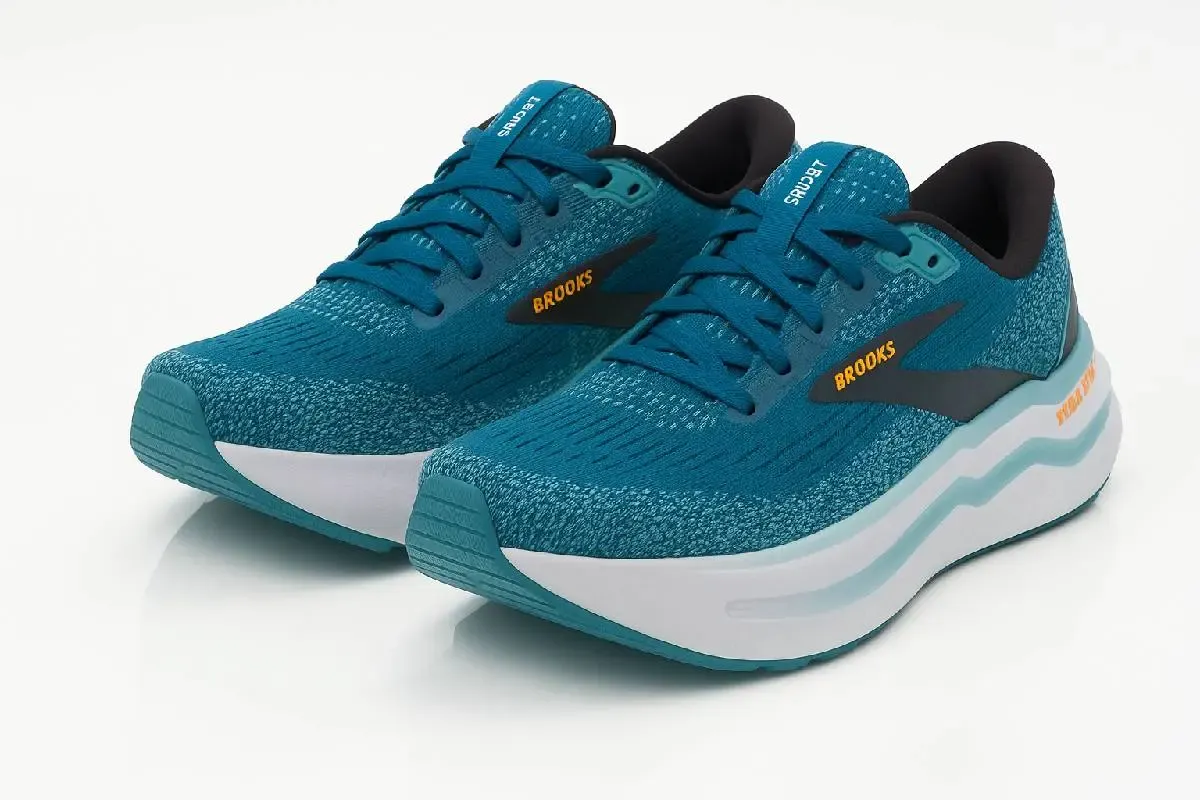
Brooks Ghost Max 2 Review
An in-depth review of the Brooks Ghost Max 2, a max-cushioned running shoe ideal for comfort, stability, and walking. See if it's right for you.
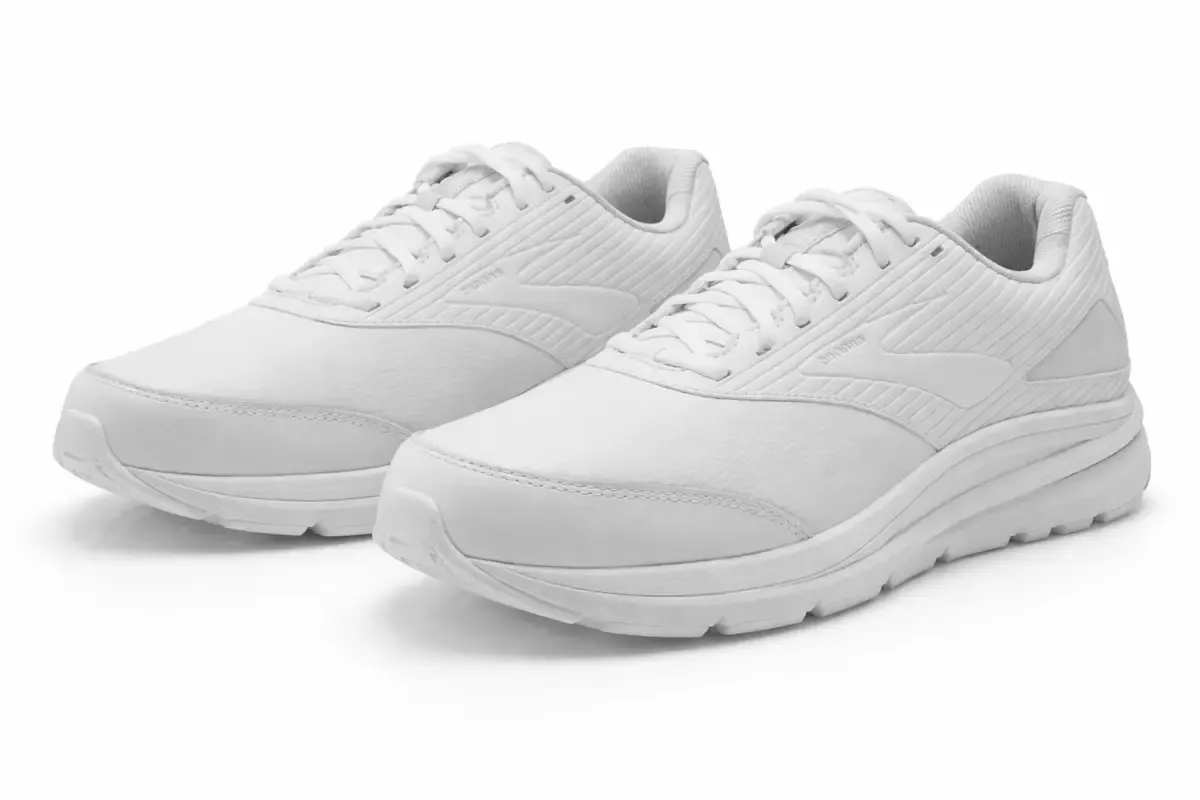
Brooks Addiction Walker 2 Review
Brooks Addiction Walker 2 Review: Expert analysis of this APMA-approved motion control shoe. Is it the best choice for flat feet & plantar fasciitis?
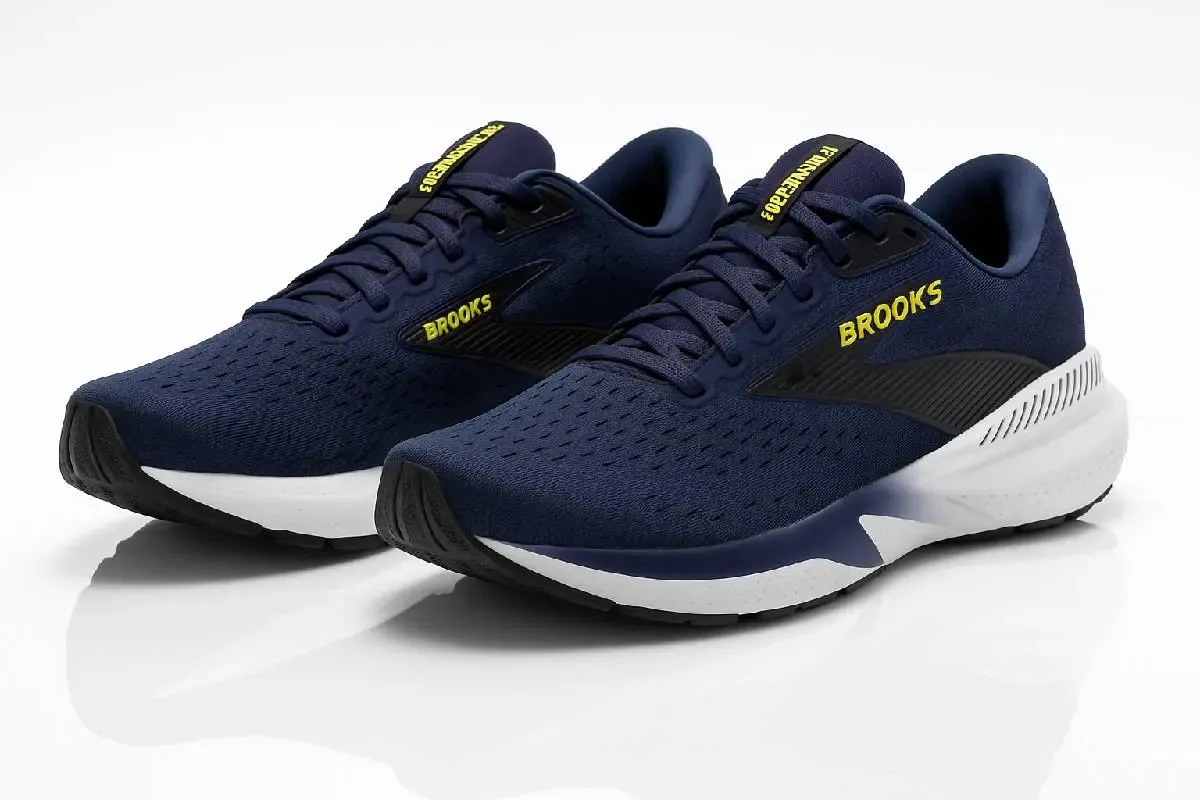
Brooks Adrenaline GTS 24 Review
In-depth review of the Brooks Adrenaline GTS 24. Learn about its DNA Loft v3 foam, GuideRails support, fit, and performance for overpronation.
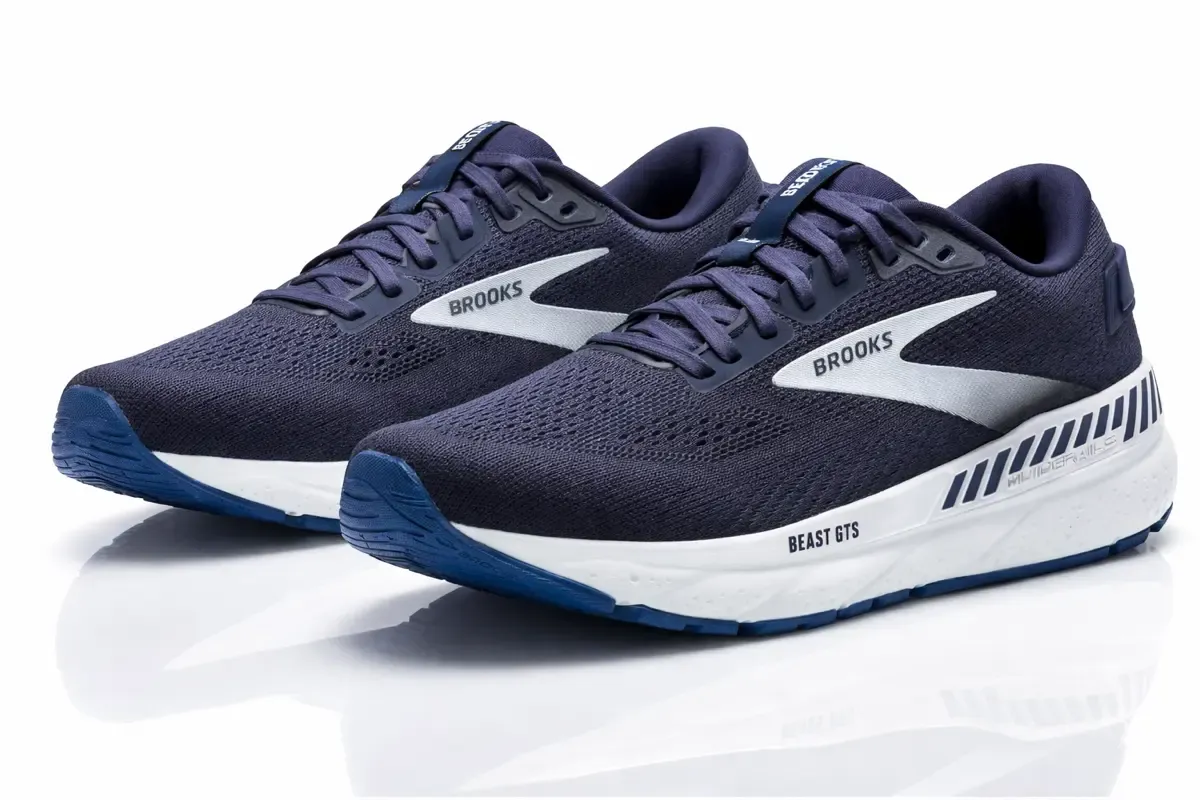
Brooks Beast GTS 24 Review
Brooks Beast GTS 24 Review: Max support running shoe for overpronation. 12.4oz, DNA LOFT v3 foam. Best for flat feet & heavy walkers.
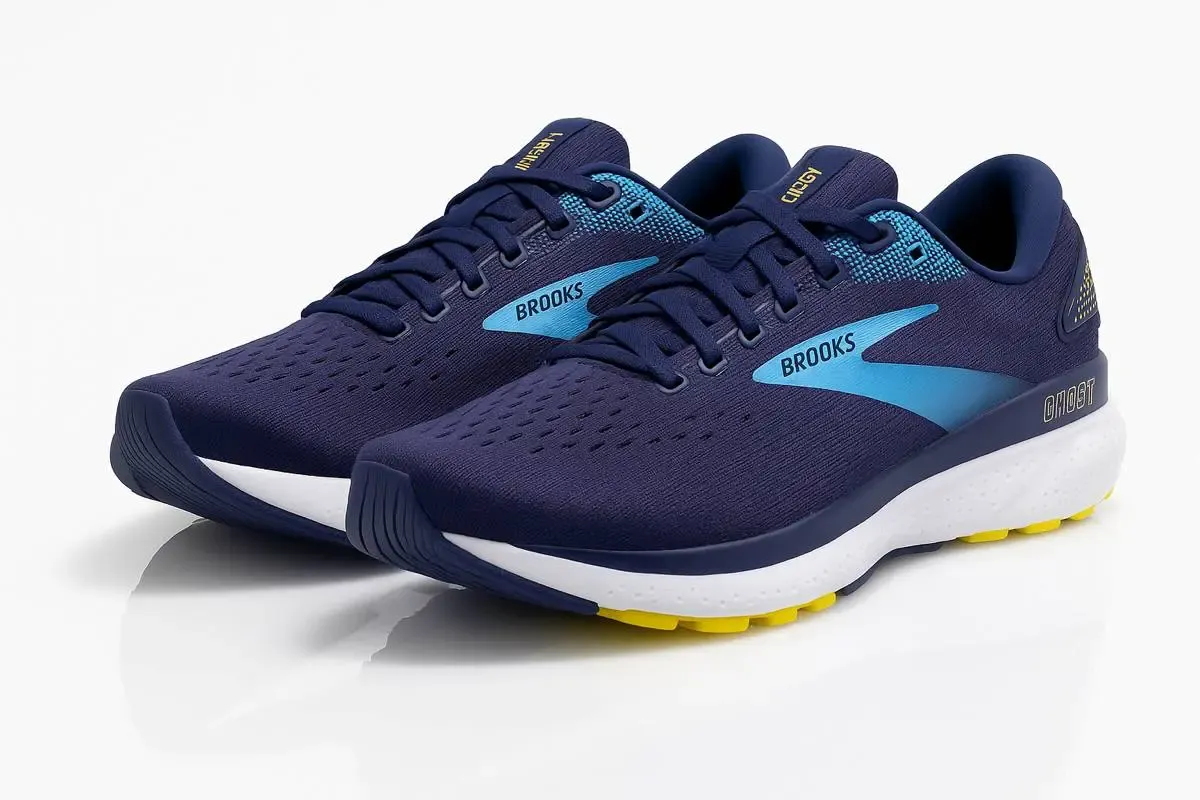
Brooks Ghost 16 Review
Expert review of the Brooks Ghost 16. We analyze comfort, durability, value, and who should buy this reliable neutral road running shoe, Brooks Ghost 16.
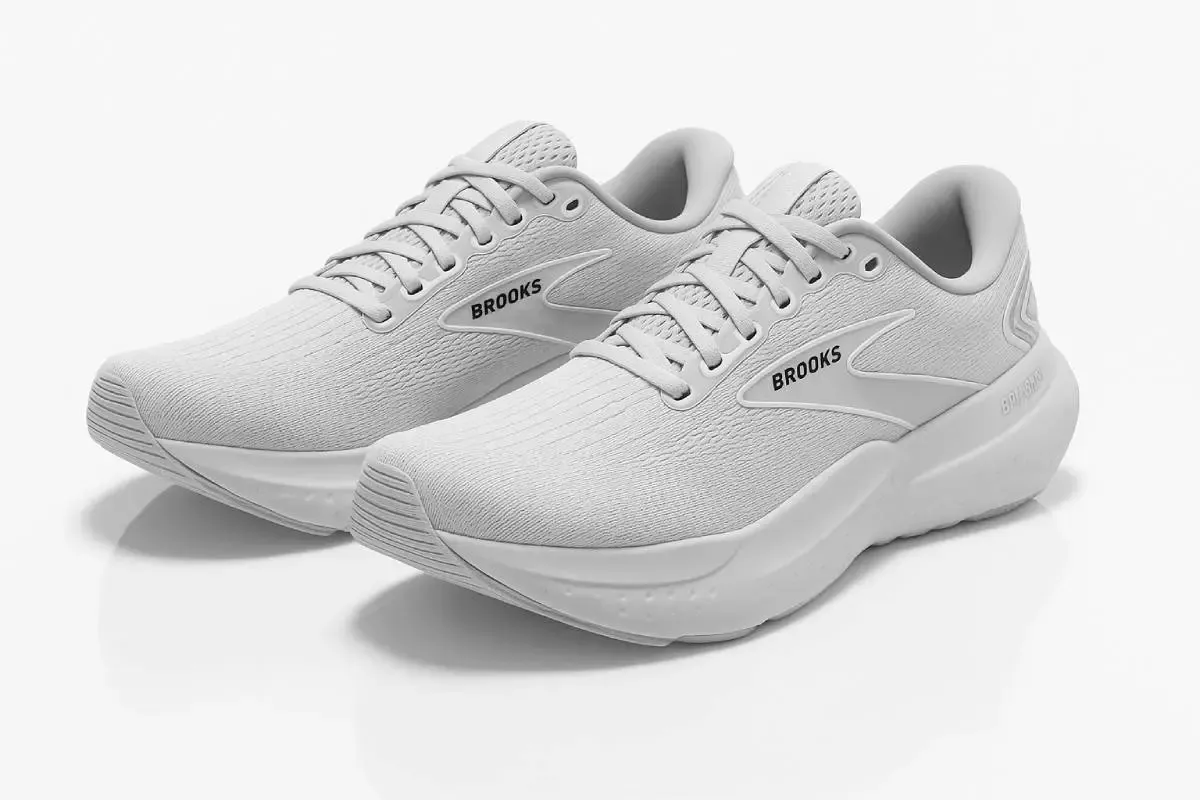
Brooks Glycerin 21 Review
In in-depth review of the Brooks Glycerin 21. Discover its plush DNA LOFT v3 cushioning, fit, durability, and if it's the right shoe for you.