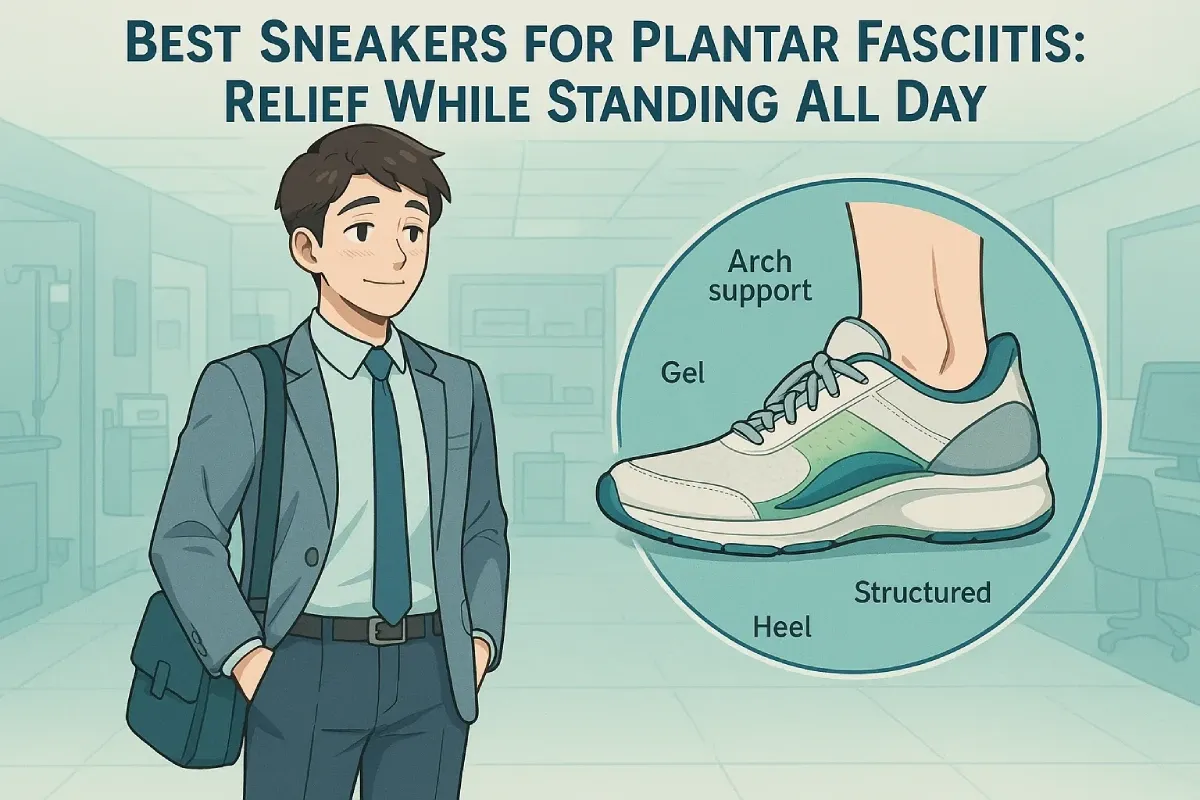
Introduction: Understanding Plantar Fasciitis for Working Adults
If you've ever felt a sharp, stabbing heel pain on your first steps in the morning (or after sitting for a while), plantar fasciitis is a common culprit. And if you stand all day for work, it can feel especially brutal. That nagging heel pain doesn't stay “just a foot thing.” It can mess with your energy, your focus, and how you move through a shift.
Plantar fasciitis happens when the thick band of tissue across the bottom of your foot (the plantar fascia) gets inflamed or develops tiny tears. The classic sign is that first-step pain, but a lot of people also feel it flare up again after long periods of standing.
The good news: the right shoes can make a real difference. Supportive sneakers don't just feel better in the moment, they help reduce ongoing strain on the plantar fascia. In this guide, we'll cover what to look for in work shoes for heel pain relief and share recommendations for different job settings. Nurses, teachers, retail workers, and anyone else logging hours on their feet—this is for you.
If you're trying to connect heel pain to the bigger "whole-shift fatigue" picture, read this alongside most comfortable sneakers for standing all day (for cushioning/arch basics) and best sneakers for back pain relief (because plantar pain often changes posture and shows up as back strain).
Many nurses find plantar fasciitis particularly challenging due to the combination of long shifts and hard hospital floors. If you're in healthcare, you might also benefit from our curated list of the top nurse-recommended sneakers for hospital shifts.
You can also check our guide for teachers: Teacher-Approved Sneakers: Stylish Comfort for Classroom Heroes
Key Features to Look for in Work Shoes for Plantar Fasciitis
Not all sneakers handle plantar fasciitis the same way. Here are the features that actually matter when you're trying to manage heel pain during long shifts:
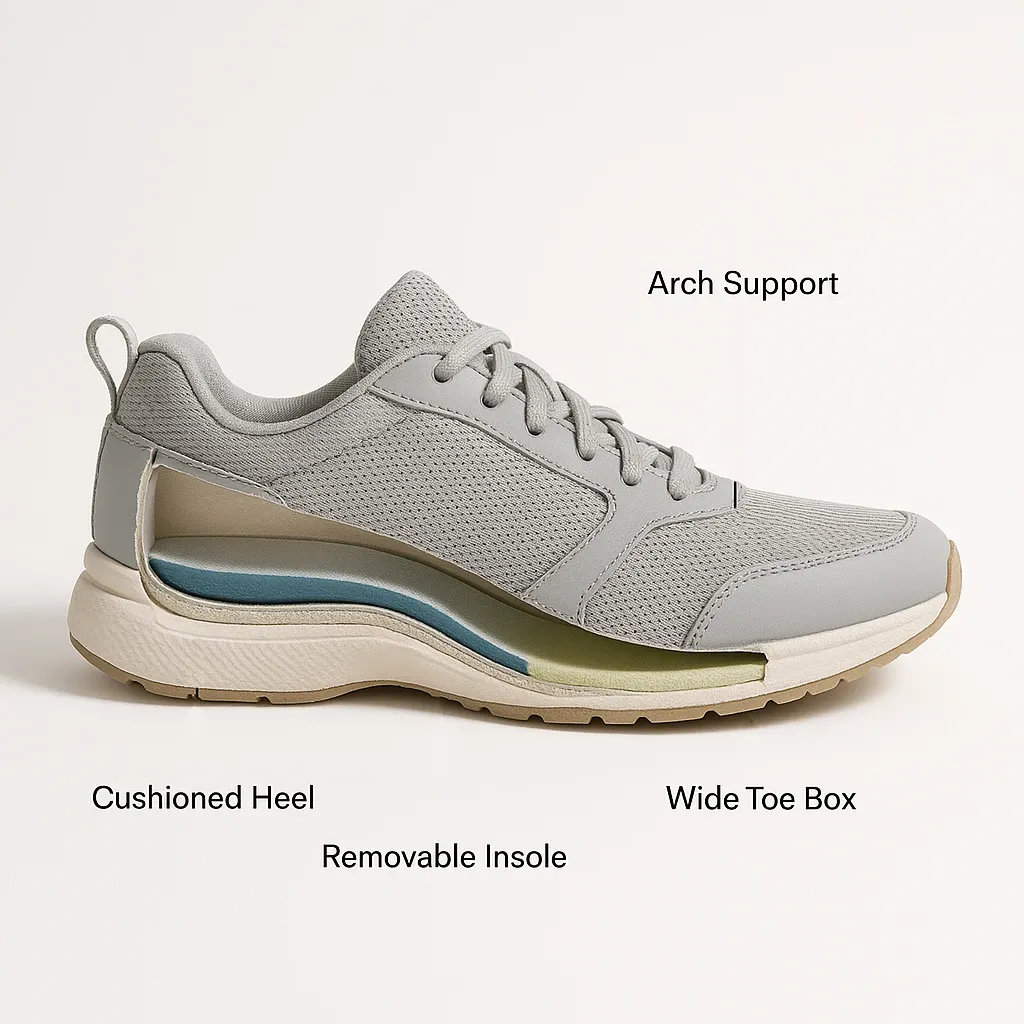
Arch Support
Good arch support is non-negotiable if you're dealing with plantar fasciitis. It helps spread pressure across the foot instead of dumping it into the heel where the plantar fascia attaches. The “right” amount depends on your foot structure:
- Flat feet need more substantial arch support
- High arches require cushioned support that follows your natural arch
- Medium arches benefit from moderate, balanced support
Look for sneakers with contoured footbeds that actually cradle your arch. A lot of major brands now build in arch support specifically for people with foot pain.
Learn more about finding your perfect arch support in our detailed guide.
Cushioning
When you stand all day, your heels take a beating. Good cushioning absorbs shock and lowers the impact forces that can aggravate the plantar fascia. Look for:
- Extra padding in the heel area
- Midsoles made from responsive materials like memory foam, gel, or EVA foam
- Cushioning that holds up over time and doesn't flatten quickly
The sweet spot feels good right away but still has enough firmness to support you. Too soft and you lose stability.
Heel Stability
A stable heel counter (the back of the shoe that wraps your heel) keeps your foot aligned and limits the extra motion that can tug on the plantar fascia. Look for:
- Firm, structured heel counters that don't collapse when pressed
- Deep heel cups that cradle your heel
- Designs that keep your foot from rolling inward (overpronating) or outward (supinating)
This matters even more late in a shift, when fatigue can make your foot position sloppier.
Flexibility in the Right Places
Support is crucial, but you still need some flexibility—just in the right place. The best sneakers for plantar fasciitis bend at the ball of the foot (where your toes connect) and stay firm through the midfoot. That gives you natural movement while protecting your arch.
Quick test: hold the shoe at both ends and bend it. It should flex at the forefoot and resist bending through the middle where your arch sits.
Wide Toe Box
A roomy toe box lets your toes spread naturally, which helps distribute weight more evenly across the foot. That takes pressure off both the forefoot and the heel. Cramped toes can trigger a chain reaction of muscle tension that makes heel pain worse.
Removable Insoles
Sneakers with removable insoles give you a big advantage: customization. It lets you:
- Insert your own custom orthotics if prescribed by a podiatrist
- Upgrade to premium over-the-counter inserts with better arch support
- Replace worn-out insoles while keeping your favorite, broken-in shoes
For a lot of people, the best relief comes from pairing the right shoe with the right insole.
Top Sneaker Recommendations for All-Day Standing
Based on podiatrist recommendations and extensive reviews, these sneakers stand out for all-day standing. They're grouped by category so you can match the shoe to your workday.
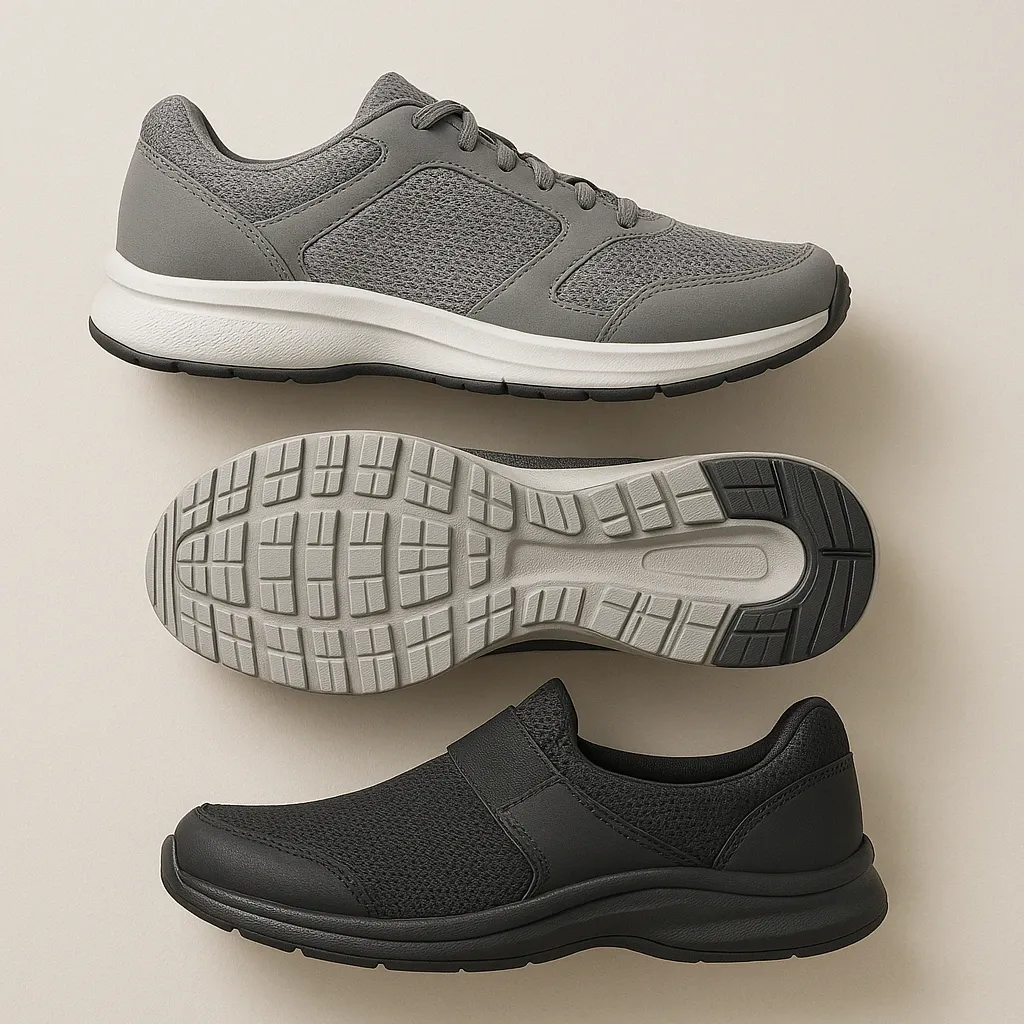
Running Shoes for Workplace Comfort
Even though they're made for running, these models translate really well to long shifts:
Brooks Adrenaline GTS The Adrenaline GTS hits a great balance of cushioning and stability, with GuideRails technology to help keep your foot aligned. The DNA LOFT cushioning feels soft without sacrificing durability, which is crucial when you stand all day. Many nurses and teachers swear by these for 12-hour shifts.
Hoka Clifton Known for their distinctive chunky look, Hoka Cliftons have an exceptional cushioning-to-weight ratio. The Meta-Rocker design helps move your foot forward with less effort, reducing strain on the plantar fascia. Their breathable upper helps on long work days.
New Balance 880 New Balance 880s bring reliable cushioning with a Fresh Foam midsole and come in multiple width options, which is a huge plus for dialing in fit. The plush heel collar feels good for extended wear, and the engineered mesh upper stays breathable without giving up support.
Walking Shoes for Extended Wear
These models are built around the repetitive grind of walking and standing:
Brooks Addiction Walker The Addiction Walker has a robust support system and motion-control design that helps reduce pronation. The leather upper holds up well for daily wear, and the BioMoGo DNA midsole adapts to your stride, weight, and speed. Many wearers report immediate plantar fasciitis relief.
Hoka Bondi SR This workplace version of the popular Bondi includes slip-resistant outsoles for safety. The maximal cushioning is ideal on concrete floors, and the memory foam collar cradles your ankle. Despite the chunky look, they're surprisingly lightweight for all-day wear.
Saucony Omni Walker The Omni Walker pairs durability with serious support. The arch lock design provides exceptional midfoot stability, and the compression-molded EVA midsole delivers consistent cushioning. The outsole is engineered for longevity, which makes these a cost-effective daily work option.
Work-Specific Shoes
For environments with specific safety needs:
Dansko XP 2.0 While technically a clog, the Dansko XP 2.0 deserves a spot here for its exceptional support in healthcare and foodservice settings. The rocker bottom promotes natural walking motion and reduces stress on the plantar fascia. The padded instep collar and memory foam footbed help during long shifts.
Orthofeet Work Models Orthofeet specializes in comfort footwear with built-in orthotic support. Their work models include premium orthotic insoles, cushioning heel pads, and anatomical arch support. The deep toe box design accommodates hammertoes and bunions, which are common secondary issues for plantar fasciitis sufferers.
Shoes for Crews Athletic Work Sneakers These sneakers combine slip-resistant tech with athletic shoe comfort. Models like the Falcon II include removable memory foam insoles, shock-absorbing midsoles, and reinforced toe boxes. They're built for workers who stand all day on potentially slippery surfaces.
Materials and Durability for Extended Wear
When you're investing in shoes for plantar fasciitis, durability matters, especially if you're standing all day, every day. Knowing what materials you're looking at helps you pick sneakers that keep their support longer.
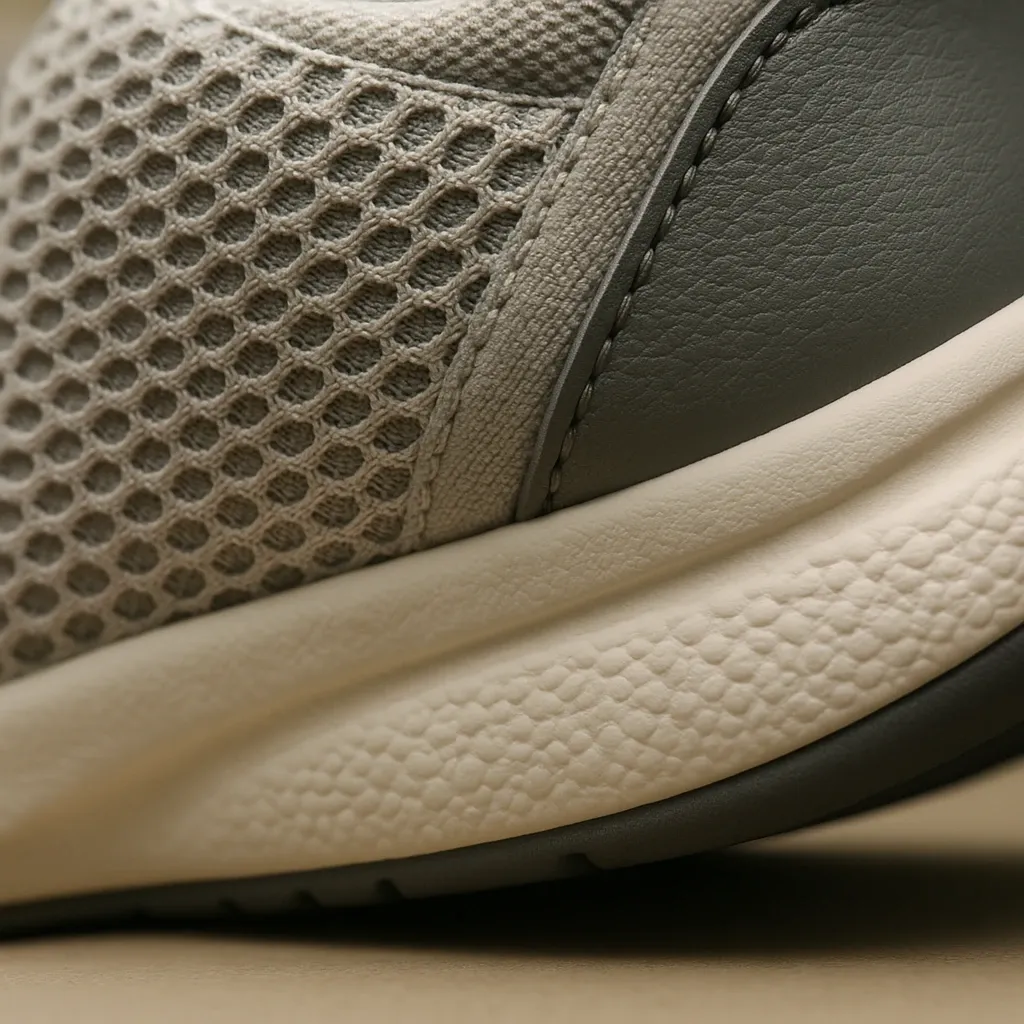
Upper Materials
The upper affects both feel and lifespan:
Breathable Mesh Common in athletic sneakers, mesh lets air circulate so your feet stay cooler and drier during long shifts. That helps prevent discomfort from heat and moisture buildup. It's lightweight, but it may wear out faster than other materials.
Leather More common in walking and work shoes, leather brings durability and structure. It molds to your foot over time for a more custom-like fit. The tradeoff is less breathability, though many quality work shoes add mesh panels in key spots.
Knit Fabrics These newer materials give a sock-like fit that adapts to your foot shape. They're breathable like mesh but often more durable. Knit uppers also allow natural expansion, which helps when your feet swell during long periods of standing.
Midsole Technologies
The midsole is where most of the plantar fasciitis relief “magic” happens:
EVA Foam This lightweight, cushioned material absorbs shock well. Brands can combine different densities to get both softness and firm support. Basic EVA can compress over time with heavy use.
Gel Cushioning Gel inserts (often in the heel and forefoot) provide targeted shock absorption. They typically maintain cushioning longer than basic foam and don't compress as quickly with daily wear.
Proprietary Foams Many top brands have developed their own specialized cushioning:
- Brooks' DNA LOFT combines EVA foam, rubber, and air for long-lasting cushioning
- Hoka's CMEVA (compression-molded EVA) provides resilient cushioning that stands up to daily wear
- New Balance's Fresh Foam X offers a precise, engineered feel with exceptional durability
These premium technologies typically keep their supportive feel longer than basic materials, which can be worth it for daily work wear.
Outsole Durability
The outsole (bottom of the shoe) has to handle constant contact with all kinds of surfaces:
Carbon Rubber Often used in high-wear zones, carbon rubber provides exceptional durability. You'll usually see it in the heel and toe areas where wear shows up first.
Blown Rubber Lighter and more cushioned than carbon rubber, blown rubber balances traction and comfort. It's a bit less durable but provides better shock absorption.
Many work-specific shoes feature outsoles designed for particular environments, such as slip-resistant patterns for food service or healthcare settings.
When to Replace Your Work Shoes
Even the best shoes wear out. And for plantar fasciitis, worn-out shoes often bring the pain right back. Replace your work sneakers:
- Every 6-12 months with daily wear
- When you notice visible midsole compression (wrinkles or creases in the cushioning)
- If the outsole tread pattern is significantly worn
- When the heel counter becomes unstable or collapses easily
- If your plantar fasciitis pain returns despite previously having relief with the shoes
Many workers rotate between two pairs, which extends the life of both and helps ensure you always have supportive footwear.
How to Choose the Right Sneakers for Your Specific Needs
Finding the right sneakers for plantar fasciitis is personal. Here's how to make the process work for you:
Consider Your Arch Type
Your arch structure changes which shoes will feel best:
Flat Feet (Low Arches) If your feet have minimal arches, look for:
- Motion control features that prevent overpronation
- Firm midsoles that restrict excessive movement
- Straight or semi-curved lasts (the shoe's shape)
- Structured stability features
Models like the Brooks Addiction Walker or New Balance 990 often work well for flat feet.
High Arches If you have pronounced arches, prioritize:
- Extra cushioning to compensate for reduced natural shock absorption
- Flexible shoes that allow natural foot movement
- Curved lasts that follow your foot's shape
- Reinforced arch support
The Hoka Clifton or Bondi series typically suits high-arched feet well.
Medium Arches With a moderate arch, you have more flexibility in your choices but should still look for:
- Good balance of cushioning and support
- Semi-curved lasts
- Moderate stability features
Most of the recommended shoes in this article work well for medium arches.
Best Time to Try on Shoes
Shop for work shoes in the afternoon or evening when your feet are slightly swollen, similar to how they'll be during a long workday. This helps you land a fit that stays good throughout your shift.
Wear the socks you typically use at work when trying on new shoes. The thickness of your socks can significantly impact fit.
Signs of a Good Fit
A properly fitted shoe for plantar fasciitis should:
- Have about a thumb's width of space between your longest toe and the shoe's end
- Feel snug in the midfoot and heel but not tight
- Allow your toes to wiggle freely
- Have no pinching or pressure points when walking
- Support your arch without causing discomfort
- Keep your heel from slipping when you walk
Take time to walk around the store, ideally on both soft and hard surfaces. Good plantar fasciitis shoes should feel good right away—don't rely on a “breaking-in period” to fix pain points.
Break-in Period Expectations
Quality sneakers made for plantar fasciitis usually need minimal break-in. You might notice:
- The first 1-2 days may involve some adjustment as the shoe molds to your foot
- The arch support might feel pronounced initially if you're not used to it
- The cushioning often softens slightly with use
If you feel actual pain (beyond mild adjustment discomfort), the shoes probably aren't right. Don't push through genuine pain hoping they'll magically “break in.”
Combining with Orthotic Inserts
Many people with plantar fasciitis do best by combining supportive shoes with specialized inserts:
- If you have custom orthotics from a podiatrist, bring them when trying on shoes
- Choose shoes with removable insoles to accommodate orthotics
- Ensure the shoe has enough depth to comfortably fit both your foot and the orthotic
- Consider a half-size larger to accommodate thicker orthotics if needed
Even shoes with excellent built-in support can often work even better with over-the-counter or custom orthotics for more personalized relief.
Conclusion: Finding Long-Term Relief
The right sneakers can change your workday when you're dealing with plantar fasciitis. Beyond just pain relief, proper footwear helps prevent the condition from getting worse and supports the healing process. Keep these points in mind:
- Focus on finding shoes with excellent arch support, cushioning (especially in the heel), and stability
- Consider your specific work environment and choose appropriate footwear, whether running shoes, walking shoes, or work-specific models
- Pay attention to materials and construction for long-term durability and comfort
- Replace your work shoes regularly before they lose their supportive properties
- Choose shoes based on your arch type and specific foot needs
Our top recommendations across categories include the Brooks Adrenaline GTS and Addiction Walker, Hoka Clifton and Bondi models, New Balance 880 and 990 series, and specialized work shoes from brands like Dansko and Orthofeet. These options consistently earn positive reviews from podiatrists and workers who stand all day.
While the right shoes are essential, comprehensive plantar fasciitis treatment often includes:
- Regular stretching of the calf muscles and plantar fascia
- Icing after long periods of standing
- Avoiding completely flat shoes or barefoot walking
- Taking breaks to sit when possible during your workday
- Using night splints or compression socks if recommended by your doctor
If your plantar fasciitis pain is severe or persistent even with appropriate footwear, consult a podiatrist or foot specialist. They can assess your specific situation and may recommend additional interventions beyond footwear.
With the right shoes and solid foot care, you can find relief and get back to focusing on your work instead of your feet.